It’s the kind of thing you think about when you’re stuck in traffic or wandering through a particularly grim retail park.
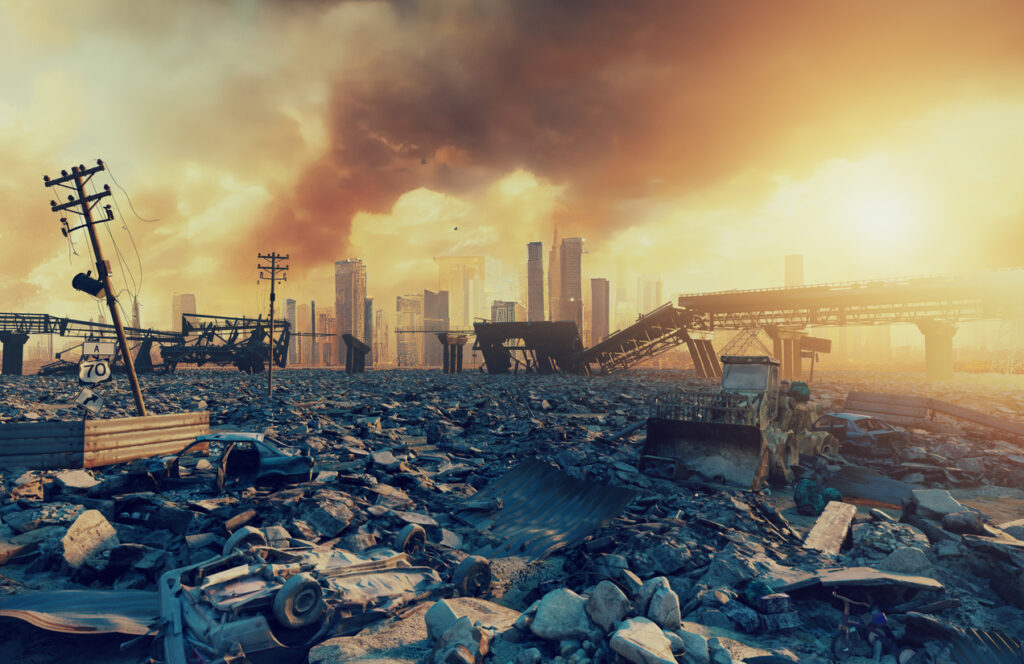
If we all just vanished into thin air tomorrow, the planet wouldn’t spend much time mourning us. Within a few days, the lights would go out as power stations ran out of fuel, and the billions of animals we’ve fenced in would be left to figure out the food chain on their own. It’s a bit of a reality check to realise how much effort we put into holding back the weeds and keeping the water out of our basements.
Without us around to keep things tidy, nature would start reclaiming our cities at a pace that’s actually quite impressive. Concrete would crack, skyscrapers would eventually become vertical forests, and the massive scars we’ve left on the landscape would begin to soften. Roughly 20 years after we’re gone, the streets would look more like botanical gardens, and the air would be cleaner than it’s been since the Industrial Revolution. It’s a fascinating, if slightly humbling, look at how the world would carry on quite happily without us interfering with it.
The first days would be dominated by failing systems.

Within hours, power stations would start shutting down as no one remained to keep them running. Nuclear plants would be the most concerning at first, since many rely on constant cooling systems to prevent overheating. As backup generators ran out of fuel, some reactors would eventually fail, leading to localised meltdowns and radioactive contamination around certain sites.
Elsewhere, cities would go dark. Traffic lights would fail, water pumps would stop, and communication networks would fall silent. Satellites would continue orbiting for a while, but without course corrections, many would eventually burn up in the atmosphere or drift into space. The world wouldn’t end in fire, but in silence and decay.
Domestic animals would face a sudden survival crisis.

Pets and livestock depend heavily on humans for food, shelter, and protection. In the days and weeks after extinction, many would die quickly, especially animals confined indoors or in industrial farming systems. Chickens in sheds, cows in feedlots, and pets locked inside homes would have little chance.
Some animals would adapt. Dogs might form feral packs, especially in rural or suburban areas, while cats would revert more easily to hunting. Select breeds would struggle due to health issues caused by selective breeding, but over time, the survivors would shape a very different animal population.
Cities would start to break apart faster than expected.

Without maintenance, buildings wouldn’t stand for centuries in neat rows. Water would seep into cracks, freeze and expand, rust would spread through steel, and plants would begin forcing their way through roads and foundations. Within a few decades, many cities would look partially reclaimed.
Rivers would flood differently without human-managed drainage systems, undermining bridges and roads. Coastal cities would be especially vulnerable, with rising seas and storms accelerating collapse. Skyscrapers might last longer structurally, but glass, wiring, and interior systems would fail quickly.
Wildlife would move in almost immediately.
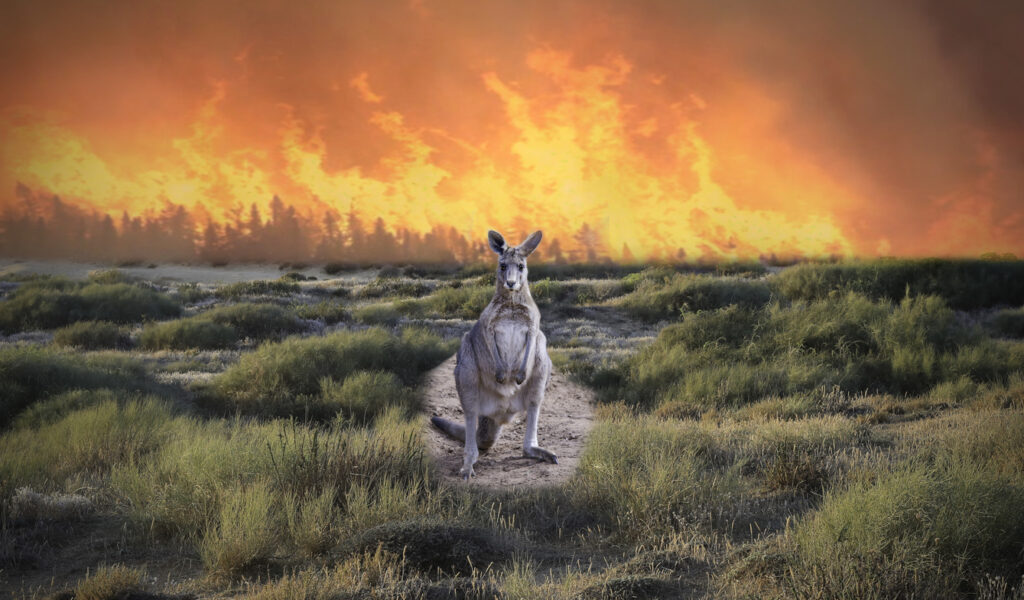
As noise, traffic, and human presence vanished, animals would expand their ranges fast. Urban foxes, deer, birds, and rodents would spread through towns and cities, followed by larger predators in some regions. Places that once felt hostile to wildlife would become corridors and habitats.
This wouldn’t be a gentle takeover. New competition would emerge, invasive species might thrive unchecked, and ecosystems would reorganise rapidly. Some animals would benefit enormously, while others would struggle as familiar human-created niches disappeared.
Air quality would improve within years.
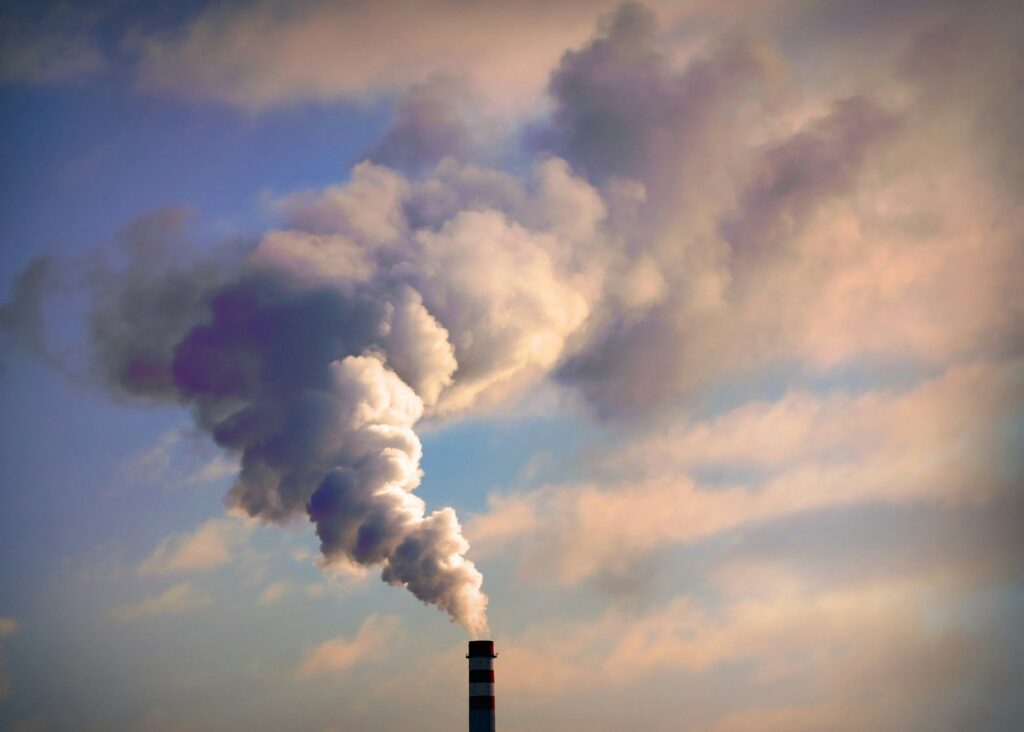
One of the fastest planetary changes would be the drop in air pollution. Without vehicles, factories, or power plants emitting exhaust, particulate matter and nitrogen dioxide levels would fall quickly. Skies over former industrial regions would clear within weeks or months.
Carbon dioxide would take longer to decline because it lingers in the atmosphere, but emissions would effectively stop overnight. Over decades, natural processes like ocean absorption and plant growth would slowly reduce atmospheric carbon levels, though not immediately reverse climate change.
The climate would stabilise, but not reset.
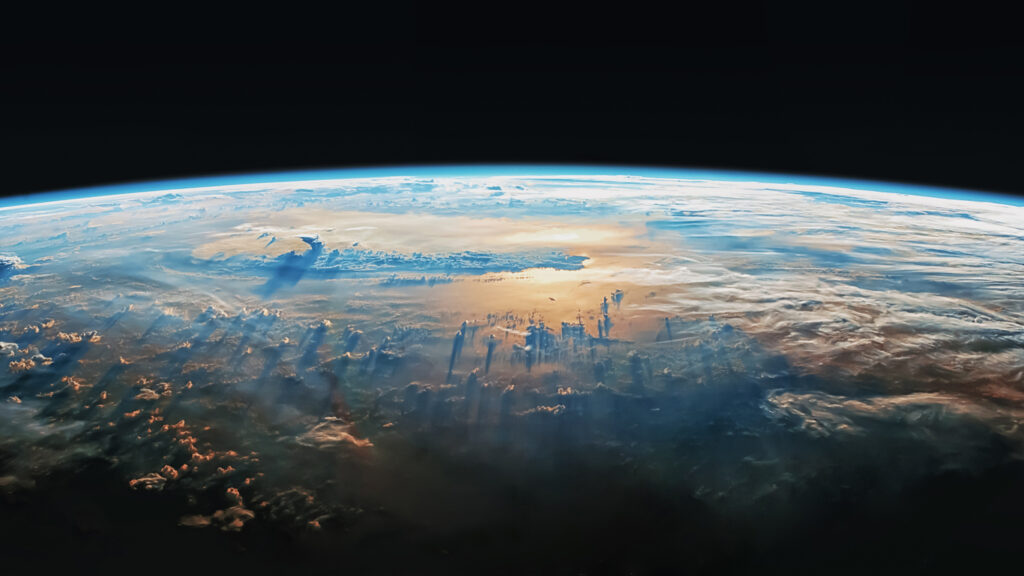
Human extinction wouldn’t instantly undo global warming. The heat already stored in oceans would continue influencing weather patterns for centuries. Ice sheets would keep melting for some time, and sea levels would continue rising even without further emissions.
Eventually, without human interference, Earth’s climate systems would begin settling into new long-term patterns. Forests expanding into former farmland would absorb carbon, and ecosystems would slowly rebalance, but the planet wouldn’t return to a pre-industrial state anytime soon.
Forests would reclaim farmland and suburbs.

Abandoned agricultural land would be among the first areas to change. Without ploughing, grazing, or mowing, grasses would give way to shrubs, then trees. In many regions, forests would return within a century.
The specific plants involved would depend on local conditions, but biodiversity would generally increase. Former monoculture fields would become patchy, layered ecosystems again, shaped by seed dispersal, soil quality, and animal movement.
Oceans would begin to recover unevenly.
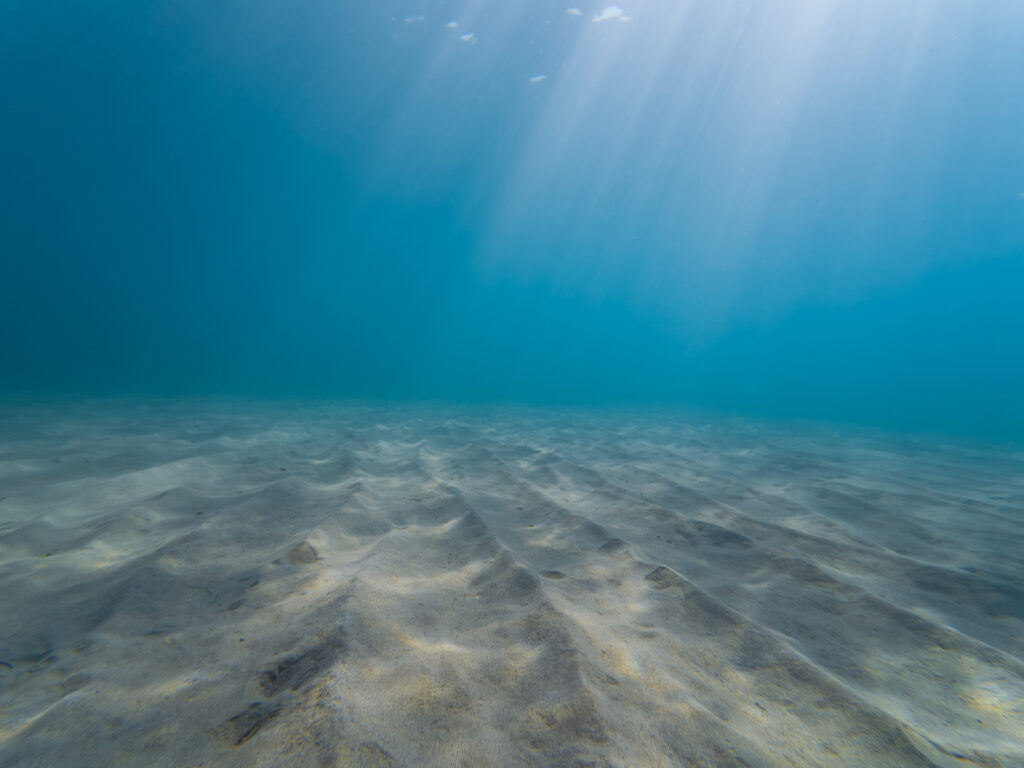
Fishing pressure would vanish overnight, allowing many fish populations to rebound. Some species would recover quickly, especially those with short lifespans. Coral reefs, however, would remain under threat from warming waters and acidification for a long time.
Plastic pollution would still persist. Existing plastics would continue breaking down into microplastics, circulating through marine ecosystems. Without new plastic entering the system, concentrations would eventually decline, but this would take centuries.
Rivers and wetlands would reshape landscapes.
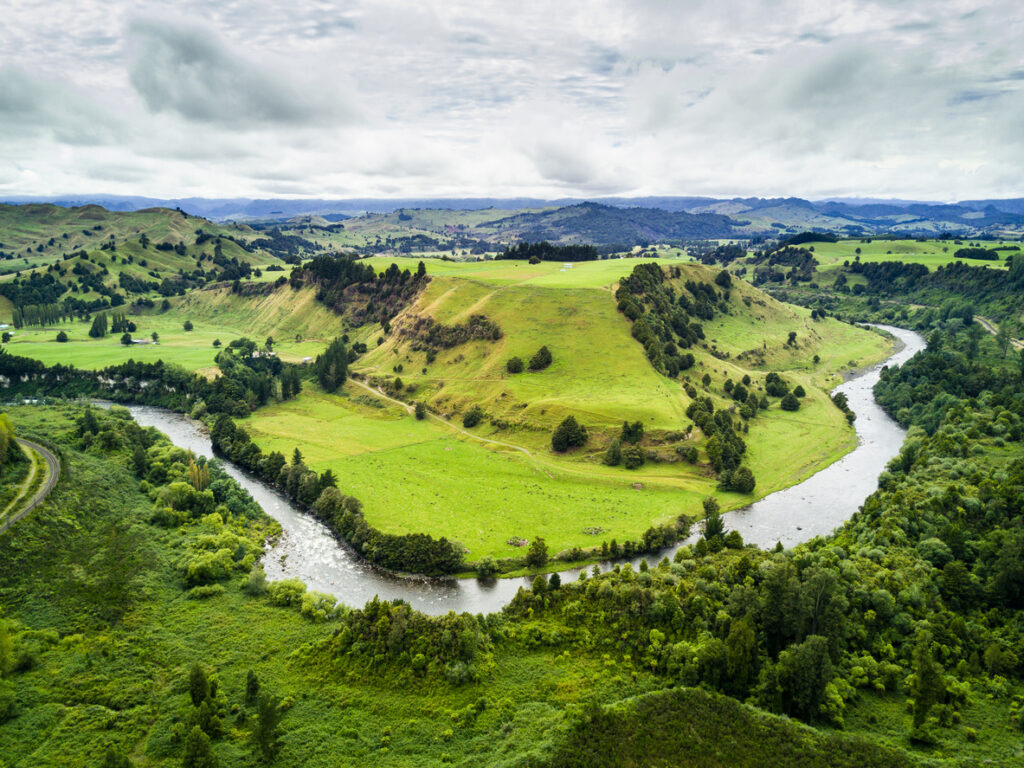
Dams would eventually fail without maintenance, either through structural collapse or erosion. When they did, rivers would return to more natural courses, flooding valleys that had been dry for generations and restoring wetlands downstream.
This would create chaos at first, with sudden flooding and sediment movement, but over time, river systems would stabilise. Wetlands would expand, supporting birds, amphibians, and fish in ways modern landscapes rarely allow.
Invasive species would thrive in some regions.
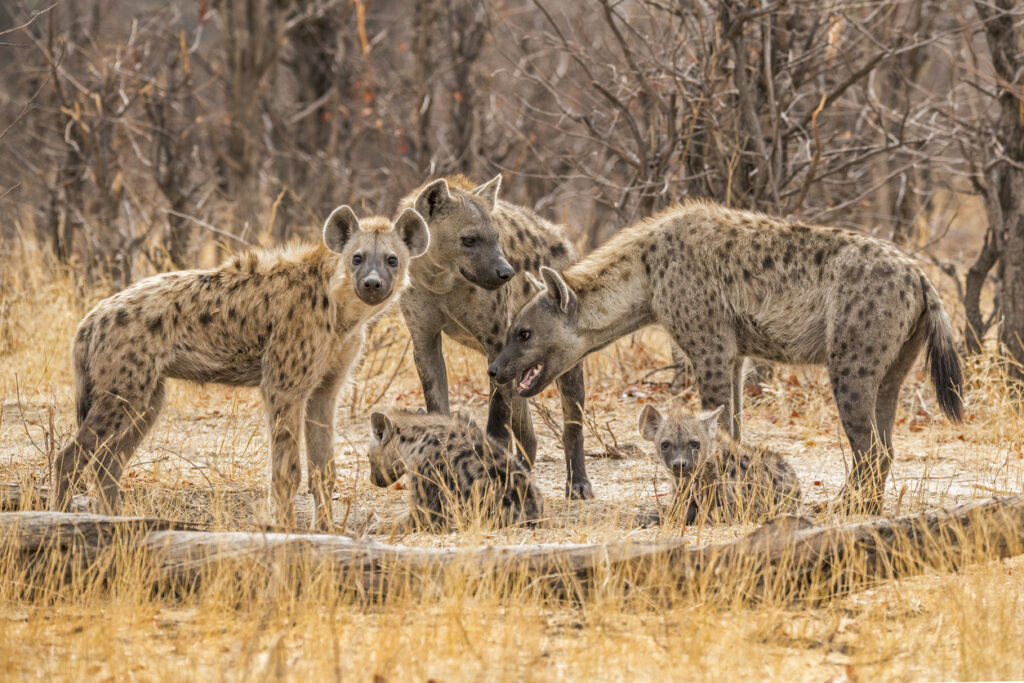
Human extinction wouldn’t automatically favour native species everywhere. Invasive plants and animals that humans had already introduced would still be present, often with competitive advantages. Without active management, some would spread aggressively.
Over long periods, ecosystems would adjust through competition, predation, and disease. Some invasives would dominate permanently, while others would be pushed back as natural checks and balances reasserted themselves.
Large predators would slowly return to former ranges.
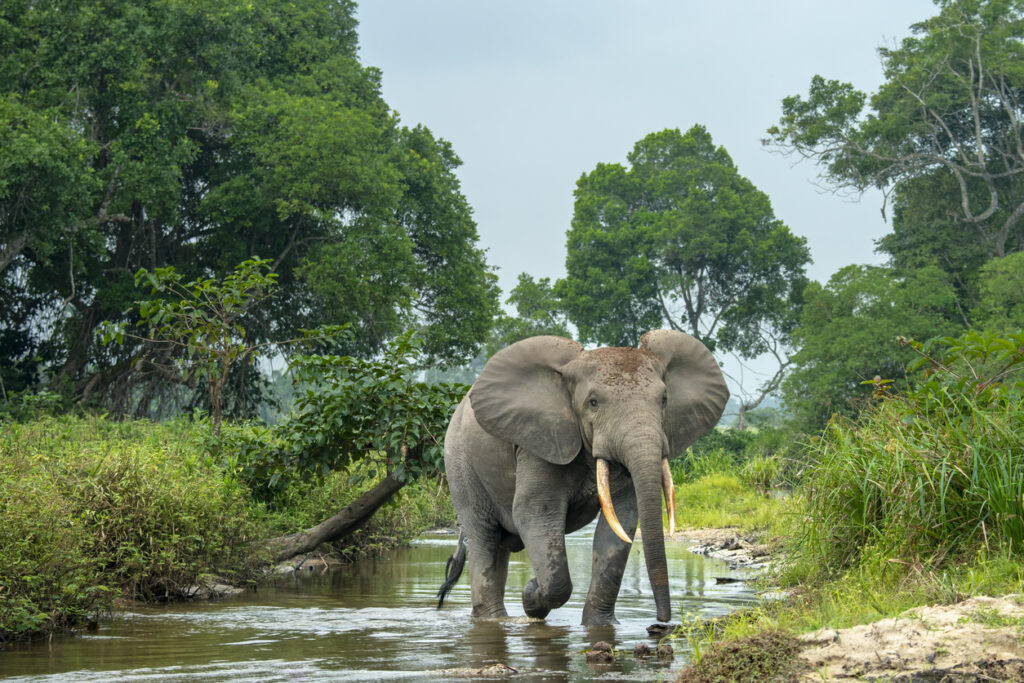
Wolves, big cats, bears, and other apex predators have historically been limited by human activity. Without persecution or habitat fragmentation, many would expand into areas they once occupied.
This would reshape food webs dramatically. Herbivore populations would be controlled more naturally, vegetation patterns would change, and ecosystems would become more complex and dynamic, though not necessarily calmer or more balanced in any simple sense.
Human structures would leave long-term scars.
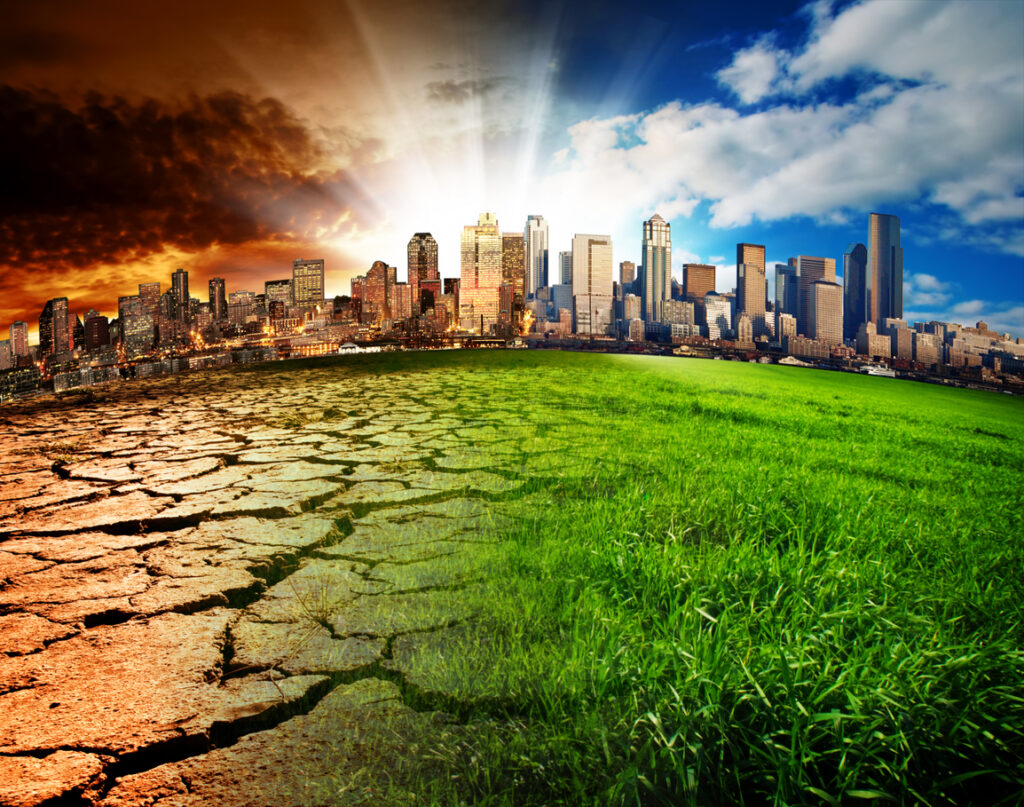
Even after buildings collapse and roads vanish beneath vegetation, traces of humanity would remain. Heavy metals, altered soil chemistry, and radioactive zones would persist in some places for tens of thousands of years.
Landfills would continue leaching chemicals, and plastics would remain embedded in sediments. The planet would adapt around these remnants rather than erasing them completely.
Evolution would respond to a human-free world.

With humans gone, selective pressures would shift. Animals that had adapted to urban environments might lose those advantages, while others would flourish in newly connected habitats. Behaviour, body size, and social structures would change over many generations.
New species could eventually emerge, shaped by environments we left behind. Evolution wouldn’t aim for harmony, only survival, producing outcomes that would likely feel unfamiliar and unpredictable.
Earth would continue, indifferent but altered.
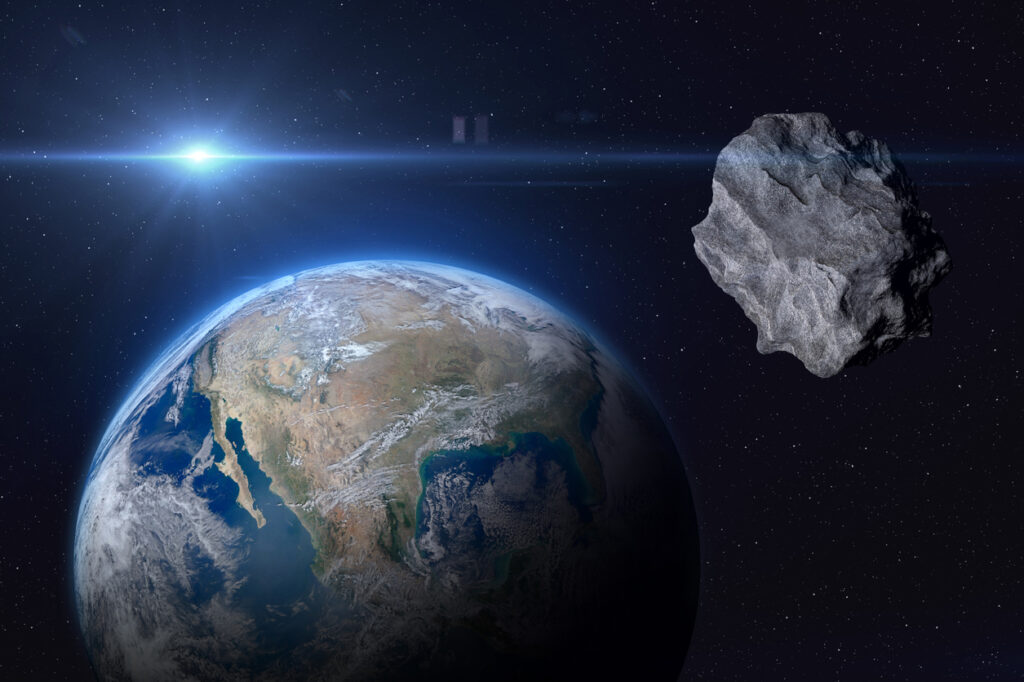
The planet doesn’t need humans to function, but it has been shaped by us in lasting ways. Life would persist, adapt, and diversify, following rules far older than civilisation.
The story wouldn’t be one of instant recovery or moral resolution. It would be a long, complex process of adjustment, where some damage fades, some remains, and the rest becomes part of Earth’s ongoing history.