We like to think we’re the ones running the show, but you only have to look at a proper storm or a tiny virus to realise we’re not as in charge as we’d like to believe.

Most of us spend our days tucked away in boxes, staring at screens, and acting like the world is just a background for our own dramas. It’s a bit of a shock to the system when you realise that the earth has been doing its thing for millions of years before we turned up and will likely keep at it long after we’re gone.
This isn’t some massive “end of the world” lecture here, but rather an acknowledgement of the realisation that moves you away from thinking you’re the main character in a story that’s actually billions of years old. When you stop acting like the planet is just a resource to be used and start seeing it as a massive, living system that we just happen to be part of, you get a much better handle on where you actually fit in.
Most life on Earth exists without ever interacting with humans.

The vast majority of organisms on this planet will never see a human, sense a human, or be affected by one directly. Deep oceans, underground ecosystems, remote forests, and microscopic worlds carry on entirely outside our awareness. Life thrives in places we can’t survive and often can’t even reach. That reality alone challenges the idea that humans are central. A system where most activity happens without you is not one built around you. We’re participants, not organisers, and often not even noticed.
Ecosystems don’t collapse when humans disappear.

When humans leave an area, nature doesn’t pause in confusion. Instead, it reorganises. Abandoned cities quickly fill with plants, insects, birds, and mammals adapting to the space. Life doesn’t wait for permission. In many cases, ecosystems stabilise or even improve without constant human interference. That doesn’t make humans evil, but it does show we’re not essential for balance. Nature knows how to function without us.
Evolution has never aimed toward humanity.

It’s tempting to think of humans as the end goal of evolution, but evolution doesn’t work like a ladder. It’s a branching process shaped by survival, chance, and environment, not destiny. Humans are just one outcome among millions, not the final product. If conditions had changed slightly differently, we wouldn’t exist at all, and life would still be unfolding in other forms.
Other species shape the planet more than we do.
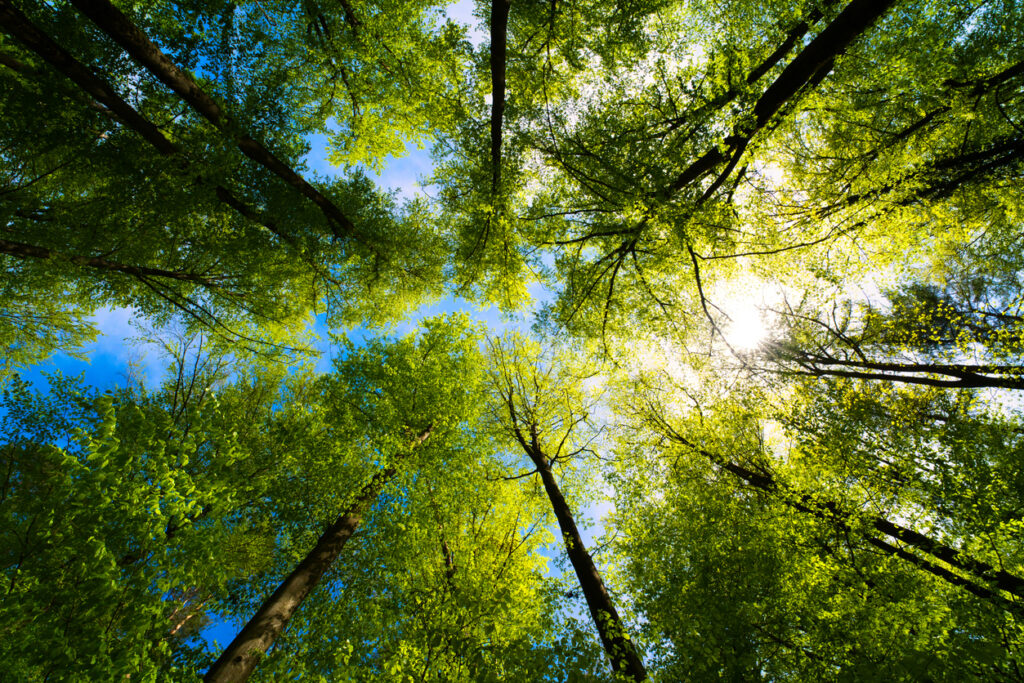
Tiny organisms like plankton regulate oxygen, carbon, and climate on a scale humans can’t replicate. Fungi quietly manage nutrient cycles beneath our feet, holding ecosystems together without recognition. These species don’t dominate headlines, but without them, life collapses. The planet’s most important players are often invisible and indifferent to us.
Nature doesn’t prioritise human comfort.
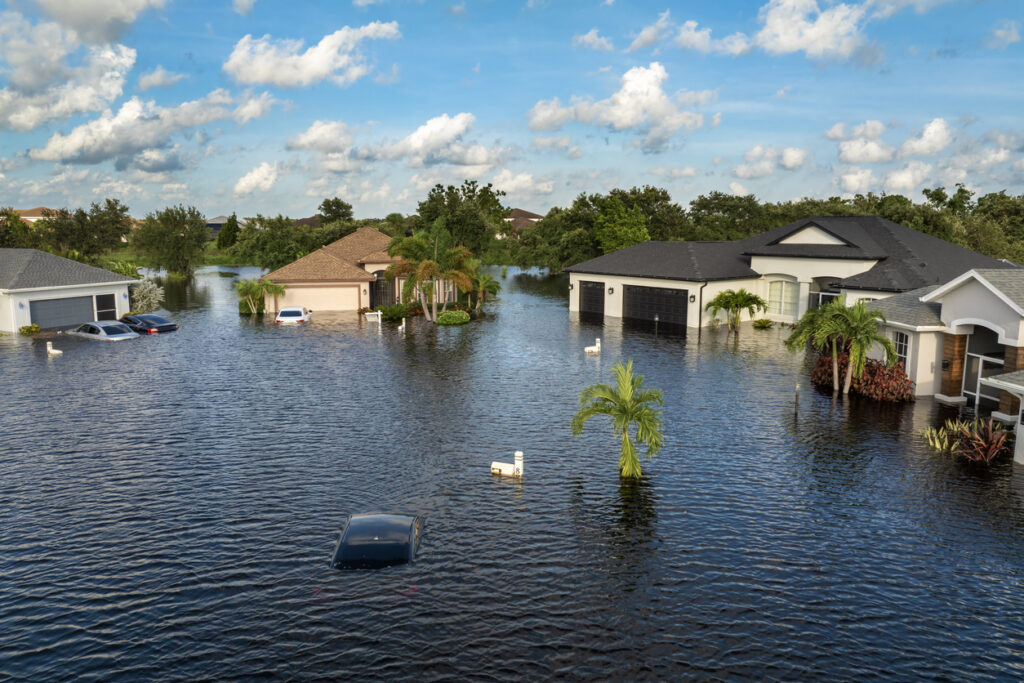
Weather systems, tectonic shifts, disease, and natural disasters operate without regard for human plans. Floods don’t avoid cities. Heatwaves don’t adjust for work schedules. That lack of accommodation reminds us that nature isn’t built around human needs. We adapt to it, not the other way around, no matter how advanced we think we are.
Intelligence isn’t unique to humans.
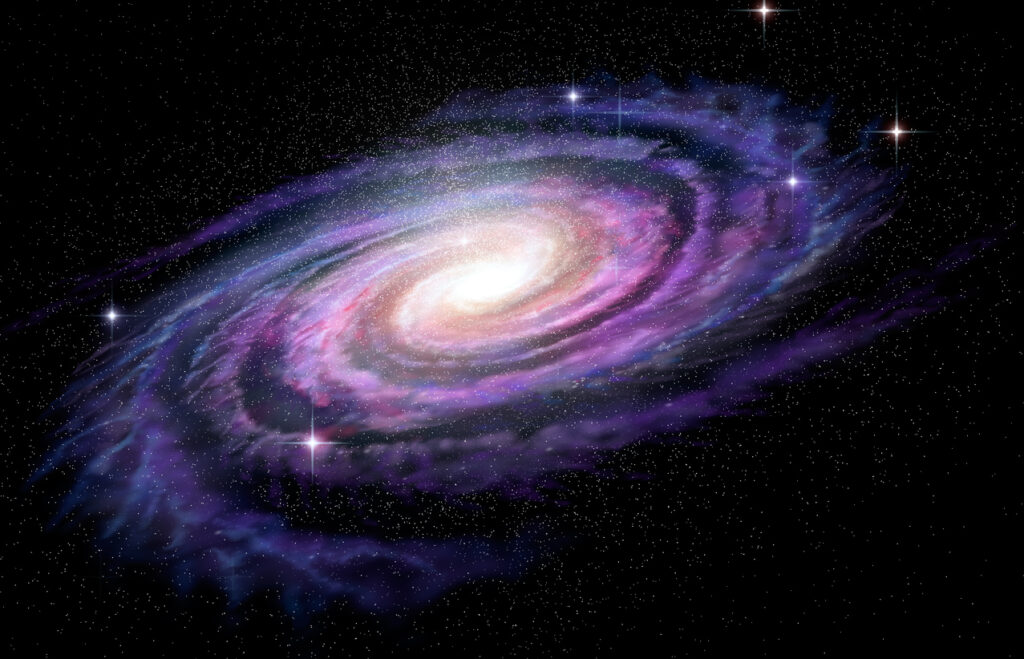
Humans often define intelligence in ways that flatter us. Problem-solving, communication, memory, and emotional awareness exist across many species, just expressed differently. When intelligence is viewed more broadly, humans stop looking like the sole thinkers on Earth. We’re one version of cognition, not the benchmark for all life.
The planet’s timeline barely includes us.
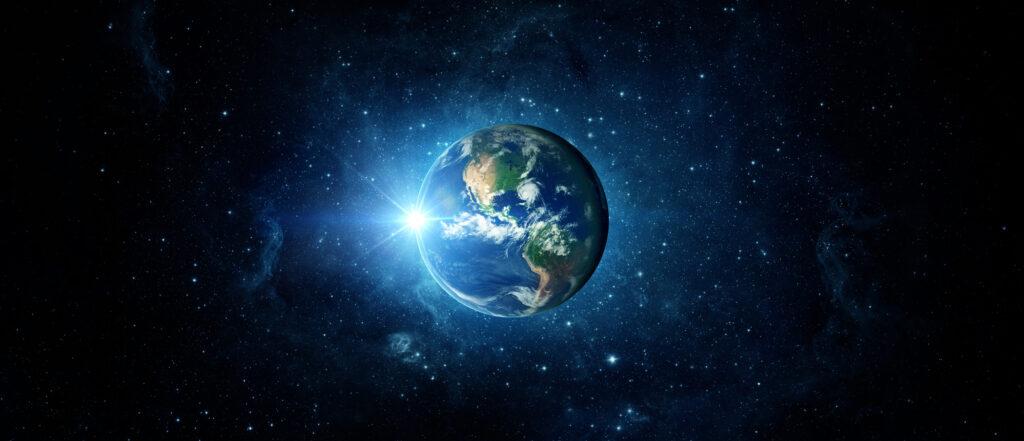
Earth is billions of years old. Humans have existed for a fraction of that time, and modern civilisation for an even smaller slice. Most of Earth’s story happened without us. Seen through that lens, it’s hard to argue we’re the main event. We’re a brief chapter, not the whole book.
Nature adapts to human damage rather than centring us.
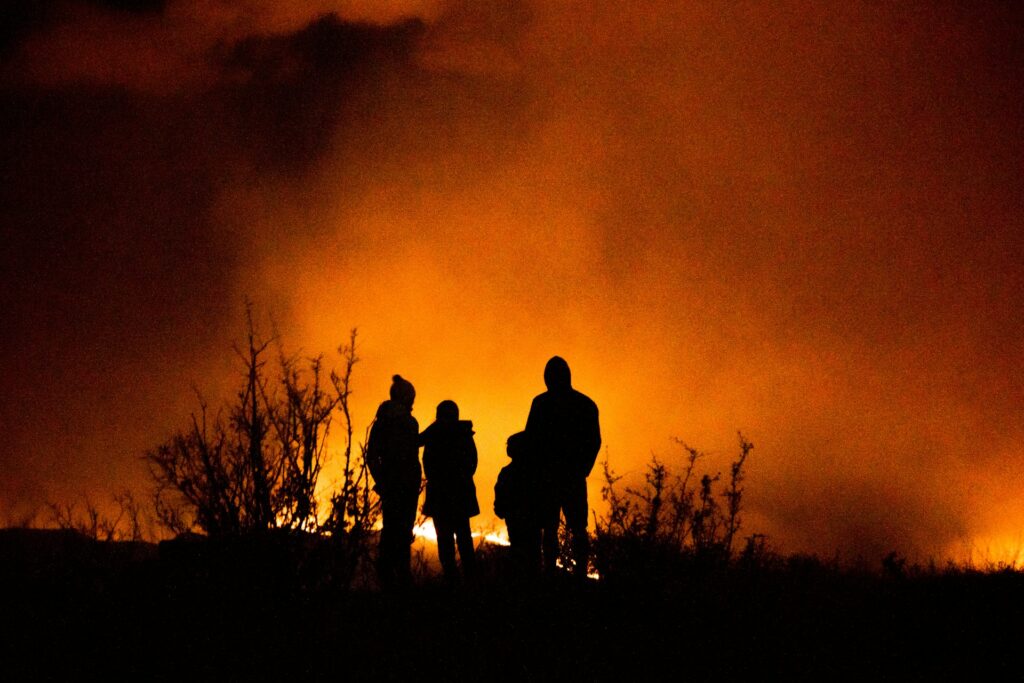
Even when humans alter environments, nature responds by adapting, mutating, or reorganising. Some species decline, others rise, and new balances form. This doesn’t excuse destruction, but it shows resilience that doesn’t depend on human intention. Nature adjusts around us, not for us.
Most natural processes don’t benefit humans at all.

Predation, decay, parasitism, and competition are fundamental parts of life. They’re not designed to feel fair, moral, or useful from a human perspective. These processes exist because they sustain ecosystems, not because they help us. The natural world runs on function, not empathy.
Humans are biologically ordinary.
Strip away culture and technology, and humans are just another mammal with specific limitations. We need oxygen, water, food, and stable temperatures like countless other species. Our bodies aren’t especially durable, fast, or resilient. Our success comes from cooperation and tools, not biological superiority.
Nature doesn’t recognise human meaning.
Human concepts like purpose, success, or legacy don’t register in natural systems. A forest doesn’t care if it’s admired. A species doesn’t exist to inspire, you know. Meaning is something humans create internally. Nature simply continues, indifferent to our stories about it.
Life will continue after humans.
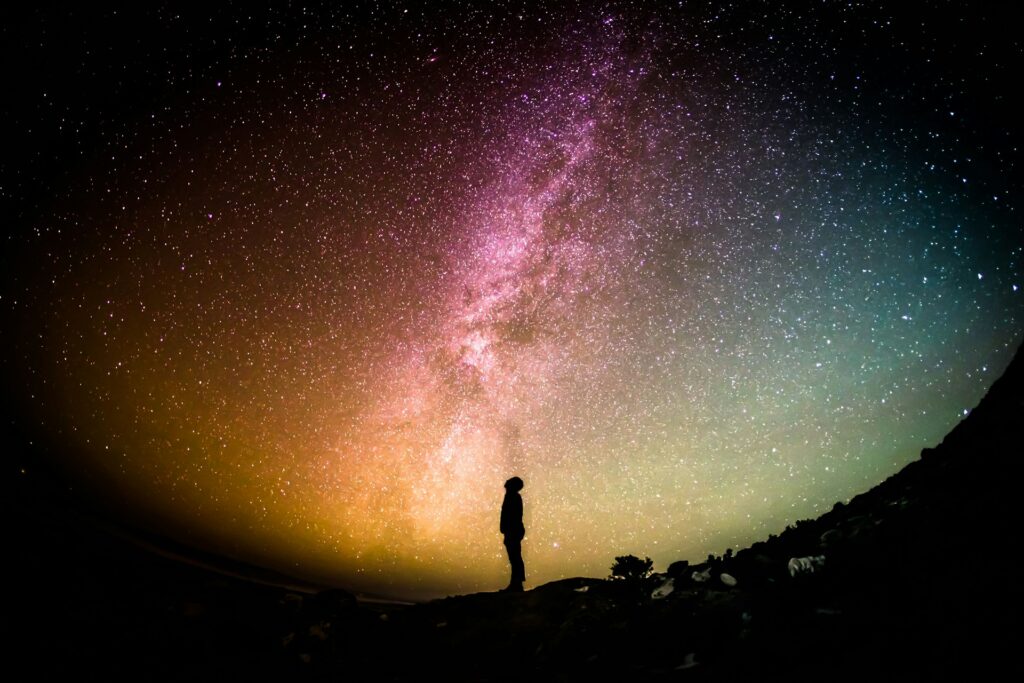
If humans disappeared tomorrow, life wouldn’t end. It would reorganise, diversify, and move forward in new directions, just as it always has after mass extinctions. That future wouldn’t be built around remembering us. It would simply be life doing what it has always done, continuing without a centre.
Humans are remarkable, creative, and capable of deep understanding, but that doesn’t place us at the heart of the natural world. We exist within it, shaped by it, and dependent on it, not above it or central to it. Recognising that isn’t humbling in a bleak way. It’s grounding, and maybe even freeing.