Space looks like the ultimate free-for-all: no borders, no fences, no neighbours complaining if you float a bit too close. It’s easy to assume that once you leave Earth, all the usual rules fall away with gravity. In reality, space is one of the most tightly governed places humans operate, even though almost none of those rules are visible when you look up at the night sky.
What makes space law interesting is how much it tries to get ahead of human nature. Who owns what, who’s responsible when something goes wrong, and how far ambition is allowed to run before it causes real damage back on Earth are all pretty well regulated. These laws shape everything from satellites and space stations to mining plans and military restraint. Most people never think about them, but they decide what’s allowed, what’s off-limits, and where the lines get drawn once the planet drops away beneath you.
The Outer Space Treaty sets the foundation.
This 1967 treaty is the main legal framework for space activities, and it’s been signed by over 110 countries, including all the major space powers. It establishes that outer space belongs to all of humanity and can’t be claimed by any one nation, which means no country can plant a flag on the Moon and declare it their territory.
The treaty also bans placing nuclear weapons or any other weapons of mass destruction in orbit or on celestial bodies, though conventional weapons aren’t specifically prohibited. It makes countries responsible for anything their citizens or companies do in space, so if a private company launches something, their home government is legally accountable for it.
@isi_space Space law exists? 👀👩🏼⚖️👩🏼🚀 The answer may surprise you! ☝🏼 #IsiSpace #SpaceGirl #space #newspace #womeninspace #spaceoutreach #astropreneur #spacegeneration #spacelaw #space4women #dyslexictalent #neverstoplookingup #bettereveryday #spaceeducation #tospaceforearth #diversity #sdggoals #aerospace #astronaut ♬ original sound – Isi Casas del Valle Pacheco
You can’t own celestial bodies, but you can own what you extract.
While the Outer Space Treaty says no nation can claim sovereignty over the Moon or asteroids, recent laws in countries like the United States and Luxembourg have clarified that private companies can own resources they mine from space. This is a bit of a legal grey area because the treaty doesn’t specifically address commercial extraction, and some countries argue this violates the spirit of space being the “common heritage of mankind.”
The 2015 US SPACE Act explicitly allows American companies to keep and sell materials they extract from asteroids or other celestial bodies, which has opened the door for potential space mining operations, even though the legal framework remains disputed internationally.
You’re responsible for space debris you create.
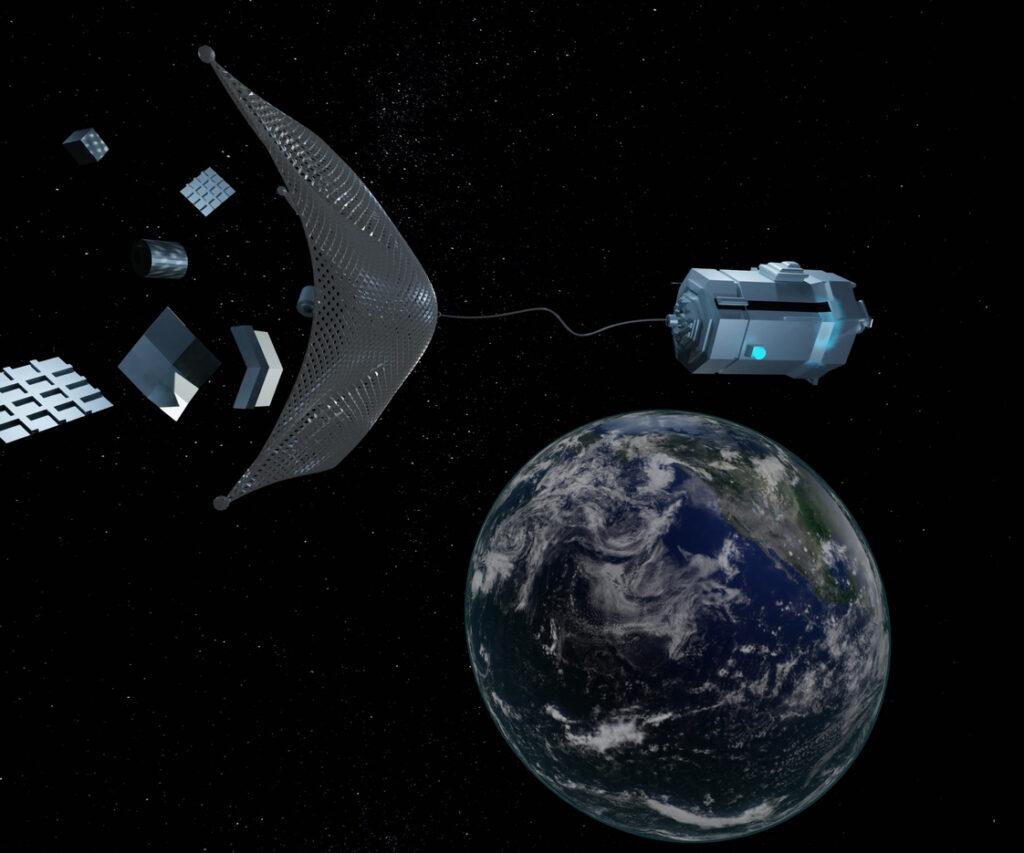
The Liability Convention of 1972 makes countries financially responsible for damage caused by their space objects, whether it’s a functioning satellite or a piece of debris. If a defunct satellite or rocket part crashes into someone else’s spacecraft or falls to Earth and causes damage, the launching country is liable and can be sued for compensation.
This becomes complicated with commercial launches because the private company might be operating the mission, but the government is legally on the hook internationally. There’s currently no enforcement mechanism that forces countries to clean up their space junk, which is why Earth’s orbit is increasingly cluttered with defunct satellites and debris that pose collision risks.
You need permission to launch anything into space.
Every country that’s signed the Outer Space Treaty has to authorise and supervise any space activities conducted by its citizens or companies. In the UK, you need a licence from the UK Space Agency to launch anything, and in the US, you need approval from the Federal Aviation Administration for launches and from other agencies depending on what you’re launching.
The licensing process involves safety reviews, environmental assessments, and checks to make sure your mission complies with international treaties. You can’t just build a rocket in your back garden and launch it without government approval, even if it’s entirely privately funded.
@lawbymike What Happens If You Break The Law In Outer Space? #astronaut #outerspace #science #law #lawyer ♬ original sound – Law By Mike
Military activities aren’t completely banned.
While weapons of mass destruction are prohibited in space, the Outer Space Treaty doesn’t ban military activities entirely. Countries can use space for reconnaissance, communication, and navigation purposes, which is why military satellites are completely legal and widely used.
Conventional weapons and military personnel are allowed on celestial bodies as long as they’re there for peaceful purposes, though what counts as “peaceful” is deliberately vague in the treaty. Anti-satellite weapons that destroy satellites are technically legal under current international law, though they create massive amounts of dangerous debris and several countries have called for bans on them.
Astronauts are considered envoys of mankind.

The Rescue Agreement of 1968 treats astronauts as “envoys of mankind” and requires countries to help them if they land in foreign territory or at sea in distress. This means if a spacecraft makes an emergency landing in another country, that nation is legally obligated to assist the crew and return them safely to their home country.
The agreement also requires countries to notify the launching authority if they find a space object that’s landed on their territory and to return it if requested. This was particularly relevant during the Cold War, when there was concern about astronauts or cosmonauts landing in hostile territory.
You have to register your space objects.
The Registration Convention of 1976 requires countries to maintain registries of objects they launch into space and to provide information about them to the United Nations. This includes details like the launch date, orbital parameters, and the general function of the object.
The idea is to create transparency about what’s in orbit and who’s responsible for it, though compliance is patchy, and many countries don’t provide detailed information about military satellites. The registry helps determine liability if something goes wrong and theoretically helps track what’s orbiting Earth, though there are thousands of unregistered objects floating around.
The Moon Agreement tried to establish resource sharing.

The Moon Agreement of 1984 attempted to establish that the Moon and its resources are the “common heritage of mankind” and should benefit all countries, not just those with space capabilities. It proposed an international regime to govern exploitation of lunar resources once that became feasible, with benefits shared among all nations.
The problem is that hardly anyone signed it—major space powers including the United States, Russia, and China aren’t parties to it, which makes it basically irrelevant in practice. Countries are moving ahead with plans for lunar bases and resource extraction, regardless of what this agreement says.
Broadcasting from space needs coordination.
The International Telecommunication Union allocates radio frequencies and orbital slots for satellites to prevent interference and overcrowding. Countries have to coordinate their satellite broadcasts and make sure they’re not using frequencies that would jam other nations’ communications or scientific observations. Geostationary orbit slots are particularly valuable and contested because there’s limited space where satellites can maintain a fixed position over Earth. This isn’t exactly a law with enforcement mechanisms, but there’s strong international cooperation because everyone benefits from organised use of the electromagnetic spectrum and orbital space.
National laws fill in the gaps.
Because international space law is quite vague and limited, individual countries have passed their own legislation to regulate space activities more specifically. These national laws cover things like export controls on space technology, safety standards for launches, environmental protections, and requirements for insurance and liability coverage.
In the UK, the Space Industry Act 2018 established the regulatory framework for commercial spaceflight and satellite operations. Companies doing business in space have to navigate both international treaties and the national laws of any country they’re operating from or selling services to, which creates a complex legal landscape as space becomes increasingly commercialised.
Space law is still evolving as technology advances faster than international agreements can keep up. What’s legal today might change as more countries and companies get involved in space activities.