There are places, animals, and entire systems that people used to visit without thinking twice.
They weren’t thought of as a once-in-a-lifetime trip or a final chance, just something you could go and see if you had the time and the means. Photos exist, as do old documentaries and firsthand memories exist. What no longer exists is the option to stand there yourself and experience them as they once were.
What’s unsettling isn’t only what’s gone, but how recently it slipped out of reach. In many cases, the change happened within a single lifetime, sometimes within a couple of decades. These losses don’t always announce themselves with a clear ending. They thin out, retreat, collapse, or transform into something else entirely. By the time most people realise what’s happened, the window has already closed, and the natural world they imagined visiting now survives only in records, fragments, and secondhand descriptions.
1. Wild herds of passenger pigeons darkening the sky

The passenger pigeon once existed in numbers so vast they reshaped entire forests. Flocks stretched for miles and took hours to pass overhead, blotting out sunlight and bending branches under their weight. Early accounts describe skies that turned dark at midday as the birds moved together like weather.
That experience is gone forever. The last passenger pigeon died in captivity in 1914. No photograph, documentary, or reconstruction can recreate what it felt like to stand under a living sky. It wasn’t just a species that vanished, but a natural phenomenon that changed how landscapes functioned.
2. Coral reefs in their original living state
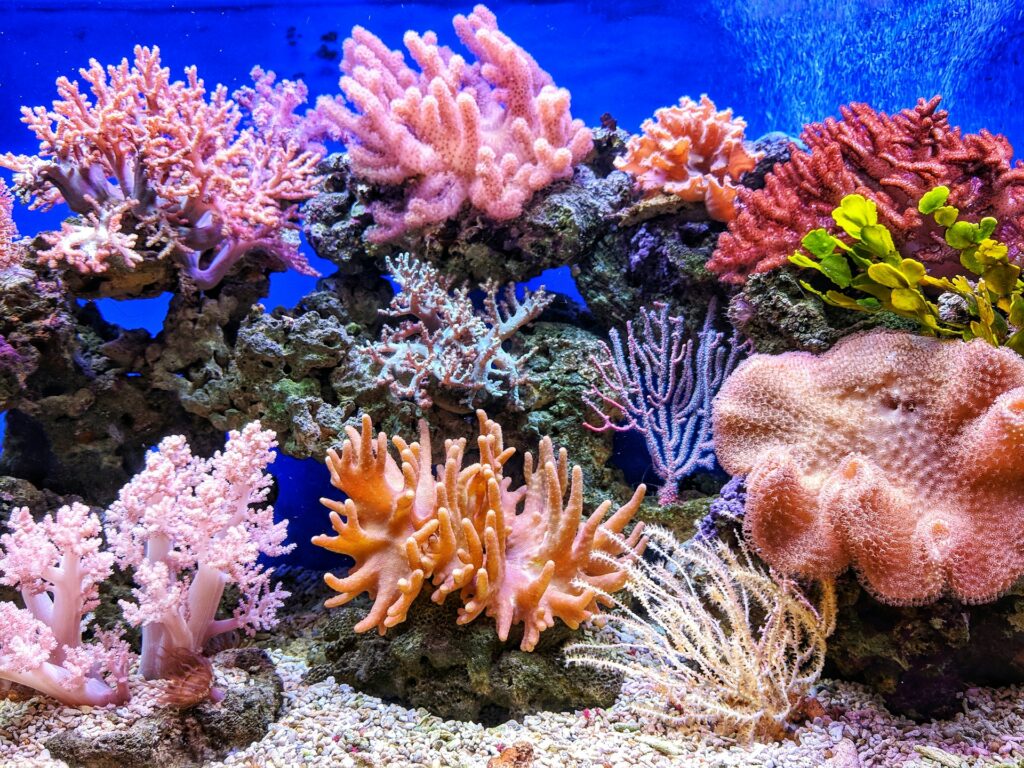
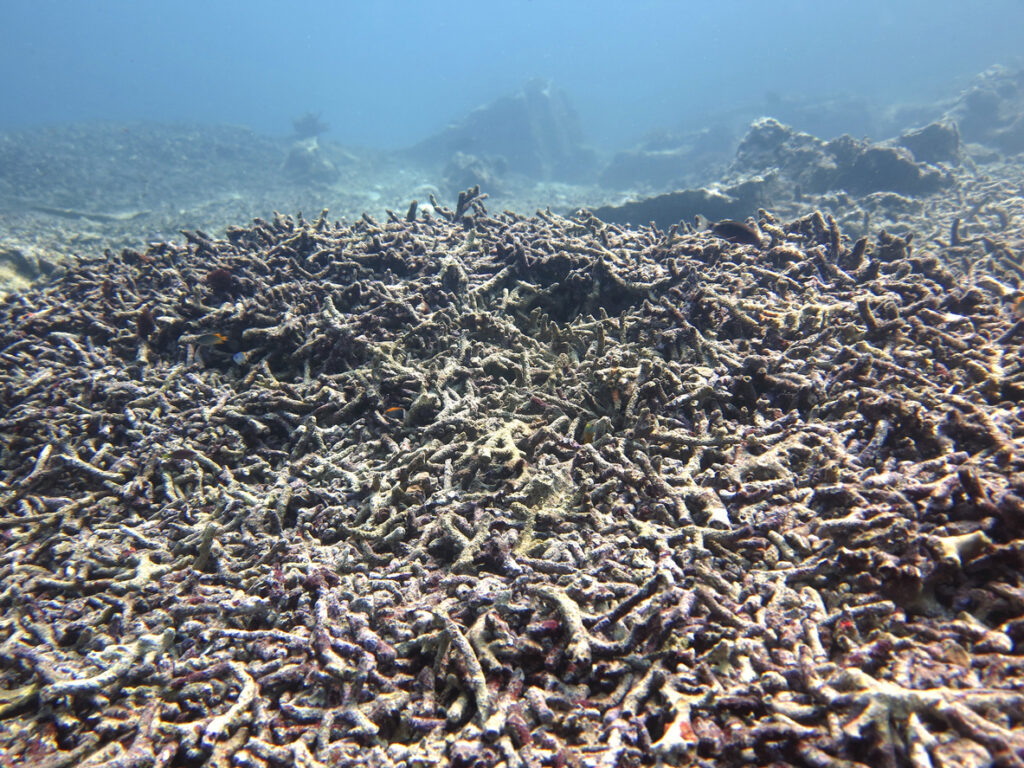
Many coral reefs still exist on maps, but their living complexity is already lost. Once-vibrant reefs were dense with colour, movement, and sound, supporting thousands of species in tight balance.
Mass bleaching events have stripped reefs of that life faster than recovery can keep up. Even protected reefs now offer a shadow of what divers once saw just decades ago. What’s gone isn’t only coral, but the entire living architecture it supported.
3. Old-growth forests untouched by modern industry
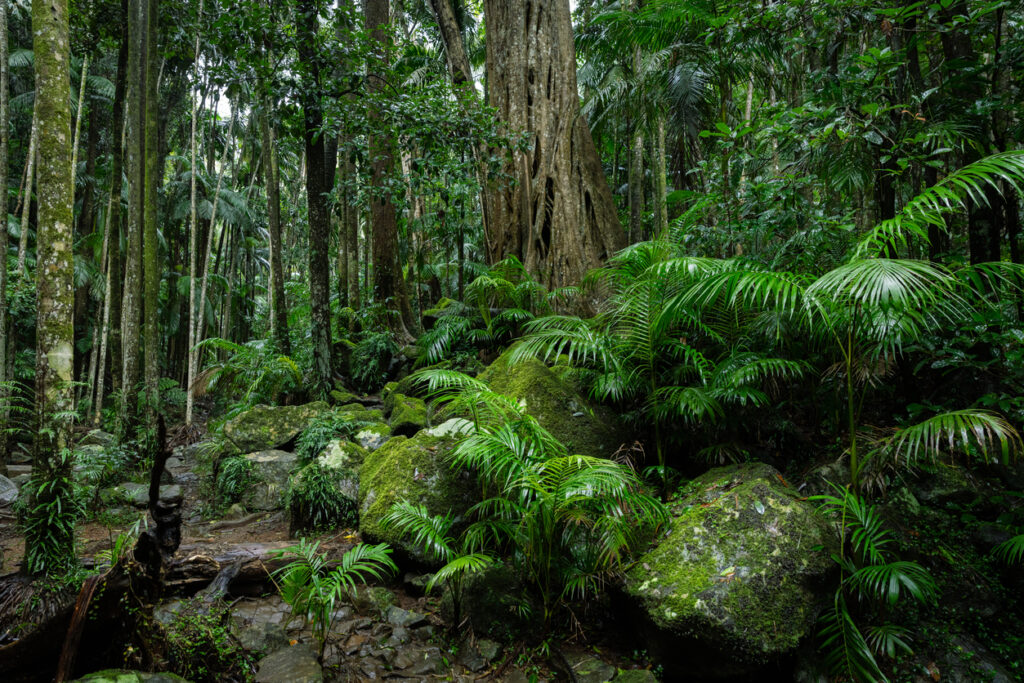
True old-growth forests developed over centuries without logging, roads, or large-scale human interference. Trees grew, died, and fell in layered cycles, creating dense habitats full of fungi, insects, birds, and mammals.
Most remaining forests are regrowth, even when they look ancient. The original complexity, soil depth, and ecological memory of untouched forests can’t be recreated once cleared. Walking through one today simply isn’t possible in most of the world.
4. The original abundance of the Great Plains wildlife
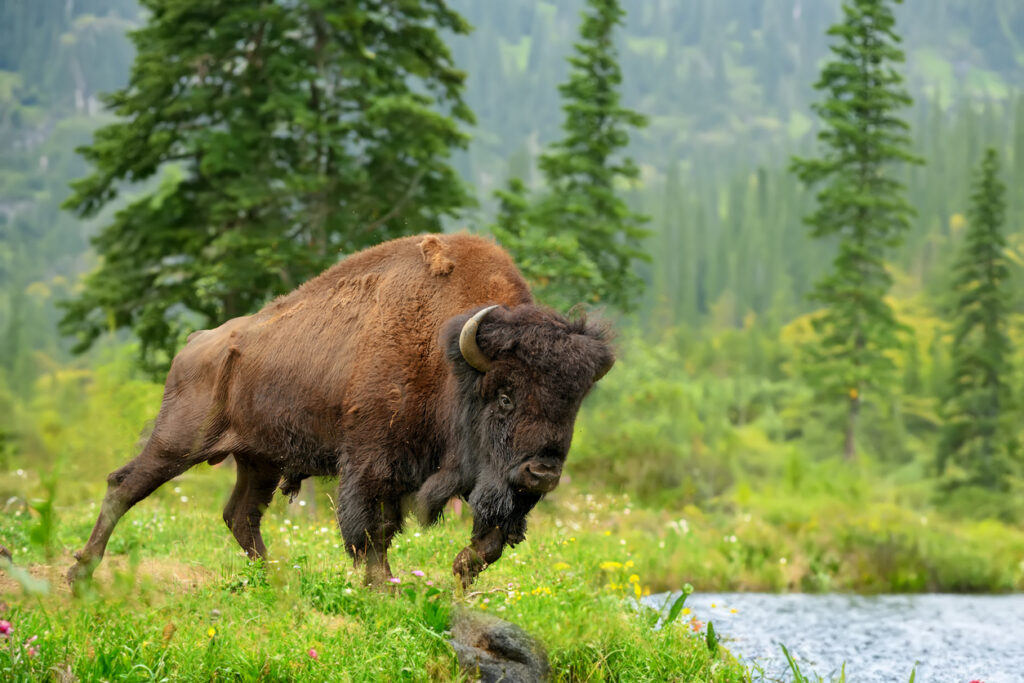
Before large-scale settlement, the Great Plains supported enormous migrations of bison, predators, birds, and grazing animals that reshaped the land through movement alone. While bison still exist, the living system they once anchored has been dismantled. Fences, farming, and fragmentation mean the plains will never again host wildlife at that scale or intensity.
5. European rivers full of migratory fish
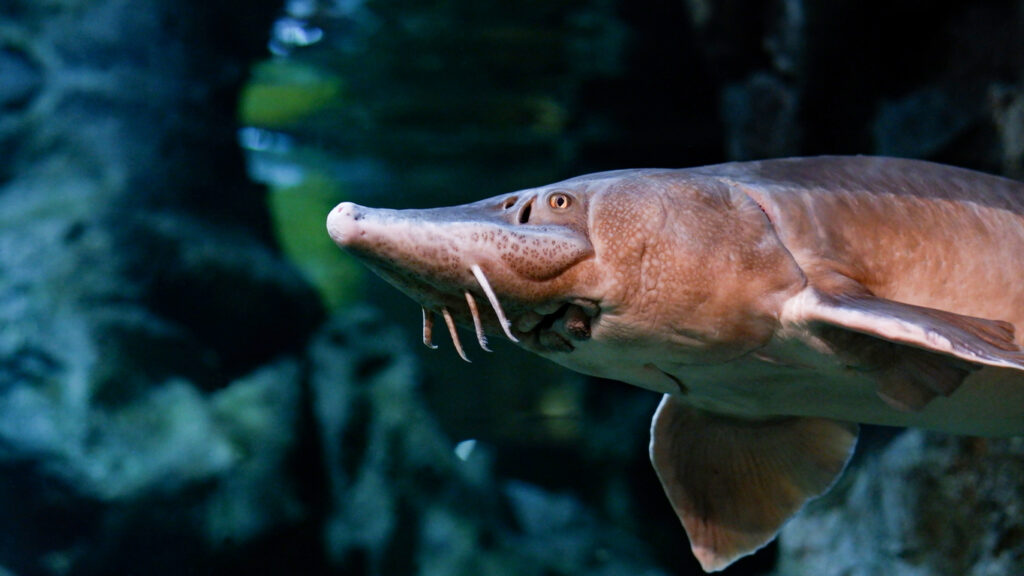
Rivers across Europe once carried massive seasonal runs of salmon, sturgeon, and eels far inland. Communities were built around these migrations, which fed both people and ecosystems. Dams, pollution, and habitat loss have broken those routes. Even restored rivers rarely support migrations at historical levels. The sight of rivers boiling with fish is something modern Europe has already lost.
6. The Tasmanian tiger in the wild
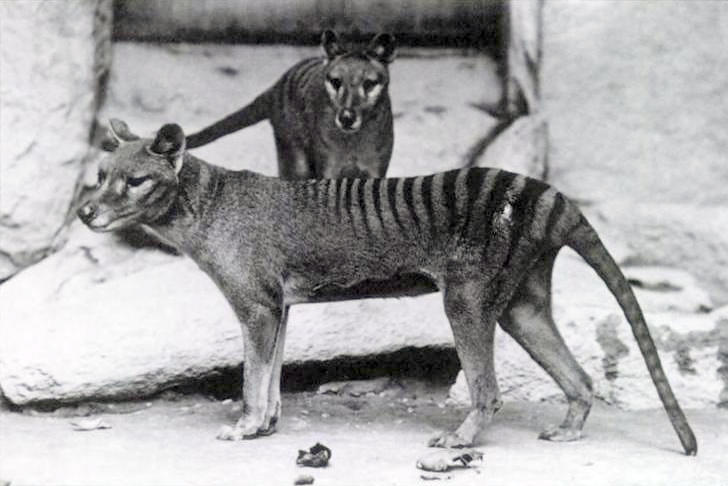
The Tasmanian tiger, or thylacine, was a top predator with a unique role in Australia’s ecosystem. It survived into the 20th century, with the last known individual dying in captivity in 1936. Although sightings are still rumoured, there is no verified wild population. Seeing one alive, moving through its natural habitat, is no longer possible. Its disappearance reshaped Tasmania’s ecological balance in ways still felt today.
7. Polar ice landscapes as they once existed
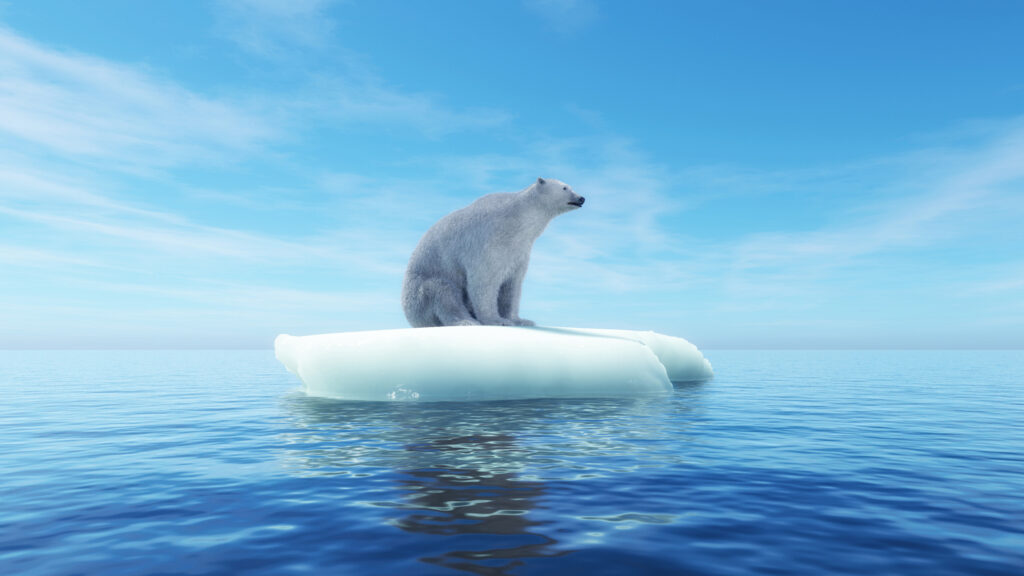
Polar regions used to be defined by vast, stable ice systems that changed slowly over centuries. Ice shelves, sea ice, and glaciers formed predictable patterns that shaped marine life and climate. Those systems are now breaking apart within decades. Even if ice remains, the scale, thickness, and permanence that once defined polar environments are already gone from human experience.
8. Island ecosystems before invasive species arrived
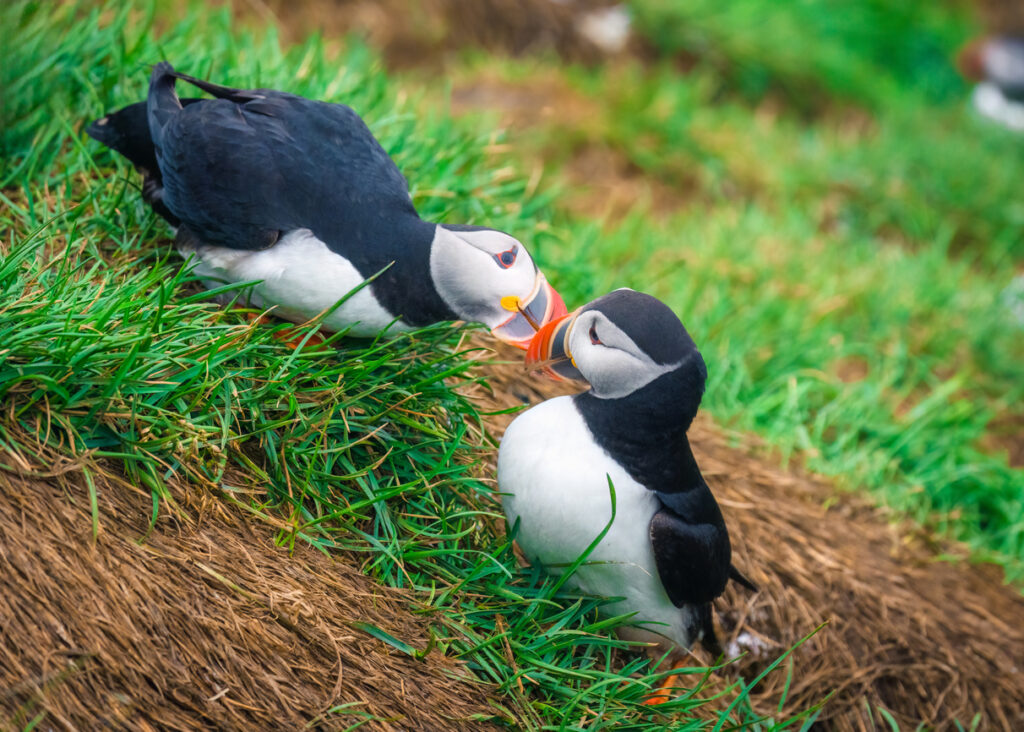
Many islands evolved in isolation, producing species found nowhere else. Birds nested on the ground, plants lacked defences, and ecosystems operated without mammalian predators. Once invasive species arrived, those systems collapsed quickly. Even where conservation work continues, the original balance can’t be restored. The untouched versions of these ecosystems no longer exist anywhere.
9. Ancient peat bogs in their original condition
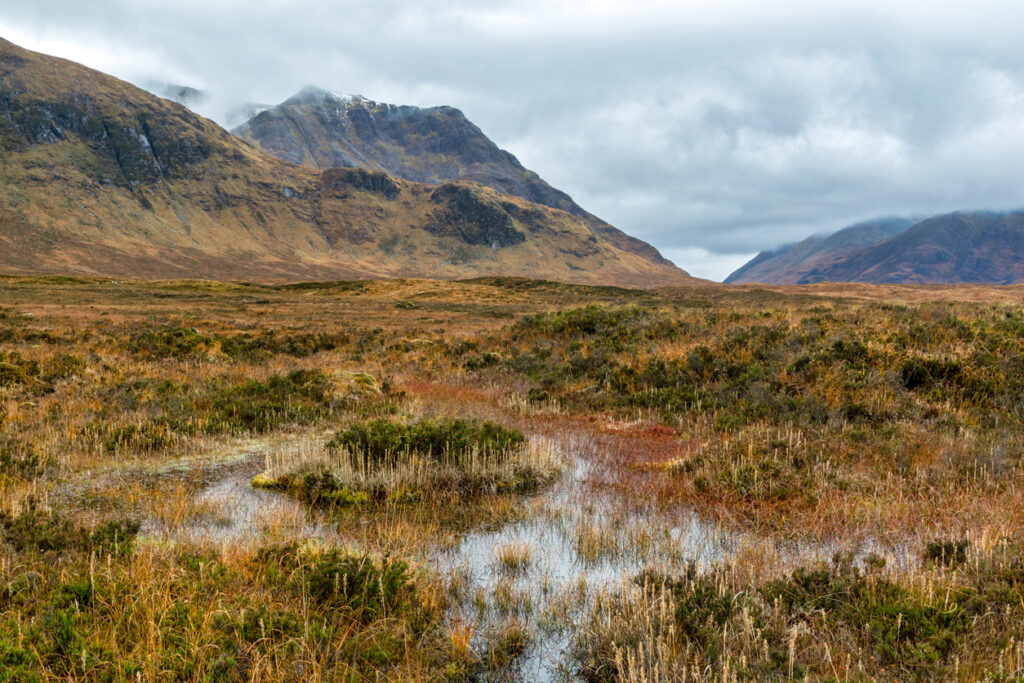
Peat bogs formed over thousands of years, storing carbon and supporting rare plant and insect life. They acted as natural climate regulators long before people understood their role. Drainage and extraction destroyed many bogs faster than they can regenerate. Restoration helps, but the deep, ancient layers that took millennia to form are already lost.
10. Large predators functioning normally across continents

Wolves, big cats, bears, and other apex predators once shaped ecosystems through presence alone. Their movements controlled prey behaviour and maintained balance across huge areas. Today, most survive only in fragments, reserves, or heavily managed populations. Seeing predators fully integrated into vast, uninterrupted ecosystems is something modern humans no longer experience.
11. Night skies untouched by light pollution
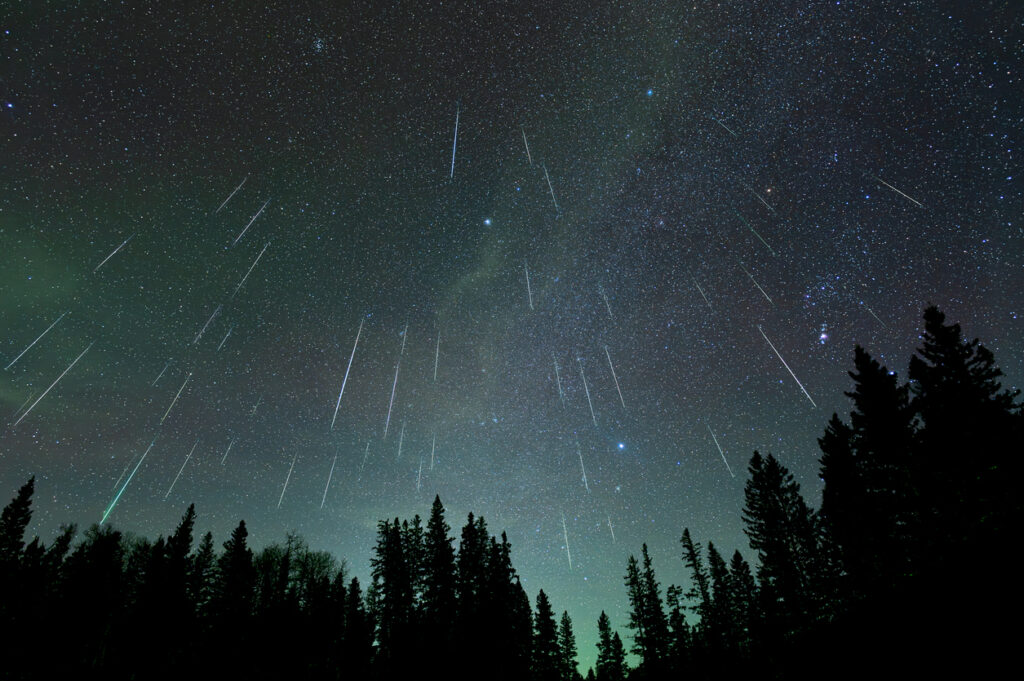
For most of human history, the night sky was a shared experience filled with stars, planets, and the Milky Way. It shaped navigation, culture, and storytelling. True dark skies are now extremely rare. Even remote areas carry a glow on the horizon. The night sky our ancestors knew is already gone for most people alive today.
12. Natural soundscapes without human noise

Once, natural environments were defined by wind, water, insects, and animal calls. These soundscapes helped species communicate, hunt, and navigate. Modern noise has changed that permanently. Even protected areas carry distant engines, aircraft, or infrastructure hum. Experiencing a completely human-free soundscape is now almost impossible.
These losses didn’t happen all at once, and they weren’t always noticed at the time. What’s already gone can’t be visited, filmed, or brought back in full. It exists only in records, memories, and the subtle gaps left behind in the world we still inhabit.