Some people swear they have a “black thumb,” as if plants just sense weakness and give up out of spite.

In reality, most plant deaths come down to a handful of pretty ordinary habits that get repeated over and over. The frustrating part is that many of them feel like the right thing to do at the time: extra water because you care, a sunnier spot because light equals life, a bigger pot because more room sounds generous. Then, somehow, everything still keels over.
What trips people up is that plants don’t respond well to guesswork or good intentions. They’re blunt, practical organisms with fairly specific needs, and they don’t adapt quickly when those needs aren’t met. Once you start paying attention to the patterns behind repeated plant casualties, the problem usually stops feeling mysterious. It turns out most so-called plant killers aren’t cursed at all. They just keep making the same terrible mistakes.
1. Watering on a schedule instead of responding to the plant
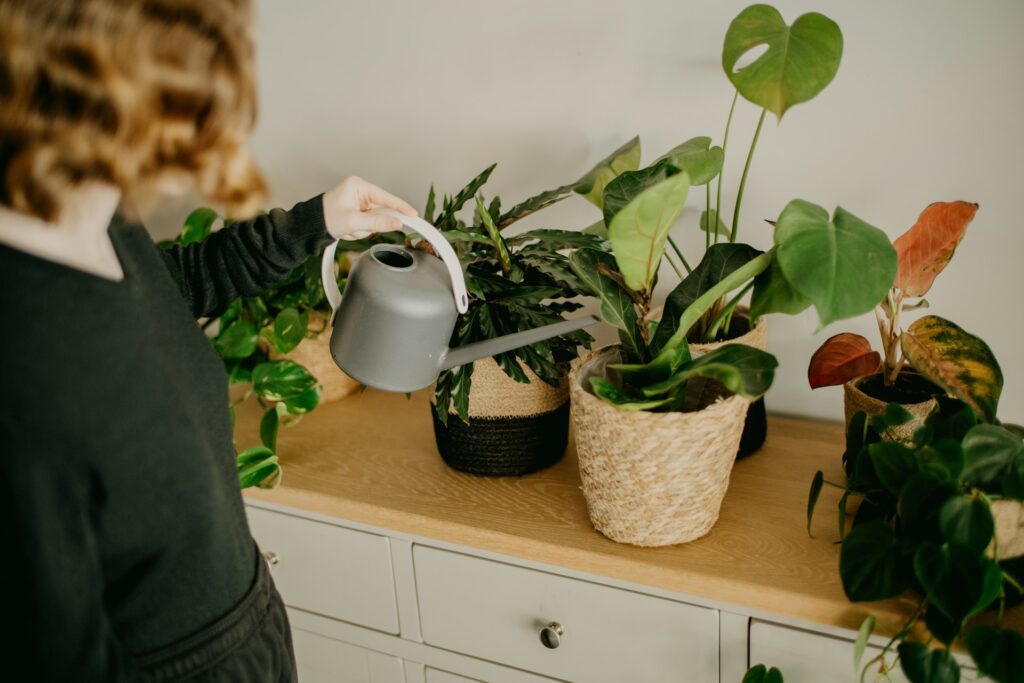
One of the biggest plant killers is routine watering. Many people water every Sunday, every few days, or whenever they remember, without checking whether the plant actually needs it. Different plants dry out at different speeds depending on light, temperature, pot size, and time of year.
As time goes on, this leads to roots sitting in damp compost for far too long, which slowly suffocates them. A plant that looks thirsty is often already struggling because its roots can’t take up water properly anymore. Watering should always be based on soil feel, not the calendar.
2. Assuming more water is safer than less
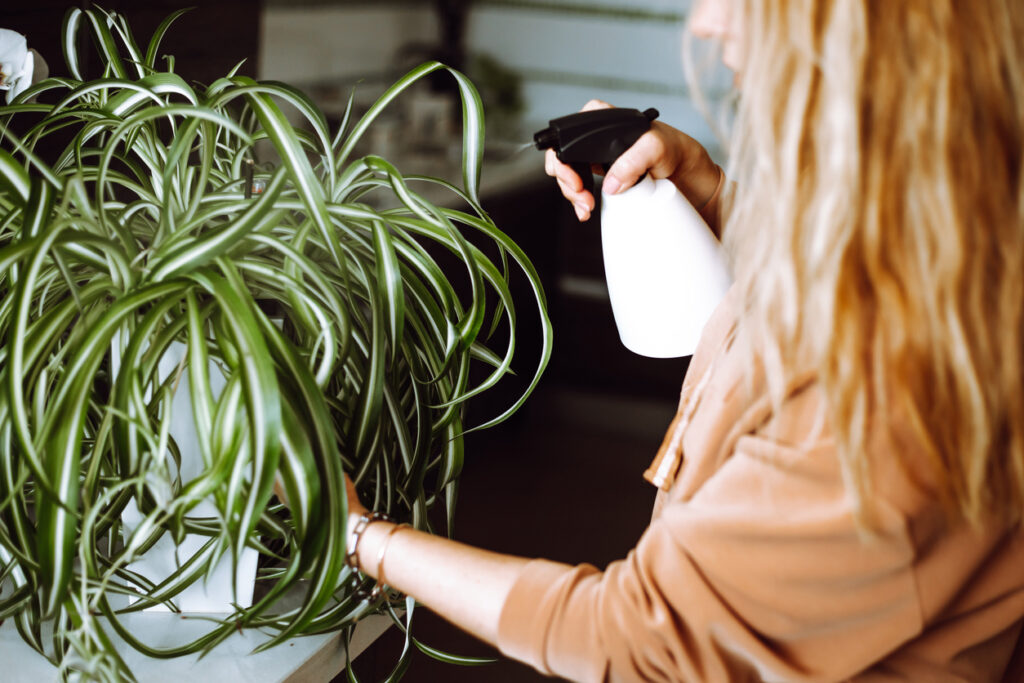
When a plant starts looking unhappy, people often respond by watering it more. Yellow leaves, drooping stems, or slow growth get mistaken for thirst, when they’re actually signs of overwatering. In most homes, plants die from too much water rather than too little. Roots need oxygen as much as they need moisture. Constantly wet compost cuts that oxygen off, causing rot that’s hard to reverse once it sets in.
3. Using pots without proper drainage

Pots without drainage holes trap excess water at the bottom, no matter how careful you think you’re being. Even a small amount of standing water can rot roots over time. Decorative pots are fine if used as outer covers, but the plant itself should always sit in a pot with drainage. Without it, you’re relying entirely on perfect watering, which isn’t realistic in everyday life.
4. Keeping plants in the wrong light
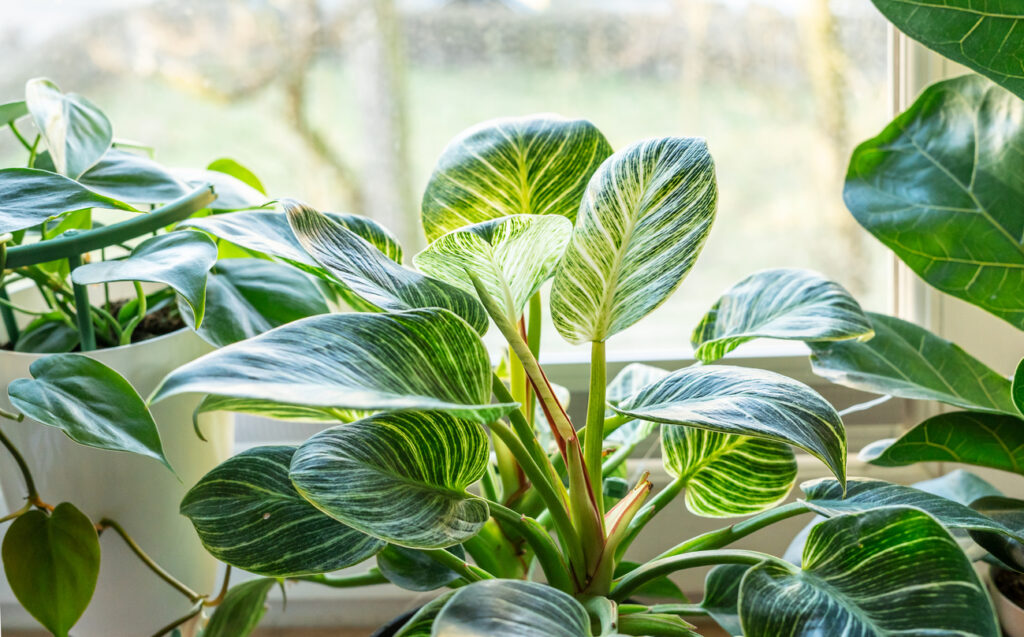
Many people assume bright rooms automatically mean good light. In reality, light intensity drops sharply just a few feet from a window, especially in the UK where daylight is weaker for much of the year. Plants placed too far from light slowly weaken. Leaves become smaller, stems stretch, and growth stalls. At the same time, putting low-light plants in direct sun can scorch them. Matching the plant to the actual light, not the room’s brightness, matters more than people realise.
5. Never adjusting care with the seasons
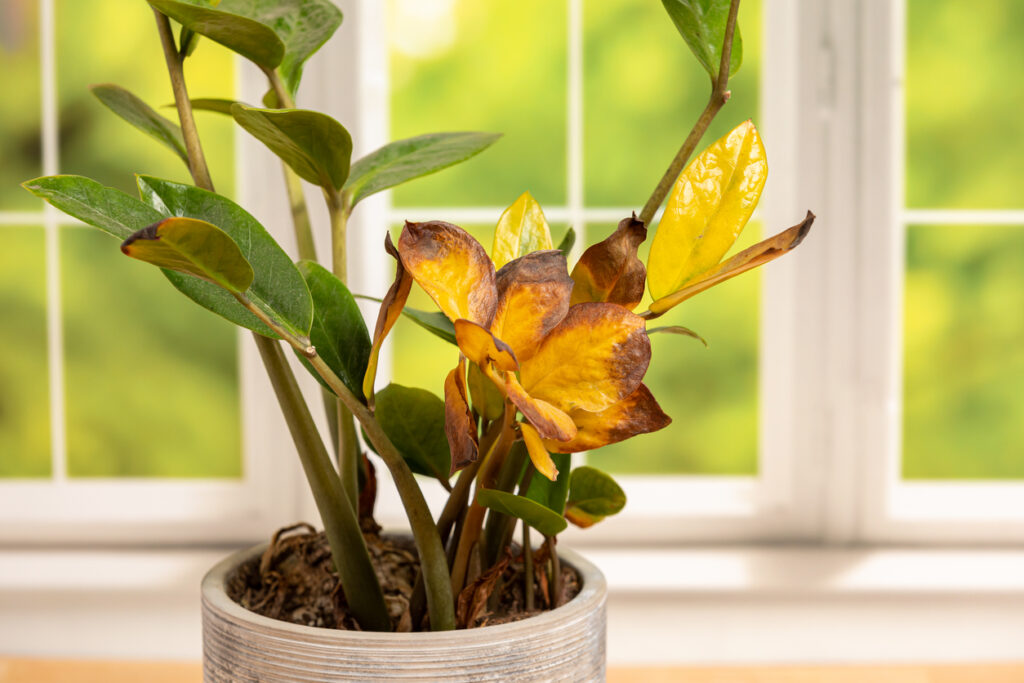
Plants don’t grow at the same rate all year. In autumn and winter, most houseplants slow down or stop growing altogether. They use less water and nutrients during this period. Continuing summer watering habits through winter is a common way plants get killed. Soil stays wet for longer, roots struggle, and problems quietly build until spring, when the damage becomes obvious.
6. Repotting far too often or not at all
Some people repot constantly, thinking new compost will fix everything. Others never repot, even when roots are tightly packed and circling the pot. Both extremes cause problems. Repotting too often disturbs roots and stresses the plant, while leaving a plant rootbound for years restricts water uptake and growth. Most plants only need repotting every couple of years, not every season.
7. Choosing plants that don’t suit their lifestyle

Not all plants cope well with irregular care, dry air, or busy households. Some need frequent attention, stable conditions, or consistent light to stay healthy. People who travel, forget watering, or move plants around a lot often do better with tougher, slower-growing plants. Choosing forgiving plants isn’t giving up, it’s matching expectations to reality.
8. Treating fertiliser like medicine
When a plant looks weak, fertiliser often gets added as a quick fix. Unfortunately, feeding a stressed plant can make things worse rather than better. Fertiliser supports active growth. If roots are damaged or the plant isn’t growing, extra nutrients can burn roots and push the plant further into decline. Feeding should only happen when the plant is healthy and actively growing.
9. Ignoring early signs of stress

Plants usually give warnings long before they die. Slight leaf colour changes, slowed growth, or mild drooping are early signals that something isn’t right. Many people ignore these signs until leaves start dropping or stems collapse. By then, the problem has often been developing for weeks or months, making recovery much harder.
10. Leaving plants in shop compost for too long

Plants sold in shops are often grown in compost designed for short-term growth and transport, not long-term home care. It can compact quickly and hold water poorly over time. Leaving plants in this compost for years increases the risk of waterlogging and nutrient imbalance. Eventually, even careful watering won’t help because the root environment has broken down.
11. Moving plants constantly
Plants don’t love being moved around the house. Every move changes light levels, temperature, and airflow, even if it doesn’t seem dramatic to us. Frequent repositioning can stop growth and cause leaf drop, especially for sensitive plants. Once you find a spot that works, leaving the plant alone usually does more good than chasing the “perfect” position.
12. Assuming plant care should feel intuitive

Many people believe successful plant care should come naturally. When it doesn’t, they assume they’re hopeless at it. In reality, plant care is a learned skill like cooking or driving. Understanding a few basics about roots, light, and water solves most problems. People who “kill every plant” usually aren’t incapable. They’re just repeating the same mistakes without realising there’s a pattern behind them.
Killing plants rarely means someone has a black thumb. It usually means they’ve never been shown how plants actually live, what they need day to day, and how small habits quietly add up over time.