Most gardens are full of the usual suspects: roses, lavender, maybe a hydrangea if someone’s feeling fancy.
However, tucked away in specialist nurseries, plant swaps, and the back corners of very serious gardeners’ notebooks are plants that barely get a mention anywhere else. We’re talking about the kind you don’t stumble across accidentally while buying compost at the garden centre.
These are the plants that make seasoned gardeners lean in a bit when you mention them. Not flashy, not trendy, and definitely not labelled “easy care,” but fascinating all the same. If you’ve ever fallen down a late-night rabbit hole reading about obscure foliage, strange flowering habits, or plants that thrive in oddly specific conditions, you’ll feel right at home with this list.
1. Actaea pachypoda looks like dozens of eyeballs staring at you.
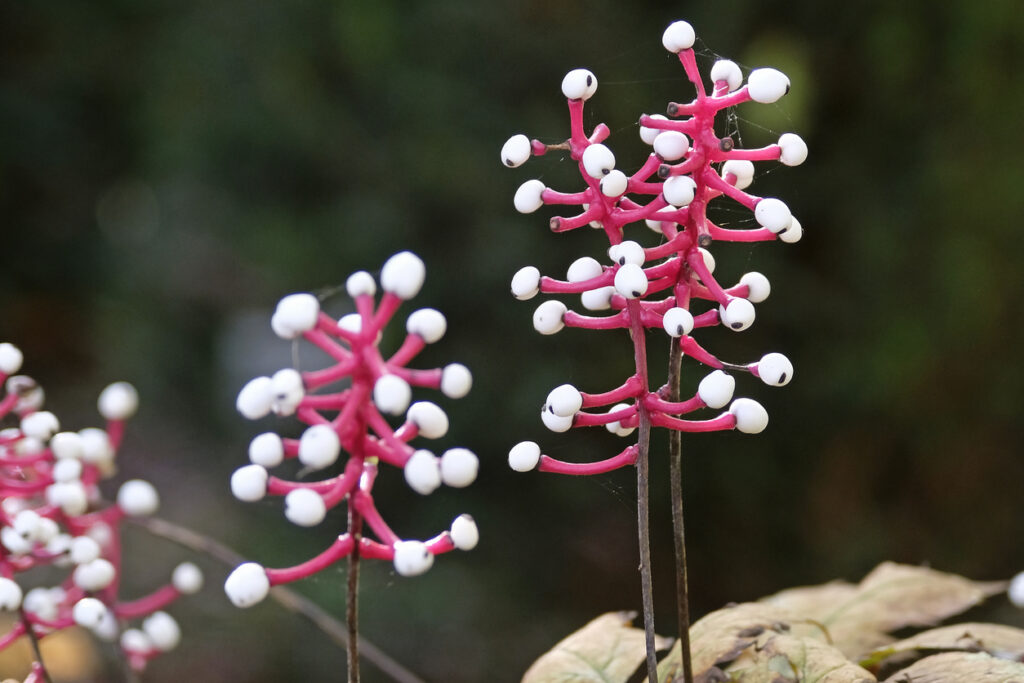
Also called doll’s eyes, this North American native produces white berries with a black dot that look disturbingly like eyeballs on bright red stalks. The whole plant is extremely toxic, which probably explains why it’s not popular in family gardens, despite being quite easy to grow. It thrives in shade and woodland conditions, producing these creepy berries in late summer. Most people who grow it do so specifically for the unsettling Halloween effect it creates in shaded borders.
2. Lithops are succulents that look exactly like pebbles.
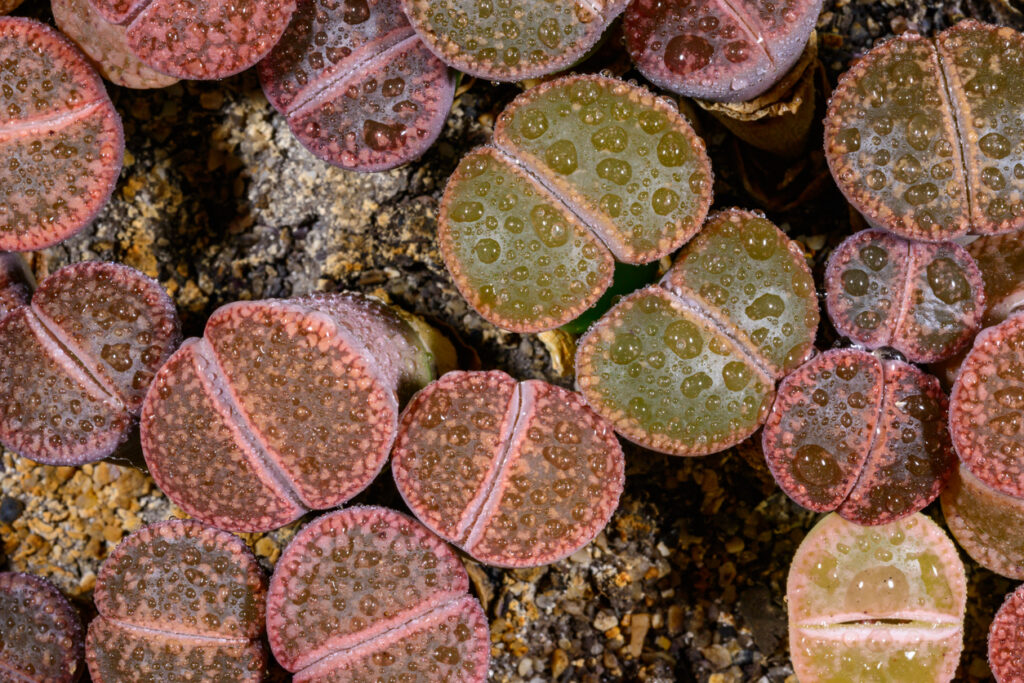
These South African succulents have evolved to mimic stones as camouflage against herbivores, and they’re so convincing you could easily walk past them thinking they’re just rocks. Each plant consists of two fused leaves that look like a split stone, and they come in various colours and patterns. They’re notoriously tricky to grow because they need very specific watering schedules, and most people kill them by overwatering. Collectors obsess over the hundreds of different species and cultivars, each with slightly different patterns and colours.
3. Tacca chantrieri is called the black bat flower for obvious reasons.
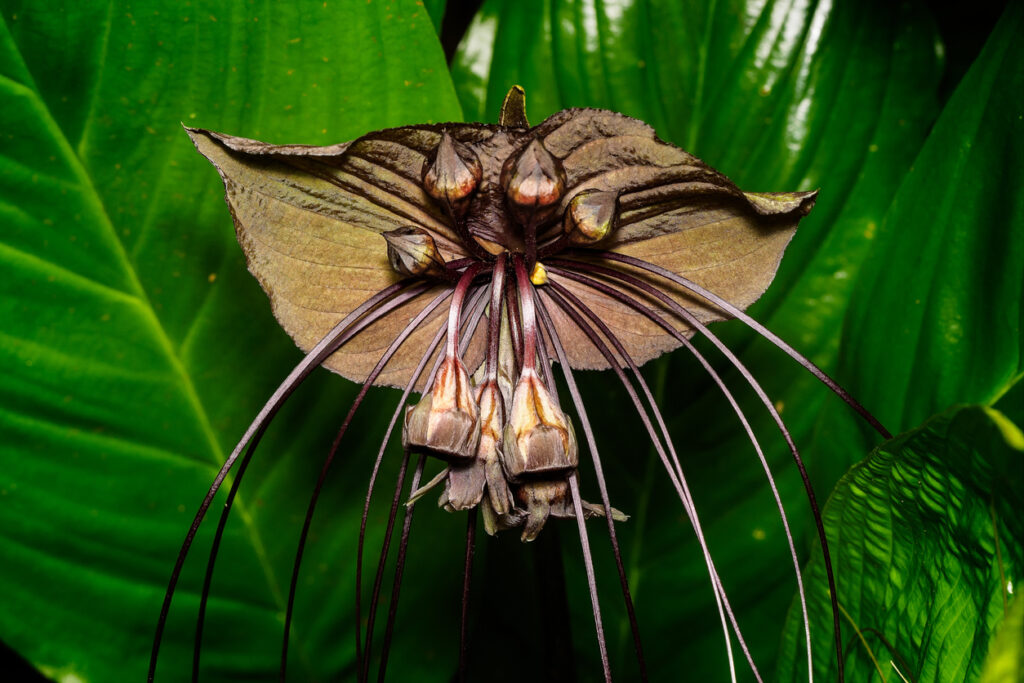
This tropical plant from Southeast Asia produces flowers that look like black bats with long whiskers trailing down, and it’s one of the strangest flowering plants you can grow. The flowers are actually dark purple rather than true black, but they’re dark enough to look genuinely sinister. It needs high humidity and warm temperatures, which makes it challenging to grow outside of greenhouses in Britain. The whisker-like bracts can grow up to 70 cm long, adding to the already dramatic appearance.
4. Hoodia gordonii is a cactus-like succulent that suppresses appetite.
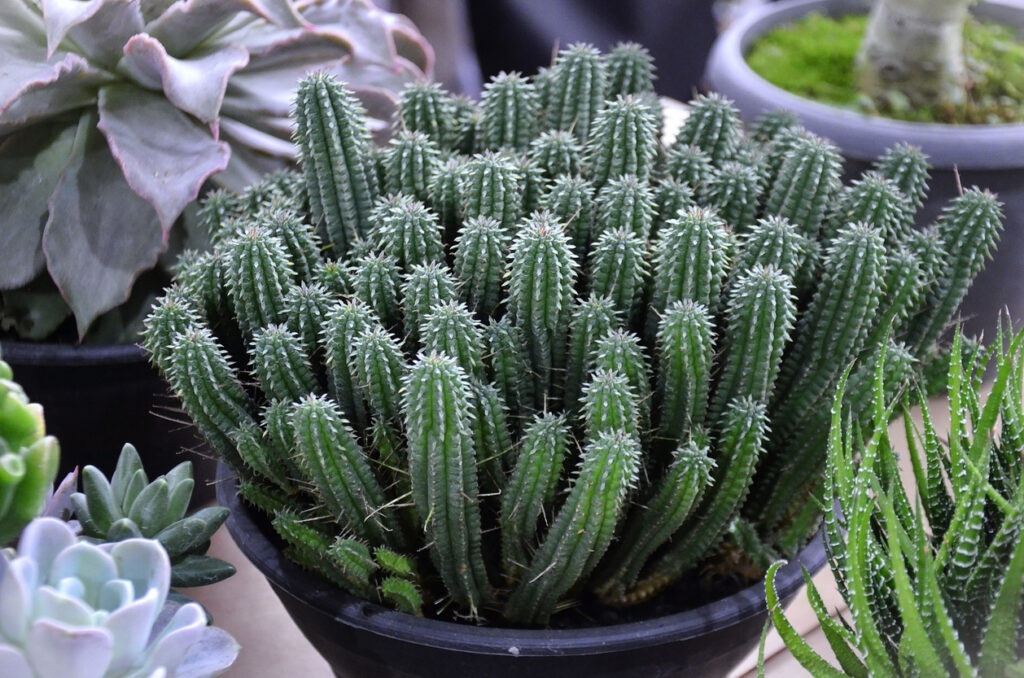
This spiky succulent from southern Africa became briefly famous when supplement companies claimed it could help with weight loss, but growing it is incredibly difficult. It’s not actually a cactus despite looking like one, it’s a succulent in the milkweed family with intricate flowers that smell like rotting meat. The San people of the Kalahari have used it traditionally to suppress hunger on long hunting trips. Most Hoodia sold as supplements isn’t even real because the plant is so hard to cultivate commercially.
5. Welwitschia mirabilis only has two leaves its entire life.
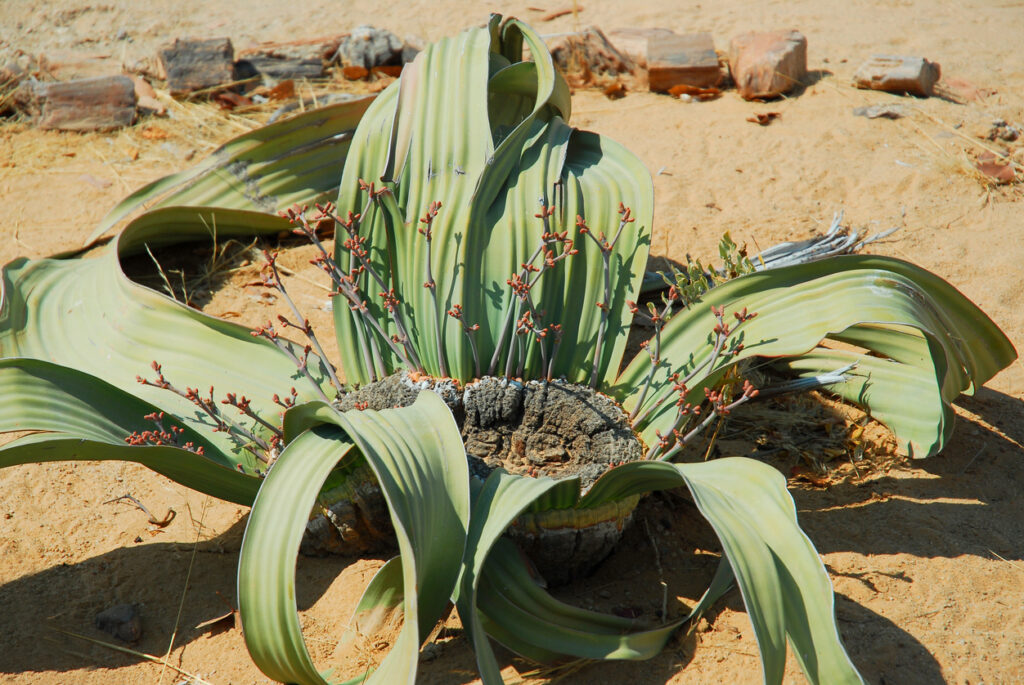
This bizarre plant from the Namib Desert grows just two leaves that continue growing from the base while the tips die and shred, creating a tangled mess that can live for over 1,000 years. It looks like a dead plant even when it’s thriving, with weathered, split leaves sprawled across the ground. The plant is extremely slow-growing and nearly impossible to cultivate outside its native habitat. Botanists consider it a living fossil because it’s the only species in its entire family.
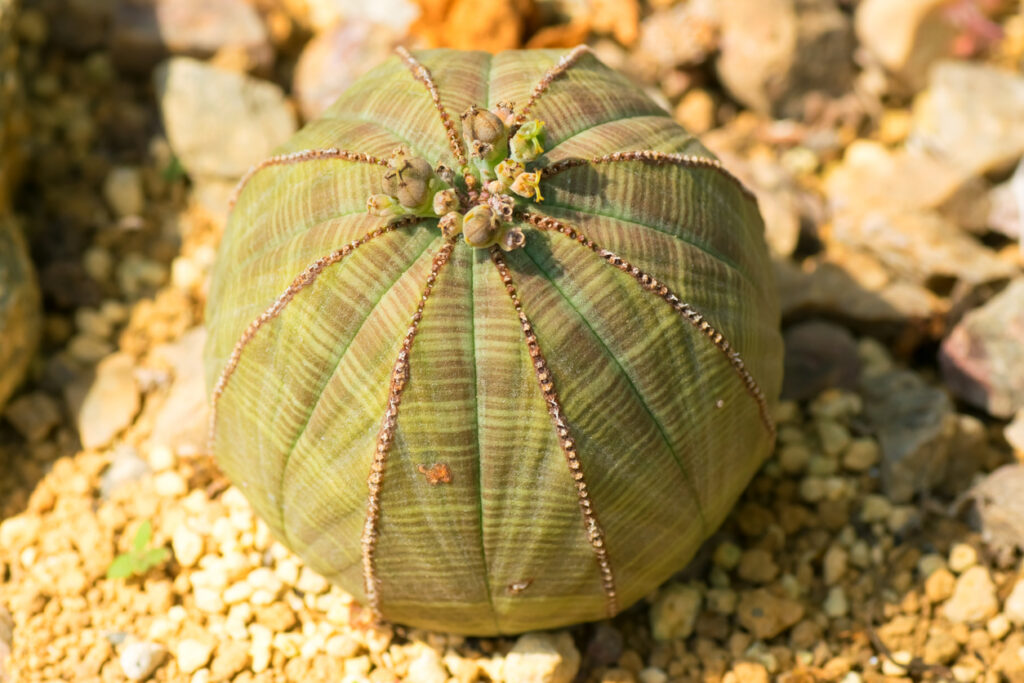
6. Euphorbia obesa is a perfectly spherical succulent.
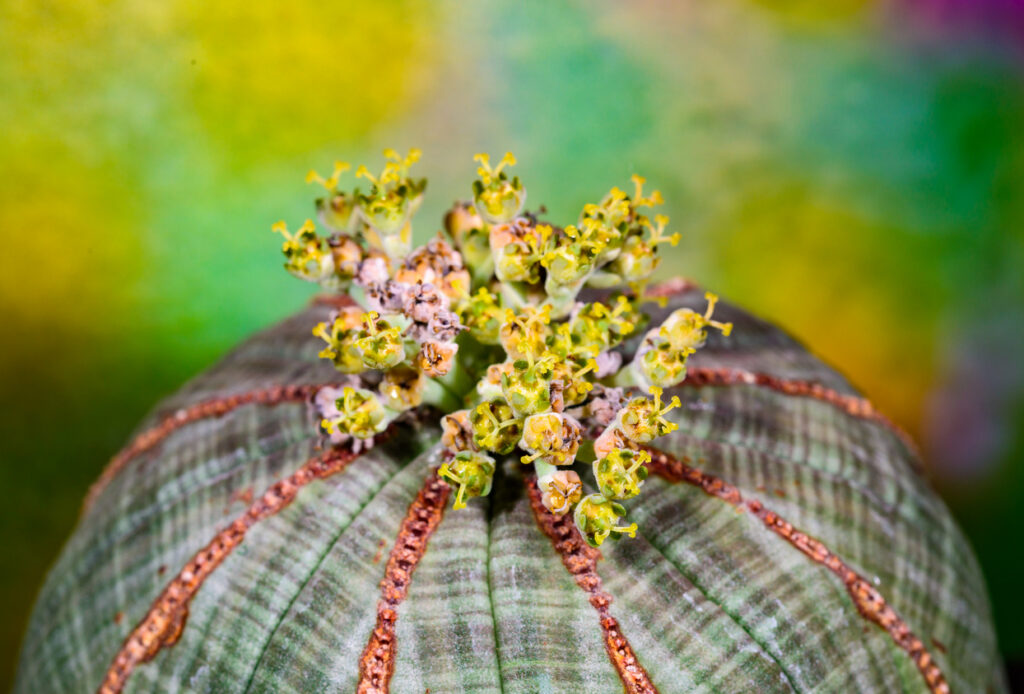
This South African succulent looks exactly like a grey-green baseball and was nearly collected to extinction in the wild because of its unusual appearance. It’s completely spineless and perfectly round when young, only becoming slightly cylindrical with age. Male and female plants look identical until they flower, which makes breeding them quite tricky. The plant is now widely cultivated and relatively easy to grow, but most gardeners have never heard of it despite its popularity among collectors.
7. Dracunculus vulgaris smells like rotting flesh when it flowers.
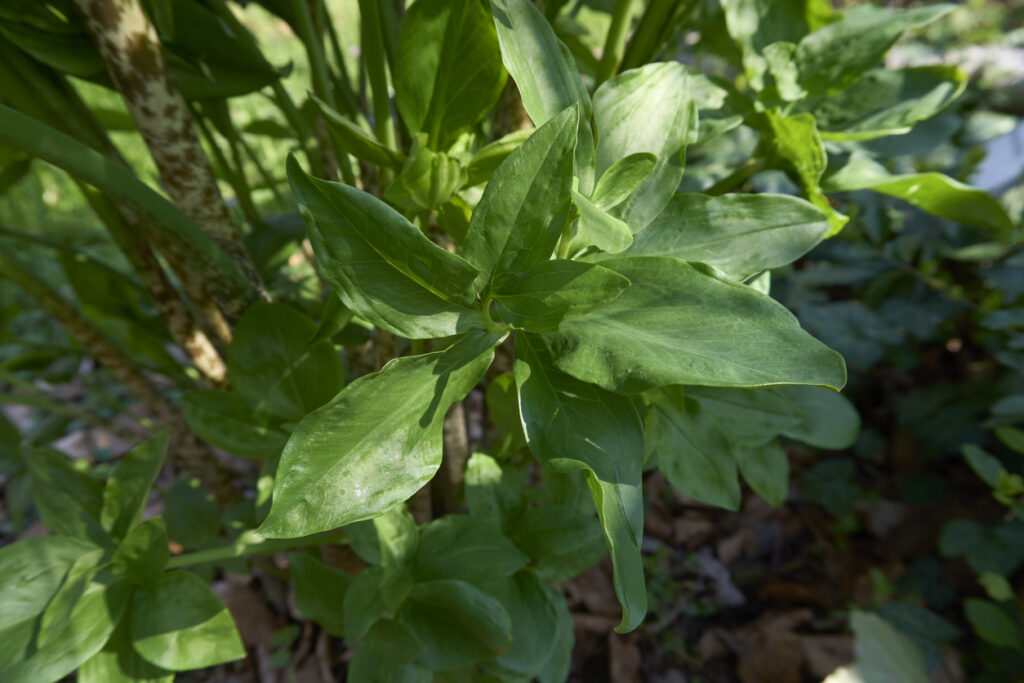
The voodoo lily produces a massive dark purple flower that reeks of dead animals to attract pollinating flies, and the smell is genuinely unbearable. The flower spike can reach over a metre tall and the smell is strongest for about 24 hours before fading. Despite this horrific characteristic, some gardeners grow it specifically for the dramatic foliage and the spectacle of the flower. You definitely don’t want this planted near windows or outdoor seating areas unless you enjoy explaining to neighbours why your garden smells like something died in it.
8. Trachyandra has leaves that spiral like corkscrews.
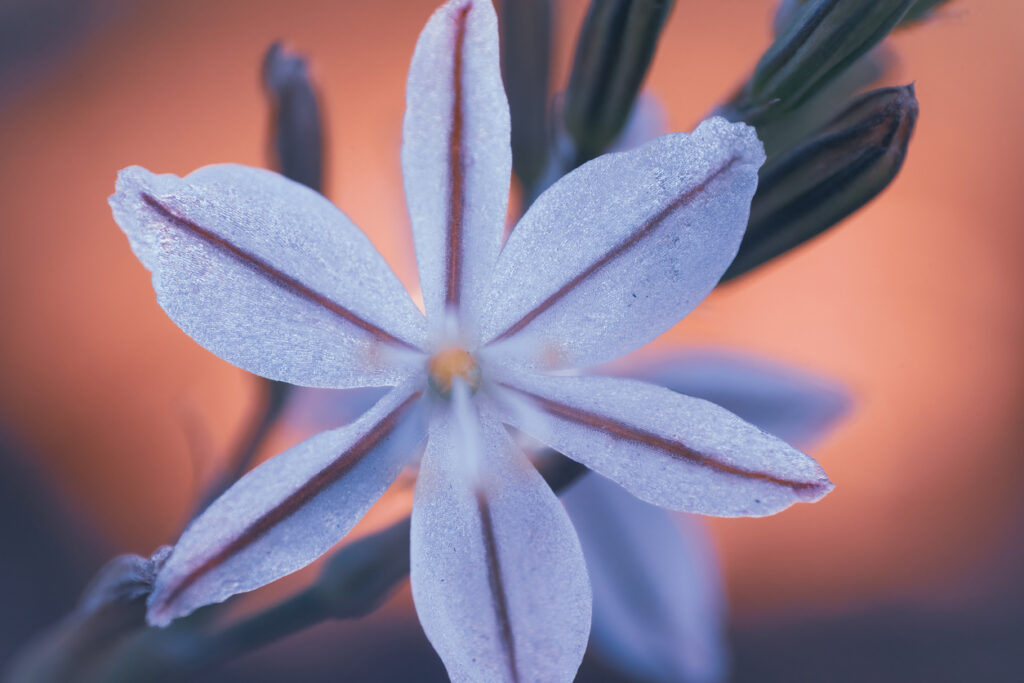
These South African succulents produce masses of thin leaves that curl and twist in wild spirals, creating a plant that looks more like modern art than something living. The leaves can be green or grey and the spiralling is completely natural, not caused by damage or disease. They’re relatively easy to grow but quite slow, and the full spiralling effect takes time to develop. The flowers are small and white, completely overshadowed by the weird foliage that makes the plant worth growing.
9. Crassula umbella has perfectly circular leaves stacked on stems.

Also called the wine cup plant, this South African succulent produces round, flat leaves that stack up the stem like a series of platters. The leaves form perfect circles with the stem going through the centre, creating a geometric pattern that looks designed rather than natural. It’s quite rare in cultivation and slow-growing, which keeps it in the realm of specialist collectors. The plant can eventually form a small shrub covered in these stacked circular leaves.
10. Pseudolithos looks like lumps of diseased stone.
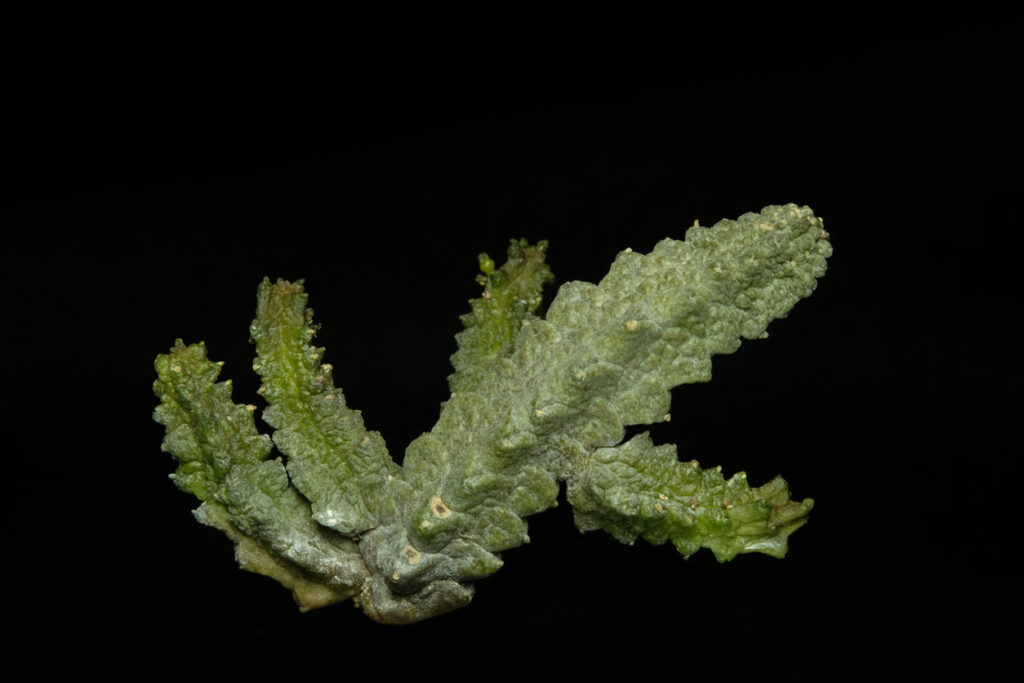
These bizarre succulents from Somalia and Yemen look like warty, greyish-brown rocks covered in bumps and ridges. They produce tiny flowers that smell terrible, and the whole plant has an appearance that most people would describe as ugly or diseased. They’re incredibly difficult to grow because they’re adapted to very specific conditions and rot easily. Only serious succulent collectors bother with them because they’re challenging, expensive, and not remotely attractive by conventional standards.
11. Pleiospilos nelii is called split rock because it looks like cracked granite.
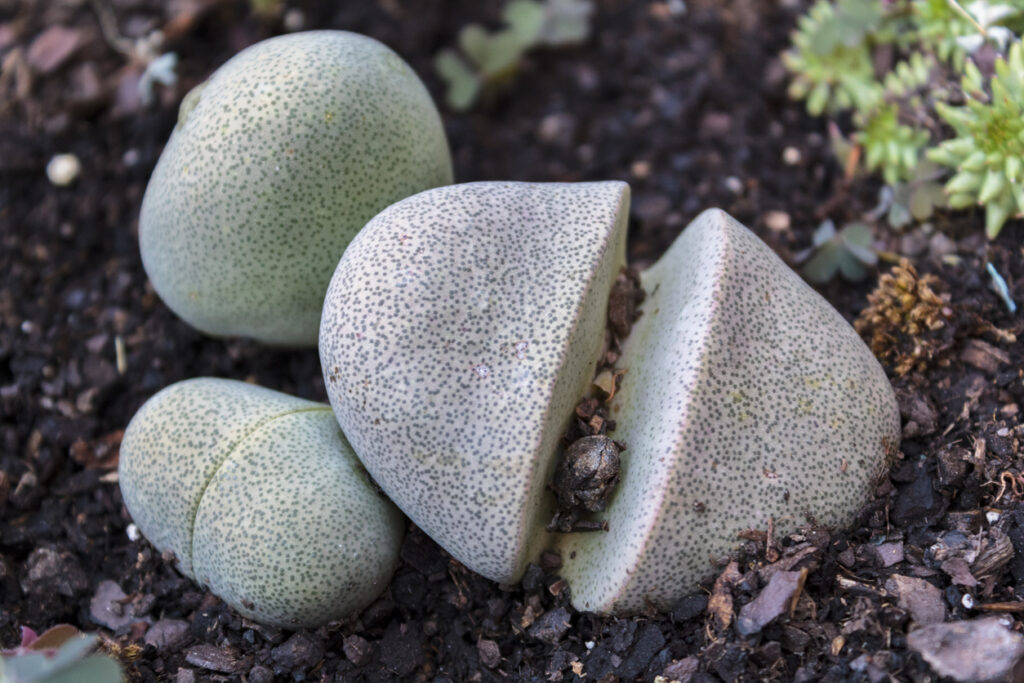
This South African succulent consists of one or two pairs of extremely thick leaves that look like grey-green stones split down the middle. The leaves are covered in tiny dots that add to the stone-like appearance, and the plant produces large daisy-like flowers that seem disproportionately big for such a small plant. It needs very careful watering because the thick leaves store so much water that overwatering kills it quickly. The plant goes dormant in summer, which confuses people who try to water it year-round.
12. Conophytum produces plants smaller than a marble.
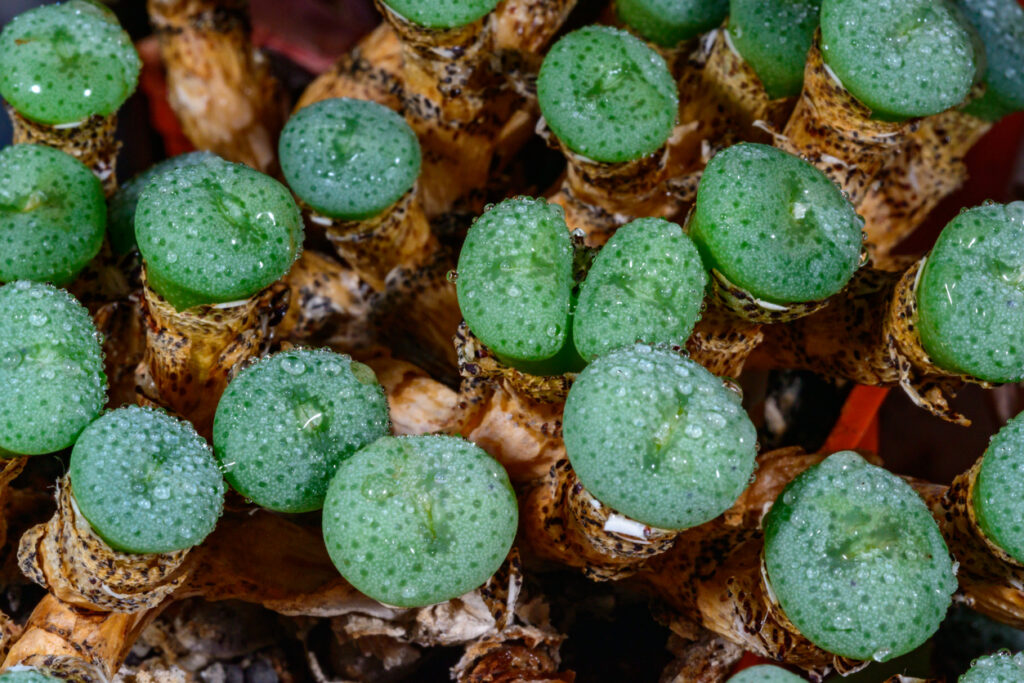
These tiny South African succulents are miniature versions of lithops, often no bigger than a pea, and they come in an incredible variety of shapes and patterns. Each plant body consists of two fused leaves forming a cone or sphere, and they’re so small that collectors grow dozens in a single small pot. They flower in autumn with proportionally large flowers in white, yellow, pink, or purple. The plants go dormant in summer and look dead, which causes people to throw them out thinking they’ve failed.
13. Stapelia gigantea produces flowers that look and smell like rotting meat.
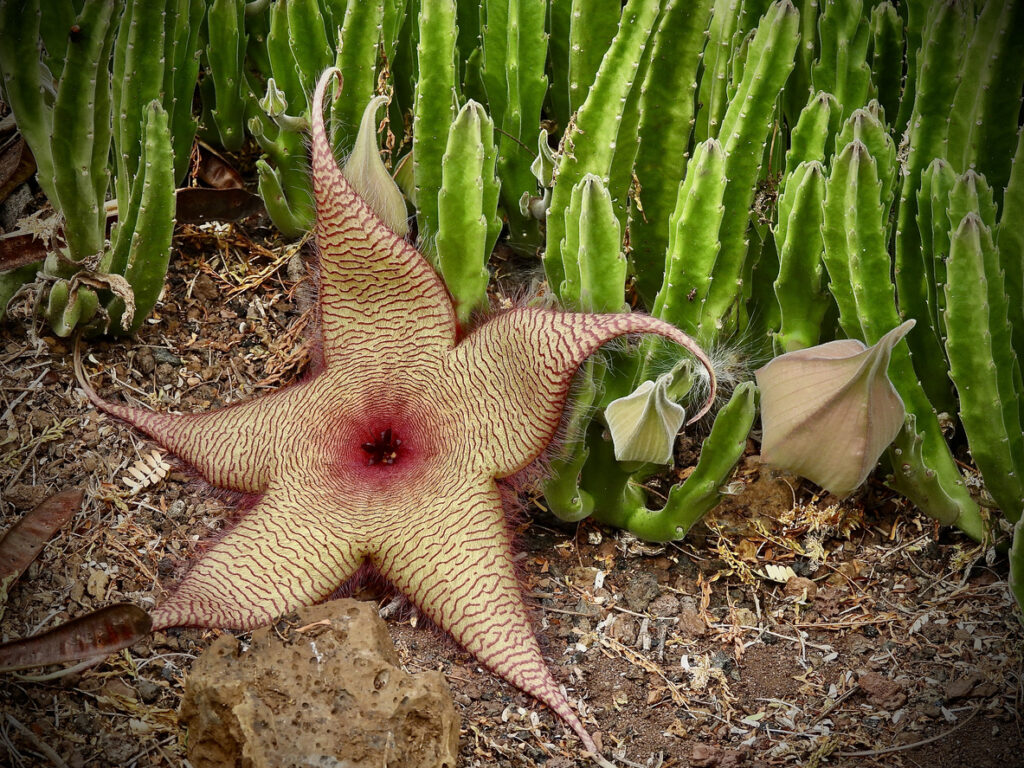
The giant carrion flower creates massive star-shaped flowers up to 35 cm across that are covered in hair and smell like decomposing flesh. The flowers are usually tan or yellow with red markings that resemble blood or decay, and flies absolutely love them. The plant itself looks like a cactus with thick green stems but no spines, and it’s actually quite easy to grow despite its exotic appearance. Most people grow it outside specifically, so the smell doesn’t make it into the house when it blooms.
14. Actinidia kolomikta has leaves that look like they’ve been dipped in pink paint.
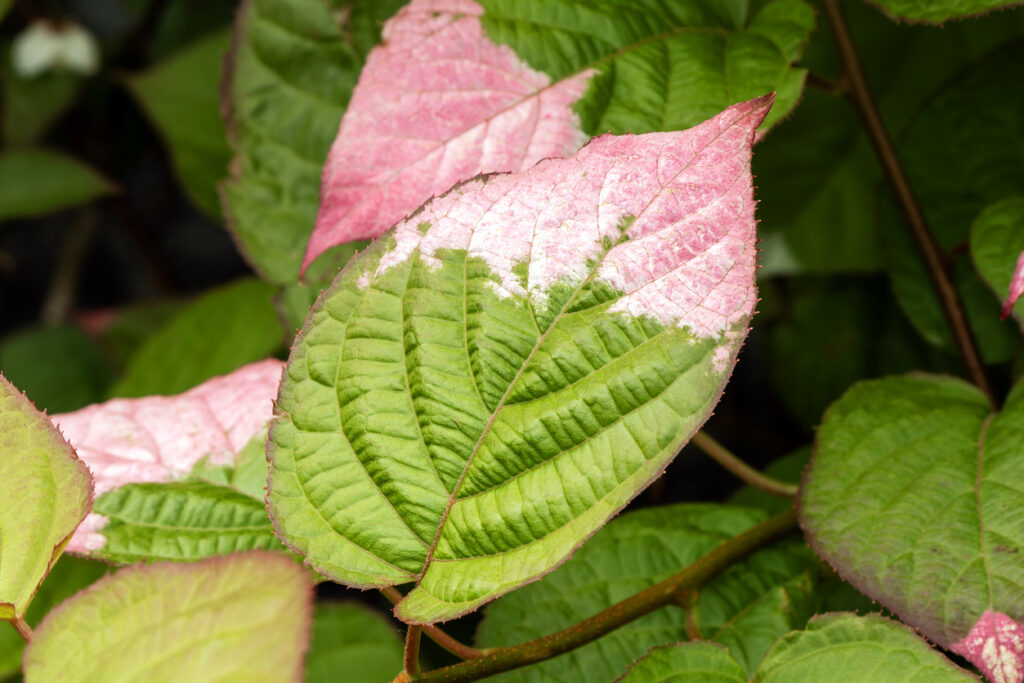
This climbing relative of kiwi fruit produces leaves that are green at the base but fade to white and pink at the tips, creating a watercolour effect. The variegation is most pronounced on male plants and becomes more intense as the plant matures and receives more sunlight. It’s completely hardy in Britain and easy to grow, but most gardeners have never seen one because it’s rarely stocked in garden centres. The plant also produces small, edible kiwi-like fruits, though the ornamental foliage is the main attraction.