Looking at most animals, you wouldn’t think they’re carrying diseases that could actually kill you.
That being said, plenty of common creatures can transmit fatal illnesses if you’re unlucky. You don’t need to be trekking through exotic jungles to encounter dangerous animals, some genuine killers are living in gardens, parks, and countryside around the world.
The diseases they carry aren’t just things that’ll make you feel rough, they’re infections that can genuinely end your life if you don’t get treatment or sometimes even if you do. Knowing which animals pose lethal risks helps you take sensible precautions because while these deaths are relatively rare in developed countries, they’re absolutely possible and happen more often than most people realize.
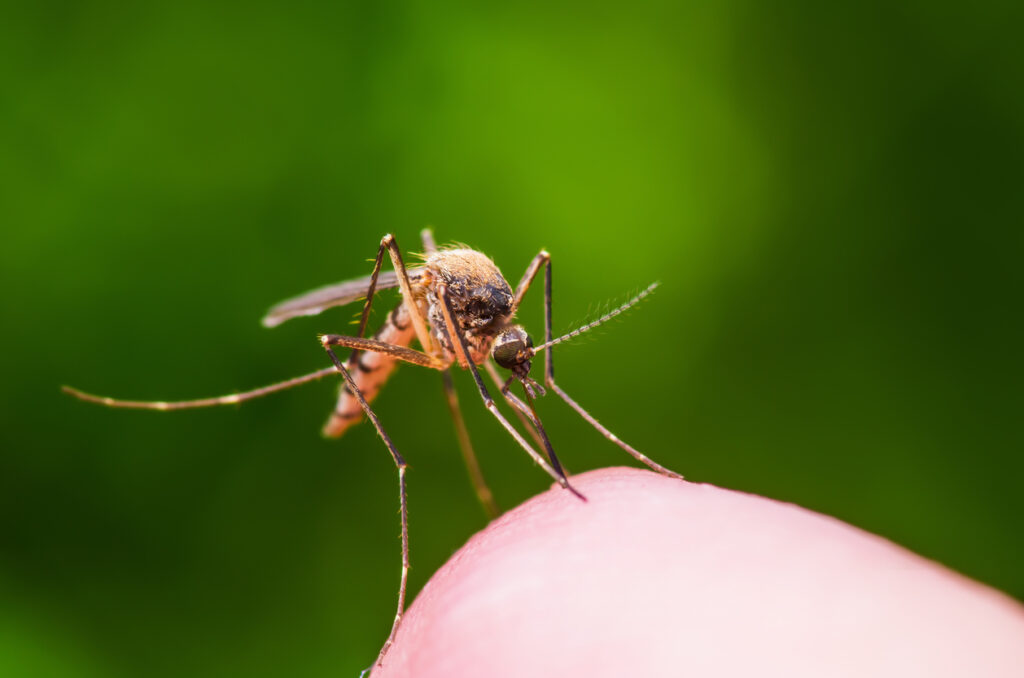
Mosquitoes spread malaria and dengue fever.
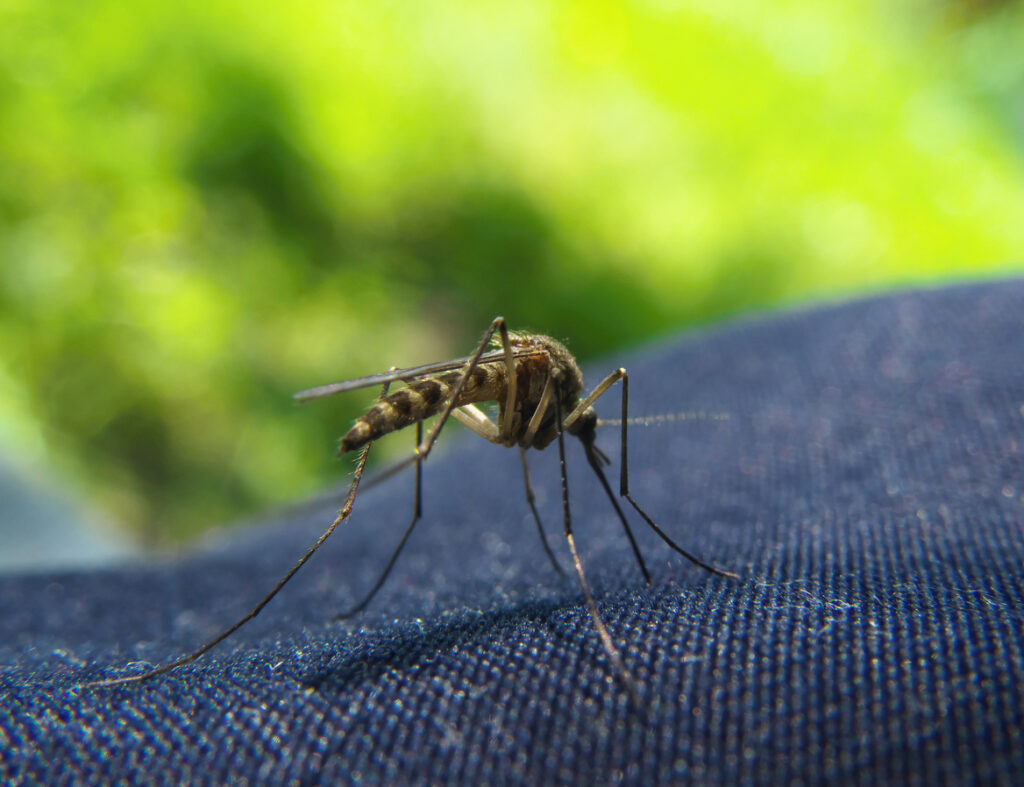
Mosquitoes kill more people than any other animal on Earth by transmitting diseases like malaria, dengue, yellow fever, and Zika virus. Malaria alone kills over 600,000 people every year, mostly children in Africa, and dengue can cause fatal haemorrhaging. The tiny bite from an infected mosquito can lead to organ failure and death within days if you don’t get treatment. They’re not much of a problem in Britain currently, but if you’re travelling anywhere tropical you need to take them seriously because they’re genuinely the world’s deadliest creature.
Bats spread rabies.

Bats can carry rabies and related viruses that are almost 100% fatal once symptoms appear. Rabies causes brain inflammation that leads to confusion, paralysis, and death, and there’s essentially no cure once symptoms start. You should never handle bats even if they look injured because any contact with their saliva through a bite or scratch can transmit the virus. The disease kills tens of thousands of people globally each year, and the only protection is getting vaccinated immediately after you’ve been exposed.
Dogs spread rabies in most of the world.

In countries where rabies is common, dogs are responsible for the vast majority of human rabies deaths. The virus is transmitted through bites, and it’s nearly always fatal once symptoms develop, which can take weeks or months after the initial bite. Around 60,000 people die from rabies annually, and almost all of these deaths come from dog bites. Even friendly looking stray dogs in countries where rabies exists pose a genuine lethal threat, and any bite needs immediate medical attention and vaccination.
Snakes inject deadly venom.
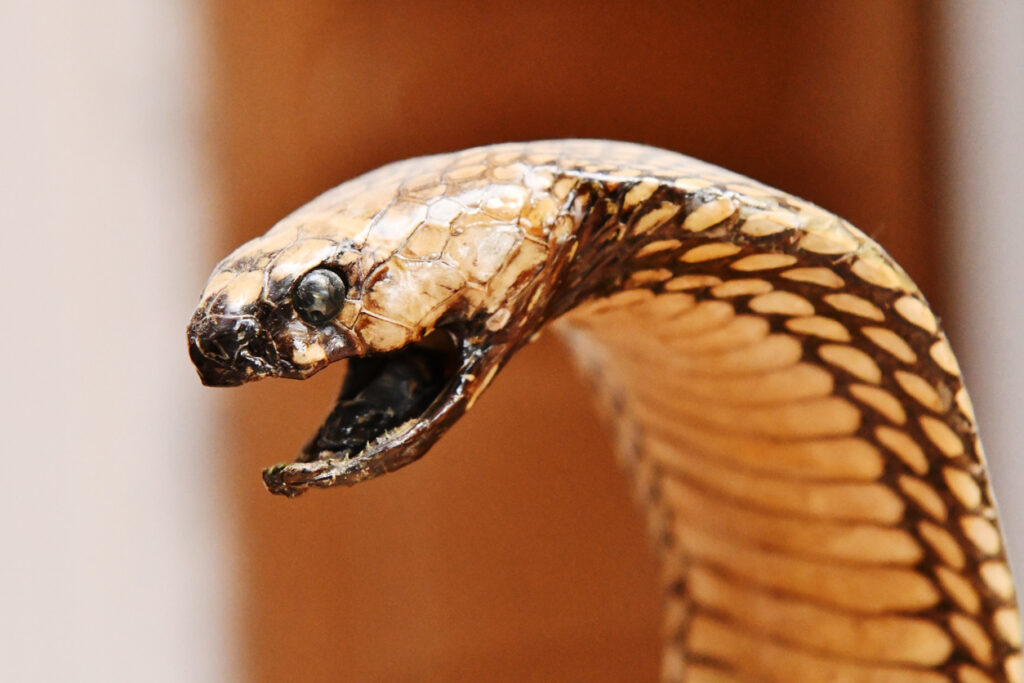
Venomous snakes kill between 80,000 and 140,000 people worldwide each year, making them one of the most lethal animals to humans. Snake venom can cause massive internal bleeding, organ failure, paralysis of breathing muscles, and tissue destruction that leads to fatal infections. Britain’s adder is rarely deadly, but snakes in tropical countries like cobras, vipers, and kraits kill people regularly. Many deaths happen because victims can’t access antivenom quickly enough, and some snake venoms are so potent that death can occur within hours.
Cats spread rabies and fatal parasites.
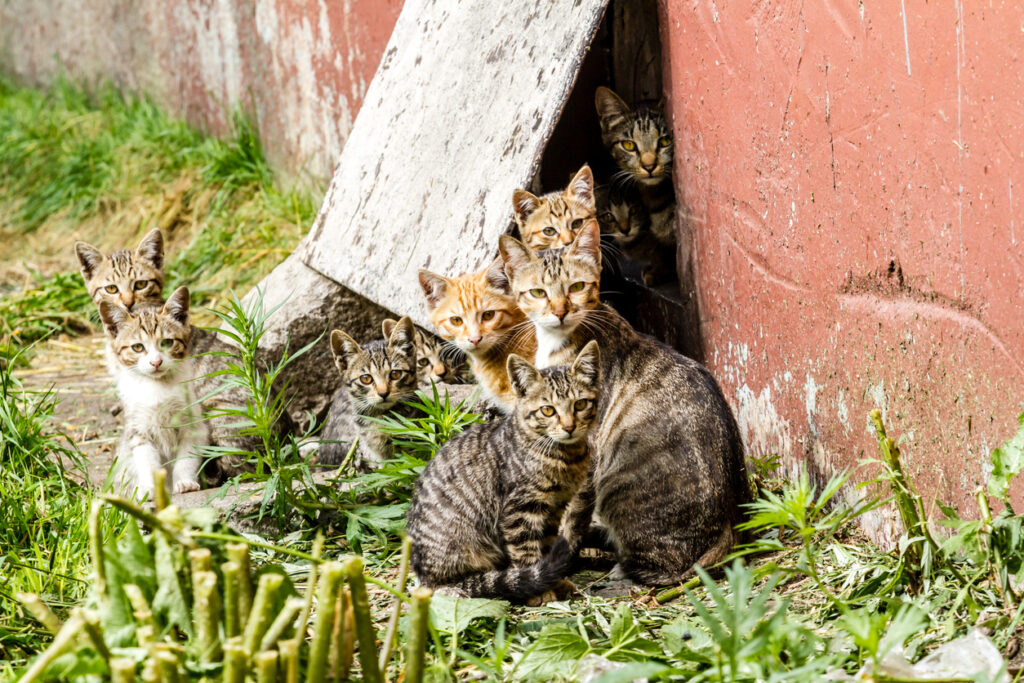
In areas where rabies exists, cat bites and scratches can transmit the virus, just like dog bites can. Cats also carry toxoplasmosis, which, while usually mild, can be fatal to people with severely compromised immune systems like AIDS patients or those on immunosuppressant drugs. The parasite can cause fatal brain infections in vulnerable people. Cat scratch disease caused by bacteria can also occasionally cause fatal complications, though this is extremely rare.
Rats carry leptospirosis.

Rats spread leptospirosis through their urine, and even though most cases are mild, severe infections can cause kidney failure, liver failure, and fatal internal bleeding. The disease kills thousands of people annually worldwide, and it’s becoming more common in cities, including in Britain. You can catch it through cuts in your skin or by swallowing contaminated water, and without treatment the mortality rate can reach 10% in severe cases. Urban flooding increases the risk as rat urine gets washed into areas where people live and work.
Pigs carry diseases that can be fatal.
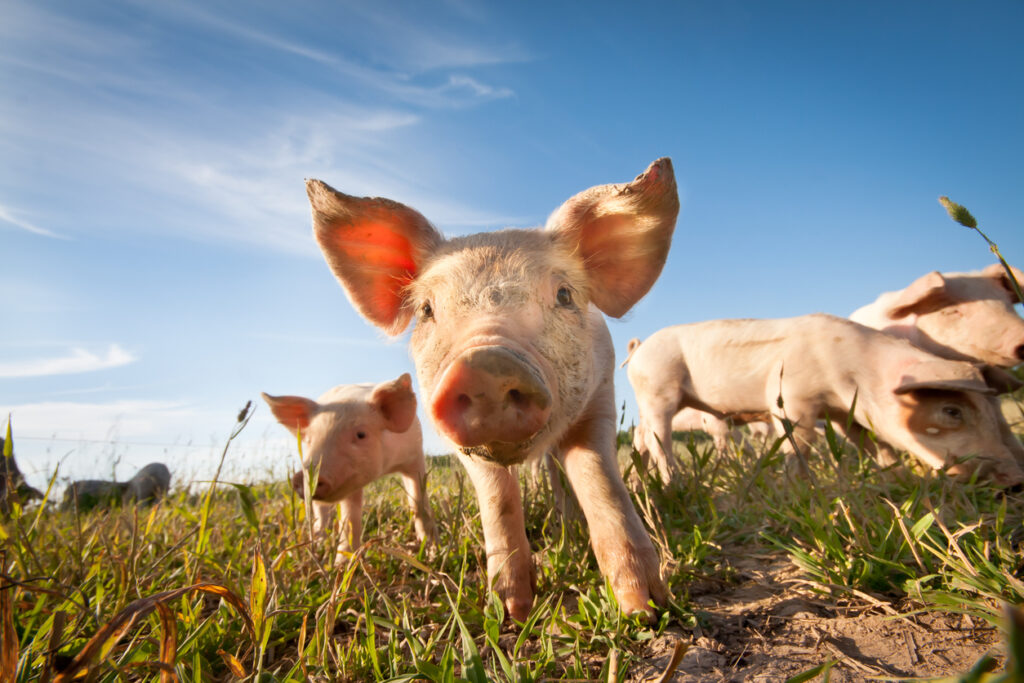
Pigs harbour Nipah virus in some parts of Asia, which has a mortality rate of 40-75% and causes brain inflammation and respiratory failure. They can also spread Japanese encephalitis through mosquitoes that bite infected pigs then humans, and this disease kills around 10,000 people yearly. Pigs were the source of the H1N1 swine flu pandemic, and while most flu isn’t fatal, pandemic strains can kill millions. Farm workers and people in close contact with pigs face the highest risk.
Monkeys carry herpes B virus.

Herpes B virus is harmless to macaque monkeys, but has a 70-80% fatality rate in untreated humans. The virus causes brain inflammation that can kill you within days, and even with treatment, about 20% of cases are fatal. Tourists getting bitten by monkeys when taking photos is remarkably common, and any bite from a macaque is a genuine medical emergency. The virus is rare, but when transmission happens, it’s extremely serious.
Primates spread Ebola.

Contact with infected primates through bushmeat or handling sick animals can transmit Ebola, which kills 25-90% of infected people depending on the strain. The virus causes massive internal and external bleeding, organ failure, and death usually within two weeks. Several Ebola outbreaks have been traced back to contact with infected apes or monkeys. The disease is horrific and even though it doesn’t spread easily, direct contact with infected primates is incredibly dangerous.
Camels spread MERS coronavirus.

Camels carry MERS coronavirus, which has killed about 35% of people diagnosed with it since it was discovered. The virus causes severe respiratory illness that can progress to organ failure. Most cases have been in the Middle East where people have close contact with camels, but the disease can spread between humans and cause outbreaks. It’s in the same virus family as COVID-19 but significantly deadlier.
Rodents spread hantavirus.
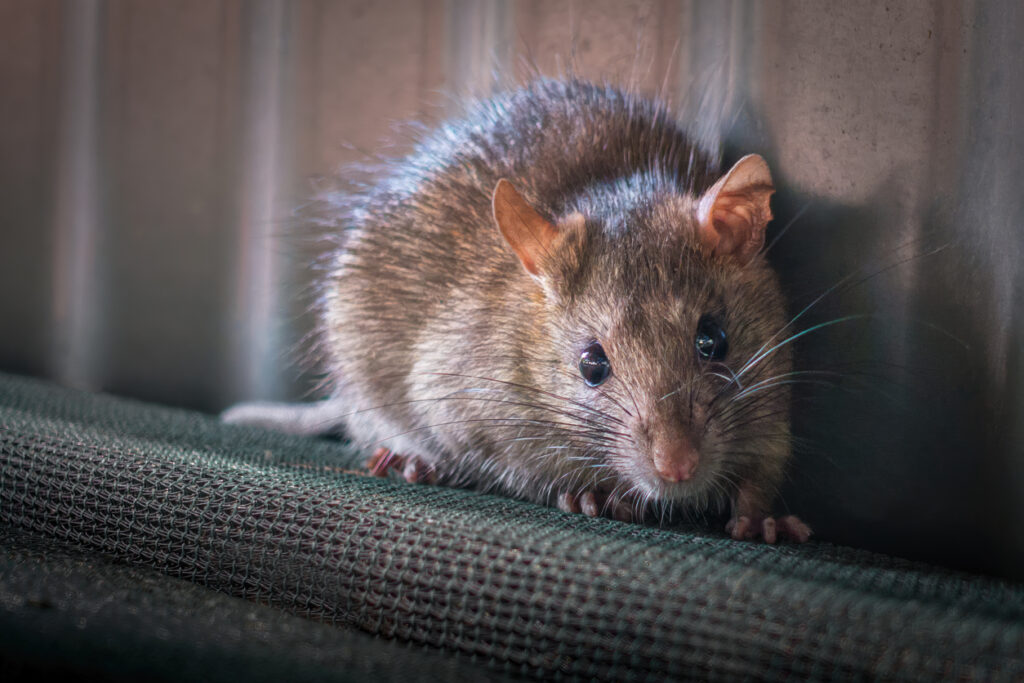
Wild rodents carry hantavirus, which you catch by breathing in dust contaminated with their urine or droppings. The virus causes respiratory failure, with a mortality rate of around 36% in some strains. You don’t need to be bitten, just breathing in contaminated dust in sheds, barns, or cabins where rodents have nested can infect you. The disease progresses rapidly once symptoms start, and there’s no specific treatment.
Cattle spread anthrax (yes, really).
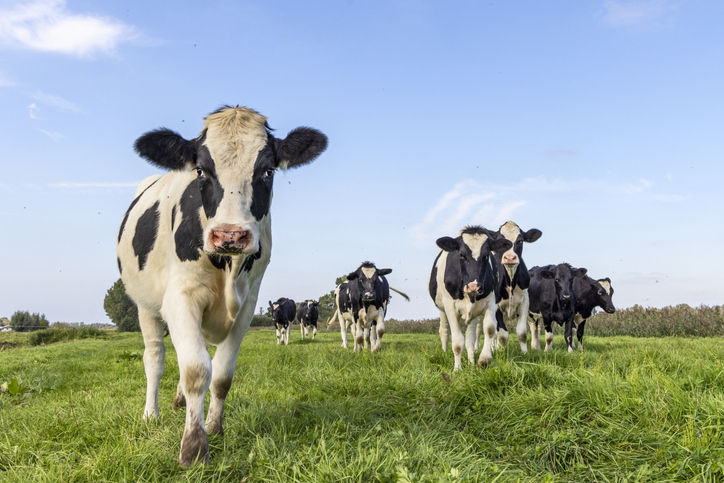
Cattle and other livestock can carry anthrax, which is caused by bacteria that form spores in soil. Inhalation anthrax has a fatality rate of 85-90% even with treatment, though this form is rare. The disease causes severe respiratory failure and the bacteria release toxins that damage organs. Cutaneous anthrax from skin contact is less deadly but can still be fatal without antibiotics. Farm workers and people handling animal products from infected areas are at risk.
Deer potentially spread chronic wasting disease.

While chronic wasting disease in deer hasn’t definitively jumped to humans yet, it’s a prion disease similar to mad cow disease, which killed over 200 people. Prion diseases are always fatal once symptoms appear and there’s no treatment or cure. The concern is that as chronic wasting disease spreads through deer populations in North America, the chances of it eventually infecting humans through contaminated meat increase. If it does jump species, it would be 100% fatal, like other prion diseases.