For better or worse, ageing feels like one of the few non-negotiables of life.
Everything wears down, slows up, or starts breaking in slightly annoying ways if you give it long enough. That assumption sits so deep we barely question it, which is why it’s so unsettling when nature casually ignores the rule altogether.
A small handful of animals don’t follow the usual script at all. They don’t show the same steady decline, they don’t deteriorate in the expected way, and some don’t seem to age in any meaningful sense that scientists can agree on. Researchers have plenty of theories, plenty of data, and plenty of raised eyebrows, but no neat explanations yet. These creatures keep doing their thing while quietly poking holes in what we thought we knew about time, biology, and getting old.
1. Greenland sharks can live over 400 years, and nobody knows how.
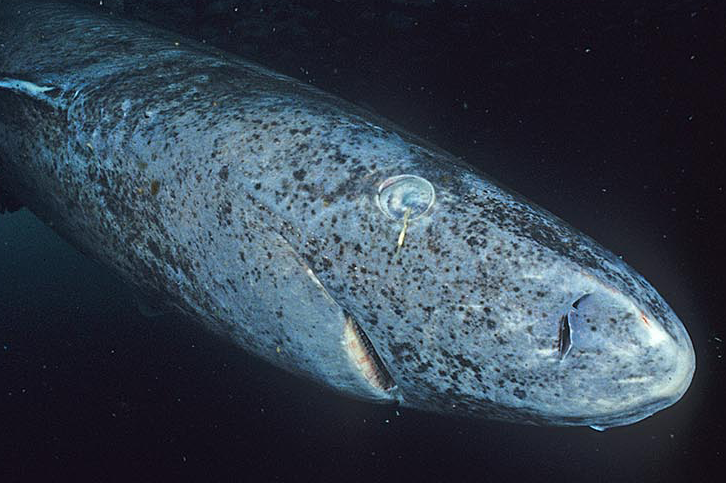
These massive sharks swimming around the Arctic can live for centuries, with the oldest recorded one estimated at around 512 years old. They grow incredibly slowly, only about a centimetre per year, and don’t reach sexual maturity until they’re around 150 years old. Scientists have examined their tissues and cells, but can’t fully explain why they age so slowly compared to other sharks.
Their cold environment definitely plays a role in slowing their metabolism, but that doesn’t explain everything because other Arctic fish don’t live anywhere near as long. The sharks’ proteins seem remarkably stable and resistant to damage over time, but the exact mechanisms protecting them from the usual cellular deterioration that comes with ageing remain unclear.
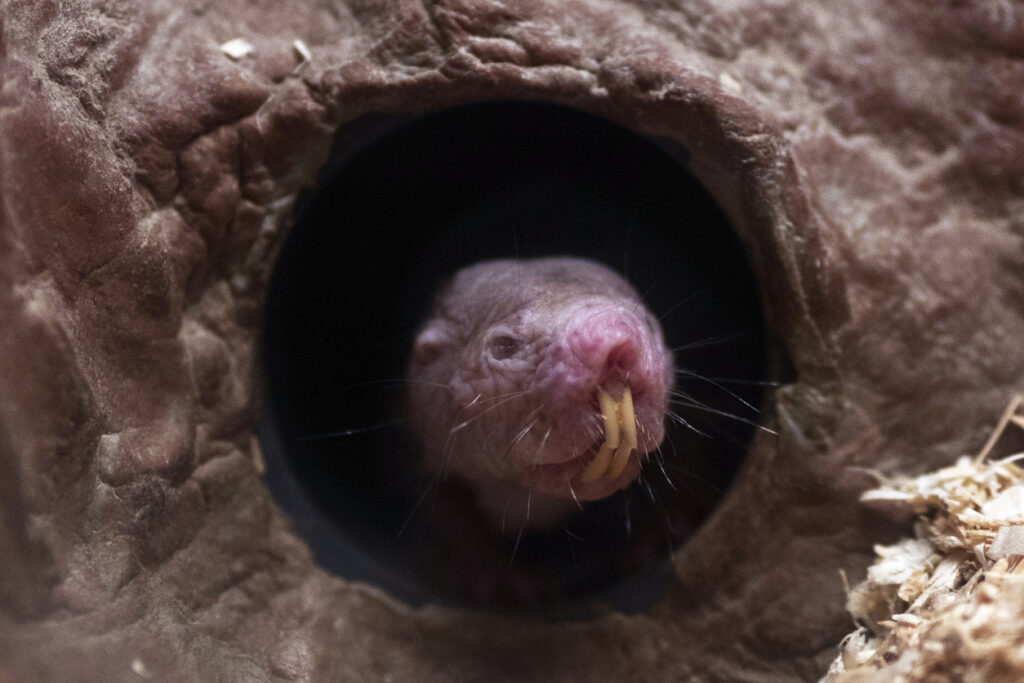
2. Naked mole rats ignore almost every rule of mammal ageing.

These wrinkly rodents can live over 30 years, which is absolutely mental for an animal their size when mice live about two years. They don’t show the normal signs of ageing that other mammals do, their risk of death doesn’t increase as they get older, and they maintain their fertility throughout their lives.
Cancer is virtually unheard of in naked mole rats despite them living so long, which has scientists particularly interested. Their cells produce extremely high-quality proteins that resist damage, and they’ve got unusual DNA repair mechanisms, but researchers still can’t pinpoint exactly why these adaptations work so effectively. The social structure where only one female breeds might play a role, but that doesn’t explain the biological mechanisms keeping individual mole rats healthy for decades.
3. Hydra can apparently regenerate indefinitely without ageing.
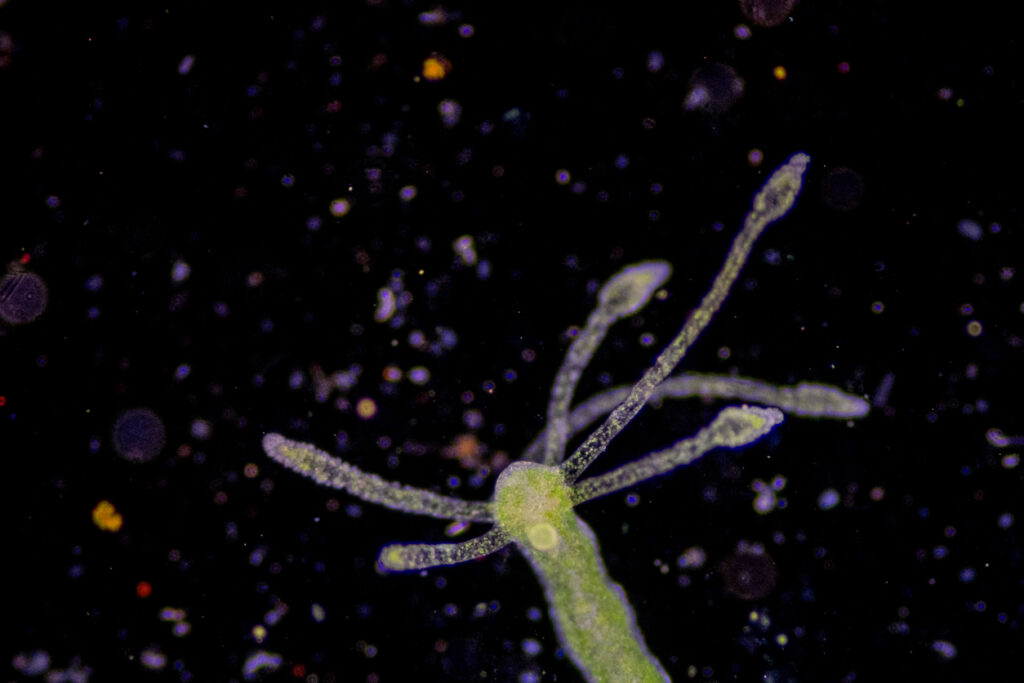
These tiny freshwater creatures don’t show any signs of ageing at all under laboratory conditions. They constantly regenerate their cells, with their entire body being replaced regularly, so they’re essentially always young. Scientists have watched hydra for years without seeing any decline in their reproductive ability or increase in mortality rates.
The mystery is how they maintain perfect cell regeneration without the errors accumulating that normally cause ageing in other organisms. Their stem cells seem to divide indefinitely without the telomere shortening that limits cell division in most animals. Researchers still don’t understand how they avoid the DNA damage and mutations that should build up over time with constant cell division.
4. Lobsters keep growing and don’t seem to get weaker with age.
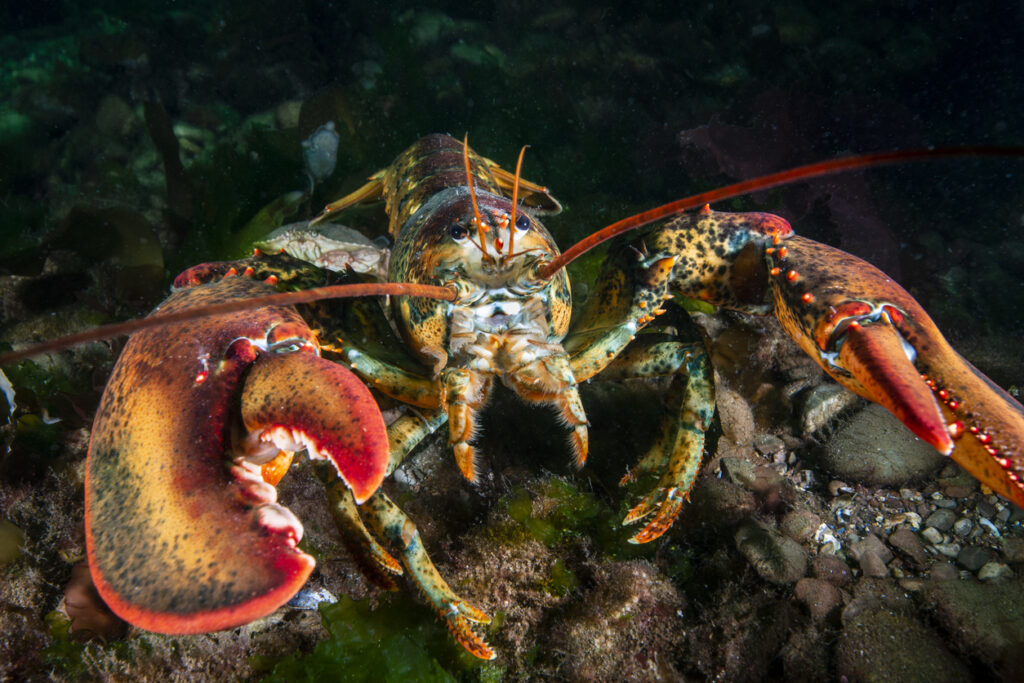
Lobsters don’t show typical ageing patterns and can theoretically live indefinitely if nothing kills them. They keep moulting and growing throughout their lives, and older lobsters are actually more fertile than younger ones, which is backwards from most animals. The enzyme telomerase remains active in their cells, which means their DNA doesn’t degrade the way it does in mammals.
What scientists can’t fully explain is why this doesn’t lead to cancer or other problems associated with uncontrolled cell division. Eventually lobsters do die, usually from the exhausting process of moulting when they get too large, but that’s different from age-related decline. The exact genetic and cellular mechanisms that allow this continuous growth without deterioration remain partially mysterious.
5. Turritopsis dohrnii jellyfish can reverse their life cycle and start over.
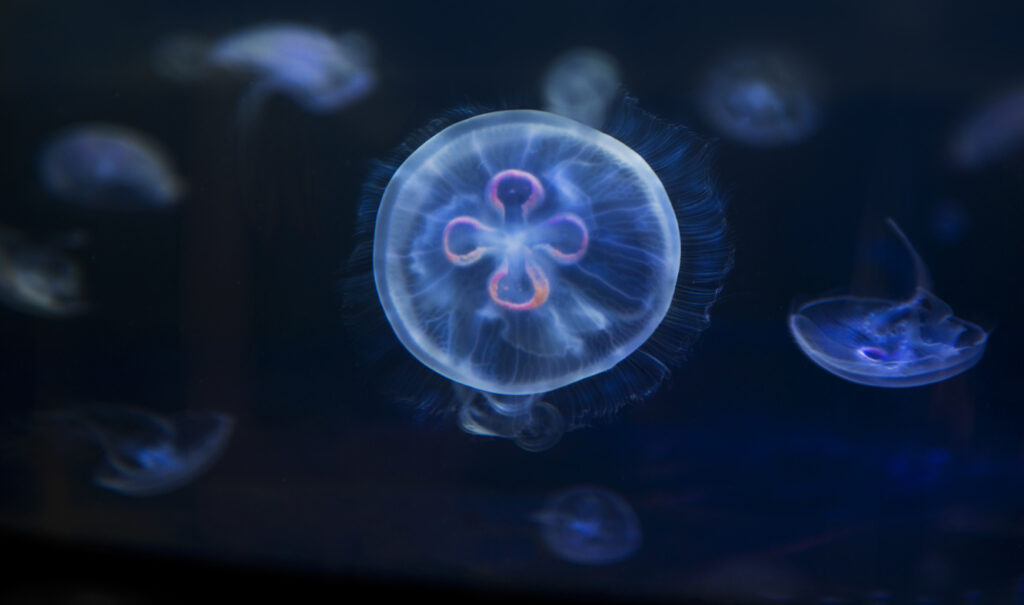
This jellyfish can literally revert from its adult form back to its polyp stage, essentially hitting the reset button on its life cycle when stressed or injured. It’s the only known animal that can completely reverse its developmental process like this. Scientists understand that the jellyfish’s cells can transform into different cell types through a process called transdifferentiation, but they don’t fully grasp how this happens without the usual restrictions on cell identity.
The jellyfish doesn’t die of old age in the traditional sense because it just transforms back into a younger form. Researchers are still figuring out the genetic switches that allow this transformation and why other animals can’t do the same thing.
6. Bowhead whales live over 200 years in freezing waters.
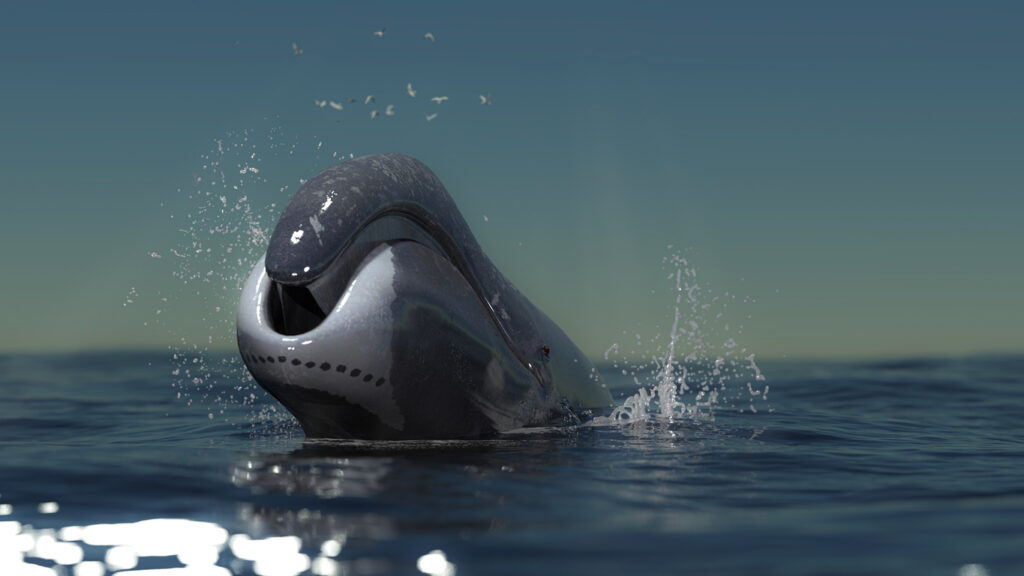
These Arctic whales have been found with harpoon points from the 1800s still embedded in them, proving they can live well over two centuries. Their cells have enhanced DNA repair mechanisms, and they produce proteins that are particularly good at maintaining cellular function. Scientists have identified some genetic differences that might explain their longevity, including changes in genes related to cancer resistance and DNA repair, but these don’t fully account for their extreme lifespan.
The cold environment slows their metabolism but doesn’t explain everything because other Arctic mammals don’t live nearly as long. Researchers are still working out how their bodies avoid the accumulated damage that normally comes with such a long life.
7. Giant tortoises can exceed 150 years without obvious ageing.
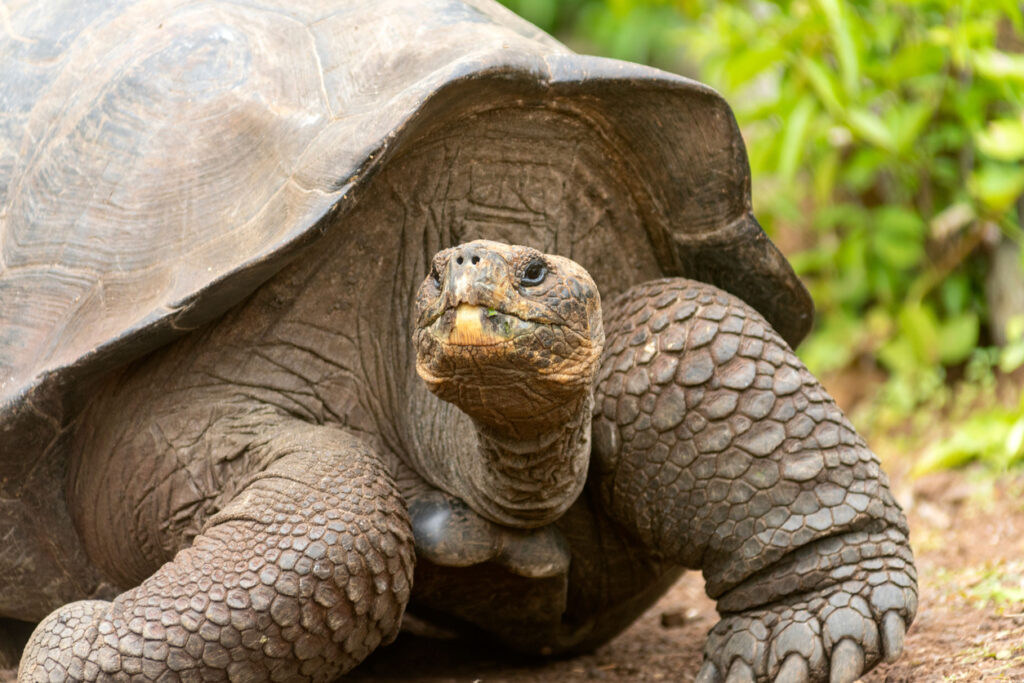
These massive reptiles on islands like the Galápagos live well over a century and don’t show the typical decline in organ function that most animals experience. Their metabolism is extremely slow, which helps, but that’s not the whole story because other slow-metabolizing animals don’t live as long. Their cells seem remarkably resistant to oxidative stress and DNA damage, but scientists haven’t pinpointed exactly what’s different about their cellular machinery.
Some research suggests their immune systems remain surprisingly effective even at advanced ages, but the mechanisms behind this aren’t fully understood. The tortoises also have unusually efficient cellular housekeeping that clears out damaged proteins and organelles, though how this stays so effective for so long remains unclear.
8. Ocean quahog clams live over 500 years on the sea floor.
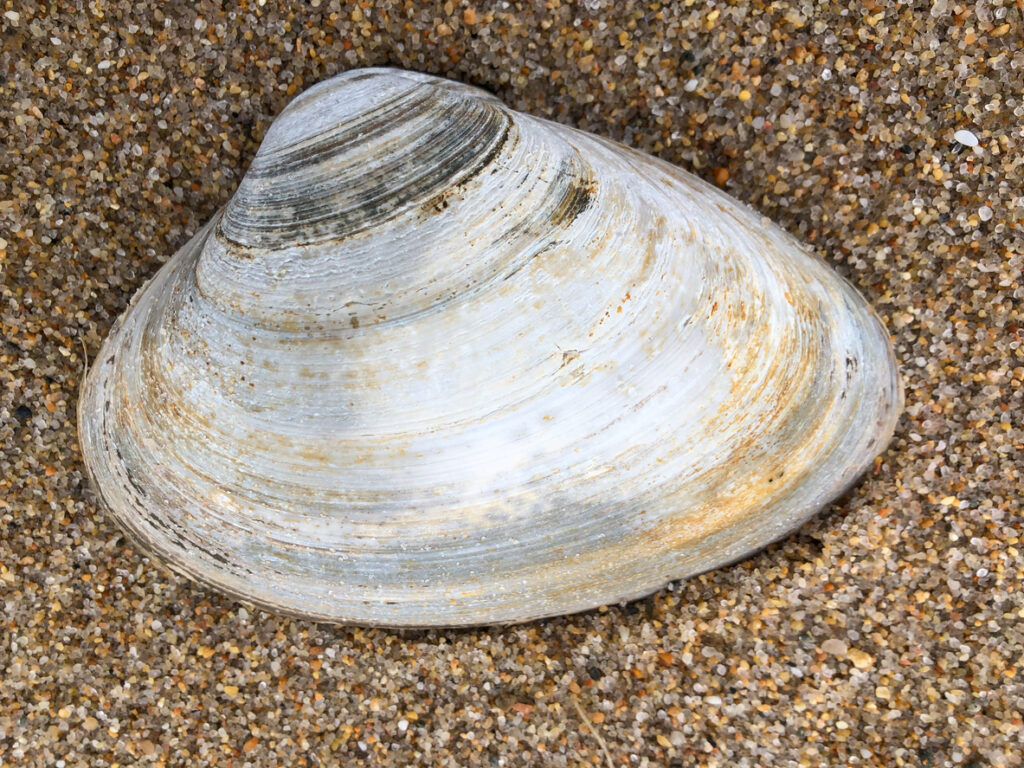
These clams sitting around on the ocean floor can live for centuries, with the oldest-known one reaching 507 years before researchers accidentally killed it. They grow incredibly slowly and their metabolism is extremely low, but that alone doesn’t explain their extreme longevity. Scientists have studied their shells and tissues, but can’t fully determine what protects them from the cellular damage that should accumulate over half a millennium.
Their proteins are unusually stable and resistant to breakdown, and they seem to have robust antioxidant systems, but the exact genetic and biochemical mechanisms remain partially mysterious. The clams also show very little metabolic activity, essentially existing in a state of very slow living, but how they maintain this without deteriorating is still being researched.
9. Rougheye rockfish can live over 200 years in deep water.
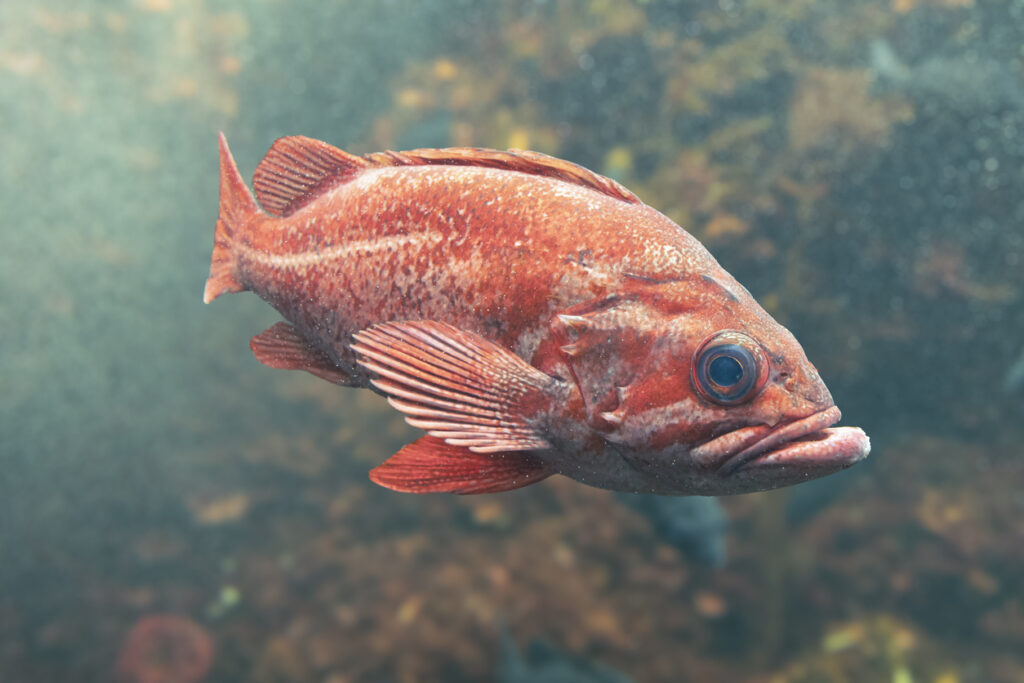
These fish living in the deep Pacific Ocean can survive for over two centuries, which is extraordinary for a fish. Their slow growth and cold deep-water environment contribute to their longevity, but researchers still don’t understand all the biological mechanisms at play. Their cells show resistance to stress, and they have efficient DNA repair systems, but these features don’t completely explain why they age so slowly compared to similar species.
Scientists have found some genetic variations that might be linked to their longevity, but they’re still working out how these genes actually function to extend lifespan. The fish also maintain their reproductive ability throughout their lives, which is unusual and suggests their bodies aren’t experiencing the typical age-related decline.
10. Glass sponges can survive for thousands of years.
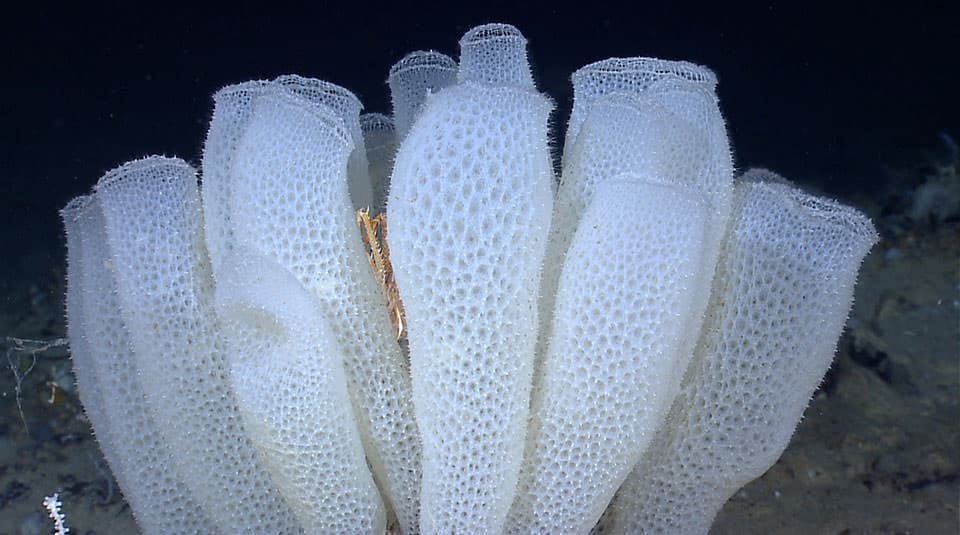
These deep-sea sponges have been dated at over 10,000 years old, making them some of the longest-lived animals on Earth. They grow extremely slowly and live in stable, cold environments, but that doesn’t fully explain their incredible longevity. Their bodies are made of silica glass-like structures that are essentially inert, which means they don’t need constant cellular replacement like most organisms.
Scientists don’t fully understand how the living cells within these structures avoid accumulating fatal damage over millennia. The sponges have minimal metabolic activity and very slow cell division, but the mechanisms protecting them from environmental damage and cellular deterioration over such vast timescales remain largely mysterious.