Most people treat the shed like a no-thinking zone: if it doesn’t fit in the house, it gets shoved out there and forgotten about.
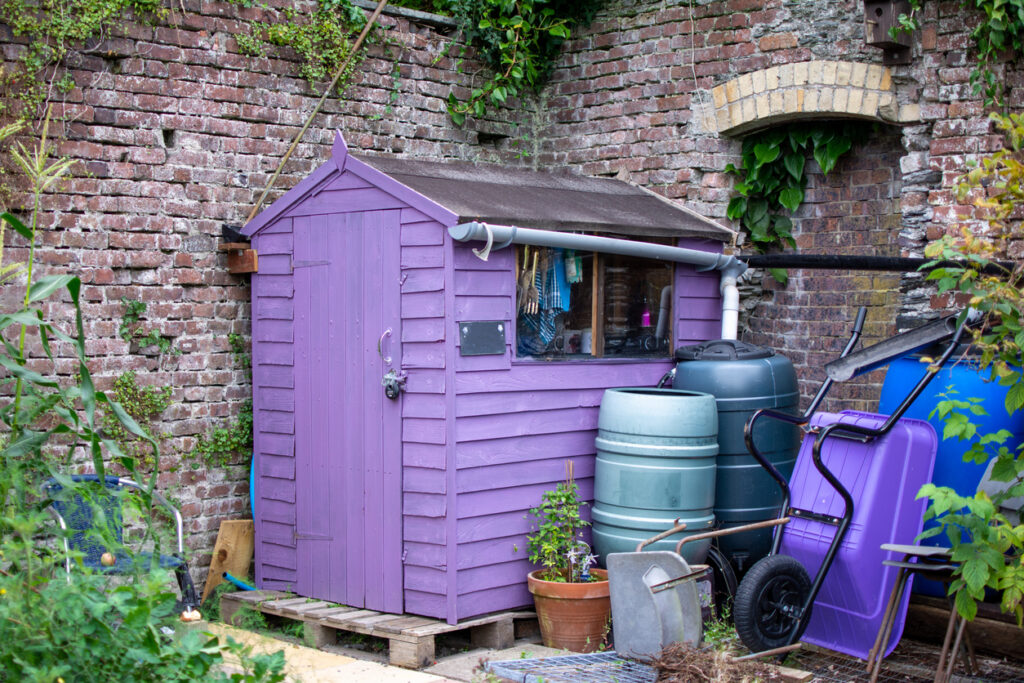
Old tins, half-used products, random bits you might need one day. The problem is that sheds aren’t neutral spaces. They heat up, freeze over, get damp, and sit unattended for months at a time.
Some of the things people casually store out there can become genuinely risky once you factor in temperature changes, poor ventilation, or simple neglect. Not in a dramatic, Hollywood way, but in the sort of slow, preventable way that leads to leaks, fires, fumes, or nasty surprises when you finally open the door. Knowing what doesn’t belong in a shed can save you a lot of hassle, and in some cases, a serious scare.
1. Paint tins and solvents
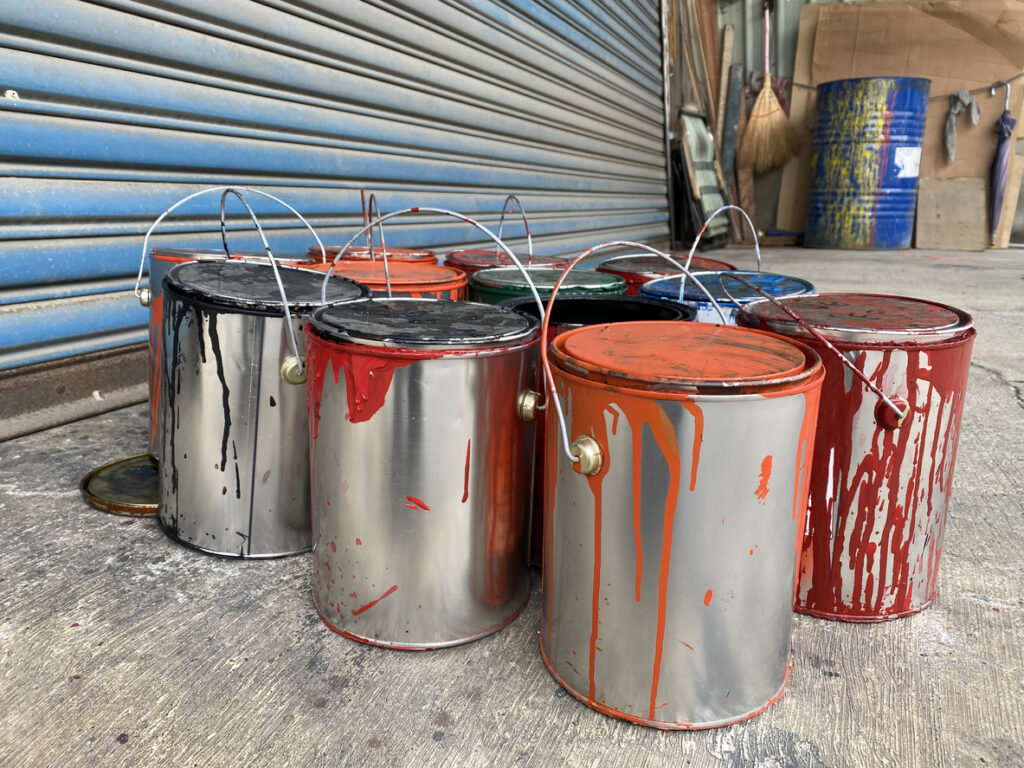
Most people stash old paint in the shed, but big temperature changes cause the contents to separate, expand or leak. Solvents become unstable in heat and give off fumes that linger in enclosed spaces. Over time, tins rust or burst and create a mess that’s difficult to clean safely. Paint lasts longer indoors where temperatures stay stable. Keeping tins in a cupboard or utility space protects both the paint and your shed from fumes and spills.
2. Gas canisters and BBQ cylinders
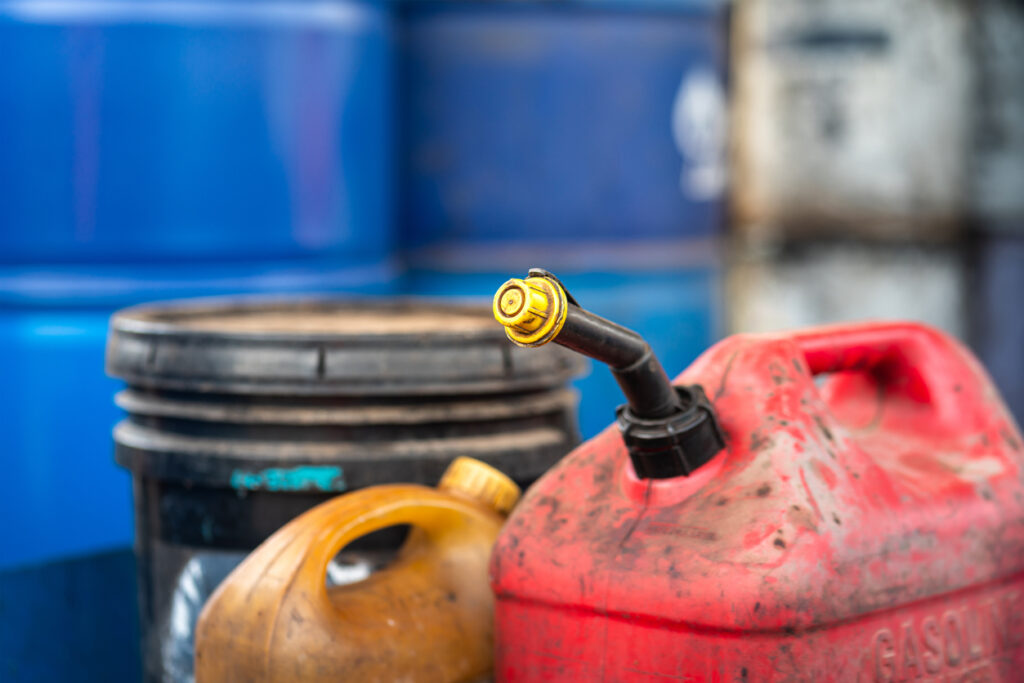
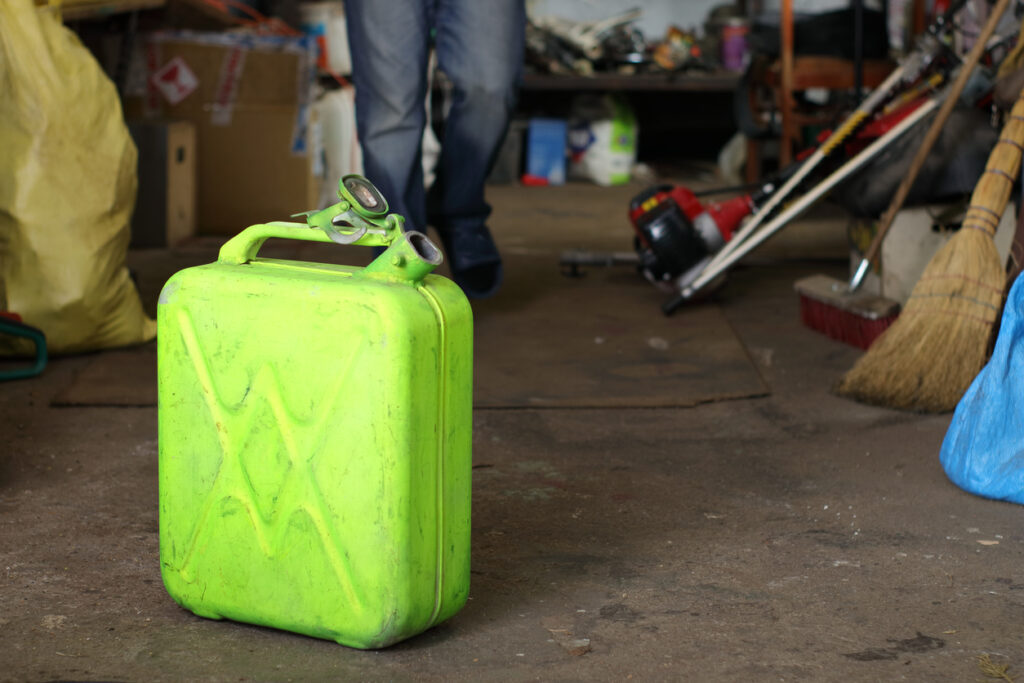
Storing gas in a shed is risky because sheds heat up quickly in summer and trap cold moisture in winter. Both conditions can weaken valves or cause pressure changes. A faulty canister in a confined wooden structure becomes a major fire risk. It’s safer to store gas canisters outdoors in a shaded, ventilated spot. This prevents dangerous pressure build up and reduces the risk if anything leaks.
3. Batteries of any kind
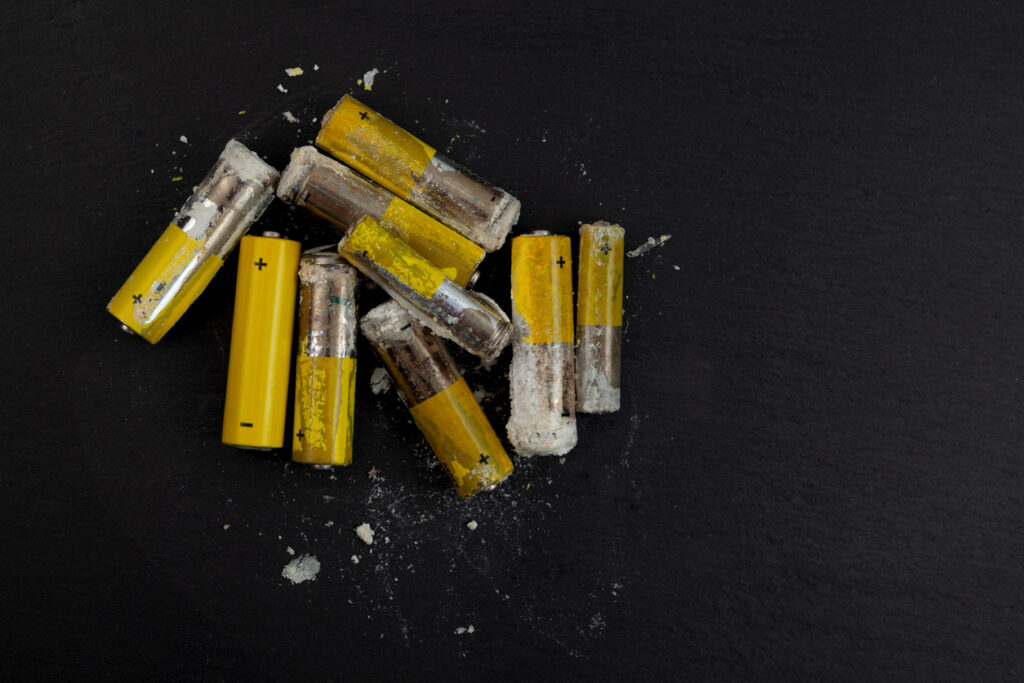
Car batteries, tool batteries and even loose household batteries react badly to moisture and damp. They corrode, leak or lose charge. Lithium batteries, in particular, can become unstable if exposed to extreme temperatures. Storing batteries indoors keeps them dry and safe. It also extends their lifespan and prevents hazardous leaks.
4. Fridges and freezers
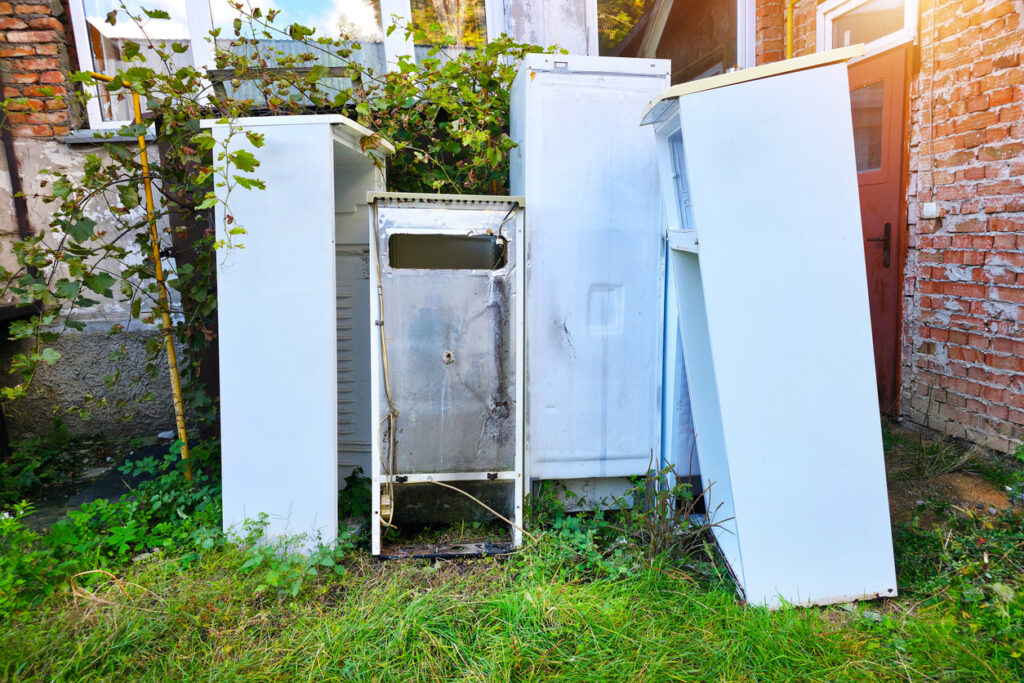
People often put old appliances in sheds to store extra food, but sheds fluctuate in temperature far more than the machines can handle. When it gets too cold, the coolant can freeze. When it gets too hot, the motor overworks and burns out. If you need extra storage, place appliances somewhere insulated and sheltered. They’ll run more efficiently and last longer.
5. Pet food and bird feed
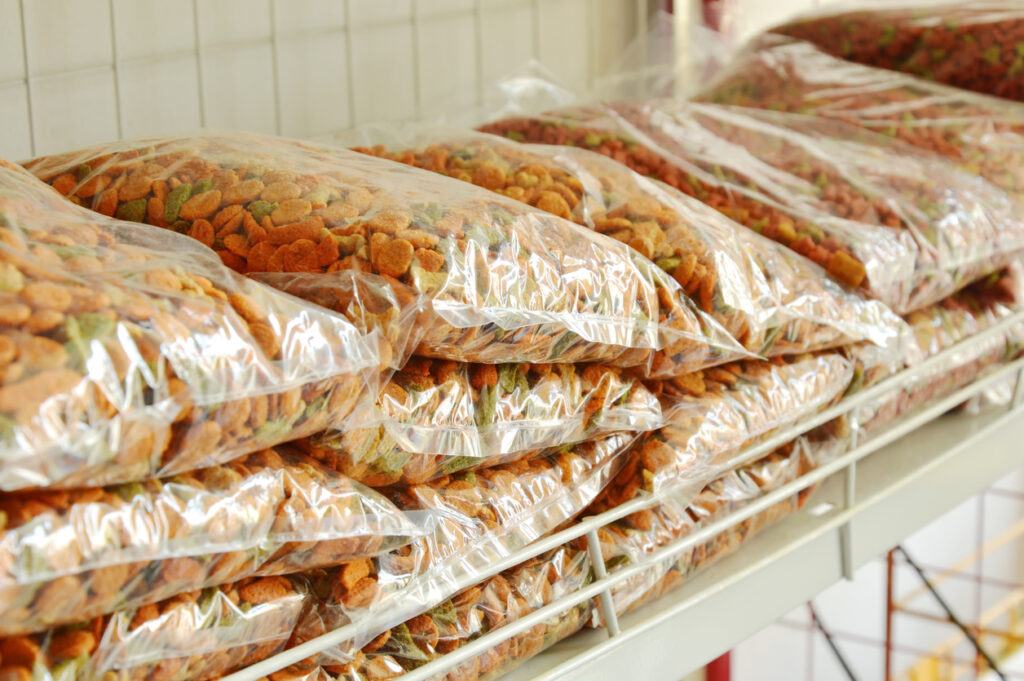
Food stored in sheds attracts rodents fast. Rats can smell it through bags and containers, especially in winter when they’re looking for easy meals. Damp sheds also encourage mould to grow in food stored too long. Keeping feed indoors avoids infestations and stops your pets or garden birds from eating contaminated food.
6. Fertilisers and weed killers
Many garden chemicals break down in heat or react when containers are exposed to moisture. Sheds aren’t sealed environments, so fumes can build up or chemicals can become less effective. Some substances even become dangerous when they degrade. Storing them in a cool, dry, secure cupboard keeps them stable and safer to use. It also reduces accidental exposure.
7. Paint strippers and strong cleaning products
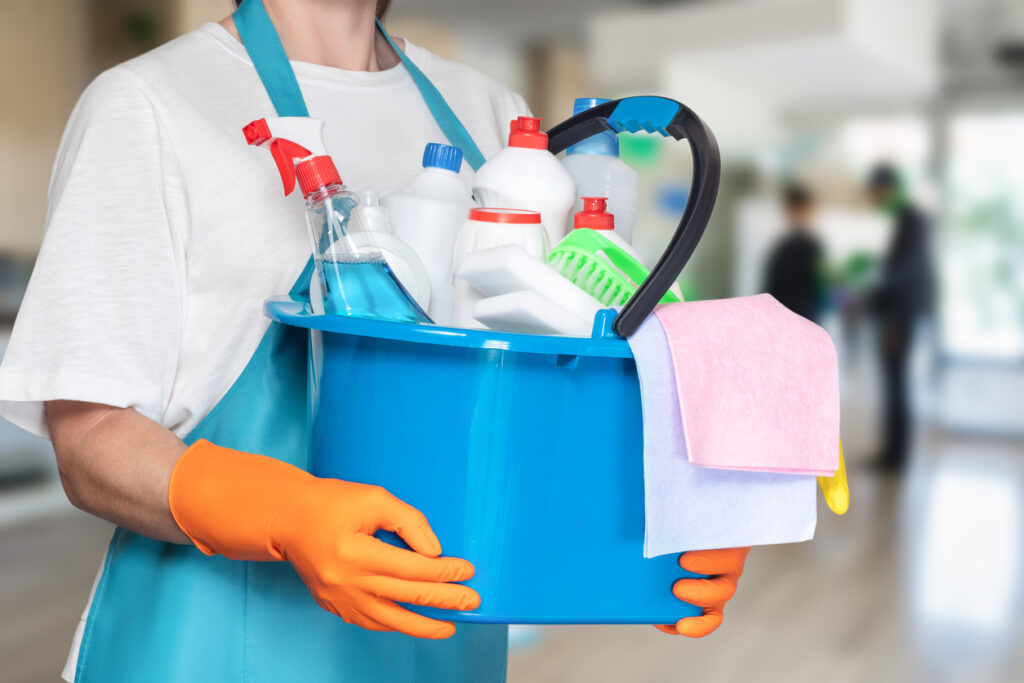
Chemicals that contain strong solvents or acids don’t mix well with fluctuating temperatures. In warm months, fumes intensify and pressure builds in the containers. In cold months, the liquids can thicken or separate. Keeping these indoors in a controlled environment prevents dangerous fumes and reduces the chance of leaks or spills.
8. Candles and matches
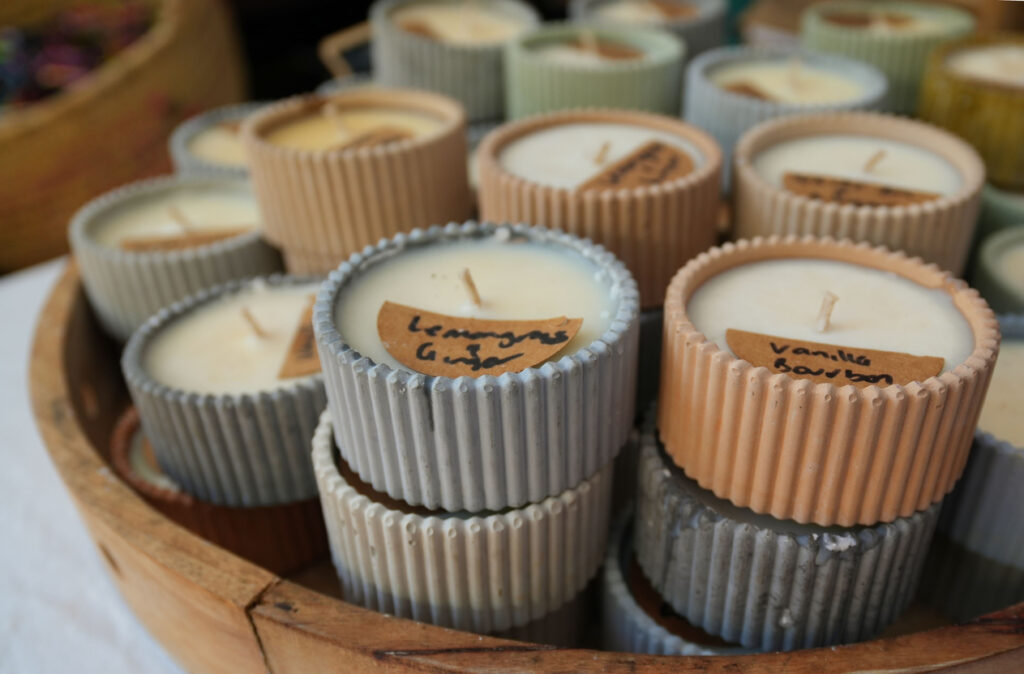
It’s easy to toss old candles and matchboxes into a shed, but wax melts and matches absorb moisture. This makes them unreliable or, in rare cases, unsafe. Damp matchboxes can ignite unpredictably if they dry unevenly. Storing candles and matches indoors keeps them in good condition and reduces any fire risk.
9. Electronics and power tools you rarely use
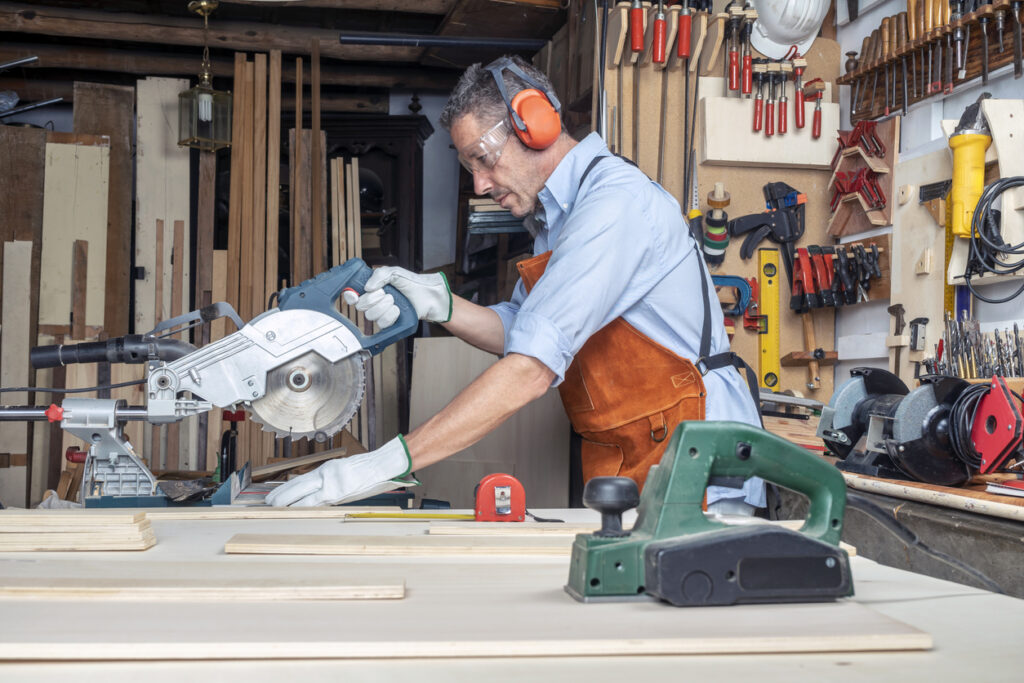
Damp sheds corrode metal parts and wiring much faster than you’d expect. Tools that worked last summer often fail the next time they’re used because moisture has already crept inside. Electronics can also short out or become unsafe. Keeping tools indoors or in a dry, insulated outbuilding extends their lifespan and keeps them safe to operate.
10. Important documents and valuables
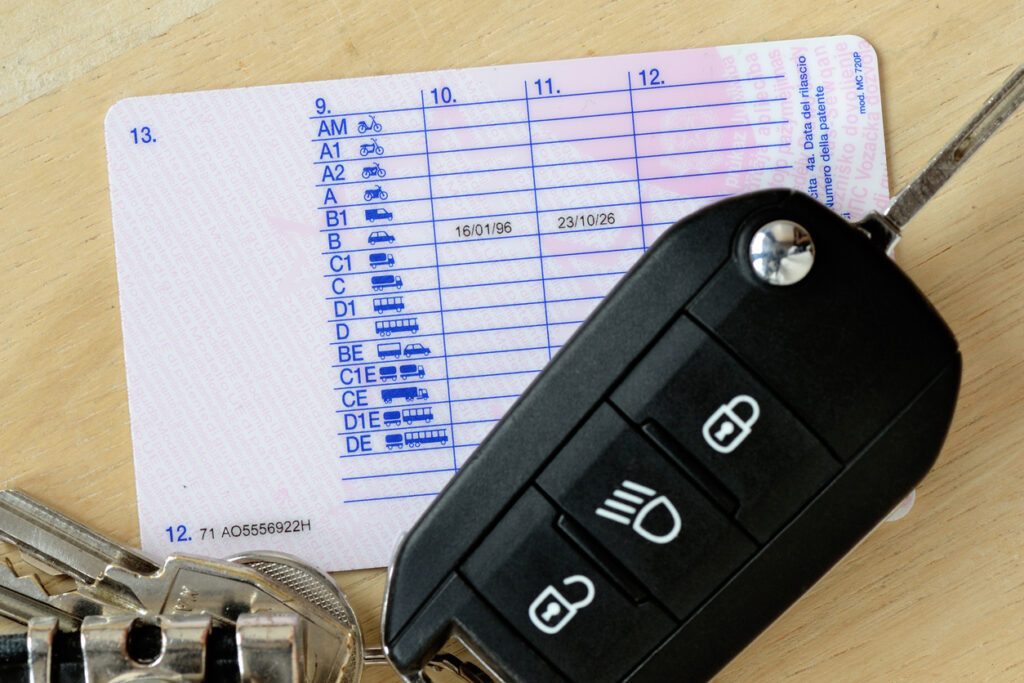
Sheds attract condensation, insects and rodents, all of which damage paper and personal items. Anything valuable, sentimental or irreplaceable shouldn’t be exposed to these conditions even for a short time. Storing important items inside your home protects them from weather, pests, and theft. Sheds simply aren’t secure or stable enough for anything you genuinely want to keep safe.