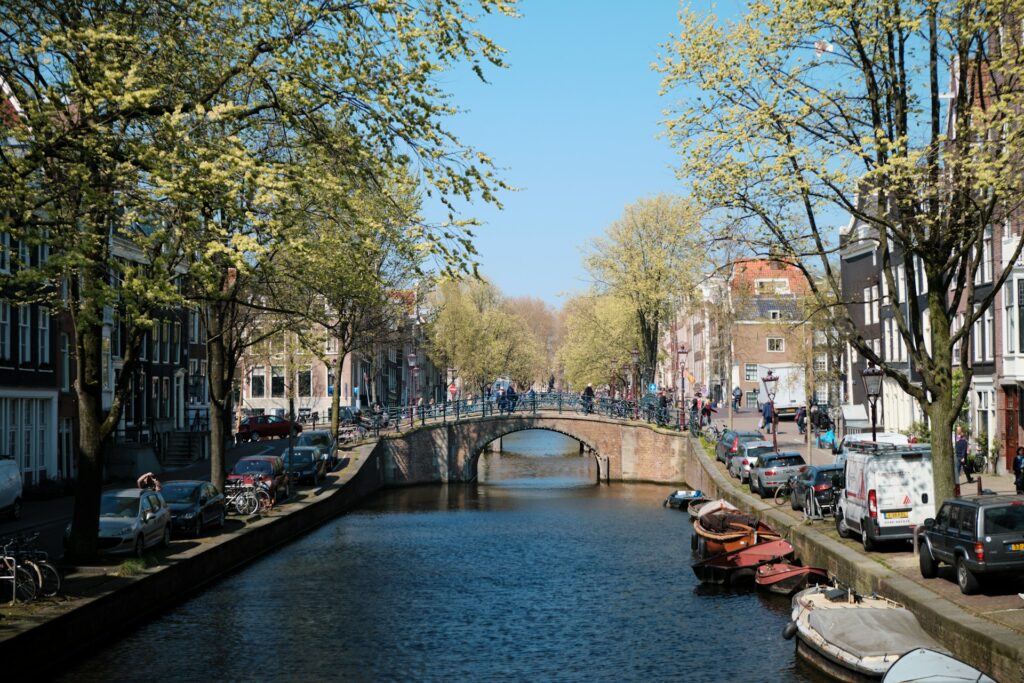
Amsterdam’s city council has agreed to spend €100,000 (about £85,000) on a network of small wooden staircases along its canals, officially called “wildlife exit routes,” to help cats and other small animals escape the water if they fall in. The initiative was prompted by reports from animal rescue group Dierenambulance Amsterdam, which recorded 19 cat drownings in the city’s canals over just six months. The Party for the Animals (PvdD), a Dutch political group focused on animal welfare and sustainability, proposed the motion to install the escape ramps, and it passed unanimously.
As reported in The Independent, these new staircases will be installed at high-risk points throughout the city. The money will come from unused funds already set aside in Amsterdam’s biodiversity plan, allowing the city to move quickly without the usual red tape. Local wildlife and rescue experts will work with city planners to determine the best locations based on data showing where animals most often fall in.
Why these ramps matter in a city of canals
@thehappybroadcast 😻😻😻 #news #selfcare #mentalhealth #hopecore #catsoftiktok ♬ original sound – The Happy Broadcast
Amsterdam has more than 100 kilometres of canals, with thousands of houseboats and walkways lining the water. While cats are good swimmers, the steep stone walls make it difficult for them to climb out. According to reporting from Euronews Green, wooden planks or metal steps, especially those fitted with mesh or textured material for grip, can mean the difference between life and death for a stranded pet or wild animal. Maggie Ruitenberg of the Katten Kenniscentrum Nederland (Dutch Cat Knowledge Centre) noted that one simple ramp can save many lives.
The idea isn’t new in the Netherlands. Earlier this year, the city of Amersfoort rolled out a similar programme, installing roughly 300 “cat ladders” along canals, as reported by DutchReview. Their effort was praised as a practical example of urban design meeting animal welfare, and the city worked closely with local residents to pinpoint problem areas. Amsterdam now appears to be following that model, with experts hoping it could inspire other canal-based cities across Europe to do the same.
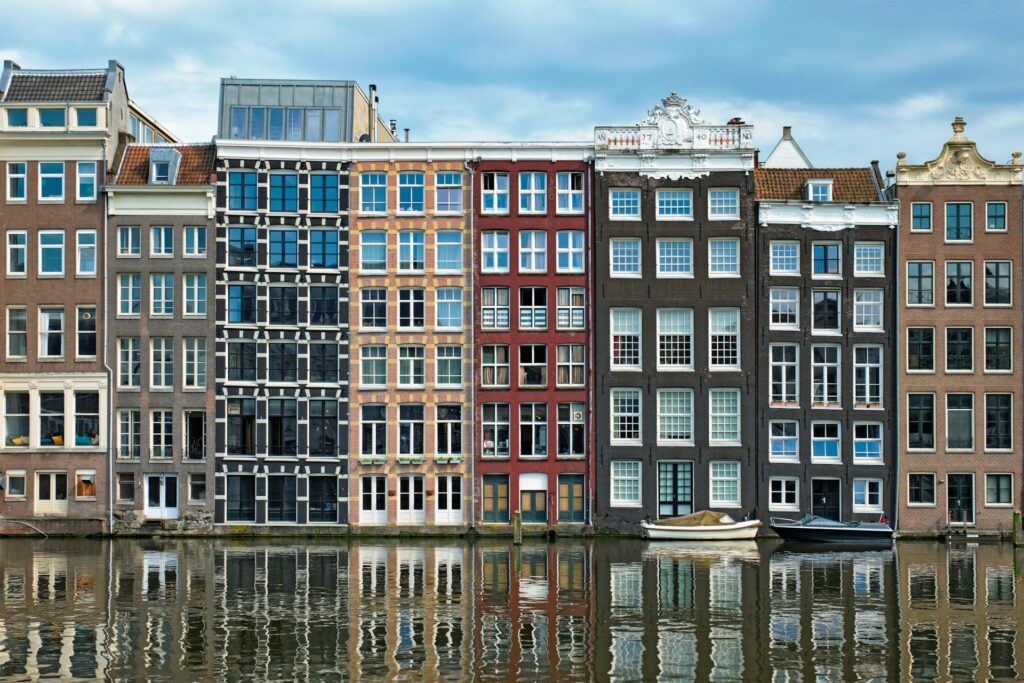
This isn’t just about pets either. Wildlife groups have documented ducklings, hedgehogs, and even larger mammals like otters struggling to get out of Dutch waterways. As the Independent also pointed out, while cats have captured most of the public’s attention, these new exit points will likely help a wide range of animals.
The city says the first ramps should be in place by the end of the year. Dierenambulance Amsterdam, which operates a 24/7 rescue service, will help monitor the results and continue advising the council on best practices.
It’s a simple intervention, but one that makes a real difference. In a city so defined by its waterways, even a small structure like a wooden ramp can quietly save dozens of lives a year. It also reinforces the idea that cities can and should make space, not just for people, but for the animals we share them with.