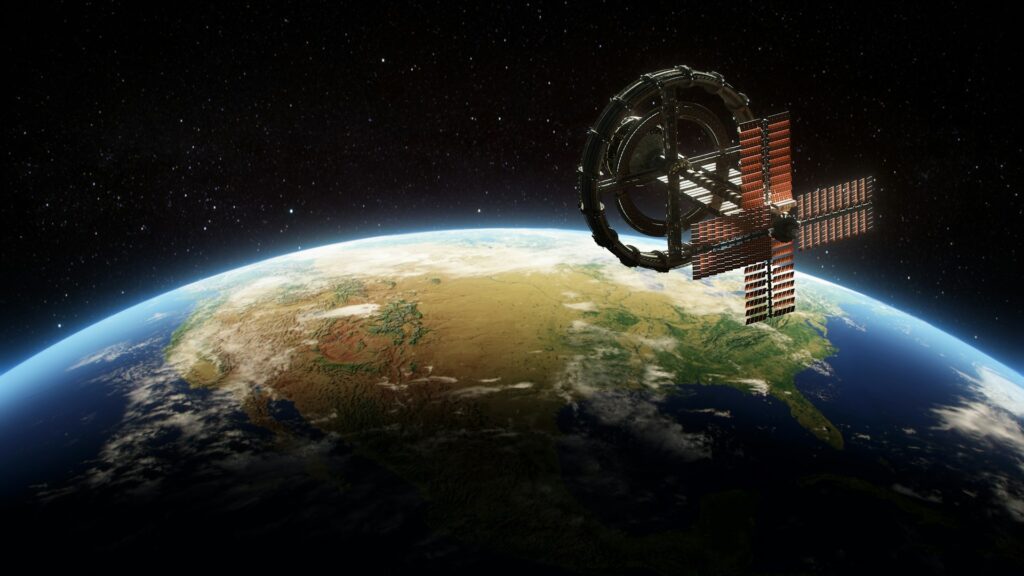
Students at Croydon High School in South London are about to make history as the first all-girls school in the world to design, build, and launch a satellite into orbit. The team of pupils, aged between 11 and 18, are behind Mission Pegasus, an ambitious project that has already drawn attention from the aerospace industry and the national media. As reported by BBC News, the group’s aim is simple but groundbreaking: to show that young women can take on the same engineering and scientific challenges that have long been dominated by men.
The students, who call themselves “The Astrogazers,” have spent months working on the satellite’s design, which will collect data about the Earth’s atmosphere once it’s launched. They’ve partnered with aerospace engineers and scientists to ensure the CubeSat, a type of small, modular satellite, meets international standards for flight. The school’s physics department has been leading the project with help from the University of Surrey Space Centre, where researchers have guided the girls through stress-testing, sensor calibration and communications design.
They’re building something that really leaves the ground.
Mission Pegasus follows an earlier success called Mission Aspiration, where Croydon High students launched weather balloons to near-space altitudes to capture photos of Earth’s curvature. That experience gave them a foundation in practical physics and systems testing. Now, their work has scaled up dramatically. The team has tested components using high-altitude balloons and simulated launch conditions with support from industry partners. They’ve even flown prototype equipment aboard the FAAM Airborne Laboratory, which conducts atmospheric research flights across the UK, to gather real environmental data at altitude.
This level of exposure to professional engineering is almost unheard of at school level. Every detail of the project, from the circuit boards and software to the satellite’s thermal shielding, has been designed or assembled by the students themselves. The process has taught them more than just physics and coding; it’s introduced them to project management, teamwork and resilience. When one test module failed, they analysed the fault and redesigned it within weeks. For most of these students, it’s the first time they’ve seen failure as part of success.
@dovehepburn All school girl group aiming to be the first all girls team, to launch a satellite (UK/Space) – 1st/Jul/2025 #Clips #DameDoveHepburn #DoveHepburn #DoveHepburnNews #ForYou #Fyp #News ♬ original sound – Dame Dove Hepburn
The girls plan to launch their finished satellite in 2026 or 2027, pending final approval and a partnership with a commercial rocket provider. Once in orbit, it will transmit real-time data back to the school’s ground station, giving them access to information gathered directly from space, and that’s something no other school in the world has done in this way.
The project’s impact stretches far beyond Croydon. It addresses one of the biggest gaps in British science education: gender representation in STEM. According to data from the WISE campaign, women still make up less than 30% of the UK’s core STEM workforce, and the figure is far lower in fields like aerospace engineering. Croydon High’s satellite project is an explicit response to that imbalance, proving that girls can not only study science but lead cutting-edge research.
Teachers at the school say the goal is not just to teach physics, but to change perception. The head of physics, Arabi Karteepan, told reporters that seeing the students take ownership of such a technically demanding project has been “transformational,” explaining that it has shifted how younger pupils view what’s possible for them. Many of the girls now plan to pursue degrees in physics, mechanical engineering and computer science—ambitions they might not have considered before this began.
From classroom to orbit, this is a big deal.
Behind the excitement lies an enormous amount of technical and logistical work. The team must ensure their CubeSat meets all UK Space Agency safety and compliance standards, including orbital debris regulations and frequency licensing. They’ve already begun that process, securing guidance on how to avoid radio interference and ensuring that the satellite will deorbit safely once its mission is complete.
Each student takes on a specific role: one team manages power systems, another handles telemetry and signal communication, while others focus on the structural integrity of the satellite’s casing. It’s a miniature version of a professional mission control team, run entirely by pupils who are still in secondary school. Their mentors include engineers from Surrey Satellite Technology Limited and academic advisers from the University of Bristol.
Croydon High’s approach reflects a broader national trend. The UK government has been pushing to grow its domestic space sector through investment and education, outlined in its National Space Strategy. Programmes like this feed directly into that mission, preparing the next generation of scientists and engineers for a global industry expected to be worth over £400 billion by 2030.
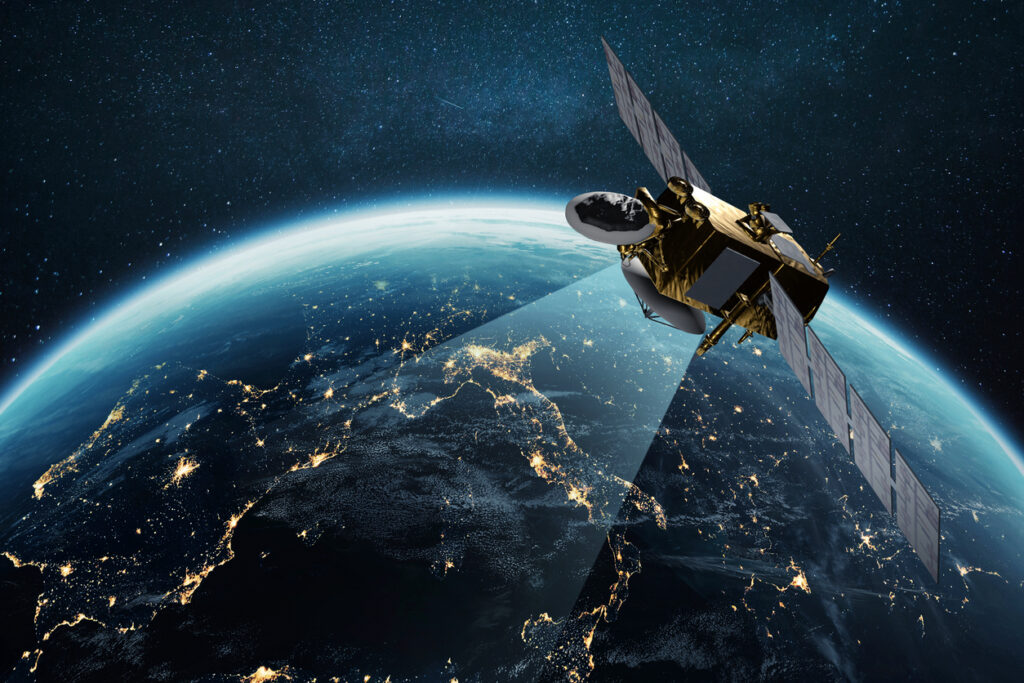
It’s easy to dismiss a school satellite as a novelty, but projects like Mission Pegasus play a serious role in inspiring innovation and closing gender gaps in STEM. For the girls involved, it’s more than an academic challenge. It’s a proof of capability, a statement that their curiosity and skill can literally reach orbit. The data they collect could even have scientific value, contributing to environmental monitoring and atmospheric research.
For the wider education sector, Croydon High’s story sets a precedent. If an all-girls school can build and launch a satellite, then the barrier to entry for meaningful STEM learning in schools has just shifted. Other schools across the UK are already watching closely, hoping to replicate the model with their own space and engineering programmes.
When the launch finally happens, the students will gather in their school grounds to watch their satellite break through the atmosphere. That’s the result of years of learning, teamwork, and belief. For them, it won’t just be a scientific milestone. It’ll be proof that the sky isn’t a limit anymore; it’s just the beginning.