
The animal kingdom is full of species equipped with formidable weapons and hunting abilities that could easily cause harm, yet many of them live surprisingly peaceful lives. These creatures possess the physical tools for violence but have evolved behaviours and social structures that prevent unnecessary aggression. Understanding which animals fall into this category reveals how evolution favours restraint just as much as it does deadly capability.
1. Gorillas have immense strength but are gentle giants.
A silverback gorilla possesses enough raw power to tear a human apart without much effort, with arms that are six times stronger than an adult man’s. Despite this incredible strength and their intimidating chest-beating displays, gorillas are predominantly peaceful herbivores who spend their days eating plants and caring for their family groups. They’ll only use force when directly threatened or when protecting their troop, and even then, they often rely on displays and bluffs rather than actual violence.
Most aggressive encounters between gorillas involve posturing and noise rather than physical contact because inflicting serious injury on another gorilla would be counterproductive to their social structure. Their restraint is particularly remarkable when you consider they could dominate almost any situation through force alone but choose cooperation instead.
2. Hippos could destroy anything, but mostly want to be left alone.
Hippos have massive jaws capable of biting a crocodile in half and teeth that can grow up to 50 centimetres long, making them one of Africa’s most dangerous animals when provoked. Yet, they spend most of their time peacefully grazing on grass at night and lounging in water during the day, attacking only when they feel threatened or when protecting territory.
Their reputation as aggressive comes from defensive behaviour rather than predatory instinct, and they’re actually herbivores with no interest in hunting or killing for food. A hippo’s powerful bite evolved for competing with other hippos and deterring predators, not for routine violence. The vast majority of hippos live their entire lives without seriously harming anything, despite having the tools to be absolutely devastating.
3. Cassowaries are lethal, but prefer to hide.
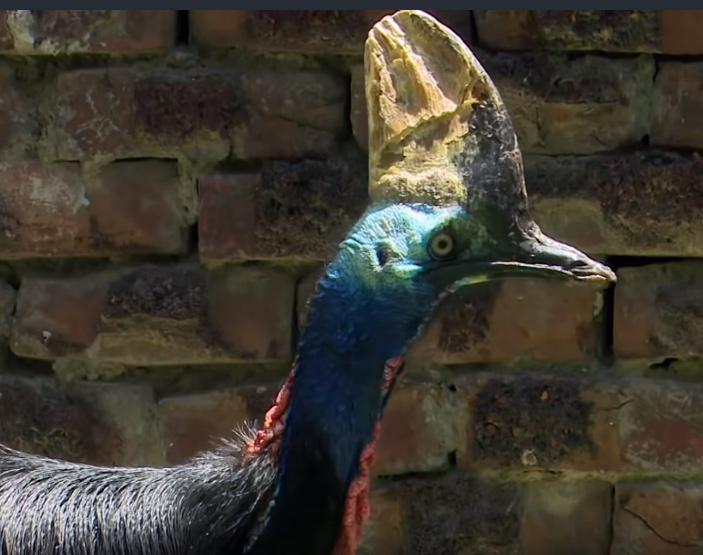
These Australian birds have claws that can disembowel a person with a single kick and have killed humans on rare occasions, yet they’re shy forest dwellers who avoid confrontation whenever possible. A cassowary would rather run away or hide than fight, using its deadly kicks only as an absolute last resort when cornered or protecting chicks.
They’re frugivores who spend their time eating fallen fruit and wandering through rainforests, not looking for things to attack. Their dagger-like claws evolved primarily for moving through dense vegetation and scratching at the forest floor, with defence being a secondary function. Most cassowary encounters with humans end with the bird fleeing rather than fighting, despite having weapons that make them one of the world’s most dangerous birds.
4. Male elephants have tusks as weapons, but rarely use them lethally.
Bull elephants can weigh up to six tonnes and have tusks capable of impaling anything they encounter, yet they spend most of their time peacefully foraging and socialising. When male elephants spar with each other during musth or for dominance, they typically engage in pushing matches rather than trying to injure each other seriously.
Their tusks are used primarily for digging, stripping bark and moving objects, with fighting being relatively uncommon. Even when elephants do fight, they have an unspoken code that prevents them from pressing attacks on defeated opponents or using their full lethal potential. An elephant could easily kill a human, but attacks are extremely rare and usually result from perceived threats rather than aggressive intent.
5. Leopard seals are apex predators that show surprising curiosity.
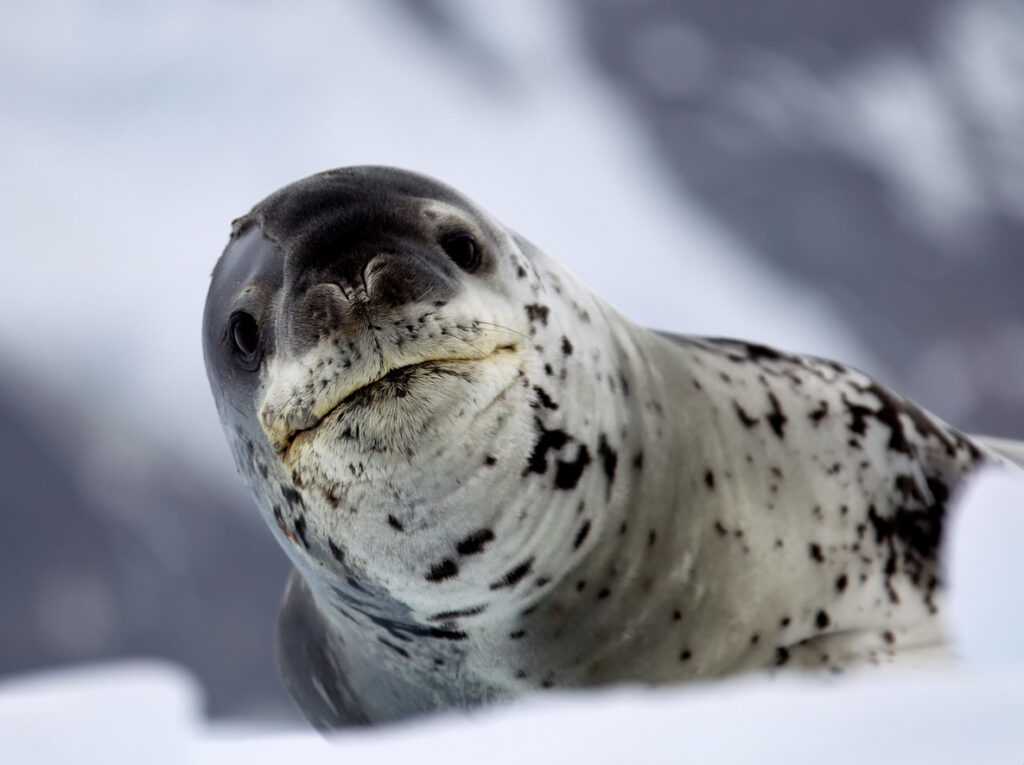
These Antarctic seals have jaws full of interlocking teeth designed to grip and tear penguins and other prey, making them formidable predators. Despite this predatory design, leopard seals have been documented showing gentle, curious behaviour toward humans, sometimes even bringing gifts of penguins to researchers. They’re capable of incredible violence when hunting but display remarkable restraint in situations where they could easily harm but choose not to.
Most of their hunting is directed at their natural prey, and encounters with humans rarely result in aggression, despite the seal’s obvious capability to cause serious injury. Their behaviour suggests a level of decision-making about when to deploy their killing abilities, rather than operating on pure instinct.
6. Wolves have pack-hunting skills but avoid unnecessary conflict.
Wolf packs possess sophisticated hunting techniques and powerful jaws that can bring down animals much larger than themselves, yet they go to great lengths to avoid fighting with other wolves. When different packs encounter each other, they typically engage in howling matches and scent marking rather than physical confrontation because the risk of injury is too high.
Within the pack, dominance is established through body language and minor displays rather than serious fighting, with actual violence being remarkably rare. Wolves could easily kill most animals they encounter, but they’re selective hunters who only take what they need and actively avoid wasting energy on unnecessary aggression. Their restraint extends to humans as well, with wolf attacks being extraordinarily uncommon despite their fearsome reputation.
7. Moose could trample almost anything, but usually just want space.
A fully grown moose can weigh 700 kilograms and has hooves sharp enough to kill a wolf with a single kick, not to mention antlers that can span two metres. These massive herbivores spend their days eating aquatic plants and browsing on trees, only becoming aggressive when they feel cornered or during breeding season.
Most moose encounters involve the animal simply walking away or ignoring humans entirely, despite having the physical tools to cause tremendous damage. Their power evolved for surviving harsh environments and competing with other moose, not for attacking everything they meet. The restraint they show is particularly notable because they’re solitary animals without social structures enforcing peaceful behaviour.
8. Honey badgers are fearless fighters that mostly hunt small prey.
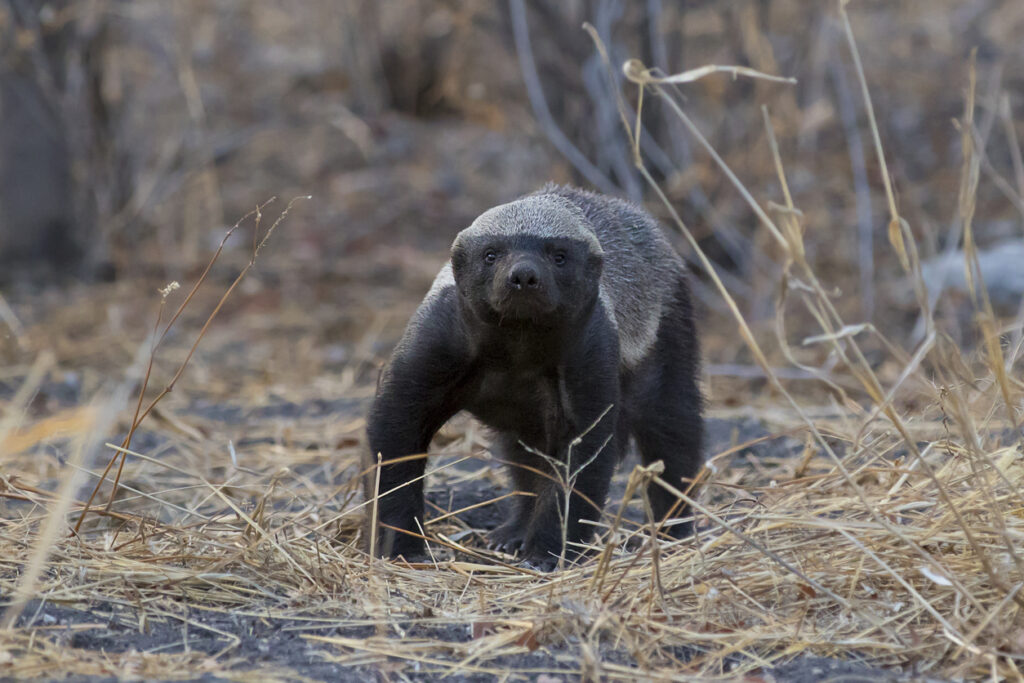
Honey badgers have earned a reputation as one of the toughest animals on Earth, with loose skin that protects them from bites and claws strong enough to break through tortoise shells. Despite being able to fight off lions and survive venomous snake bites, they spend most of their time digging for insects, small rodents and honey. Their aggressive reputation comes from their fearless defence when threatened, not from them actively seeking out large prey to attack.
A honey badger could theoretically cause significant damage to many animals but chooses to focus its energy on foraging rather than unnecessary combat. Their restraint is practical rather than social, but it demonstrates that even notoriously fierce animals don’t use their full capabilities most of the time.
9. Great white sharks are apex predators with remarkable control.
Great whites possess rows of serrated teeth and bite force exceeding 1.8 tonnes, making them one of the ocean’s most effective killers. Yet, they’re surprisingly cautious and investigative, often bumping potential prey with their nose before deciding whether to attack.
Most interactions between great whites and humans end without serious harm because the shark realises we’re not their preferred prey and chooses to leave. They’re capable of incredible violence but display selective hunting that suggests decision-making rather than mindless aggression. Their restraint comes from energy conservation and prey preference rather than social structure, showing that even solitary predators don’t kill indiscriminately.
10. Chimpanzees have strength and teeth for fighting but maintain social peace.
Chimps are roughly five times stronger than humans and have canine teeth capable of inflicting terrible wounds, yet most of their time is spent grooming, playing and foraging peacefully. Within their communities, they’ve developed complex social systems that prevent constant violence despite living in close quarters with natural weapons.
Serious fights do occur, particularly between rival groups, but day-to-day life involves cooperation and restraint rather than using their full physical capabilities. Their powerful build evolved for climbing, competing with other males and occasional hunting, not for constant aggression. The fact that chimps can be violent makes their usual peaceful coexistence all the more remarkable, showing that possessing deadly tools doesn’t mean using them constantly.
11. Komodo dragons have venomous bites but are patient hunters.
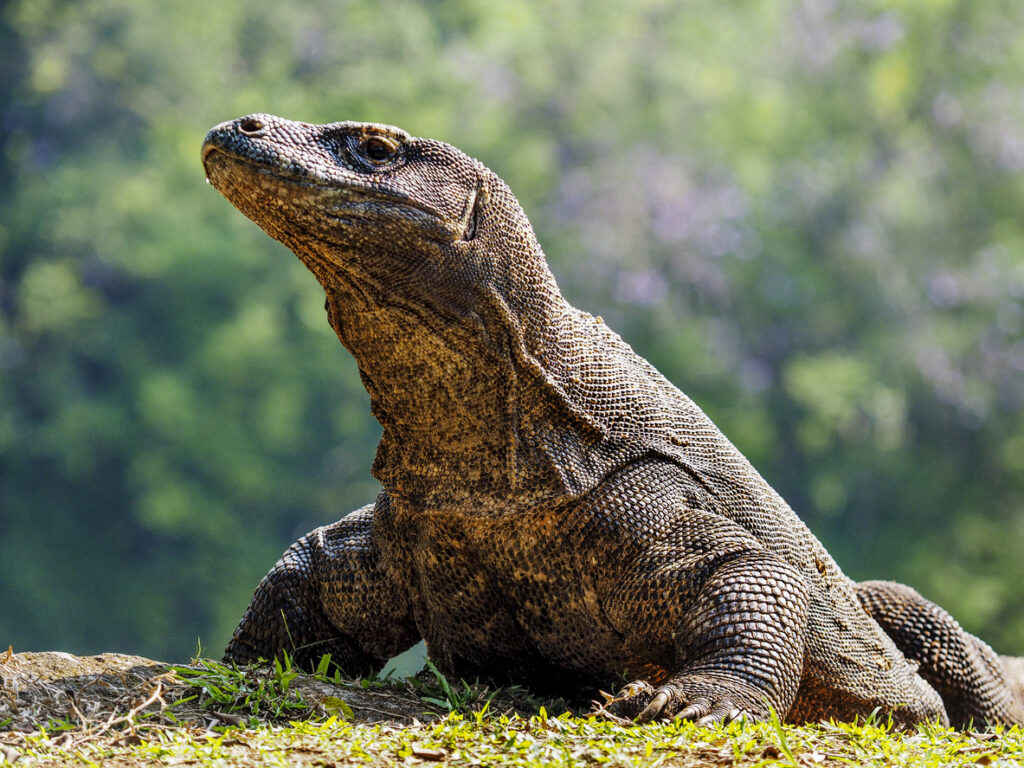
These massive lizards have mouths full of bacteria and venom that can kill prey through a single bite, yet they spend most of their time basking in the sun and conserving energy. Komodo dragons are ambush predators who wait patiently for opportunities rather than actively pursuing everything they encounter. They’re capable of taking down water buffalo, but often feed on carrion and smaller prey, choosing easier meals over using their full predatory potential.
Their hunting strategy involves a calculated bite followed by tracking wounded prey over days, showing restraint and planning rather than frenzied attack. Most of the time, these powerful predators are simply lying still, demonstrating that even deadly hunters spend the majority of their lives doing nothing violent at all.
12. Grizzly bears have claws and jaws for killing but eat mostly plants.
Grizzlies possess claws up to 10 centimetres long and a bite force of over 1,100 pounds per square inch, yet roughly 90% of their diet consists of berries, roots, and plants. They’re omnivores with the tools of a predator but the eating habits of a herbivore, only occasionally hunting or scavenging meat. Most grizzly bear encounters with humans end with the bear leaving the area rather than attacking, despite having overwhelming physical advantage.
Their powerful build evolved for digging, competing with other bears and surviving harsh winters, not primarily for hunting. The restraint they show is particularly impressive during salmon runs when they’re surrounded by easy food and other bears, yet serious fights remain relatively uncommon.
13. Orcas are the ocean’s top predators that have never killed a human in the wild.
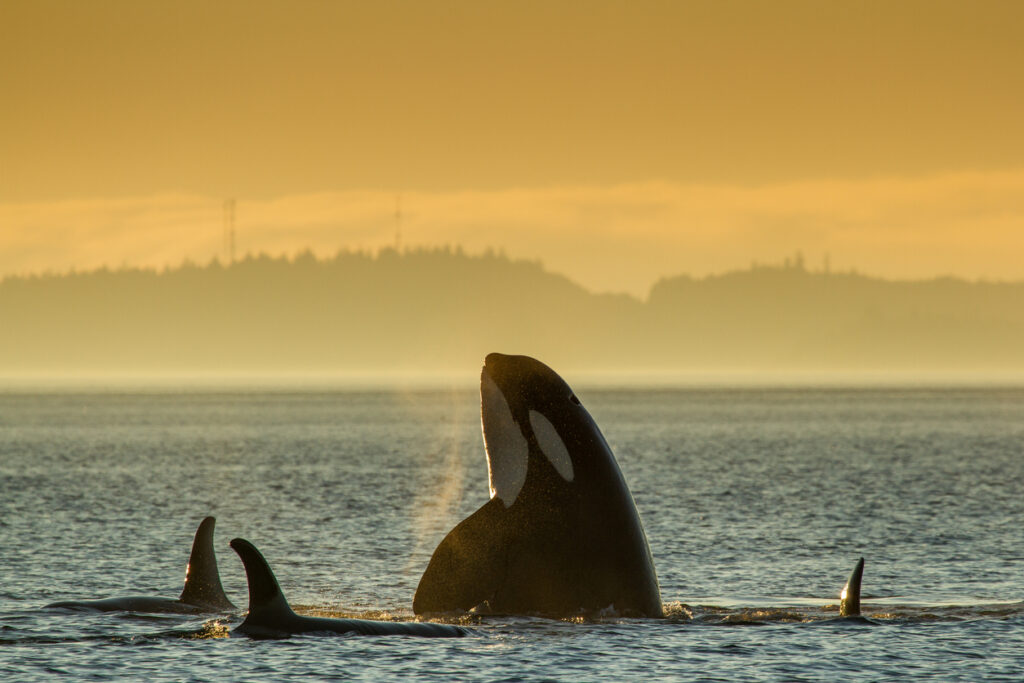
Killer whales have teeth designed for gripping large prey and the intelligence to hunt in coordinated packs, making them capable of taking down anything in the ocean. Despite this formidable capability and their name, there’s never been a confirmed fatal attack on a human by a wild orca. They’re selective hunters who recognise different prey species and choose what to eat rather than attacking everything they encounter.
Orcas have been observed showing curiosity and even playfulness toward humans, deliberately choosing not to use their considerable power. Their restraint is particularly remarkable because they have the intelligence to know exactly what they’re capable of, yet they consistently choose not to harm humans.
14. Crocodiles are perfectly designed killers that spend most time doing nothing.
Crocodiles have remained virtually unchanged for millions of years because their body design is so effective for ambush hunting, with jaws that can crush bone and a death roll that tears prey apart. Yet, these prehistoric predators spend roughly 95% of their time completely motionless, basking or floating, conserving energy for the rare hunting opportunities. They’re capable of explosive violence but choose to save that capability for specific moments rather than using it constantly.
Most crocodiles go days or even weeks between meals, showing remarkable patience and restraint for animals with such deadly tools. Their survival strategy involves doing as little as possible until the perfect moment arrives, demonstrating that efficiency sometimes means choosing not to use your weapons at all.
15. Humans have created weapons beyond any animal, but mostly live peacefully.
We’ve developed technology that allows us to kill from vast distances and in enormous numbers, making us the most dangerous species on Earth by far. Yet, the vast majority of humans live their entire lives without killing anything larger than an insect, choosing cooperation over violence despite having unprecedented capability for harm.
Our complex social structures, laws and moral frameworks exist specifically to prevent us from using our full potential for destruction. We’ve created weapons that could end all life on Earth, but collectively choose restraint through treaties and agreements. The fact that billions of people live in relative peace despite having access to deadly tools shows that restraint and choice define us more than capability does.