
British waters host some remarkably ancient creatures that have been swimming through our seas for decades or even centuries. These long-lived animals survived two world wars, countless storms and dramatic changes to their marine environment, yet they continue thriving in the depths around our coastline. Understanding which species can live for such extraordinary lengths of time reveals just how little we know about the hidden worlds beneath the waves.
Greenland sharks might be over 400 years old.
The waters around Scotland occasionally host Greenland sharks, which are quite possibly the longest-living vertebrates on Earth. Scientists have estimated some individuals could be 400 years old or more, meaning sharks alive today might have been born during the reign of James I. These slow-moving predators grow at an incredibly sluggish rate of about one centimetre per year, which partly explains their extreme longevity.
They inhabit deep, cold waters where their metabolism runs exceptionally slowly, essentially living life in the slowest lane possible. The oldest verified Greenland shark was estimated at 392 years old, though the dating method has a margin of error of several decades. Any Greenland shark swimming in British waters right now has potentially witnessed centuries of human history while remaining completely unchanged.
Ocean quahogs can live for over 500 years.
These unassuming clams buried in the seabed around British coasts are among the longest-lived animals on the planet. One specimen dredged up near Iceland, which shares similar water conditions to northern UK seas, was aged at 507 years old when it was accidentally killed during research. Ocean quahogs grow incredibly slowly and their shells contain annual growth rings similar to trees, allowing scientists to determine their age with remarkable accuracy. They live buried in sand or mud on the seafloor, filter-feeding on plankton and barely moving throughout their entire lives.
The quahogs currently sitting in UK waters could easily have been alive during the Tudor period, silently filtering water while empires rose and fell above them. Their extreme longevity comes from cold water temperatures and a metabolism so slow that ageing happens at a glacial pace.
Common lobsters can reach 100 years or more.
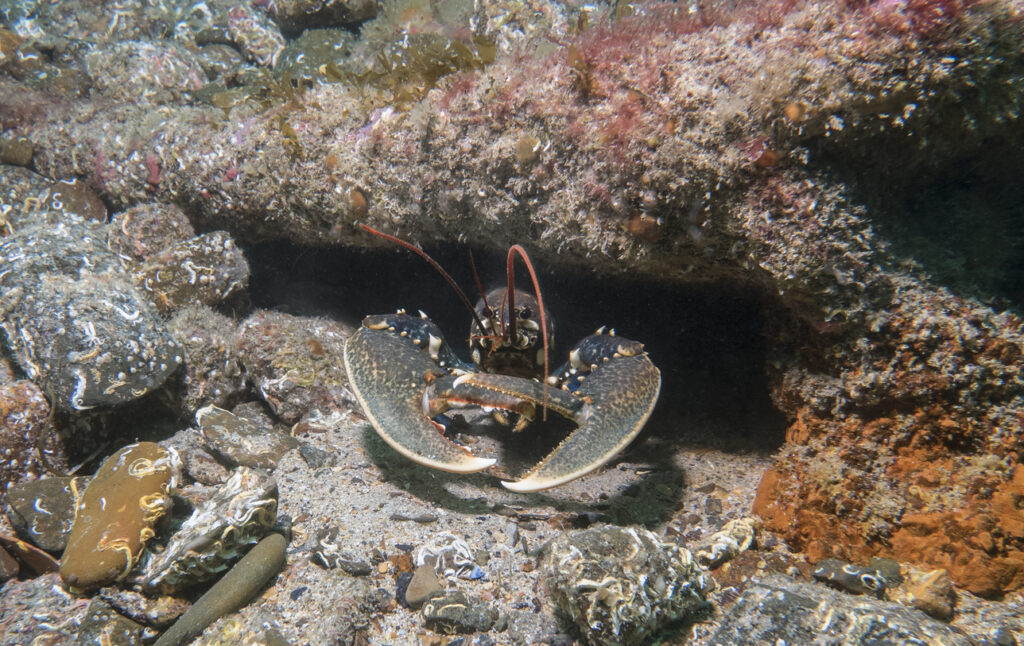
The European lobsters caught off British coasts can live for a century if left undisturbed, though most are caught long before reaching that age. These crustaceans show negligible senescence, meaning they don’t really show signs of ageing in the traditional sense and can potentially keep growing throughout their lives. A lobster’s age can be roughly estimated by its size, with truly massive individuals likely being several decades old at minimum. They continue moulting and reproducing even in old age, and some scientists believe they might not have a natural maximum lifespan at all.
The oldest lobsters in UK waters right now could have hatched when Queen Victoria was still on the throne, spending their entire lives scuttling along the same rocky seafloor. Their longevity stems from an enzyme called telomerase that repairs their DNA during cell division, essentially giving them built-in anti-ageing mechanisms.
Geoducks live for more than 140 years.
While not native to UK waters, geoducks have been found in British waters and their close relatives live similar lifespans. These enormous clams can weigh several kilograms, and their siphon can extend up to a metre from their buried shell. The oldest verified geoduck was 168 years old, and like ocean quahogs, they have growth rings that reveal their age.
They spend their entire adult lives buried deep in the sediment, with just their siphon reaching up to filter water. Their longevity comes from living in a stable, protected environment with minimal predation once they’ve established themselves in the seabed. Any geoduck-type clams in UK waters today would have experienced the entire modern industrial age from their muddy burrow.
Monkfish can live for 20 years or more.
These peculiar-looking bottom-dwellers found around British coasts can reach ages exceeding 20 years, which is impressive for a fish their size. Monkfish have enormous mouths and flattened bodies that allow them to lie camouflaged on the seafloor, waiting for prey to swim within striking distance. Their slow lifestyle and patient hunting strategy might contribute to their relatively long lifespan compared to more active fish species.
The largest monkfish caught in UK waters are likely the oldest, with some specimens weighing over 30 kilograms indicating considerable age. They’ve been swimming British waters since long before most people concerned themselves with sustainable fishing practices, surviving through sheer luck and the protection of deep water habitats.
European eels can live for 85 years or more.
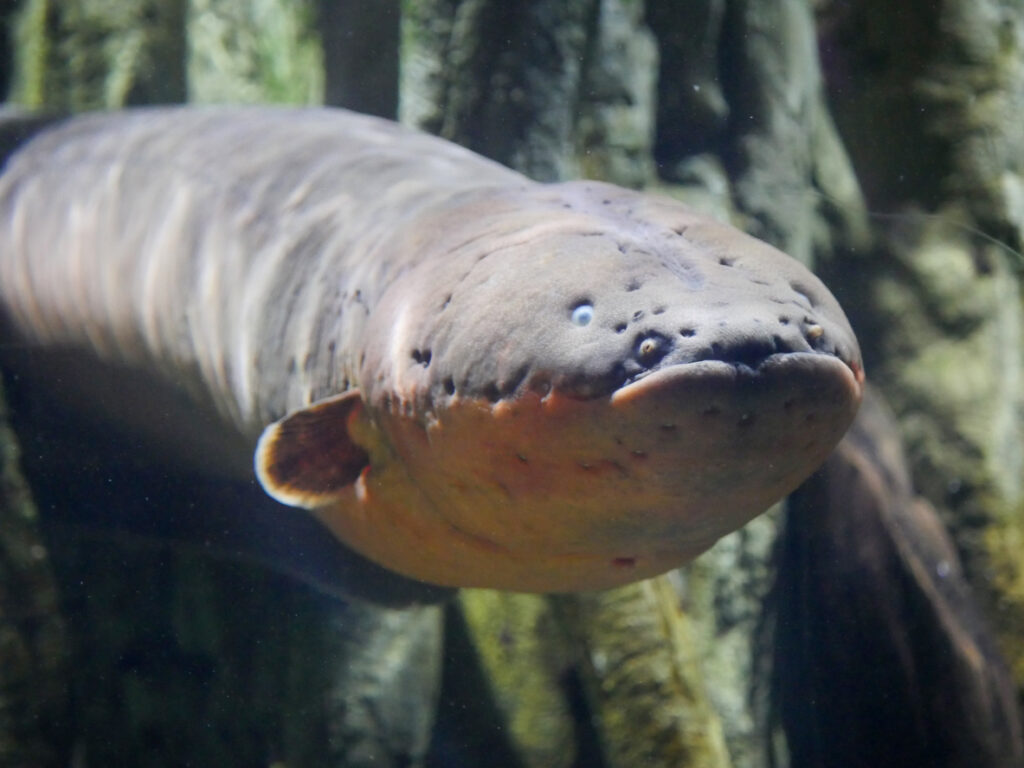
Eels found in British rivers and coastal waters can live for extraordinary lengths of time, with some captive specimens reaching over 85 years old. These mysterious fish are born in the Sargasso Sea and make an incredible journey to European waters, where they can spend decades growing before eventually returning to spawn. The eels currently in British waterways might have arrived as tiny glass eels in the 1940s or 1950s, spending their entire adult lives in the same river system.
Their complex life cycle and the fact they only breed once at the end of their life means they need to survive for many decades to reproduce successfully. Eels in UK waters right now have witnessed the complete transformation of Britain’s rivers from industrial pollution to the cleaner waterways we have today.
Basking sharks might live for 50 years.
These gentle giants filter-feeding around British coasts during summer months can live for at least 50 years, though their exact maximum lifespan remains uncertain. Basking sharks grow incredibly slowly and females don’t reach sexual maturity until they’re around 20 years old, suggesting a life strategy geared toward longevity. They’re the second-largest fish in the world, and they cruise British waters with their mouths open, filtering up to 2,000 tonnes of water per hour for plankton.
The same individual basking sharks return to British waters year after year, meaning some of the sharks feeding off Cornwall or Scotland today could have been doing the same route since the 1970s. Their slow growth and late maturity make them vulnerable to overfishing because populations can’t recover quickly when depleted.
Conger eels can reach 60 years old.
These powerful eels hiding in shipwrecks and rocky crevices around British coasts can live for six decades or more. Conger eels can grow to over two metres long and weigh more than 60 kilograms, with the largest individuals almost certainly being the oldest. They’re nocturnal predators that spend their days hidden in holes and only emerge at night to hunt fish and crustaceans.
The conger eels currently occupying wrecks around Britain’s coast might have moved into their homes when the ships were freshly sunk decades ago. Like their European eel cousins, congers only breed once at the end of their life before dying, making their long lifespan essential for their reproductive strategy.
Spiny dogfish can live for over 100 years.

These small sharks common in British waters are among the longest-lived shark species, with some individuals verified at over 100 years old. Female spiny dogfish don’t reach sexual maturity until they’re about 35 years old, and they have one of the longest gestation periods of any vertebrate at up to two years. Their slow growth and late reproduction mean populations take decades to recover from overfishing, which has led to significant declines in their numbers.
The spiny dogfish swimming in UK waters today could easily have been born before the First World War, spending a century hunting small fish and squid. Their longevity isn’t immediately obvious because they’re relatively small sharks, rarely exceeding a metre in length, but their age is written in their vertebrae like rings in a tree.
Turbot can live for 25 years.
These prized flatfish found on sandy bottoms around British coasts can reach ages of 25 years or more, though most are caught much younger. Turbot start life swimming upright like normal fish before one eye migrates to join the other, and they settle on the seabed to become flatfish. The largest turbot are invariably the oldest, with specimens over five kilograms likely being well over a decade old.
They’re ambush predators that lie buried in sand waiting for smaller fish to swim past, a lifestyle that doesn’t require much energy and might contribute to their longevity. The turbot in British waters right now have witnessed the rise and fall of fishing pressure in their habitats, surviving through a combination of luck and effective camouflage.
Halibut can reach 50 years old.
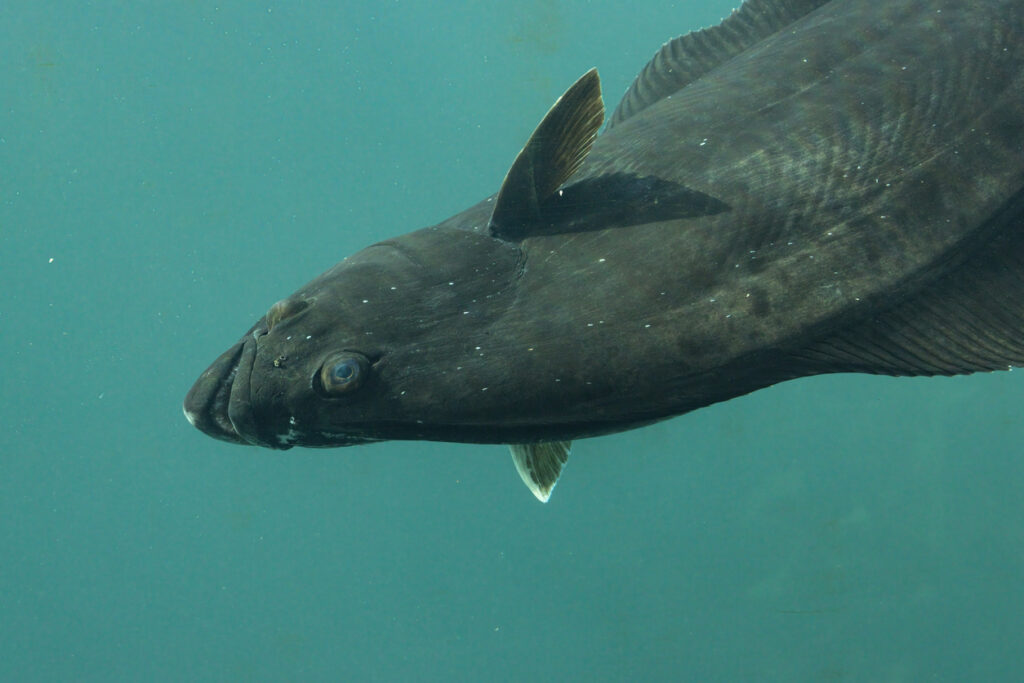
The Atlantic halibut found in deeper British waters can live for half a century, growing to massive sizes in the process. These enormous flatfish can weigh over 200 kilograms and measure up to 2.5 metres long, with the largest specimens certainly being several decades old. Halibut were once common around Britain but overfishing dramatically reduced their numbers, meaning any large halibut swimming today is a survivor from more abundant times.
They’re powerful predators that actively hunt other fish rather than lying in wait like most flatfish, which might explain their impressive size. Female halibut don’t mature until they’re around 10 years old and can produce millions of eggs, but their long lifespan means they need protection from fishing to maintain healthy populations.
Plaice can live for 50 years.
These distinctive orange-spotted flatfish common around British coasts can live for up to 50 years, though fishing pressure means few reach that age. Plaice are commercially important and heavily fished, so the oldest individuals are likely those living in protected areas or deeper waters beyond trawling range. They feed on shellfish and worms buried in the sediment, using their small mouths to pick out prey from the sand.
The plaice currently in British waters from the 1970s would have seen dramatic changes in bottom trawling technology and fishing intensity throughout their lives. Their growth rings can be read in their otoliths (ear bones), providing scientists with accurate age data and insights into population health.
Common skate can live for 100 years.
The critically endangered common skate, more accurately called the blue skate and flapper skate now that they’re recognised as separate species, can live for a century in British waters. These massive rays were once abundant around Britain, but commercial fishing nearly wiped them out, with the largest individuals disappearing first. Any common skate swimming in protected Scottish waters today could potentially have been born in the early 20th century, surviving through sheer luck and remote habitat.
They don’t reach sexual maturity until they’re over 10 years old, and they produce relatively few young, making recovery from overfishing painfully slow. The few elderly skates remaining represent irreplaceable genetic diversity and decades of survival against the odds.
Wolffish can reach 40 years old.
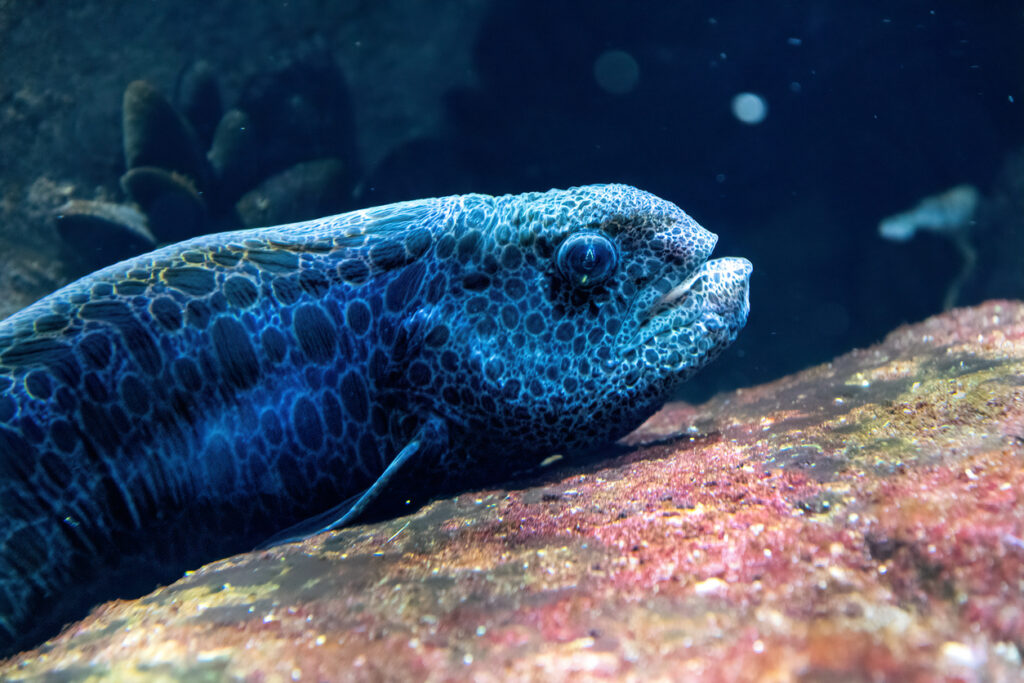
These peculiar-looking fish with their prominent teeth and eel-like bodies can live for four decades in the cold waters around northern Britain. Wolffish use their powerful jaws and specialised teeth to crush shellfish, sea urchins and crabs, occupying a unique ecological niche. They’re slow-growing fish that don’t reach breeding age until they’re about 10 years old, indicating a life strategy built around longevity.
The wolffish currently living in Scottish waters might have established their rocky den sites in the 1980s and remained there ever since. Their unusual appearance and specialised diet mean they’re rarely targeted by fisheries, which might explain how some individuals manage to reach such advanced ages.
Sea sponges might live for thousands of years.
While not animals in the traditional sense, sea sponges are living organisms, and some specimens in deep British waters could potentially be thousands of years old. These simple creatures filter water through their porous bodies and grow incredibly slowly in cold, stable environments. Scientists have estimated some deep-sea sponges at over 10,000 years old, meaning they began growing during the last ice age.
The sponges currently attached to rocks in British waters might predate human civilisation entirely, silently filtering plankton while everything changed above them. Their extreme longevity comes from having no complex organs or systems that can fail, essentially making them immortal unless physically destroyed or eaten. Any ancient sponges in UK waters represent living links to prehistoric Britain, unchanged witnesses to thousands of years of natural history.