
Some garden creatures look like trouble at first glance, but many of them do far more good than harm. They clean up waste, improve soil health and control the pests you actually want gone. These “beneficial pests” might not be cute or welcome at first sight, but your garden would struggle without them.
1. Woodlice quietly break down dead plant material.
Woodlice look like little invaders when you lift a pot, but they’re one of the best recyclers in a British garden. They feed on decaying leaves, fallen bark and rotting wood, turning it all into nutrients the soil can reuse. This keeps your beds healthier without any effort from you. As long as plants aren’t already dying, woodlice won’t harm them. Leaving a few natural hiding spots like logs helps them stay busy cleaning the ecosystem rather than wandering into pots.
2. Earwigs eat the pests that destroy flowers.
Earwigs get blamed for every half-chewed petal, but most of the time they’re actually hunting aphids, spider mites and other soft-bodied pests. They do this overnight, which means they quietly protect plants while you’re asleep. A small earwig population keeps the worst infestations under control. If they start nibbling young shoots, placing a few decoys like rolled cardboard gives them a home that isn’t your flower bed.
3. Spiders control the insects you truly don’t want.
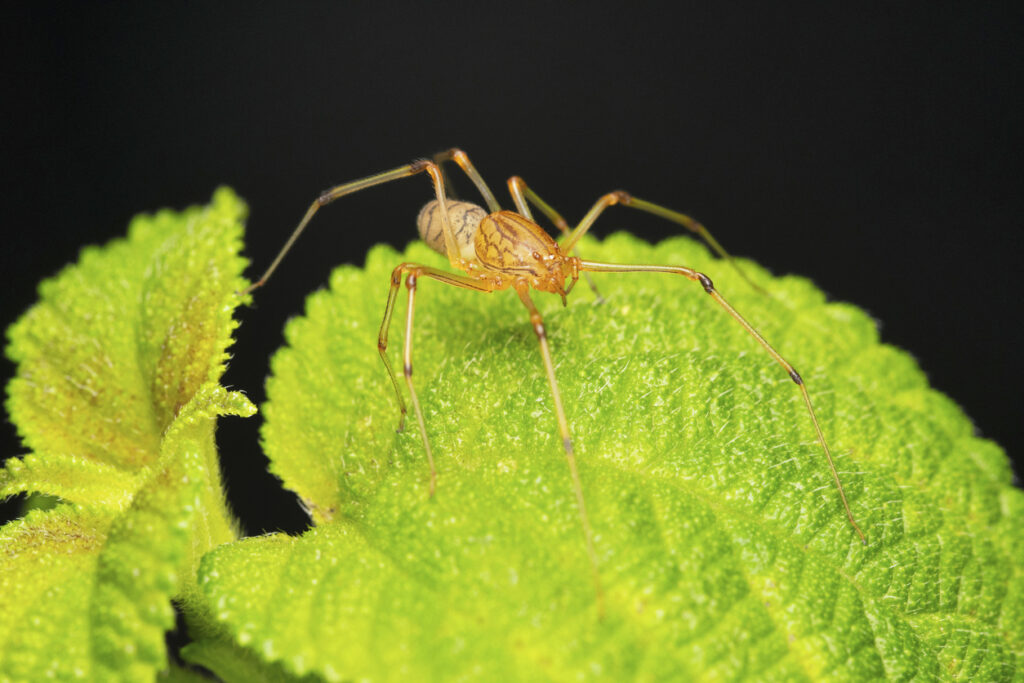
Spiders look creepy, but they’re some of the most effective pest controllers in any garden. They trap mosquitoes, flies, beetles, moths and countless insects that do far more damage than spiders ever could. A garden with spiders is usually a garden with fewer serious pests. They only become a problem when webs build up near doorways. Moving them gently to a corner keeps them working for you without getting too close to the house.
4. Wasps remove caterpillars and flies before they become a problem.
Wasps get a bad reputation, but in spring and early summer they’re vital predators. They feed flies, grubs and caterpillars to their young, which means they naturally reduce the pests that shred vegetables and ornamentals. Most wasps only become annoying later in the year. If a nest isn’t near a doorway, leaving it alone helps your garden stay healthier with no chemicals needed.
5. Slugs eat decaying material, not just healthy plants.
While slugs can be destructive, many of them prefer dead or dying plant matter. In compost heaps and damp corners, they break down debris faster than worms alone, helping nutrients cycle back into the soil. Managing them rather than trying to eliminate them keeps the balance right. Redirecting them with decoy plants or natural barriers keeps them useful without ruining your best beds.
6. Ants help control smaller pests and improve soil structure.

Ants aerate soil as they dig tunnel networks, which improves drainage and helps plant roots grow. They also collect the eggs and larvae of certain pests, reducing future outbreaks without any interference from you. They only become a problem when they farm aphids. If that happens, a light spray of water breaks the partnership without harming the ants themselves.
7. Ground beetles hunt at night and keep pest numbers down.
Ground beetles aren’t the insects you see eating plants. They’re the ones patrolling the soil at night, feeding on slugs, snails, caterpillars and root-chewing larvae. They can clear a surprising number of pests in a single evening. Leaving small hiding spots like stones or logs helps them thrive. A garden with beetles usually needs fewer slug pellets and far less intervention overall.
8. Hoverfly larvae eat huge numbers of aphids.
Hoverflies look a bit like wasps, but they’re harmless to people and brilliant in the garden. Their larvae eat aphids at a remarkable rate, clearing colonies far faster than ladybirds do during peak season. Planting flowers like marigolds or alyssum attracts more hoverflies. Once they settle in, they offer natural pest control with almost no downside.
9. Millipedes break down fallen plant matter.
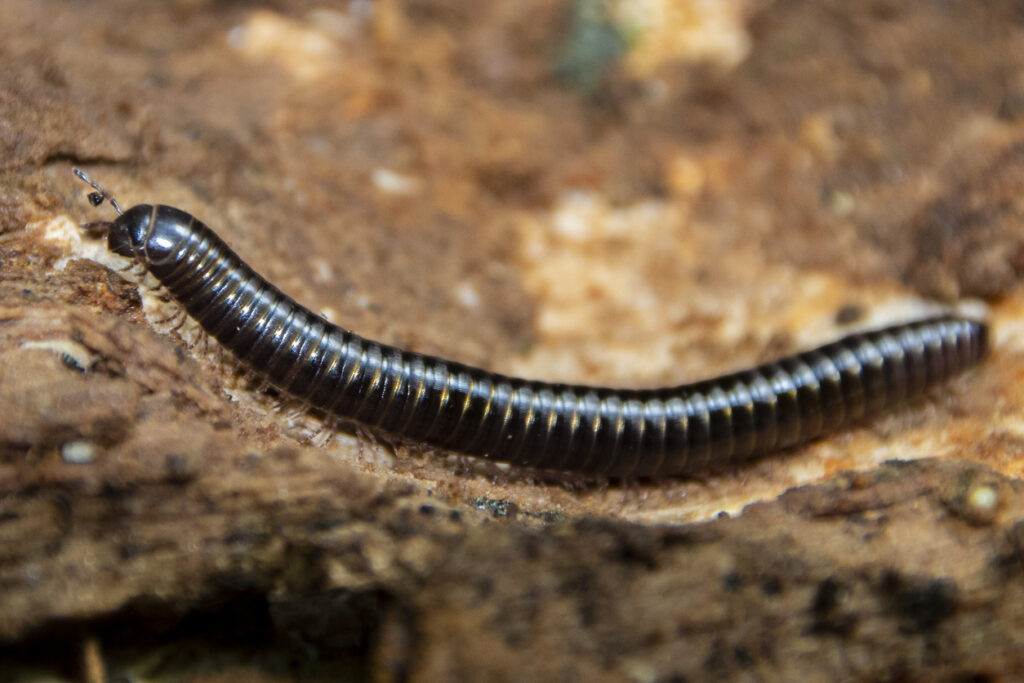
Millipedes don’t eat healthy plants. They feed on decomposing material, helping create rich, dark soil that supports stronger roots and better plant growth. Their slow work helps build healthier beds year after year. They’re usually only a problem in very damp conditions. Improving drainage keeps them from clustering while still allowing them to do their useful work.
10. Frogs and toads quietly clear out pests at night.
They might surprise you when you lift a pot, but frogs and toads eat slugs, beetles and flies every night. They’re one of the best natural pest control systems you can have, and they patrol far more efficiently than people realise. Providing a shallow water source and some shady hiding places encourages them to stick around. Once they’re established, they drastically reduce the need for any pest control products.