It sounds mad at first, doesn’t it? Deaf animals navigating the world just fine, while the rest of us panic if we can’t hear what’s going on around us. We’re so used to thinking of hearing as essential that it’s hard to imagine surviving without it, let alone thriving. But nature has never cared much for what humans assume is necessary.
Plenty of animals get by perfectly well without hearing anything at all. No ears, no sound processing, no reacting to noise. Instead, they rely on vibration, movement, pressure, light, chemical signals, or body position to figure out what’s happening around them. In some cases, ditching sound altogether actually makes life simpler. Once you start looking at how these animals operate, it becomes clear that hearing is just one tool, not the ultimate one we like to think it is.
1. Snakes map the world through ground vibrations.
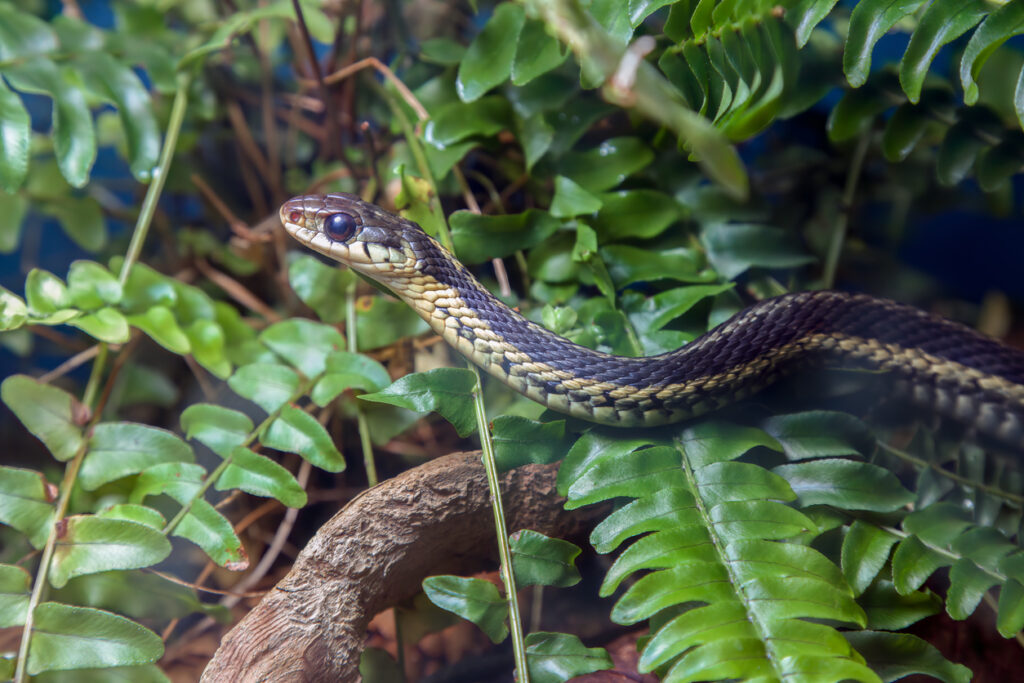
Snakes can’t hear airborne sound, so they rely on vibrations travelling through the ground. Their jawbones act like sensors, picking up tiny tremors from footsteps or struggling prey. This gives them a clear picture of what’s nearby, even though they hear nothing in the usual sense. The combination of vibration sensing and tongue-flicking gives them a detailed map of their surroundings. They don’t need ears because their other senses work together to build an accurate picture of everything around them.
2. Moles navigate underground using touch alone
Moles are effectively deaf and function in darkness, where sound isn’t very helpful anyway. They use ultra-sensitive whiskers and facial hairs to feel vibrations in the soil and detect movement from insects and worms. Their world is built entirely on touch and pressure changes. This sense is so developed that they can travel quickly through tunnels without colliding into anything. Their touch-based navigation is one of the most precise systems in the animal kingdom.
3. Worms detect danger through pressure, not sound.

Worms have no ears or hearing structures at all. They respond to pressure changes in the soil, which warns them of predators or approaching footsteps. Even the slightest shift in the ground triggers an instant reaction that helps them escape upwards or deeper underground. Their sensitivity keeps them alive despite being completely deaf. They read the earth like a radar system, picking up threats long before they become visible.
4. Spiders “hear” through the hairs on their legs.
Spiders don’t hear with ears, but the hairs on their legs are so sensitive they detect air vibrations that mimic sound. This allows them to sense approaching insects, predators, or movement in the environment with surprising accuracy. Their whole body becomes a listening device, despite being deaf. These hairs let them hunt in darkness, track prey on webs, and stay aware of danger without needing any traditional hearing.
5. Star-nosed moles navigate almost entirely by touch.
These unusual moles are considered functionally deaf, and their famous star-shaped nose is packed with thousands of sensory receptors. Each one detects tiny textures and vibrations, giving them a 3D map of their surroundings in milliseconds. Their nose allows them to identify food faster than any other mammal. They don’t rely on hearing because their sense of touch is powerful enough to guide every movement.
6. Octopuses use suction sensation instead of hearing.

Octopuses have limited hearing and rely instead on the sensitivity of their arms. Each sucker can detect texture, pressure, and movement in the water, helping them navigate reefs, hunt hidden prey and avoid danger.
This system gives them awareness in all directions at once. With eight arms constantly sampling their surroundings, they read the environment far better than hearing would allow underwater.
7. Slugs and snails move confidently without any hearing.
Slugs and snails have no hearing organs, yet they travel over complex terrain using chemical trails and touch. Their tentacles help them detect obstacles, moisture, and predators, while their bodies read vibrations through the ground. They’re slow, but they’re precise. These senses keep them safe without needing any ability to hear the world around them.
8. Earthworms navigate using light and vibration alone.
Earthworms can’t hear at all, but they’re incredibly good at sensing vibration patterns. They use light sensitivity to avoid danger on the surface and vibration detection to stay safe underground when predators are near. These skills work together to guide them through soil networks with surprising accuracy. Their deafness has never held them back because the ground itself tells them everything they need to know.
9. Tortoises rely on vision and vibration, not hearing.
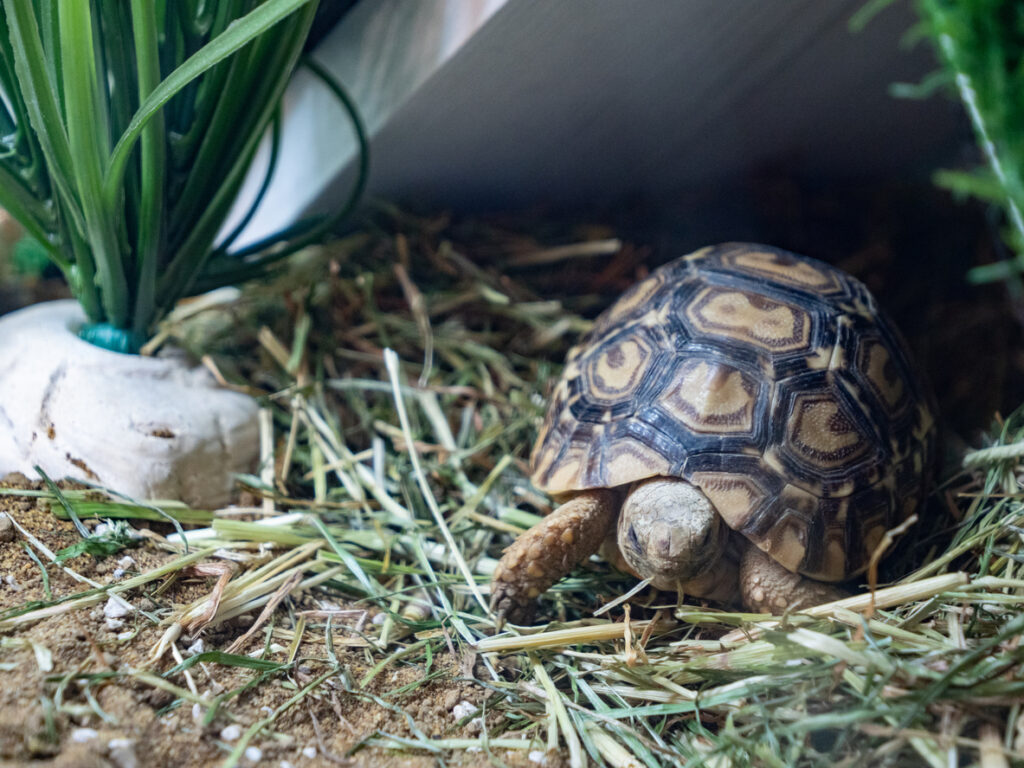
Many tortoise species hear very little or nothing at all. Instead, they depend on sharp eyesight and sensitivity to vibrations. Their shells amplify ground movements, alerting them to predators or nearby animals before they appear. Their sensitivity to vibration helps them survive even though they lack strong hearing. Their slow, steady movement comes from reading physical cues rather than sound.
10. Frogs communicate in ways that don’t require hearing.
Some frog species, especially those that live underground or in noisy environments, have limited or no hearing. They use vibrations, body movements and visual signals to communicate with one another. They sense low-frequency tremors through the ground with incredible accuracy. This allows them to navigate, find mates, and avoid predators despite their weak or absent hearing. Their bodies are tuned to the environment in ways that replace the need for ears entirely.