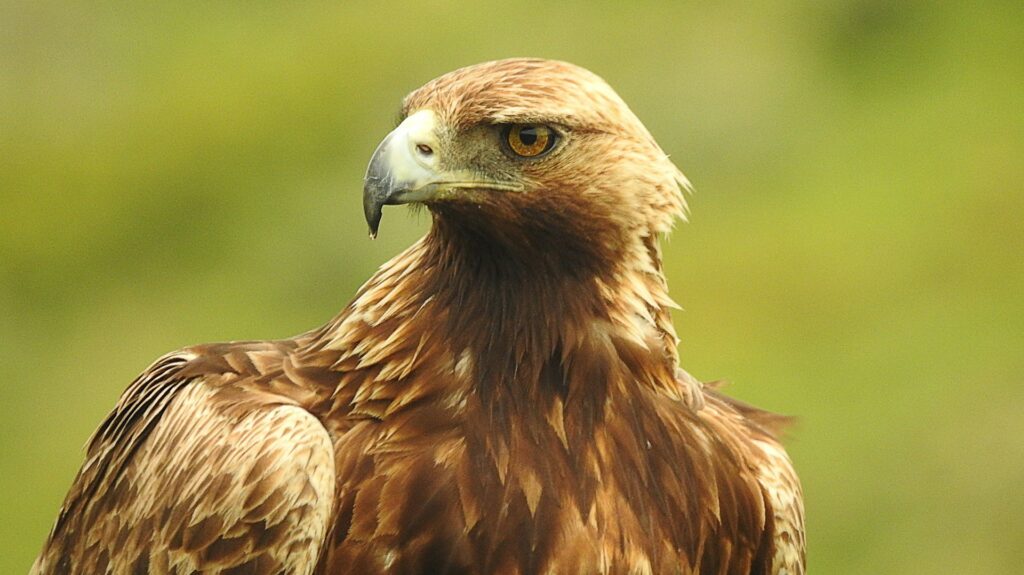
England might soon host golden eagles again, and not just in patches of the Scottish Highlands. Conservationists have received government backing to explore reintroducing these birds onto the North York Moors, marking the first such initiative in mainland England since the nineteenth century. The Guardian reports that a feasibility study has been approved, and if everything aligns—ecology, logistics, and public support—those legendary birds could return to English skies within the next few years.
The golden eagle carries weight well beyond its majestic wingspan. It’s a top-tier predator, a symbol of wilderness and healthy ecosystems. Its presence (or absence) says a lot about the state of the environment. Historically, golden eagles nested across uplands in England, but by the late 1800s, persecution and habitat loss pushed them to extinction in that region. Reintroduction efforts in Scotland in the 20th century have been a rare conservation success, and now conservationists in England hope to replicate that.
What’s prompting this move isn’t nostalgia. Scientists argue that restoring top predators like golden eagles can rebalance ecosystems, controlling species like deer or rabbits and reducing overgrazing on moorlands. The North York Moors, with their vast heather-clad expanses and existing populations of grouse and rabbits, could offer ideal territory, provided that prey numbers and nesting habitat are sufficient.
What needs to happen next
The reintroduction plan depends on a robust feasibility study. That means thorough surveys of prey availability, nesting locations, human activity levels, and potential conflicts, especially with farming and grouse shooting estates. Golden eagles range widely and require buffer zones, so local buy-in isn’t just helpful; it’s essential.
If the study supports the idea, the next step would be bringing in a small population, likely juveniles from healthy Scottish populations, with careful tracking and long-term monitoring. Organisations with experience in Scotland could offer technical support, while county officials would need to coordinate landowners, farmers, and conservation bodies to ensure eagles don’t become unintended targets of conflict.
A thoughtful communications approach will also be key. If communities see golden eagles as an alien threat rather than as a sign of recovery, resistance could derail the effort before it even takes wing. Learning from Scotland’s experience, particularly around coexisting with gamekeepers and land managers, will be critical.
The importance of this reintroduction for wildlife, heritage, and climate
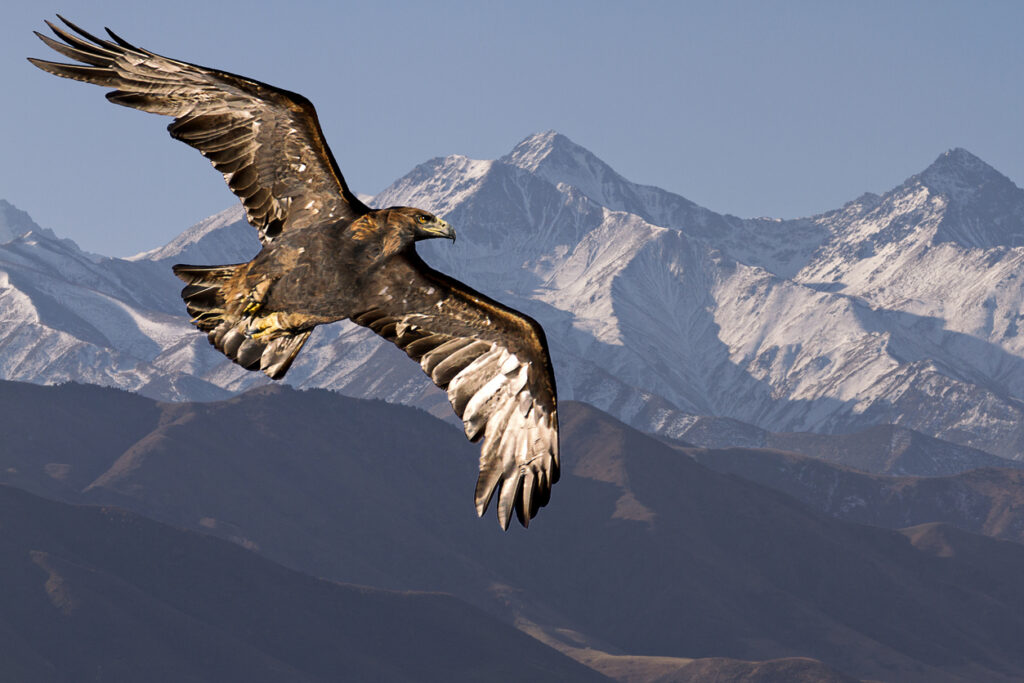
Reintroducing golden eagles isn’t just ecologically important; it’s culturally significant. These birds are woven into the myths and landscapes of Britain, from medieval heraldry to modern nature photography. Bringing them back to England would resonate in ways that go beyond biodiversity; it would reconnect people with a vanished part of their natural heritage.
Beyond its romantic appeal, this initiative aligns with broader environmental policy goals: restoring biodiversity, creating climate-resilient ecosystems, and pursuing rewilding on a meaningful scale. The North York Moors are already a protected landscape, and bringing back a keystone predator would elevate their ecological and symbolic value.
The study’s success hinges on collaboration: conservationists, local communities, landowners, and policymakers working in concert. If England gets this right, it could serve as a blueprint for reintroducing other species, including beavers, wild boar, or even sea eagles, in a way that’s both ecologically sound and socially viable.
At a time when nature recovery is both urgent and often overshadowed, the possibility of golden eagles returning to mainland England offers something else entirely: a moment of bold hope, where ecosystems are healed and heritage is restored, not just for conservationists, but for every person lying under those wide northern skies.