Florida has been hit by some rough hurricane seasons in recent years, and the flooding that follows is destroying communities.

Streets turn into rivers, homes are left uninhabitable, and people are stuck trying to rebuild while knowing the next storm isn’t far away. The conversation over there isn’t just about bad weather anymore, but about how these storms are changing and what that means for places already stretched to their limit.
It might feel like a world away, but the UK has more of a stake in this than most people realise. What’s happening in Florida speaks to wider patterns that reach far beyond one state, and they point to problems we’re already starting to see closer to home. Paying attention to their situation gives us a better sense of what’s coming, what we can learn, and how prepared we actually are.
Flooding has become the deadliest part of hurricanes.

We tend to think of hurricanes as wind disasters, but that’s not where people are dying anymore. In 2024, Hurricane Helene killed over 250 people, and nearly half those deaths happened hundreds of miles inland from flash flooding in North Carolina’s mountains.
Flooding from extreme rainfall is now the deadliest direct cause of tropical cyclone deaths in America. Communities that never considered themselves at hurricane risk are learning the hard way that water kills more than wind.
The insurance market is collapsing in real time.
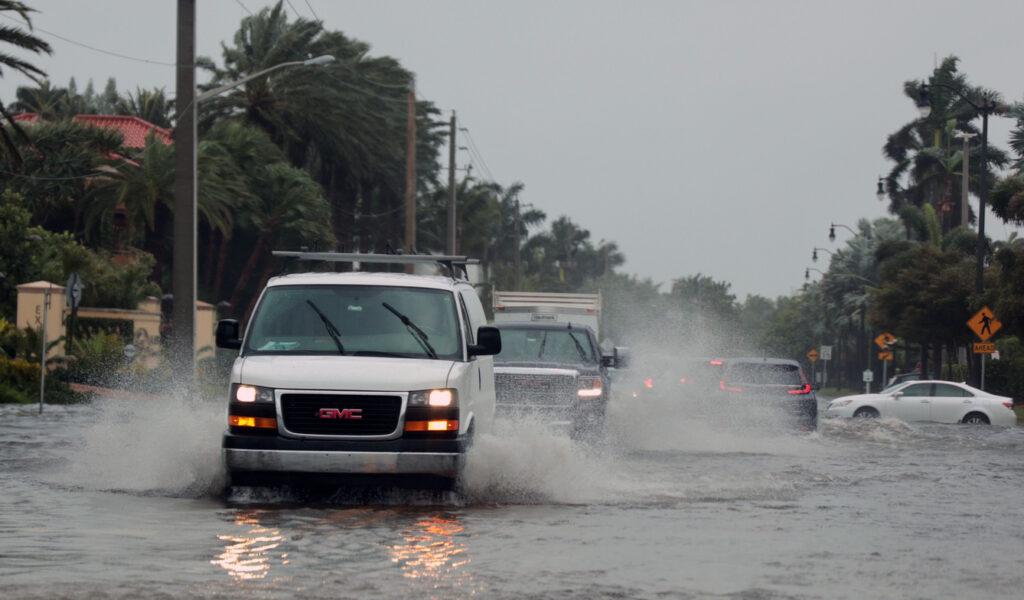
In Florida, one in five homeowners has stopped paying for home insurance altogether. Private insurers have fled so quickly that the government’s backup insurer went from covering 6% of homes to 63% in only a decade.
When insurance becomes impossible to get, housing markets collapse. Some experts warn that within 15 years, there will be parts of America where you cannot get a mortgage because no one will insure the property. The Federal Reserve chairman said it himself.
The same warming oceans fuel UK storms.
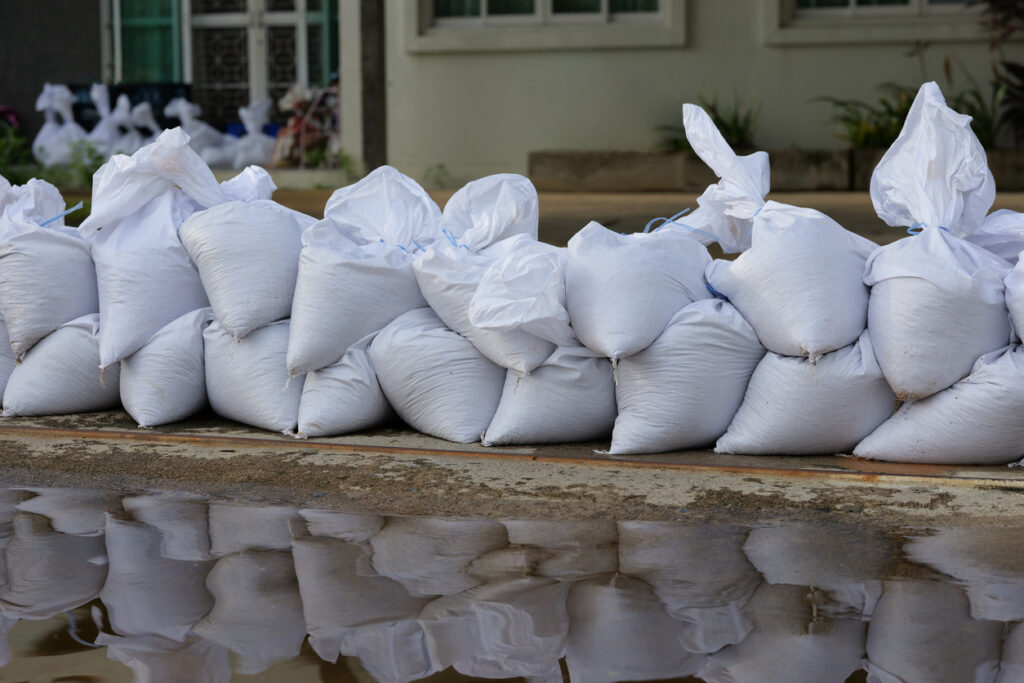
Florida’s hurricanes and Britain’s winter storms drink from the same water. Abnormally warm Atlantic Ocean temperatures turbocharge tropical systems, and those same warm waters link to the intense storms battering the UK each winter.
When hurricanes weaken and move north, they often get absorbed into the jet stream and flung towards Europe. That leftover tropical moisture can dump enormous rain on British soil. The energy from dying hurricanes has contributed to some of our most damaging recent storms.
The jet stream connects American and British weather.
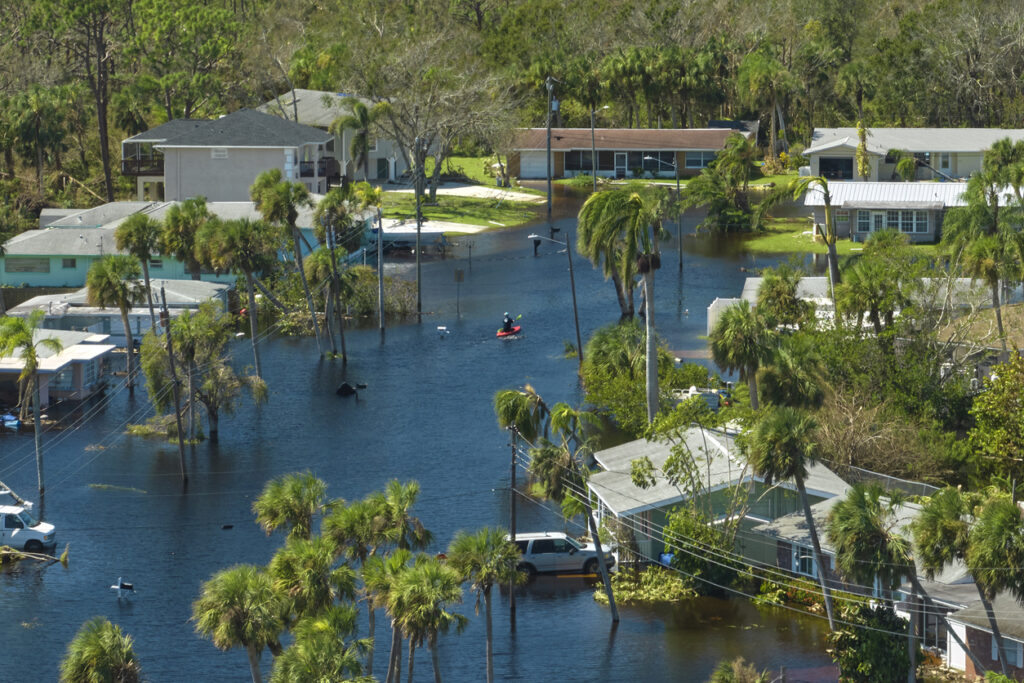
The jet stream acts like a river of air flowing high above the Atlantic, steering weather systems like a conveyor belt. When it positions itself over the UK, we get wet and windy conditions.
Tropical systems in the Atlantic can strengthen and steer the jet stream, changing its behaviour for days afterwards. A hurricane forming near Florida can influence whether Manchester gets hammered with rain the following fortnight.
British flood risk is accelerating faster than expected.

The UK currently has around 6.3 million properties at risk from flooding. By mid-century, that number could reach 8 million. Roughly one in four properties in England will sit in a flood risk zone.
Warmer air holds more moisture, so when it rains, it pours harder. The Met Office confirms heavy rainfall events are becoming more frequent and intense due to climate change. We’re not watching a future threat unfold. We’re already living in it.
Sea levels are rising faster around Britain than globally.
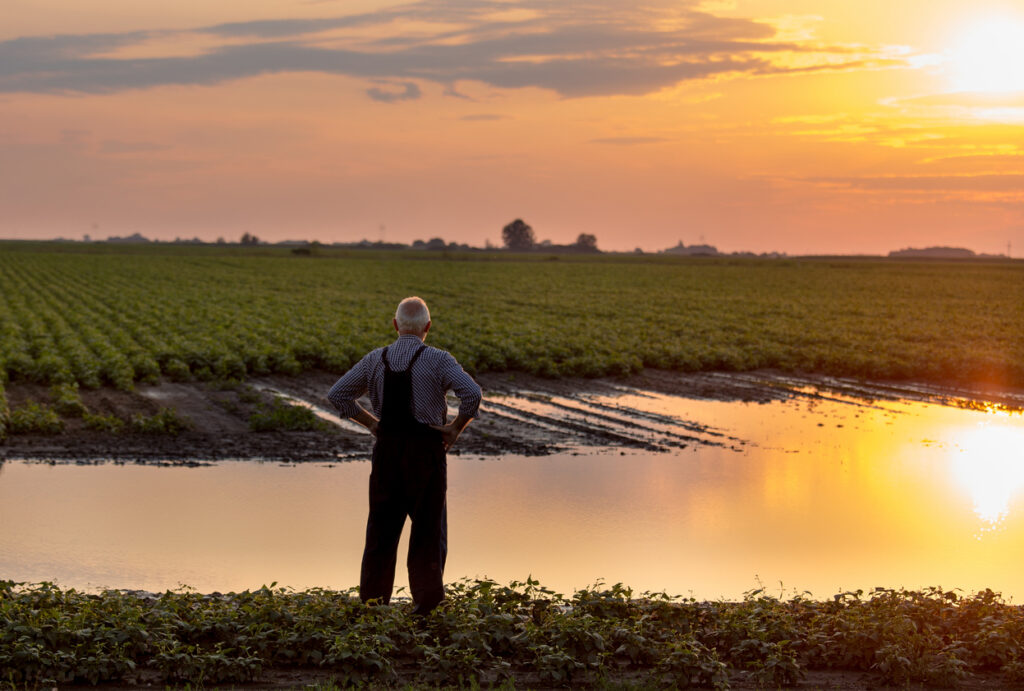
Sea level rise around the UK is actually outpacing the global average. Tide gauge records show two-thirds of the rise measured since 1900 has happened in just the last three decades.
This makes storm surges far more dangerous. Flooding events now start from a higher baseline. The 1.8 million people living in significant flood risk areas could grow to 3.3 million by mid-century.
Some British properties are becoming uninsurable, too.
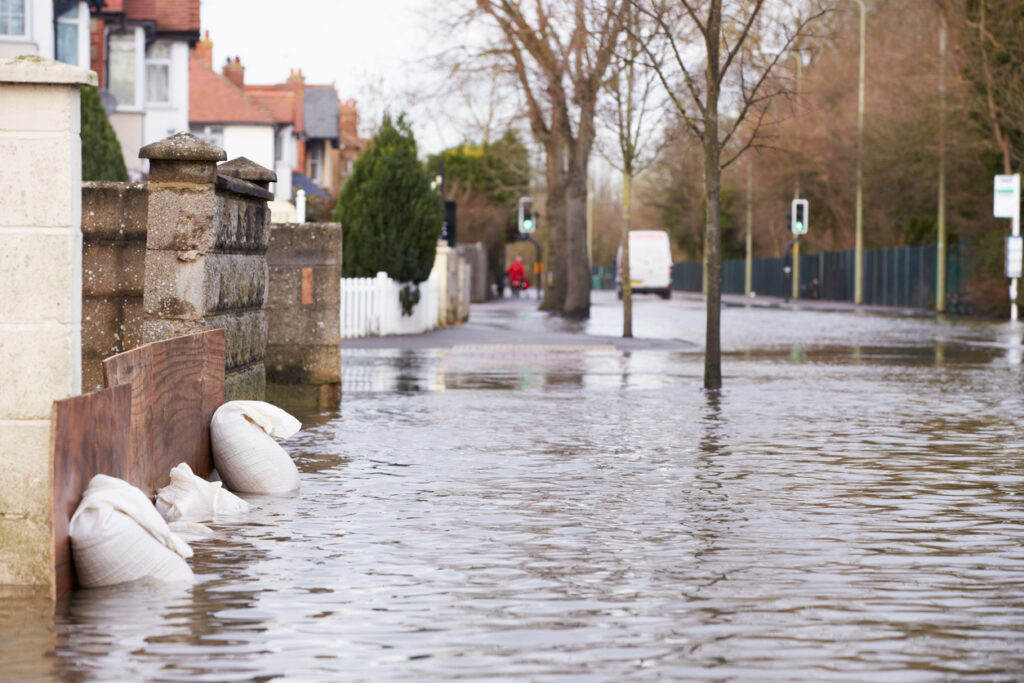
Florida’s insurance crisis feels distant, but the UK has its own version quietly brewing. In Tenbury Wells, Worcestershire, hit by floods in 2019, 2020, 2023 and 2024, some properties are already completely uninsurable. The government scheme protecting vulnerable properties ends in 2039.
If properties cannot be insured, they cannot be sold with mortgages. If they cannot be sold, their value collapses. Entire communities could find themselves trapped in worthless homes with no way out.
Intense rainfall is becoming five times more likely.

The Met Office forecasts that intense rainfall linked to severe flooding could become almost five times more likely by century’s end. People alive today will experience this change.
In July 2021, thunderstorms dumped more than twice the average July rainfall on parts of London in just two hours. Over 1,000 homes flooded. Underground stations closed. Hospitals evacuated wards. These once-in-a-generation events are becoming regular occurrences.
Britain’s famous landmarks face real threats.

Edinburgh Castle, Giant’s Causeway, and Liverpool’s waterfront are all expected to feel climate impacts by 2050. Surface water flooding could see a 66 percent rise in homes sitting in high-risk areas.
London and Manchester could become flooding hotspots. The combination of intense rainfall and urban surfaces that cannot absorb water creates perfect conditions. What falls on concrete has nowhere to go but into homes and businesses.
Florida’s “thousand-year storms” are happening yearly.
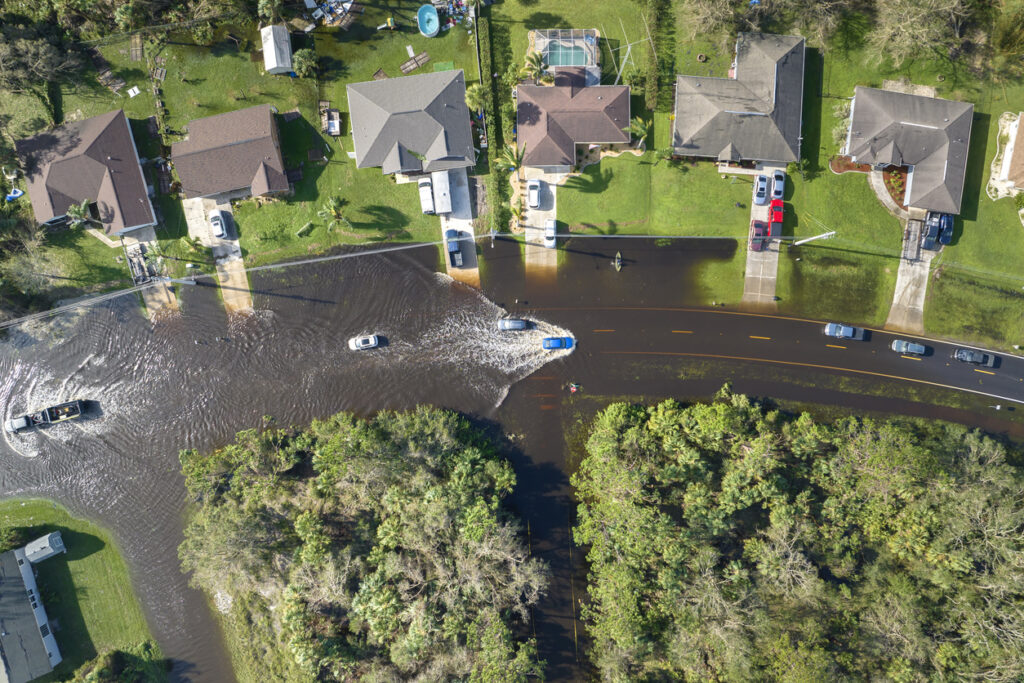
In November 2025, Mount Dora in Florida experienced what officials called a thousand-year rain event. Around 17 inches fell over a single weekend, carving out ravines and leaving homes teetering on collapse.
Events with supposed once-in-a-millennium odds are happening every few years now. The models were built for a climate that no longer exists. Both Florida and the UK are discovering that historical weather patterns are useless guides to the present.
The economic ripple effects cross oceans.
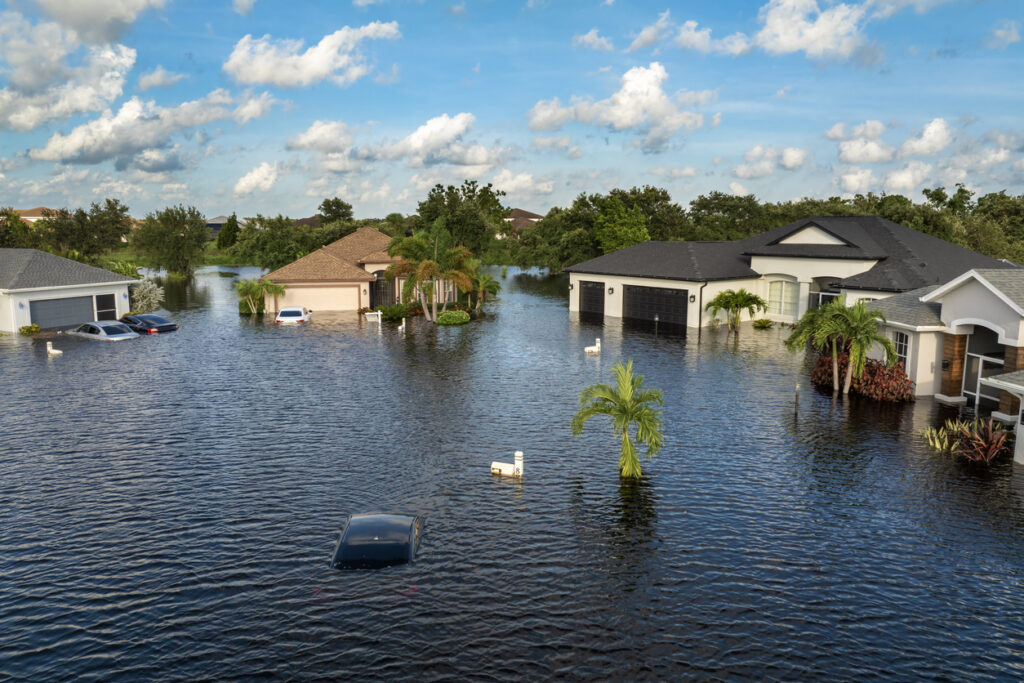
When Florida’s housing market wobbles, it spreads. American banks hold hundreds of billions in Florida mortgages. Real estate trusts with Florida exposure could see valuations collapse. Municipal bonds face potential downgrades.
British pension funds have money tied up in these markets. A property collapse in flood-prone American states could ripple through global systems, affecting British retirement savings. Climate risk has become thoroughly economic.
Adaptation has limits that are worth paying attention to right now.
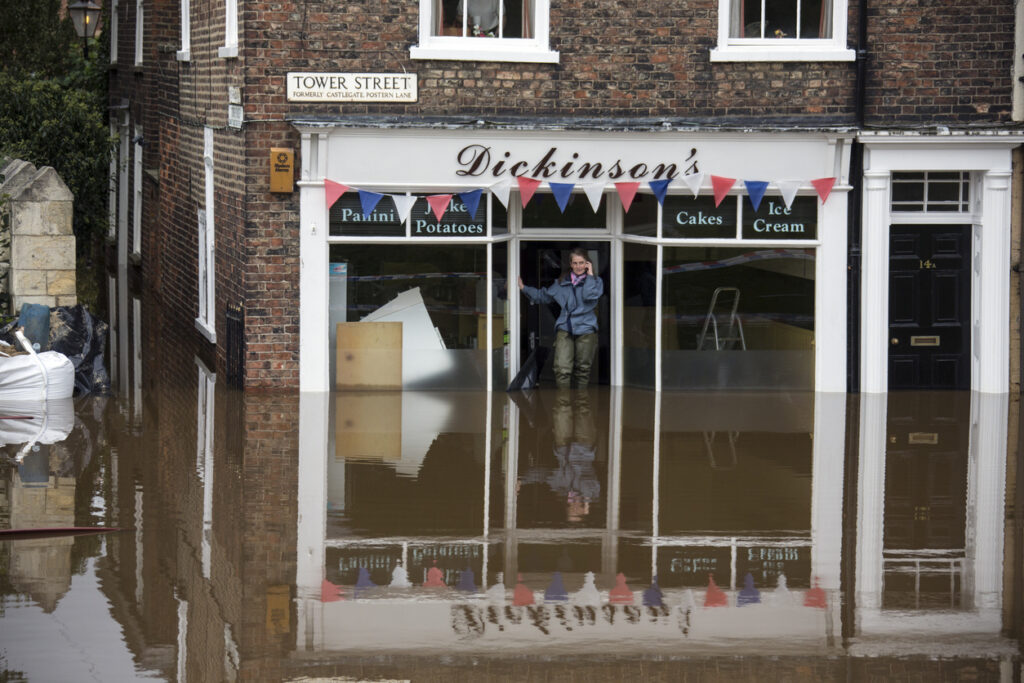
Both Florida and the UK are discovering you cannot simply build your way out of climate risk. The UN’s climate body warns that coastal defences can reduce impacts but cannot eliminate the risks entirely. Some areas will require what experts call “managed retreat.”
That means abandonment. Some places people have lived for generations will become too dangerous or expensive to protect. The question is not whether this happens but where, when, and how humanely we manage it.