Films give us roaring monsters and dramatic chases, but they leave out the truly unsettling realities of what these animals were actually like.
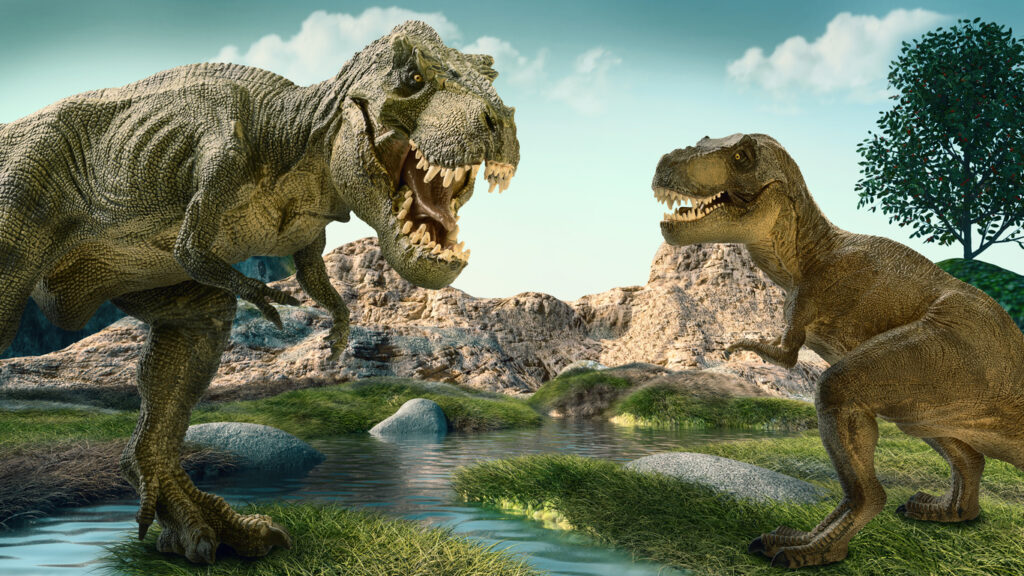
The sanitised Hollywood versions skip over the biological details that would make dinosaurs even more nightmarish than anything computer graphics have shown us. Understanding what palaeontologists have learned about these creatures reveals aspects far more disturbing than the jump scares and action sequences we’re used to seeing on screen. It makes you kinda glad they’re not around anymore, to be honest.
Many of them were covered in feathers and looked utterly bizarre.
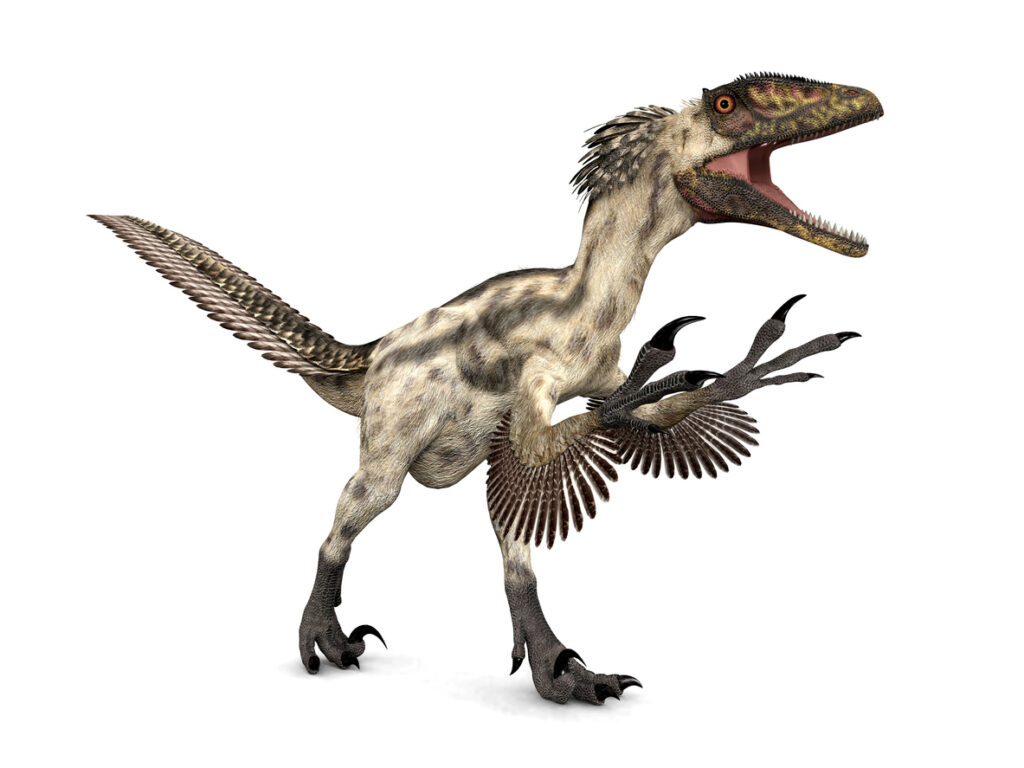
The sleek reptilian look films give us is completely wrong for many species, which were actually covered in primitive feathers that made them look like enormous, murderous chickens. Velociraptors weren’t scaly lizards, they were feathered terrors about the size of a large turkey, and the cognitive dissonance between “fluffy bird” and “vicious predator” makes them more disturbing, not less. The reality is stranger and more alien than the familiar reptile design films keep using because it’s more palatable to audiences.
Their intelligence was genuinely comparable to modern predatory birds.
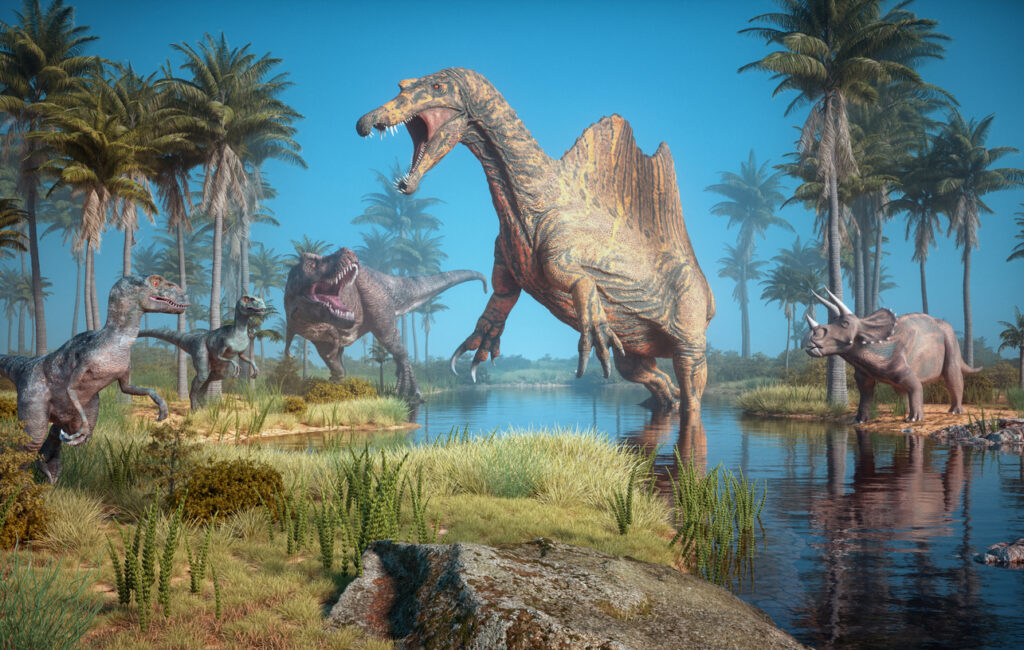
Films hint at dinosaur intelligence, but they underplay just how clever some species actually were, with brain-to-body ratios similar to crows and ravens. These weren’t mindless monsters, they were problem-solvers capable of complex hunting strategies, tool use, and possibly even basic communication. The idea of a predator that can think through how to get to you and adapt its approach based on your defences is far more terrifying than a big stupid lizard that just charges mindlessly.
You’d smell them long before you saw them.
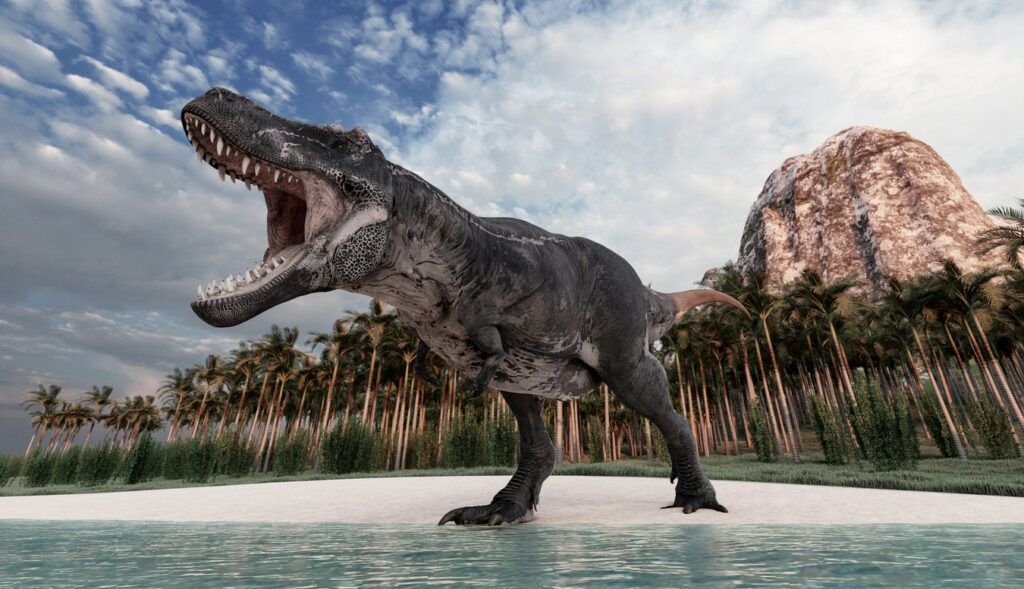
Large predators today absolutely reek from a combination of rotting meat in their teeth, digestive gases, and scent marking, and there’s no reason to think dinosaurs were any different. A T. rex would have smelled like death from hundreds of metres away, and that warning wouldn’t help you because by the time the smell registered, you’d already be well within its territory. Films keep dinosaurs clean and odourless, but the reality would have been overwhelming and nauseating.
Their bite force would pulverise bones instantly.
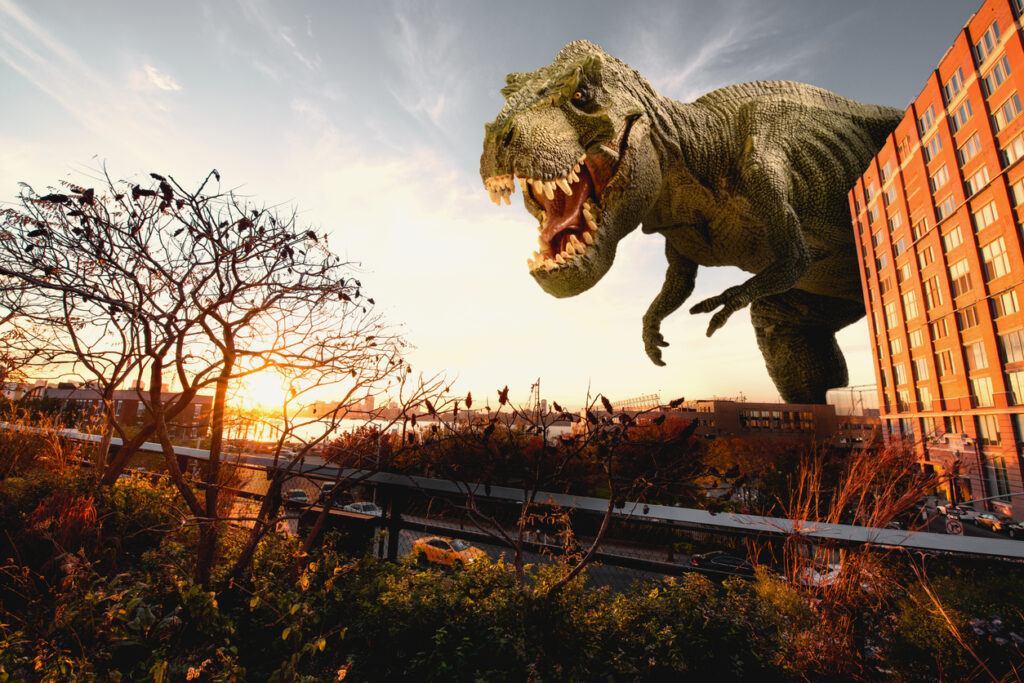
Films show dramatic biting, but they can’t really convey what a bite force of 12,000 pounds per square inch actually does to flesh and bone. A T. rex bite wouldn’t just puncture you, it would crush your entire torso into fragments with a single closure of its jaws, turning bones into splinters and organs into pulp. The damage would be so catastrophic and instantaneous that there wouldn’t be dramatic death scenes, just immediate obliteration.
Many hunted in coordinated packs with sophisticated tactics.
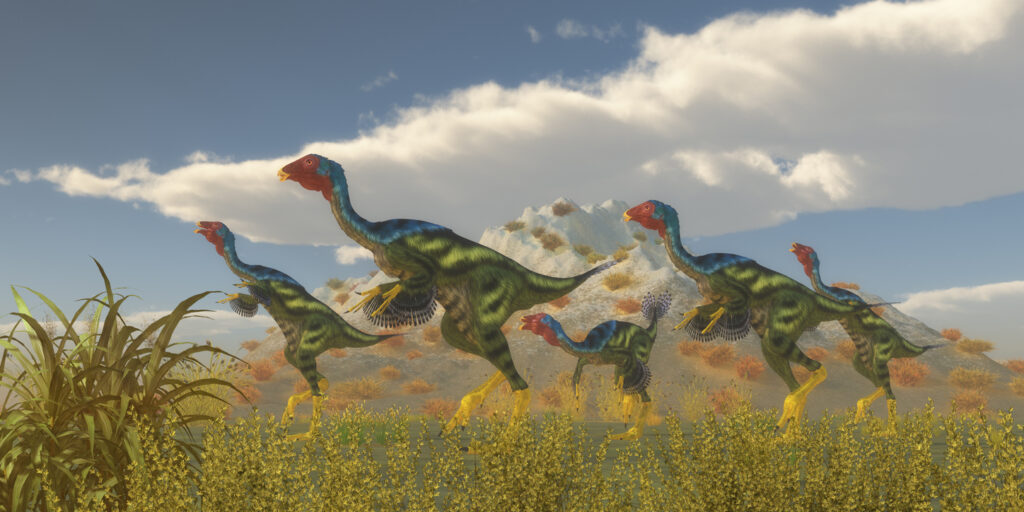
Pack hunting predators today use complex strategies where individuals have specific roles, and evidence suggests some dinosaurs did the same thing. You wouldn’t be facing one threat, you’d be dealing with multiple intelligent predators communicating and working together to cut off escape routes and drive you towards ambush points. Films like “Jurassic Park” show pack behaviour, but they rarely capture the calculated, methodical nature of coordinated hunting that makes escape nearly impossible.
Their vision was adapted to detect the slightest movement.
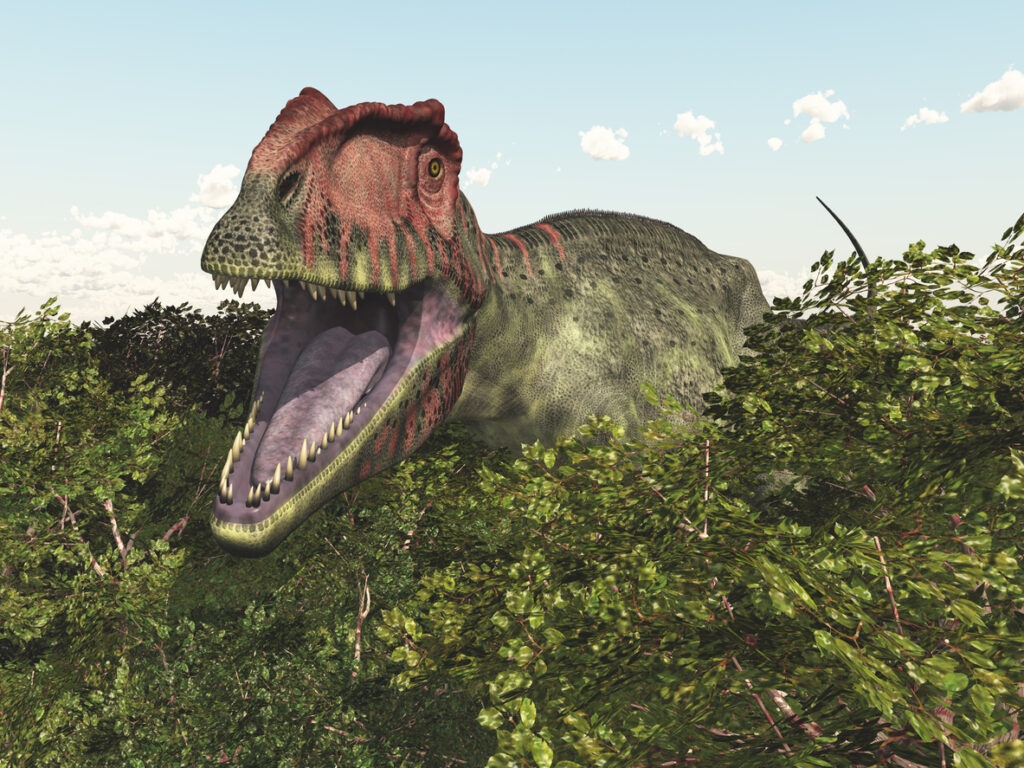
The “don’t move and it won’t see you” idea from films is nonsense for most species, which had incredibly acute vision evolved specifically to spot prey trying to hide. Many had forward-facing eyes, giving them excellent depth perception and motion detection far superior to anything alive today. Standing still might work briefly, but the moment you breathe too heavily or shift your weight, those eyes would lock onto you instantly.
They could run far faster and for far longer than films suggest.
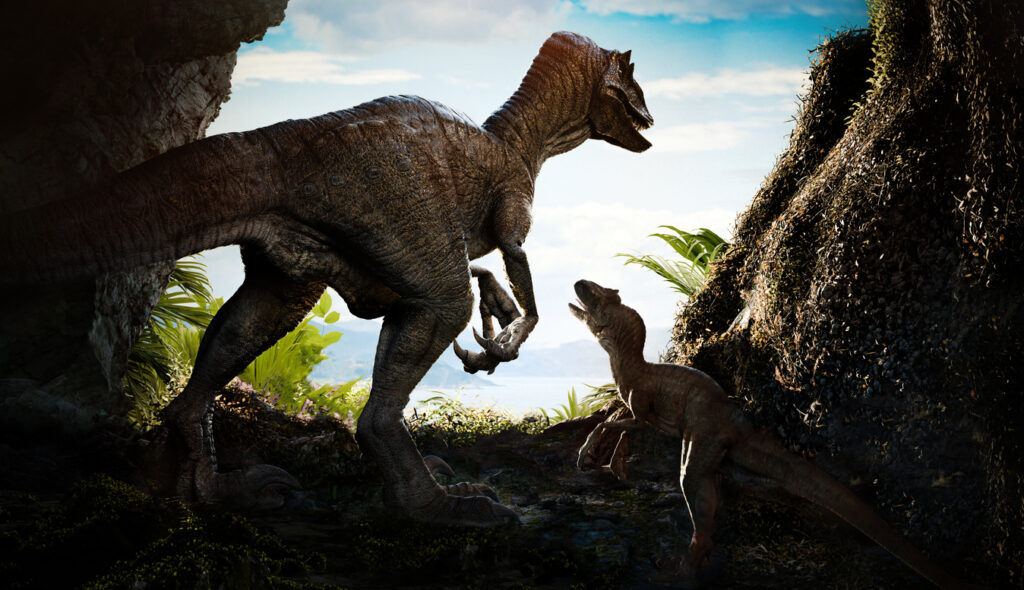
Films show brief chase scenes, but many dinosaurs were endurance runners, capable of maintaining speeds of 25-30 mph for extended periods. You wouldn’t just need to outrun them in a sprint, you’d need to maintain that escape over kilometres while they pursued relentlessly without tiring. The stamina combined with speed meant that unless you had a vehicle or significant head start, getting caught was essentially inevitable.
Their young were vulnerable, but the parents were viciously protective.
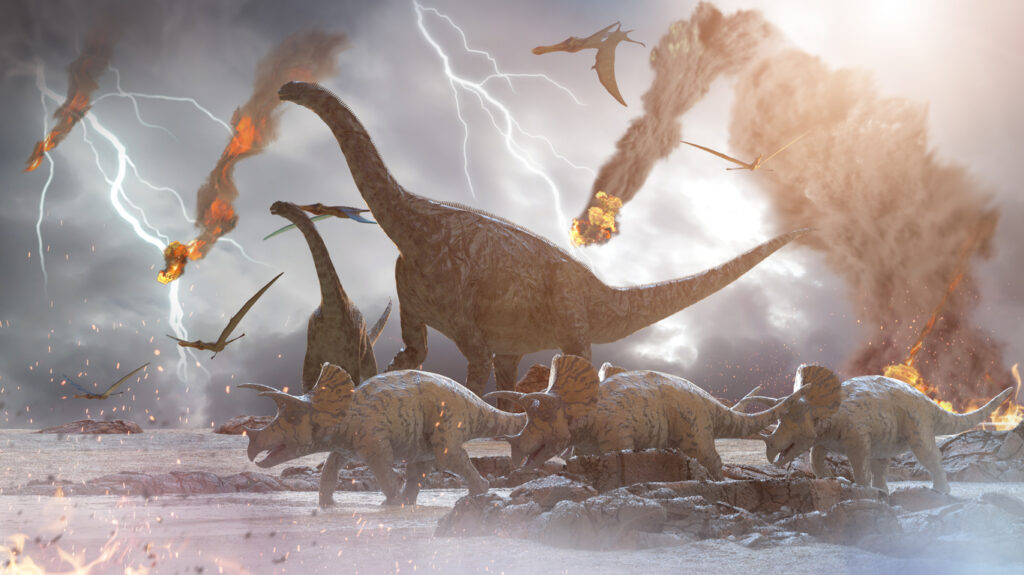
Nesting sites would have been death traps for anything that wandered too close because parental dinosaurs defended their offspring with extreme aggression. You wouldn’t need to threaten the babies, just being in the vicinity would trigger an attack from animals already on high alert and willing to fight to the death. Films rarely show this aspect but stumbling into a nesting ground would have been one of the most dangerous situations possible.
Some had serrated teeth that caused massive infection.
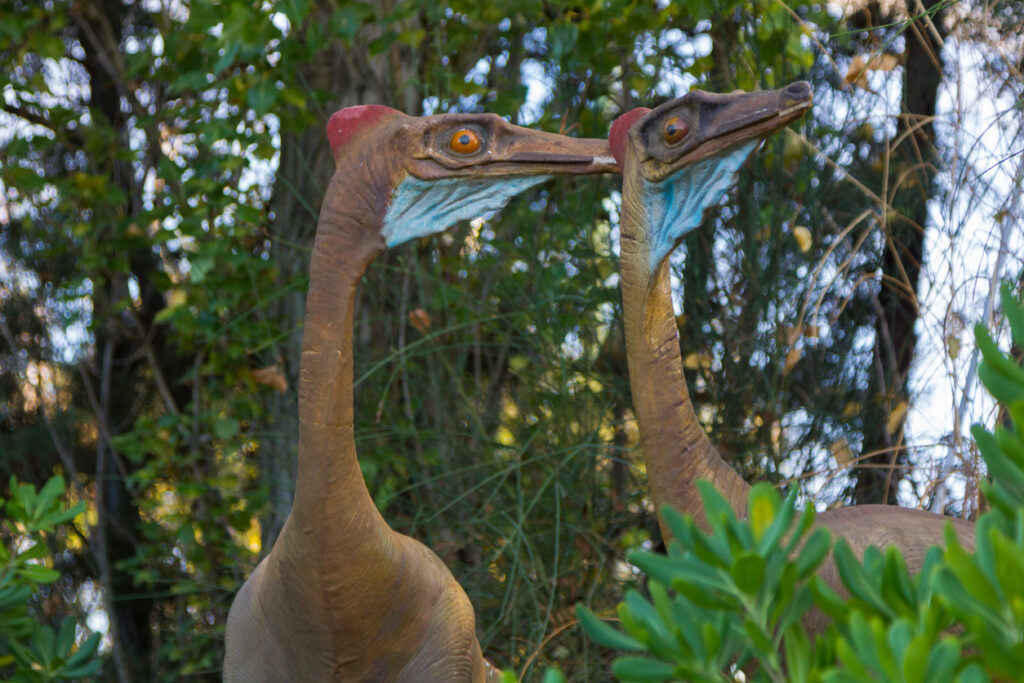
Komodo dragons kill partly through bacterial infection from their filthy mouths, and many dinosaurs likely had the same advantage with serrated teeth that left deep, dirty wounds. Even if you survived the initial attack, the bacteria-filled lacerations would become infected within days and kill you slowly through sepsis. Films show clean deaths, but the reality would often be lingering illness from wounds that wouldn’t heal properly.
They produced sounds that would be physically painful to hear.

The low-frequency calls some species could produce would have resonated in your chest cavity and potentially caused nausea, disorientation, and genuine physical discomfort. These weren’t just loud noises, they were sonic weapons that could disorient prey and communicate over vast distances. Films give them impressive roars, but they can’t replicate the subsonic components that would have made you feel sick and confused just from hearing them.
Their claws were designed to hold prey as it was being eaten alive.
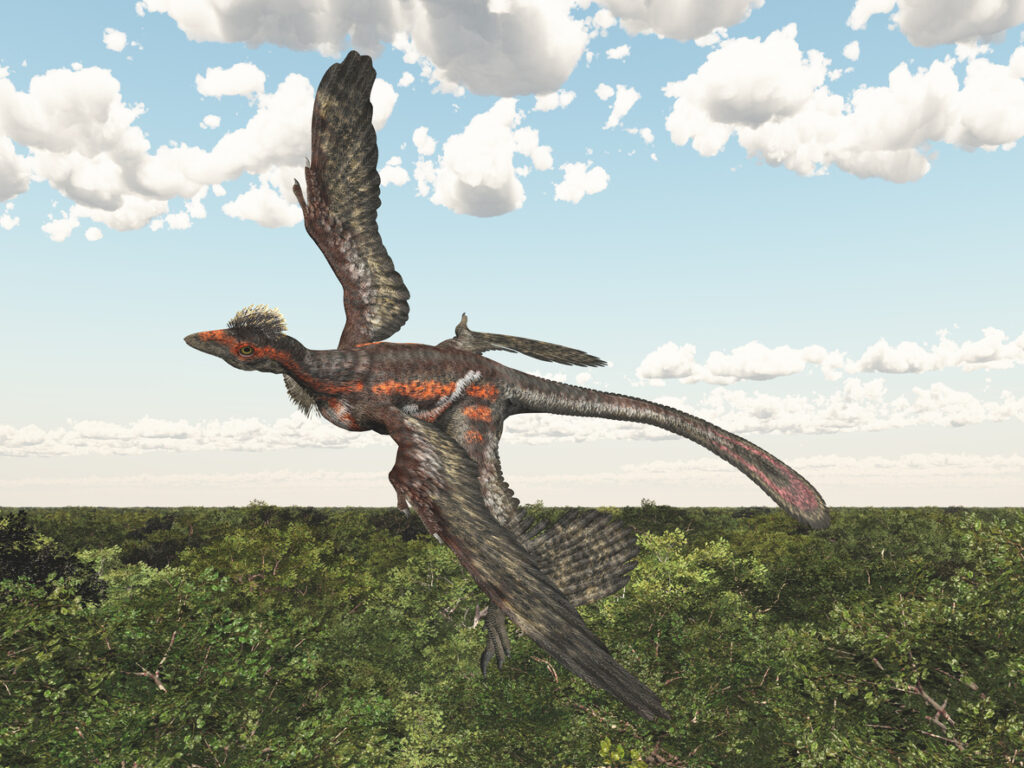
Large predators today often start eating before their prey is dead, and dinosaurs would have been no different, using their claws to pin struggling animals while tearing chunks off. The curved talons weren’t just for killing, they were for gripping and controlling prey during consumption, which means death wouldn’t be quick or merciful. Films cut away from this reality, but it would have been the standard hunting outcome for anything caught by a large theropod.
Many species were active hunters at night.

Excellent night vision and other sensory adaptations meant some dinosaurs hunted primarily in darkness when prey was most vulnerable. You wouldn’t just need to worry during daylight hours, you’d be equally or more at risk at night when you couldn’t see them coming, but they could see you perfectly. Films stick to daytime scenes for visibility, but the nocturnal hunting behaviour would have been one of the most terrifying aspects.
They would have had parasites and diseases that could jump to mammals.
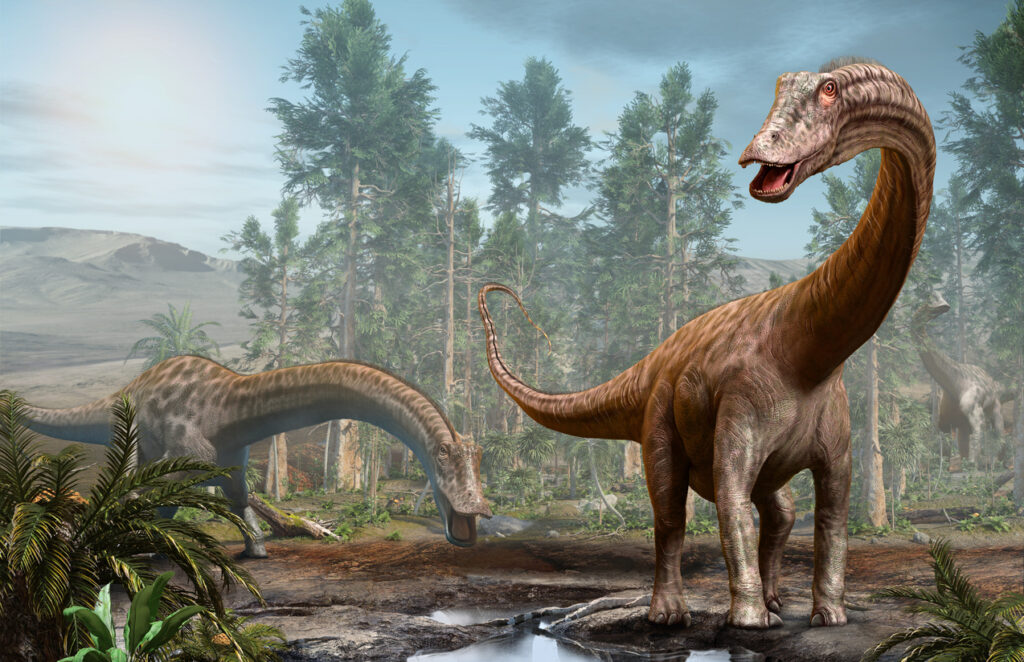
Dinosaurs would have carried their own suite of parasites, bacteria, and viruses, some of which could potentially infect other species, including mammals. Being in close proximity to them meant exposure to pathogens your immune system had never encountered and had no defences against. Films never mention this, but the disease risk from contact with dinosaurs or their environment would have been substantial and potentially fatal even without direct predation.