Britain has lost more nature than almost any other country in Europe, and the decline is accelerating because changing habits feels harder than watching species disappear.
The animals vanishing from our countryside and gardens aren’t victims of distant deforestation or industrial pollution somewhere else, they’re dying because of choices British people make every day. These losses are preventable, but only if people accept that lawns, tidy gardens, and convenient consumption come with costs we’ve been ignoring for decades.
Hedgehogs are disappearing from gardens and roads.
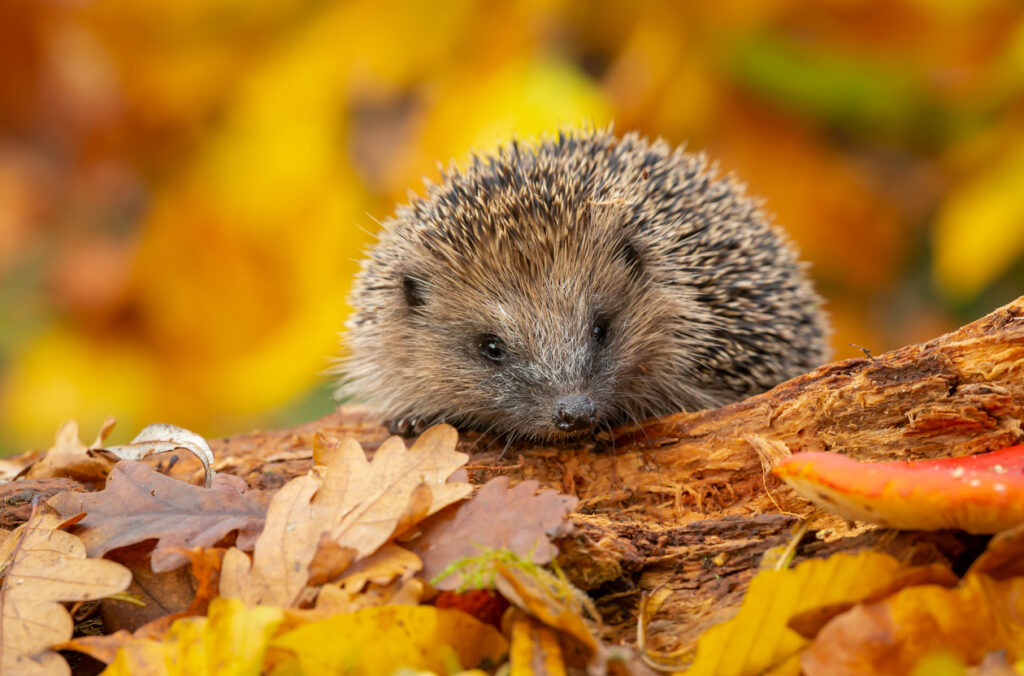
Hedgehog numbers have dropped by half since 2000, largely because British gardens have become hostile environments for them. Solid fences between properties prevent hedgehogs from moving between gardens to find food and mates, fragmenting populations into isolated pockets.
Slug pellets poison hedgehogs when they eat affected slugs, and robotic lawn mowers injure or kill them when they’re active at night. People still want perfect lawns without slugs and complete privacy from neighbours, so hedgehogs continue declining while everyone claims to love them.
Water voles are being wiped out by river management.
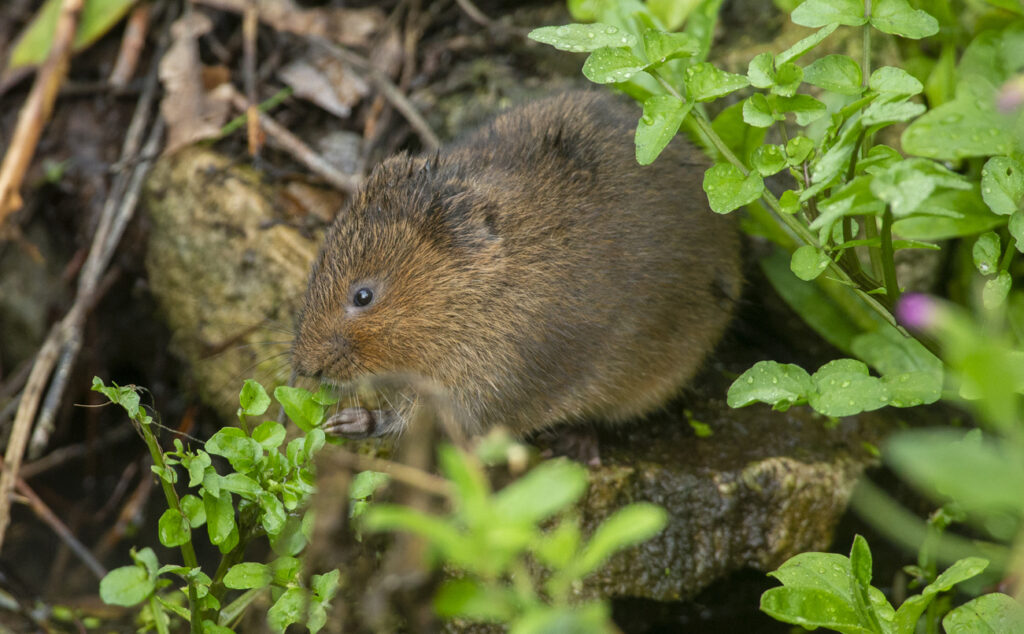
Britain has lost 94% of its water voles since the 1970s, and they’re now extinct in many areas where they once thrived. Rivers are dredged, banks are cleared of vegetation, and waterways are managed for flood control in ways that destroy the dense bankside cover water voles need.
Landowners want neat, controlled watercourses rather than messy natural banks with overhanging plants and burrow systems. The American mink introduction made things worse, but the underlying problem is that British rivers are managed as drainage channels rather than wildlife habitat.
House sparrows have vanished from cities and suburbs.
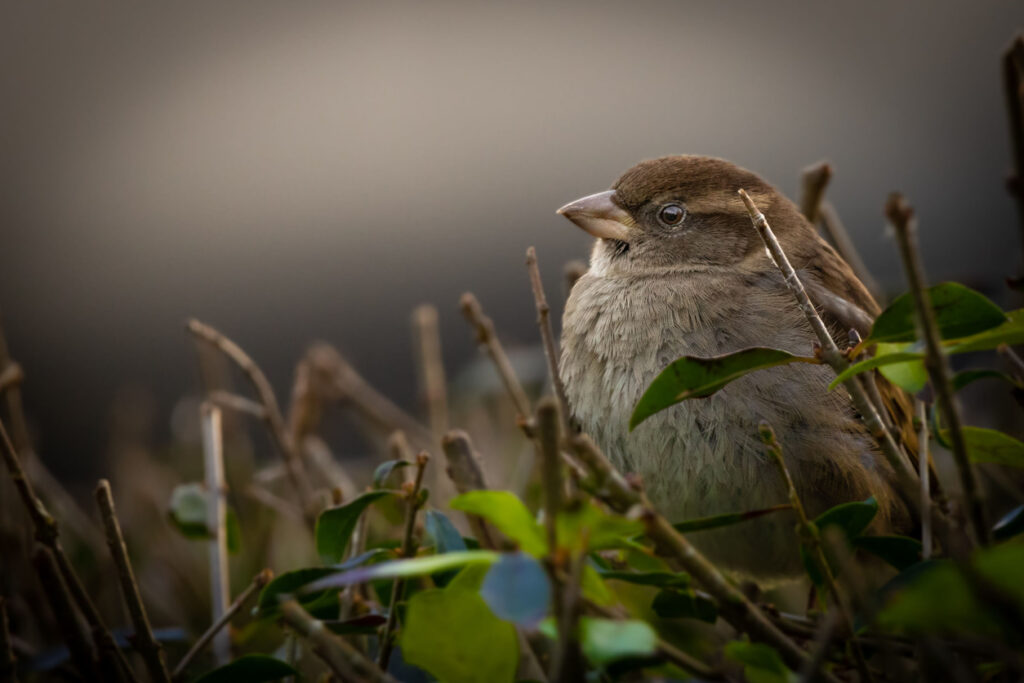
House sparrow populations have crashed by 71% since 1977, particularly in urban areas where they were once abundant. Modern houses lack the roof gaps and eaves where sparrows nest, and renovations typically seal up any potential nesting sites.
Gardens are too tidy with no weedy patches where sparrows can find seeds, and insect decline means less food for chicks. People want neat properties without birds nesting in their roofs, so sparrows disappear while everyone wonders where they’ve gone.
Bumblebees are starving because gardens are sterile.

Eight bumblebee species are in serious decline, and two have become extinct in Britain in recent decades because gardens and countryside no longer provide enough flowers. Lawns are kept short and weed-free, eliminating clover and dandelions that bees desperately need.
Gardens favour ornamental exotic plants that offer little or no nectar to native bees. Verges are mowed frequently, and agricultural land is managed intensively with no wildflower margins. People want tidy green spaces without weeds, so bumblebees starve in landscapes that look well-maintained but are ecological deserts.
Dormice are losing their woodland corridors.
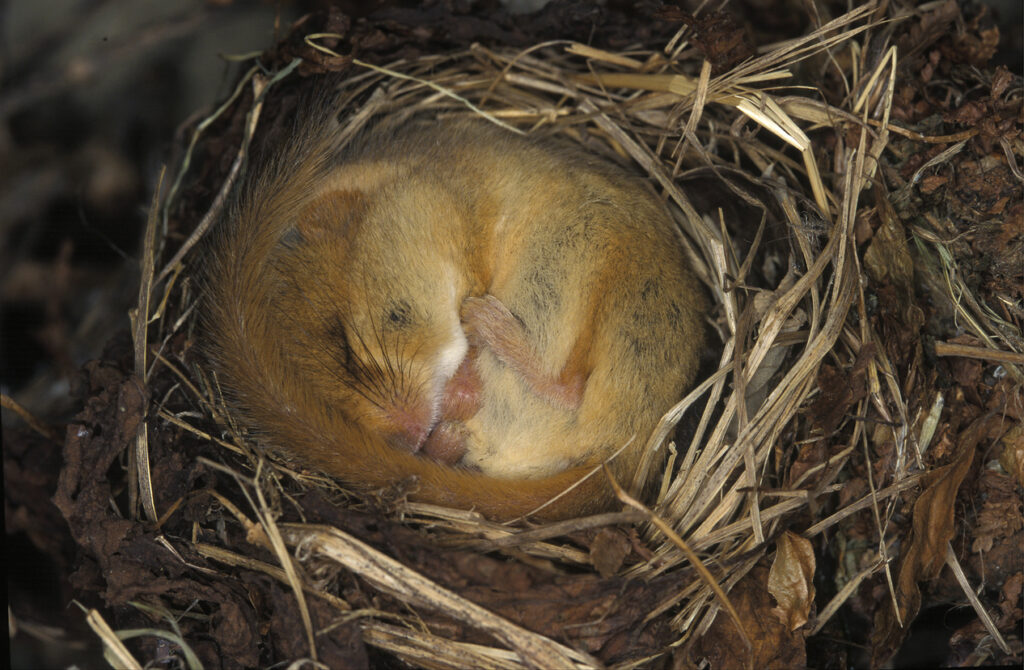
Dormice have declined by 51% since 2000 and are absent from many areas they once inhabited because ancient woodlands are fragmented and hedgerows have been removed. They need continuous tree and shrub cover to move through landscapes, and they can’t cross open ground without being picked off by predators.
Landowners grub out hedgerows for easier field access and more planting area, breaking the habitat networks dormice require. Roads fragment remaining woodlands, and planning permission regularly ignores the need for wildlife corridors. People prioritise convenient land use over connectivity, so dormice become stranded in isolated patches.
Stag beetles are running out of dead wood.
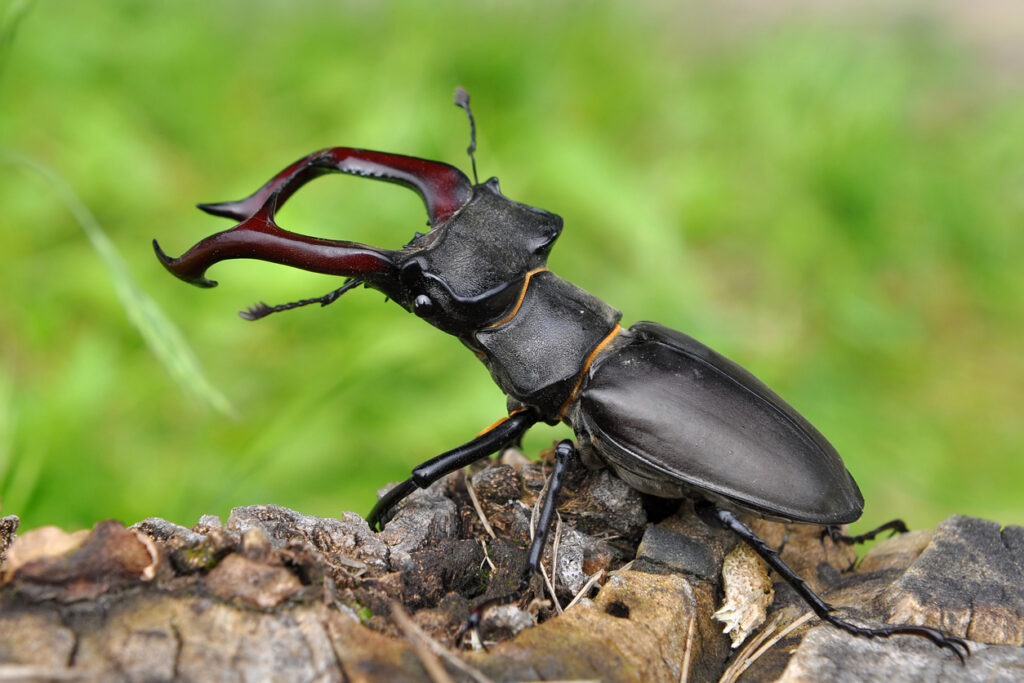
Britain’s largest beetle is vanishing because people remove dead wood from gardens and parks, eliminating the rotting logs where larvae develop. Gardens are kept tidy without fallen branches or log piles, and tree surgeons remove dead trees entirely rather than leaving standing deadwood.
The larvae need years feeding on decaying wood underground, but that habitat is constantly cleared away. People find dead wood untidy or worry about safety, so stag beetles lose the only habitat their larvae can survive in.
Yellowhammers have disappeared from farmland edges.
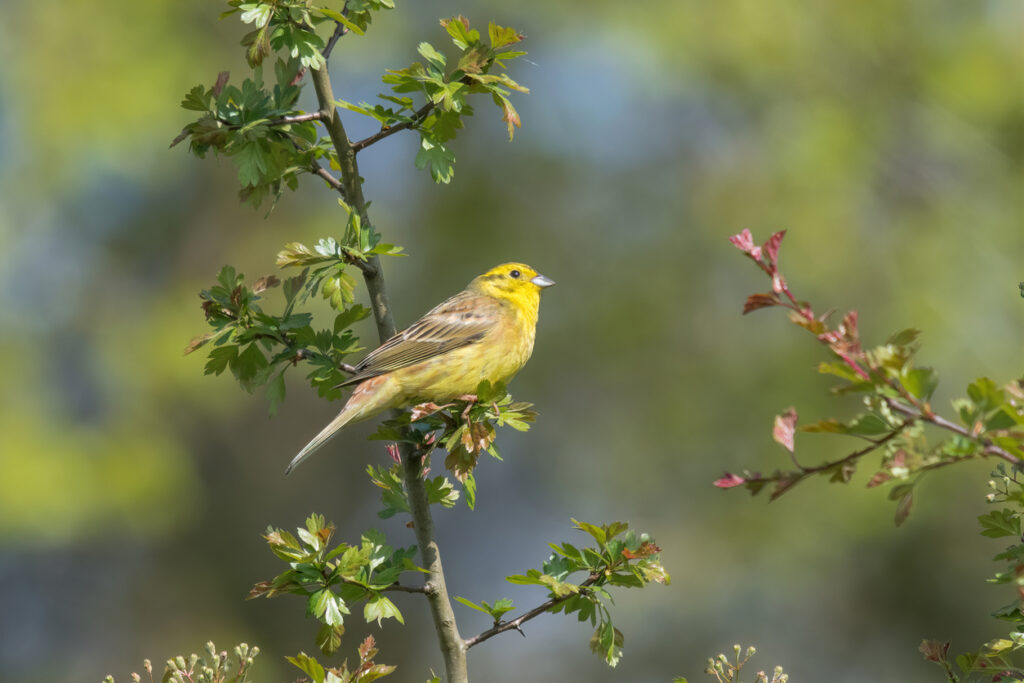
Yellowhammer numbers have fallen by 60% since the 1970s as farming has intensified and field margins have been eliminated. The birds need weedy field edges with seeds available through winter, but modern farming leaves no such areas.
Stubble is ploughed immediately after harvest, hedgerows are flailed short, and herbicides eliminate the wild plants that produce seeds. Farmers want every inch of productive land in use and fields cleared quickly for the next crop, so yellowhammers vanish from landscapes that no longer support them.
. Smooth snakes are trapped in isolated heathland fragments.
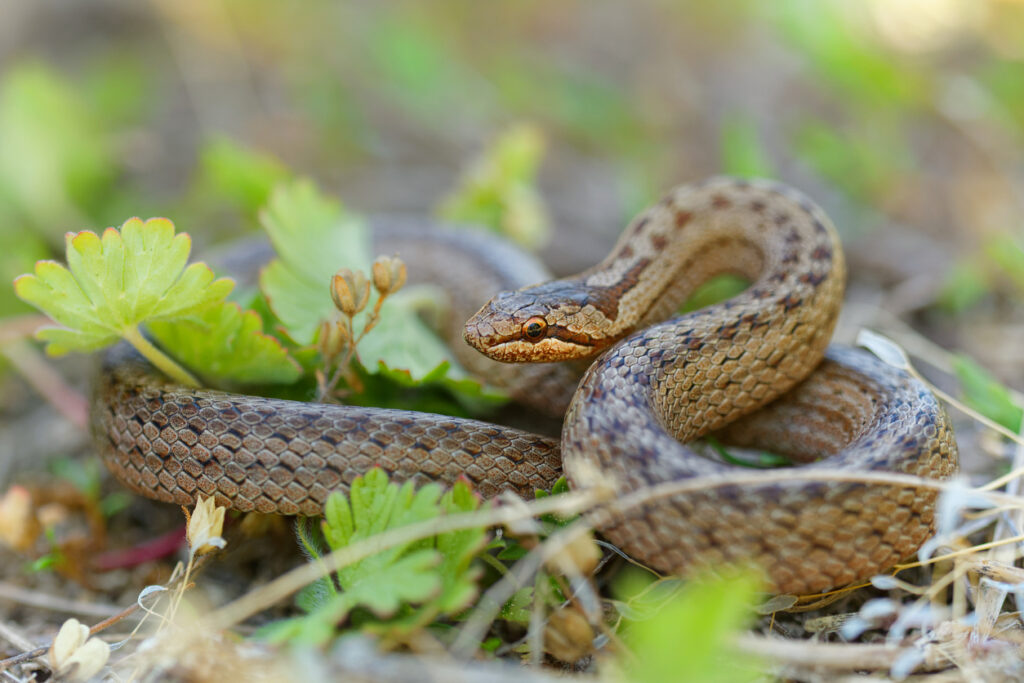
Britain’s rarest snake survives in only a few southern heathland sites, and populations are isolated because the heathland habitat between them has been destroyed. Development, farming, and forestry have turned continuous heathland into scattered fragments too far apart for snakes to travel between.
Planning permission regularly encroaches on remaining heathland edges, and fires are suppressed in ways that allow scrub to overtake the open habitat smooth snakes need. People want housing and productive land use rather than apparently empty heathland, so smooth snakes are stuck in shrinking islands with no way to reach each other.
Natterjack toads are losing their sandy breeding pools.
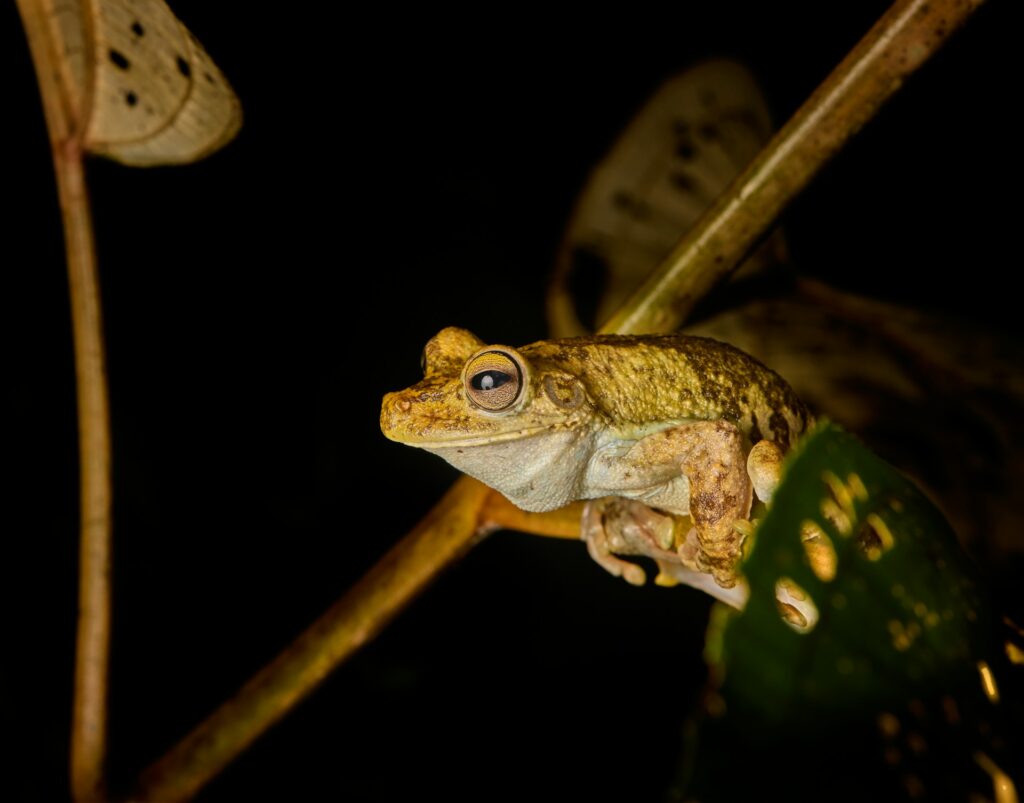
Natterjack toads need shallow, temporary pools on sandy or gravelly ground, and these habitats have largely disappeared from British landscapes. Coastal dune systems are developed or disturbed, and inland sites are drained, filled, or built over. The toads can’t use garden ponds or permanent water bodies because fish and other predators eat their tadpoles.
People want coastal development and land drainage rather than scrubby ground with ephemeral puddles, so natterjacks cling on in a handful of protected sites while suitable habitat elsewhere disappears.
Turtle doves have almost vanished from the countryside.
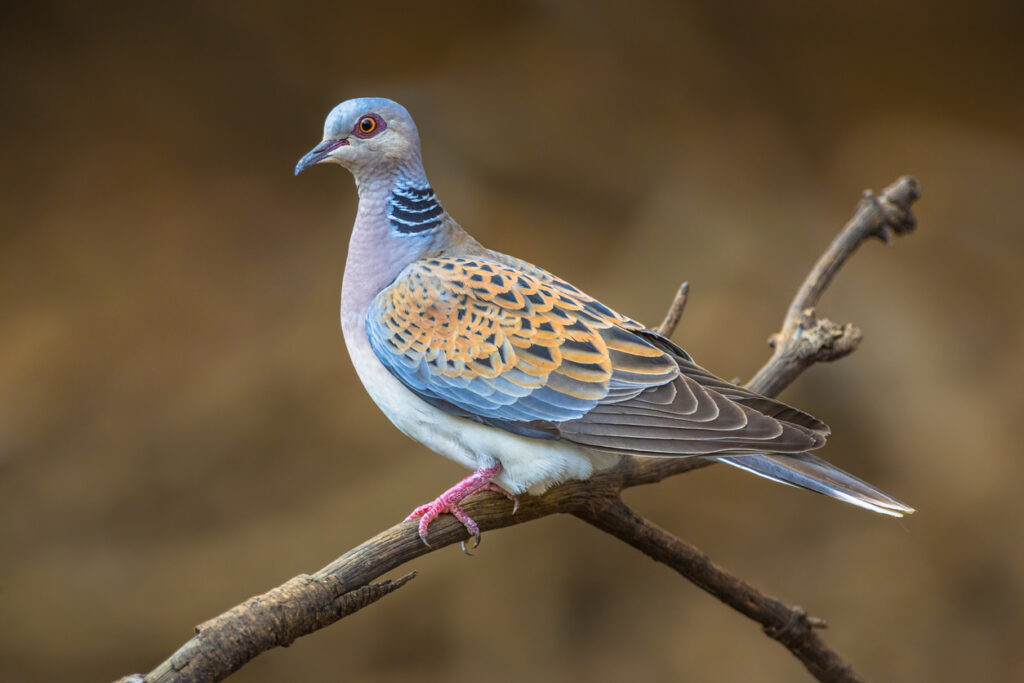
Britain has lost 98% of its turtle doves since 1970, and they’re on the edge of extinction here because farmland no longer provides the seeds they need. Agricultural intensification has eliminated the weedy stubble fields where turtle doves fed, and pesticides have reduced the specific plant seeds they require.
Birds are also shot on migration routes through Europe, but the British decline is primarily about habitat loss. Farmers want clean fields without weeds, and consumers want cheap food from intensive agriculture, so turtle doves have nowhere to feed during their brief British breeding season.
Pine martens are still missing from most of England.
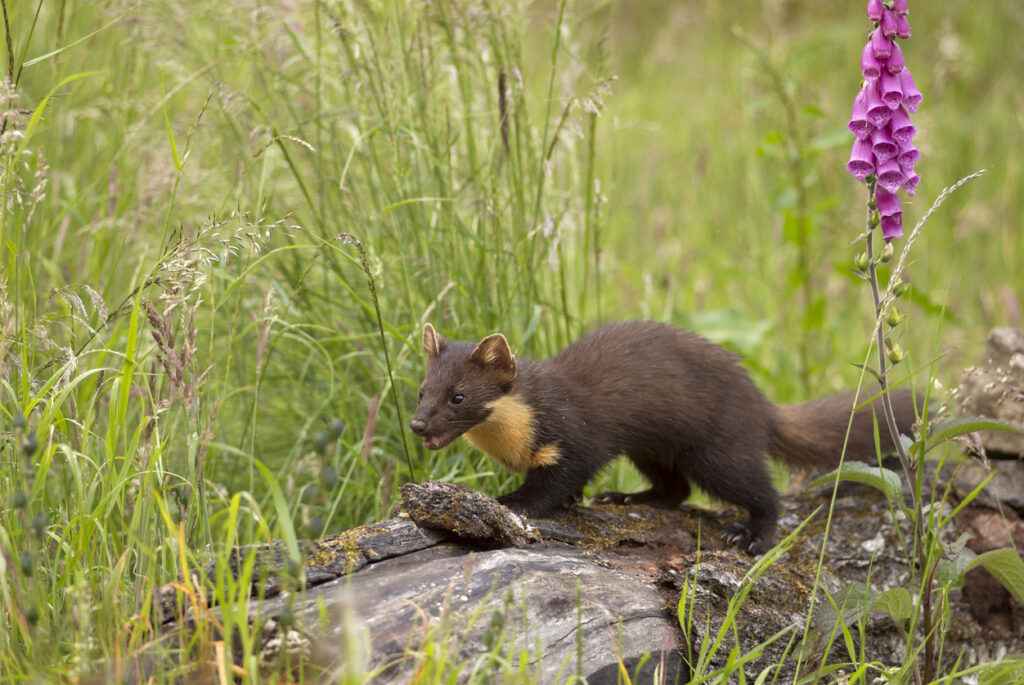
Pine martens were nearly wiped out by persecution and are only now recovering in Scotland and Wales, but recolonising England is slow because suitable woodland habitat is fragmented. They need large territories with continuous tree cover, and English landscapes are too broken up with roads, development, and intensive farming.
Landowners still sometimes kill them illegally, and attitudes toward predators remain hostile in many areas. People want tame, accessible countryside without predators that might affect game birds or poultry, so pine martens can’t expand back into most of their former range.
Harvest mice are disappearing from field edges.
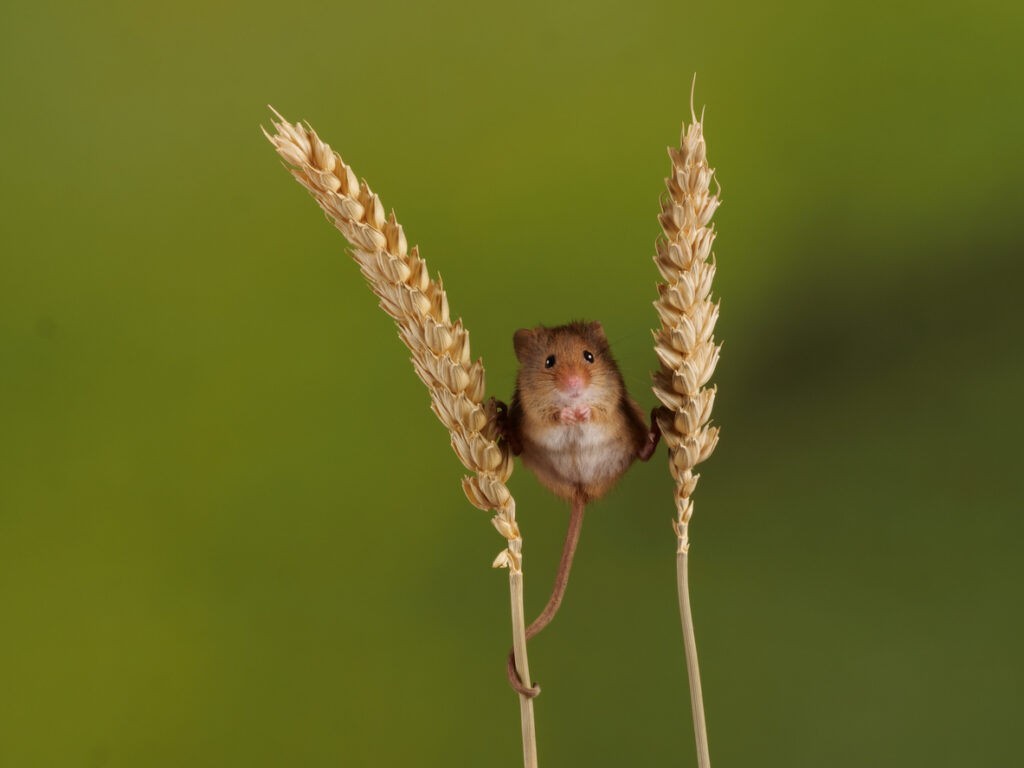
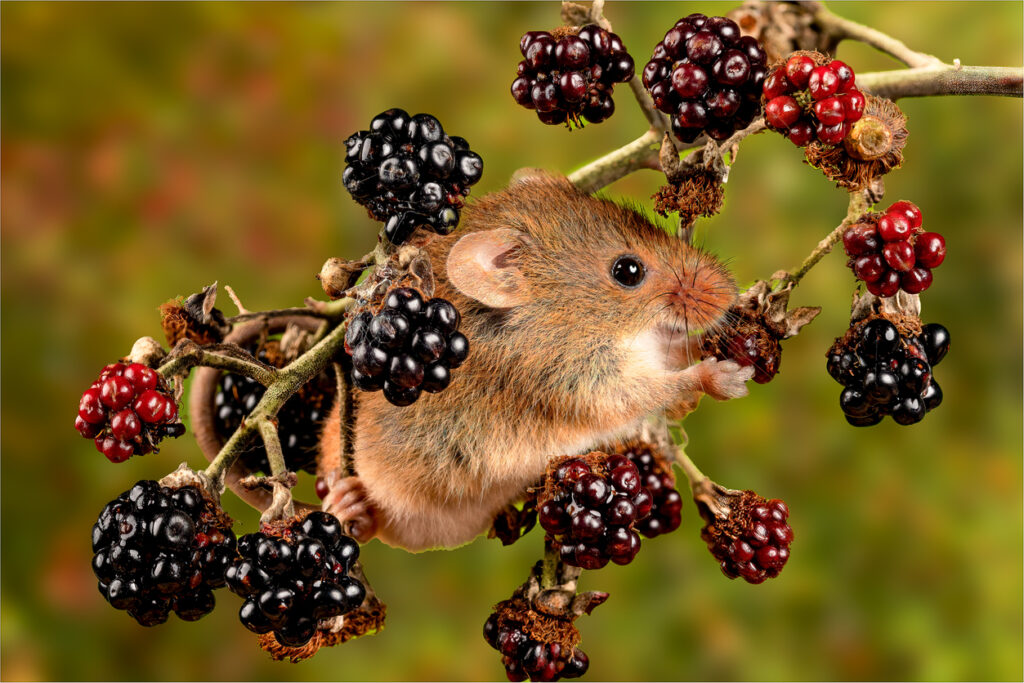
These tiny mice build distinctive woven nests in long grass and reed beds, but modern farming and garden management eliminate the tall vegetation they need. Field margins are cut short or sprayed, ditches are cleared of vegetation, and gardens are mowed frequently without leaving any wild patches.
The mice need dense stands of grass stems to support their nests, and these areas are seen as untidy or wasted space. People want neat boundaries and productive land use right to the field edge, so harvest mice lose the narrow habitat strips they depend on.
Barbastelle bats are running out of old woodland.
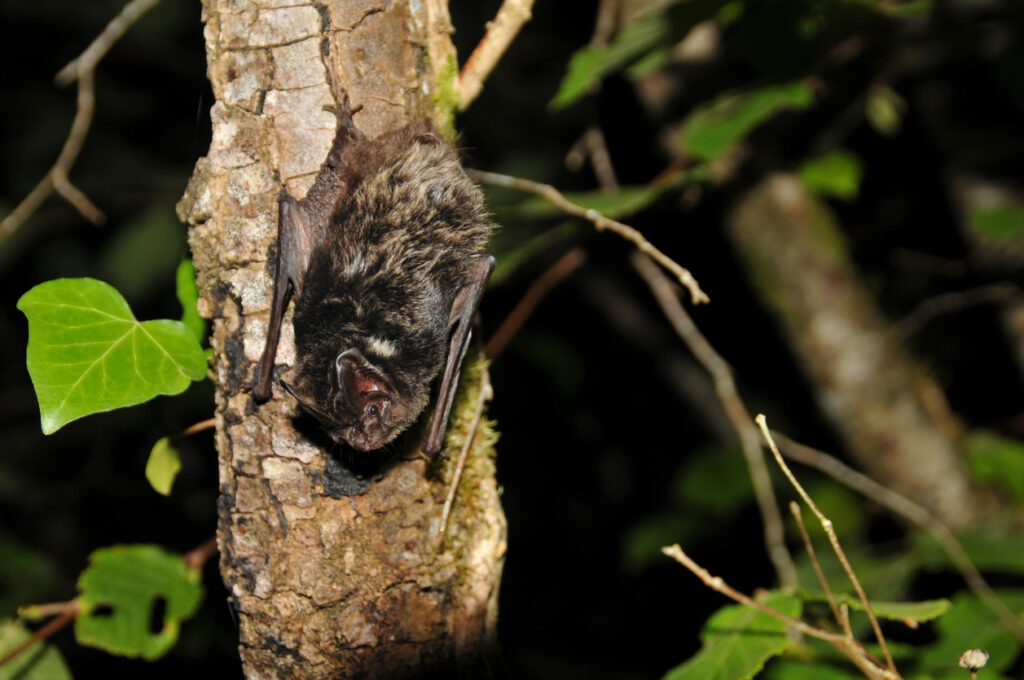
These rare bats roost in cracks and crevices in old trees, but ancient woodland is still being damaged by development, poor management, and the removal of veteran trees. The bats need continuous woodland cover to hunt in and a network of old trees to roost in throughout their territory.
Individual ancient trees are felled for safety reasons or because they’re inconvenient, breaking up the roosting network. People want safe, managed woods without dangerous old trees, and developers want land that happens to contain ancient woodland, so barbastelle bats lose the specific habitat structure they evolved with.
Willow warblers have declined across British woodlands.
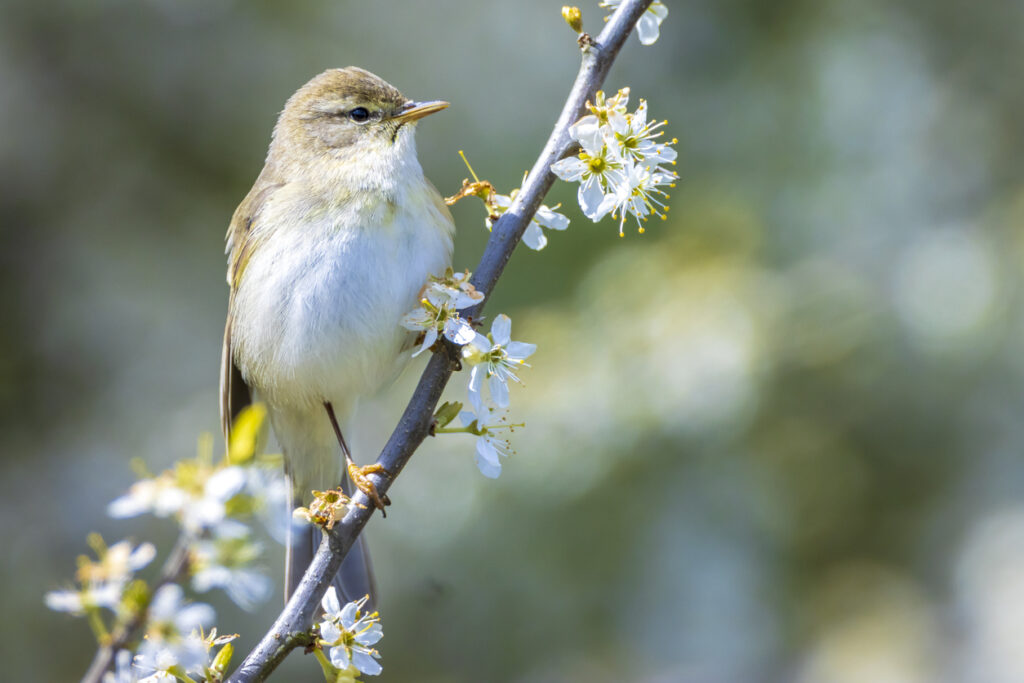
Willow warbler numbers have dropped significantly since 1970, yet most people don’t notice their absence from woodlands where they once bred commonly. They need scrubby woodland edges and young growth for nesting, but these transitional habitats are cleared or allowed to mature into dense woodland.
The birds feed on insects in the canopy and understory, and declining insect populations have reduced the food available for raising chicks. People want tidy woodland without scrubby edges or dense undergrowth, and land management prioritises mature trees over the messy transitional growth that many species need, so willow warblers disappear from woods that look healthy but lack structural diversity.