Britain talks a lot about loving nature, but the truth on the ground tells a different story.

Wildlife is shrinking, habitats are disappearing, and many species are declining faster here than almost anywhere else in Europe. However, the crisis feels strangely hidden in everyday life. People still speak as if everything is fine; they act like the countryside is thriving and our green spaces are guaranteed. The reality is uncomfortable, so the country keeps pretending the problem isn’t as serious as it is. Here are the reasons this denial keeps going.
The countryside still looks green at a glance.

Most people judge nature by what they see from a train window or a motorway. Fields look green, hedges look tidy and there are trees, so it feels like nature is doing well. What they don’t notice is that many of these landscapes are empty of wildlife. A field can be green but hold almost no insects, birds, or plants outside the crops being grown. No wonder people underestimate the crisis. The countryside hasn’t visually collapsed, but the life within it is fading slowly but surely.
People assume protected areas are actually protected.
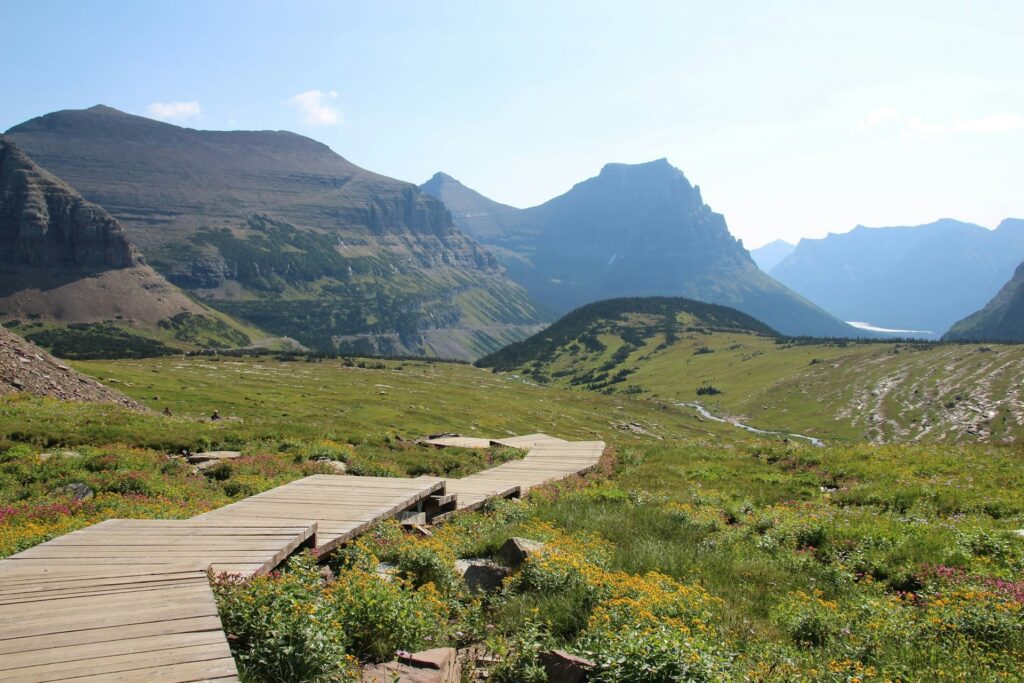
Britain has many areas labelled as National Parks or Sites of Special Scientific Interest, which makes people think these places are safe. In reality, most of these areas are heavily managed, farmed, or built upon. The label gives comfort, but it doesn’t guarantee healthy ecosystems or strong wildlife numbers. Unfortunately, the protective language gives a false sense of security, even when the protection is weak.
Wildlife stories focus on cute success cases.

People love hearing about beavers returning, otters recovering or red kites thriving. These stories get repeated often, which makes it seem like British wildlife is bouncing back across the board. The good news gets the attention, while the declines are pushed aside because they feel uncomfortable. Positive stories are real, but they don’t reflect the bigger picture.
Most losses are gradual and easy to ignore.

Nature rarely fails overnight. Birds disappear, and insect populations decline slowly. Meadows shrink bit by bit. Because these changes stretch across decades, people don’t notice how different things are now from 30 years ago. A slow decline doesn’t trigger the same reaction as a sudden disaster. Once you become aware of this, the scale of loss becomes more visible. Gradual change still adds up to a crisis.
We treat tidy, controlled landscapes as healthy ones.
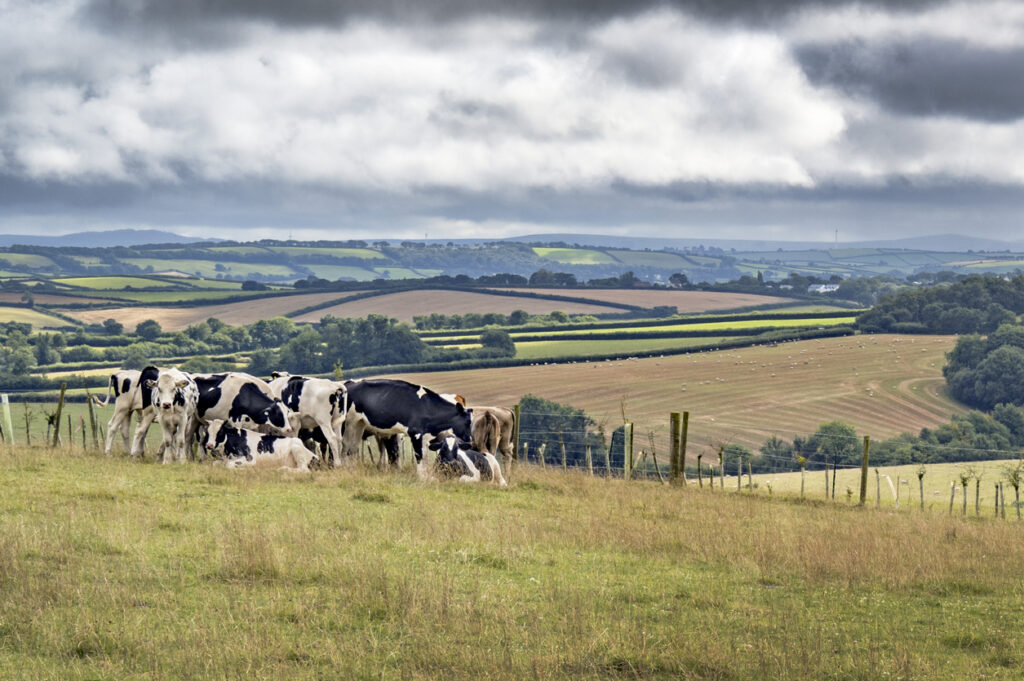
Britain loves order: trimmed hedges, cut grass, neat parks, and straight-edged fields. This tidy look has become the national idea of “well cared for nature.” In reality, tidy environments are often poor habitats. Many species need messy growth, dead wood and wild corners to survive. Wildness looks unkempt, so we often remove the very conditions species rely on.
Farming pressure is kept out of everyday conversations.
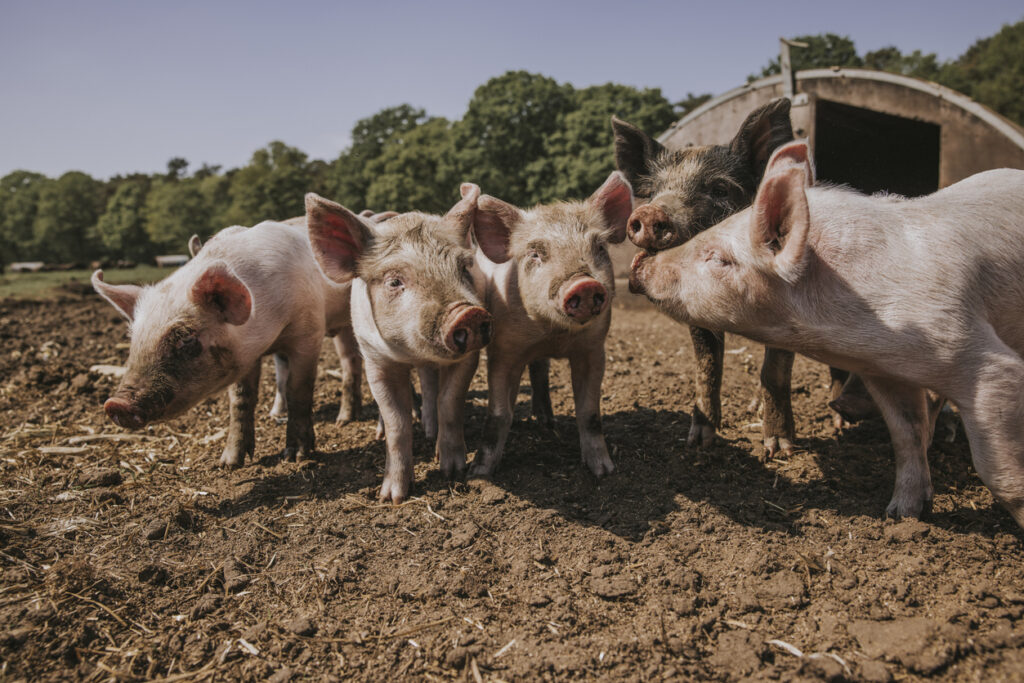
Intensive farming is one of the biggest drivers of habitat loss, but it’s rarely discussed openly. People are uncomfortable criticising an industry seen as part of national identity. As a result, the impact of pesticides, monoculture fields and soil depletion is kept quiet in public debate. The crisis feels hidden because the main cause is rarely talked about honestly.
Urban areas create the illusion of nature bouncing back.
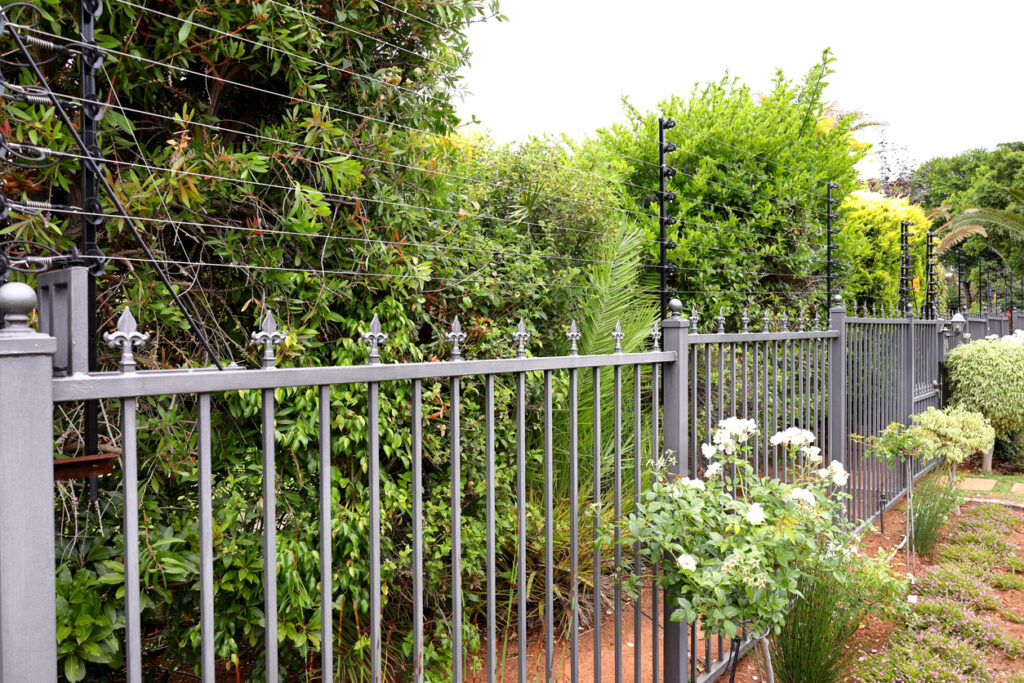
Cities feel greener than they used to. People see foxes, pigeons, garden birds and the occasional hedgehog, so it feels like wildlife is thriving. In reality, these are the species that can tolerate human spaces. The specialist species, the rare ones and the sensitive ones, are disappearing fast. A few adaptable animals don’t mean nature is healthy.
Political promises sound impressive, but change very little.
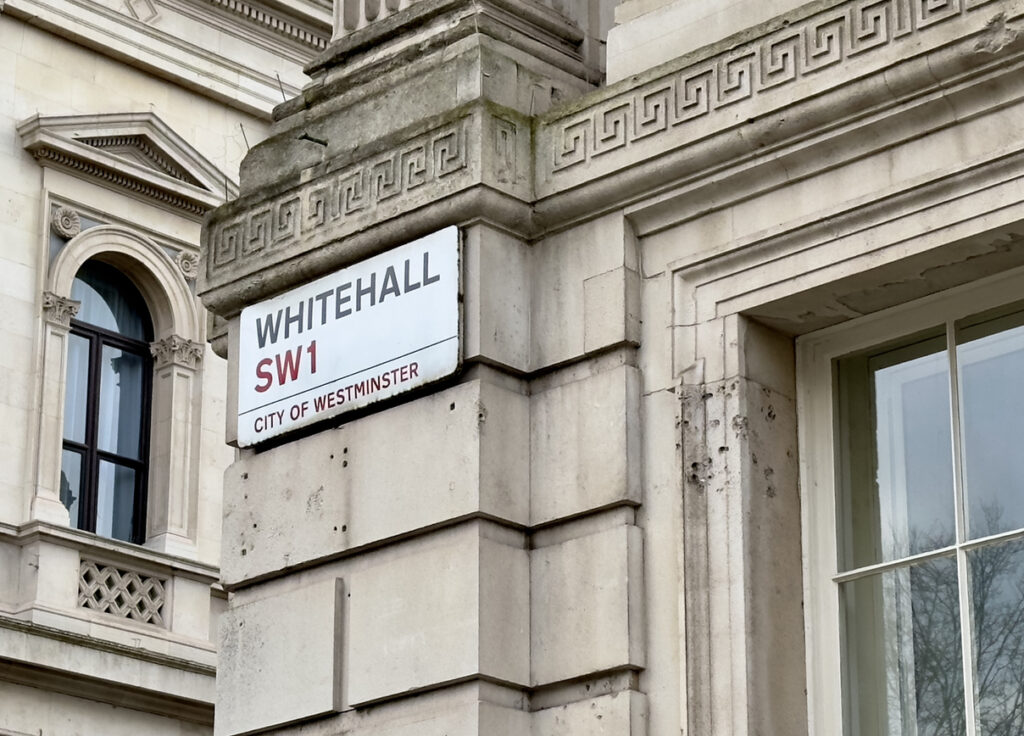
Britain often announces ambitious nature targets, new laws or environmental plans. These sound reassuring, but many are vague, delayed or quietly watered down. People hear the promise and assume action is happening, even when progress is slow. As a result, the crisis continues and worsens. Promises create comfort, but don’t automatically lead to real improvement.
The crisis is hidden because it isn’t dramatic.
There are no burning forests, no sudden collapses and no visible disaster scenes. The losses happen in silence: fewer bees, fewer butterflies, fewer wildflowers, fewer birds. Without dramatic images, the issue rarely reaches the emotional level needed for public urgency. People react more strongly to disasters they can see, not slow declines that happen silently.
Many people assume Britain is too small for true wilderness.
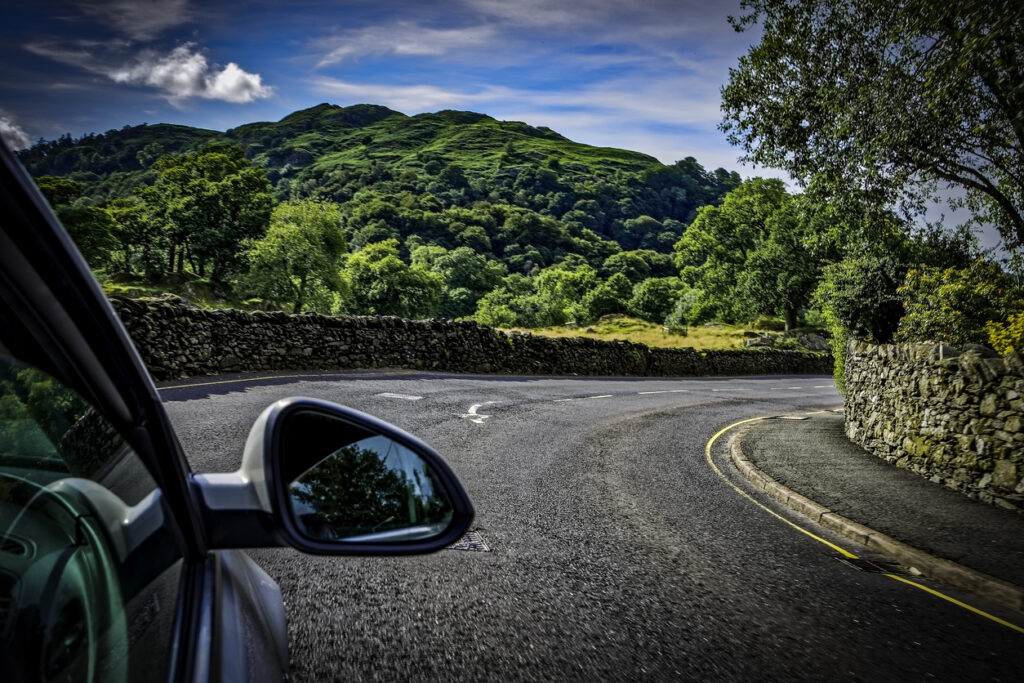
There’s a belief that Britain doesn’t have untouched nature because the land has been managed for centuries. This idea creates low expectations, making people think the current state is normal. They don’t realise how much richer and more alive the land once was. Being small doesn’t mean a country can’t support thriving ecosystems.
Nature loss is overshadowed by bigger public worries.
People worry about bills, rent, health care and politics long before they think about insects or soil quality. Because daily life feels heavy, environmental issues get pushed down the list. The crisis keeps moving forward because attention is focused elsewhere. No wonder it’s so easy for this issue to fall by the wayside. It isn’t denial out of malice; it’s denial caused by distraction.
Britain still sees nature as something that will manage somehow.

There’s a widespread belief that nature is resilient and will bounce back without much help. This idea has been repeated for generations, even though the evidence shows the opposite. Species can’t recover if habitats are gone and ecosystems are damaged. Sadly, people assume nature can fix itself, which stops action before it starts.