
Many older gardeners pass down advice that worked well decades ago, but modern weather patterns, pests, and soil conditions have changed so much that some of those old rules cause more trouble than they solve. What once guaranteed strong growth can now lead to weak plants, wasted effort or disappointing harvests, so it helps to understand which habits no longer suit today’s gardens.
1. Digging the soil every spring to “refresh” it
People turn the soil each year because it was once seen as essential for healthy beds. Modern soils often lose structure when they’re disturbed too much, and digging destroys the networks of fungi and insects that keep the ground naturally balanced and productive throughout the growing season.
Leaving the soil undisturbed helps these networks stay intact, and a gentle top layer of compost usually provides all the nourishment your plants need. When you switch to lighter maintenance, the soil becomes healthier and easier to work with, and plants often grow stronger without the extra effort from you.
2. Watering little and often to “keep plants happy”
Shallow, frequent watering encourages roots to stay near the surface, which makes plants dry out faster during heat waves. Older advice came from a time when summers were cooler and rainfall more reliable, so plants didn’t face the same long periods of drying winds and hot days.
Deep, less frequent watering helps roots grow downward to find moisture, which keeps plants stable in changing weather. When you allow the top layer to dry slightly between waterings, the roots adapt better and the plants cope with tougher summers more comfortably.
3. Planting by fixed dates instead of watching the weather
Older advice suggests planting on traditional dates, which no longer match current conditions. Springs now swing between cold spells and sudden warmth, so following strict calendars often leads to seeds rotting in cold soil or young plants getting hit by late frosts that used to be less common.
Paying attention to local temperatures and soil warmth helps you choose the right moment. When you plant according to the actual conditions rather than old routines, seeds germinate more reliably and young plants settle in without struggling against surprise cold snaps.
4. Using peat compost for the “best start possible”
People rely on peat because it was once considered the richest growing medium. Peat extraction damages habitats that take centuries to recover, and many modern compost mixes provide better nutrition without harming the environment. Older advice didn’t consider these impacts because alternatives weren’t widely available.
Choosing peat-free compost helps protect delicate ecosystems while still giving plants a strong foundation. When you switch to modern mixes, you support healthier gardening practices and still enjoy good growth without needing the old peat-based products.
5. Removing every fallen leaf to “avoid mess”
People clear leaves completely, leaving bare soil exposed to winter rain and early spring heat. Old advice focused on appearance, but removing everything removes natural insulation and breaks the cycle of nutrients returning to the ground, which weakens soil life over time.
Leaving some leaves around borders helps protect roots and feed the soil as they break down gradually. When you move them into low-maintenance areas rather than removing them entirely, you support healthier plants and save yourself time on tidying.
6. Using pesticides at the first sign of trouble
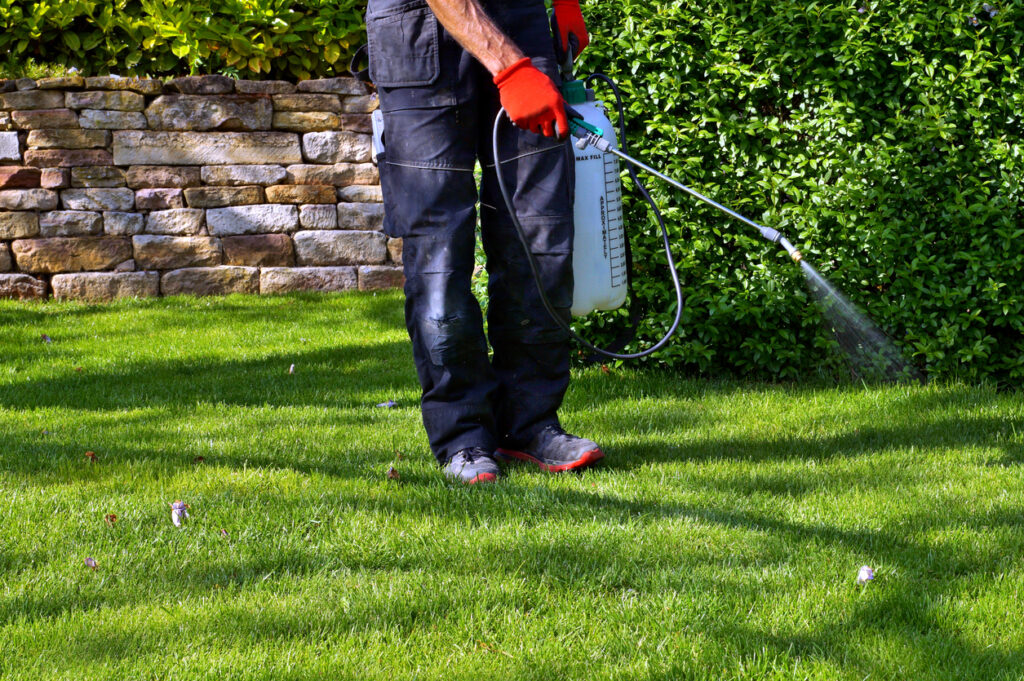
Older gardeners advise treating pests immediately, which was common when fewer natural predators lived in managed gardens. Heavy pesticide use now harms pollinators and disrupts the balance that encourages beneficial insects to keep pests under control without chemical sprays.
Watching the garden for a few days helps you understand whether the problem will settle naturally. When you allow predators like ladybirds or hoverflies to do their job, you often avoid spraying altogether and create a more stable garden ecosystem.
7. Planting the same crops in the same spot each year
A lot of people follow old habits and grow vegetables in fixed patches out of routine. Repeating crops in the same place encourages soil diseases and attracts pests that return yearly, which wasn’t such an issue when soils were richer and gardens faced fewer extreme weather patterns.
Rotating crops between beds each season helps break these cycles and keeps the soil healthier. When you shift your planting plan slightly each year, vegetables tend to grow stronger and resist problems more easily.
8. Trimming shrubs heavily in winter because “they’ll bounce back”
Too many people prune shrubs hard during cold months because older gardens had fewer unusual frosts. Modern winters bring unpredictable cold snaps, and heavy pruning exposes young growth to damage that can weaken the plant for the rest of the year and reduce bloom or fruiting.
Waiting until early spring helps plants recover more safely. When you prune after the worst weather has passed, shrubs respond more strongly and produce healthier growth and better displays through the summer.
9. Mowing the lawn very short for a tidy look
Some gardeners use the old rule of keeping grass short, which weakens the lawn during hotter summers. Short grass dries out quicker and leaves bare patches that become compacted or weedy, which didn’t happen as much when summers were milder and rainfall more frequent.
Raising the mower height helps protect the lawn and improve its resilience. When you leave grass slightly longer, it holds moisture better and copes with heat far more effectively, reducing the amount of repair work needed later in the year.
10. Digging out every weed rather than letting some stay
A lot of people treat all weeds as threats, which leads to constant disturbance of the soil and more growth from newly exposed seeds. Older gardens had simpler planting schemes, so weeds were easier to manage, but modern borders often rely on richer ecosystems that benefit from a little natural ground cover.
Leaving harmless weeds in quiet corners helps support insects and improve soil structure without harming your main plants. When you remove only the weeds that compete strongly, the garden becomes easier to care for and stays healthier overall.
11. Feeding plants with strong fertilisers on a strict schedule
Heavy feeding encourages quick, weak growth that collapses during heat waves or wind. Older soils were more fertile, so fertilisers worked differently, but modern gardens often need softer support that builds strength slowly rather than forcing sudden bursts of growth.
Using gentler feeds or adding compost gradually helps plants grow sturdier. When you support long-term soil health rather than pushing fast results, plants cope better with unpredictable weather and stay stronger throughout the season.
12. Watering lawns and borders at midday because “it doesn’t matter”
Sunlight and heat cause a large amount of water to evaporate before it reaches the roots. Older advice came from cooler decades when watering at any time of day worked without waste, but modern summers make midday watering inefficient and sometimes harmful.
Watering early in the morning helps the moisture reach the soil deeply. When you avoid the hottest hours, plants take in more water and stay healthier without using as much from the hose or watering can.