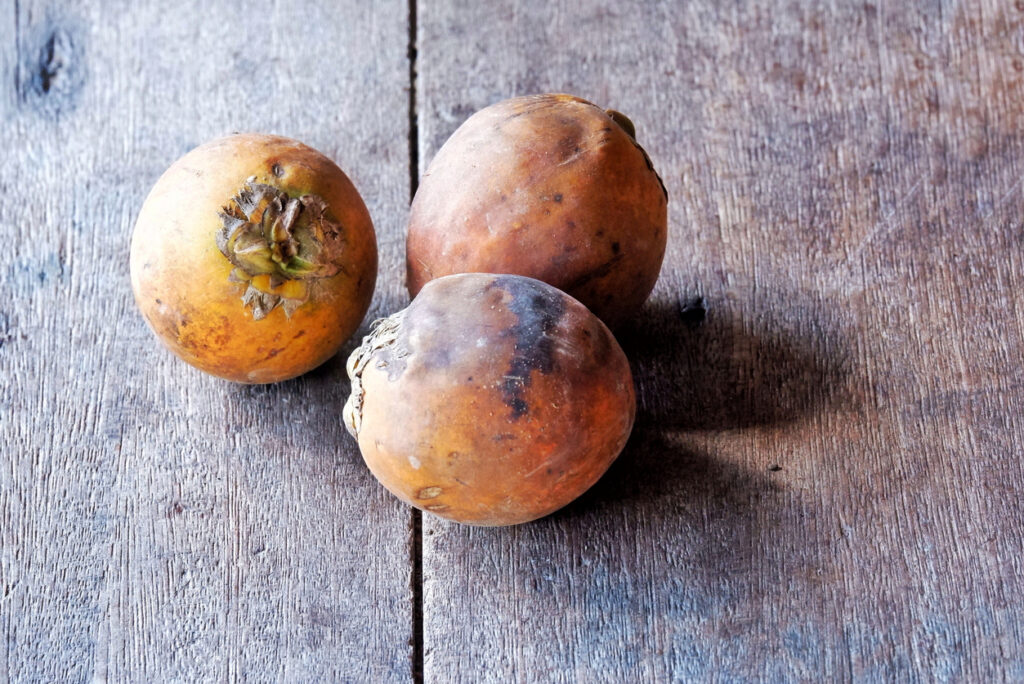
Betel nut is chewed by roughly 600 million people worldwide, making it one of the most widely used psychoactive substances on the planet after caffeine, alcohol, and nicotine. Despite being classified as carcinogenic and linked to serious health problems, its use remains deeply embedded in cultures across Asia and the Pacific.
It provides a stimulating high similar to caffeine.
Chewing betel nut releases alkaloids that stimulate the central nervous system, producing feelings of alertness, mild euphoria, and increased energy within minutes. Users describe a warm sensation, heightened focus, and reduced fatigue that makes it appealing for people doing physically demanding work or long shifts.
The effects are stronger than coffee but shorter-lasting, typically wearing off within an hour or two. The nut is usually chewed with slaked lime and often wrapped in betel leaf, which enhances the chemical reaction and intensifies the experience. This combination has been used for thousands of years as a social stimulant and remains the preferred pick-me-up in many communities where coffee culture never took hold.
@abdixplorer PAAN or beetle nut is used so widly in many parts of South asia and south east asia. Some reports even mention it to be up there as one of the most highly used substance in the region. With even kids beibg addicted. #paan #beetlenut #bangladesh #addictive #desi #desitiktok #traveltok ♬ original sound – AbdiXplorer Travels 🎒
It’s deeply woven into social and cultural traditions.
In many Asian and Pacific cultures, offering betel nut is a sign of hospitality, friendship, and respect, similar to offering tea or coffee in other societies. The practice appears in wedding ceremonies, religious rituals, and important social gatherings as a traditional element that carries cultural weight.
Refusing betel nut when offered can be seen as rude or disrespectful in some contexts, creating social pressure to participate. Elders often chew it throughout the day, and the practice gets passed down through generations as part of cultural identity. This traditional significance makes public health campaigns against betel nut particularly challenging, as they’re asking people to abandon practices tied to their heritage and social structure.
It causes distinctive red staining.
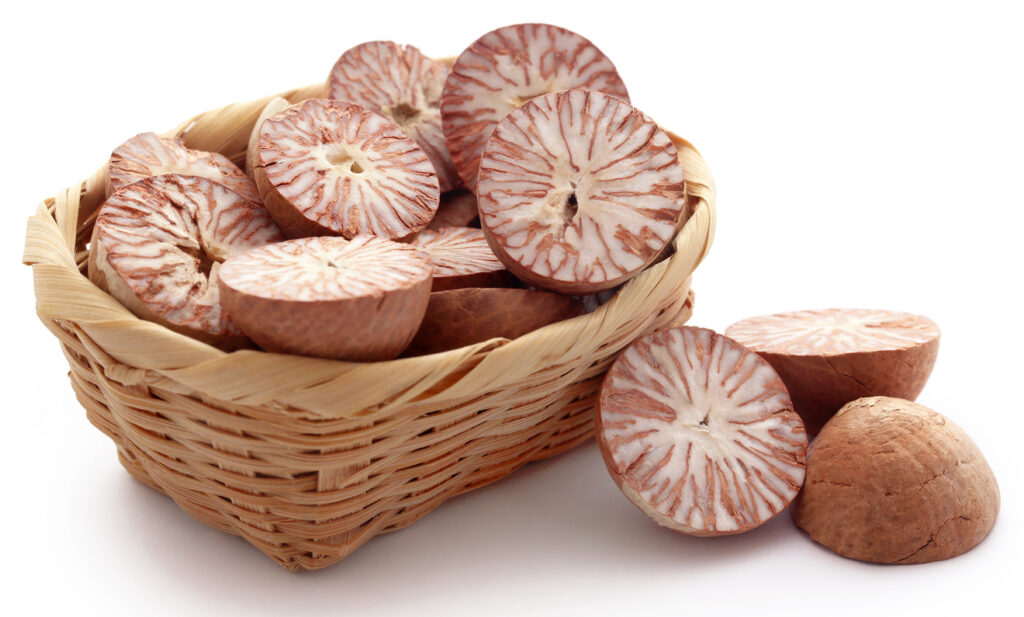
The combination of betel nut, lime, and leaf produces bright red saliva that stains the mouth, teeth, and lips a characteristic crimson colour. Long-term users develop permanently blackened or red-stained teeth and the need to spit frequently creates visible red marks on streets, walls, and pavements in areas where chewing is common.
This staining becomes a marker of habitual use, and in some communities it’s so normalized that unstained teeth might actually stand out as unusual. The red spit is considered unsightly by outsiders and has led to bans in some public spaces, though enforcement is difficult in regions where the majority of adults chew. The cosmetic effects are often dismissed by users as less important than the social and stimulant benefits.
It’s directly linked to oral cancer.
Betel nut is classified as a Group 1 carcinogen by the World Health Organization, meaning there’s definitive evidence it causes cancer in humans. Regular users face dramatically increased risks of oral cancers, including cancers of the mouth, tongue, throat, and esophagus. The combination with tobacco, which many users add to their betel quid, multiplies the cancer risk even further.
The alkaloids in betel nut cause cellular damage and the abrasive nature of chewing creates lesions that can develop into cancerous growths. Countries with high betel nut consumption like Taiwan, Papua New Guinea, and parts of India have correspondingly high rates of oral cancer, with clear epidemiological links between the practice and disease.
It’s incredibly cheap and accessible.
Betel nut is sold by street vendors, small shops, and market stalls throughout Asia and the Pacific, often costing just pennies per piece. This affordability makes it accessible to poor and working-class populations who might not be able to afford other stimulants or recreational substances.
The nuts grow on areca palm trees that thrive in tropical climates, providing a steady supply that keeps prices low. No special equipment or preparation is needed beyond the basic ingredients, making it easy to use anywhere. The economic accessibility combined with legal availability in most places where it’s traditionally used means millions of people can maintain daily habits without financial strain.
Withdrawal symptoms keep people hooked.
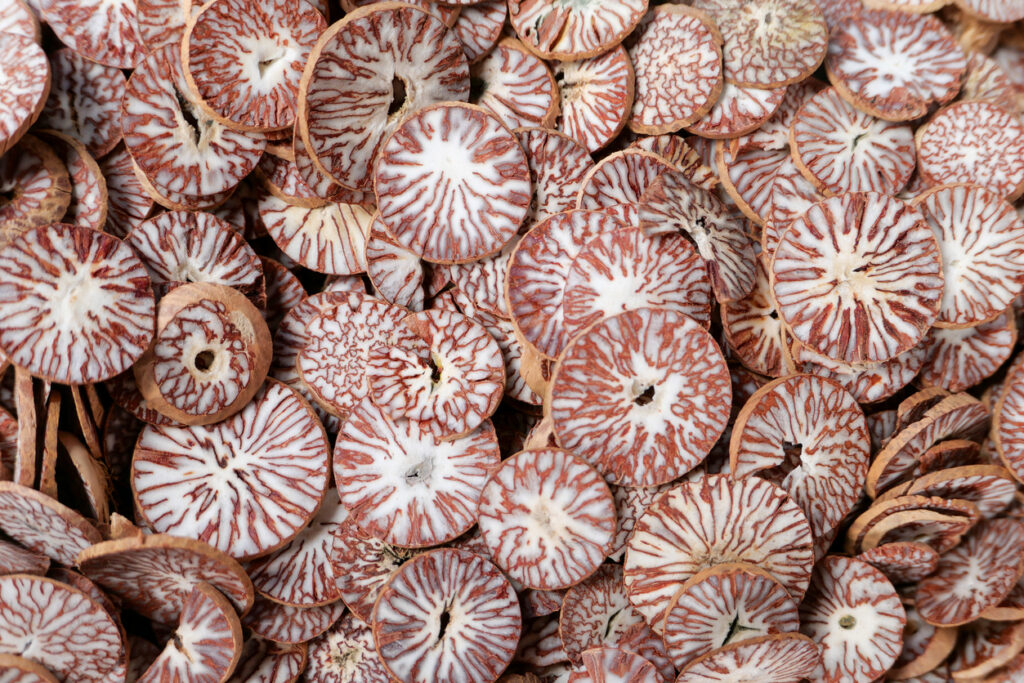
Regular betel nut users develop physical dependence and experience withdrawal symptoms including headaches, anxiety, irritability, and difficulty concentrating when they stop. The alkaloids in betel nut affect neurotransmitter systems in ways similar to other addictive substances, creating genuine addiction that’s difficult to break.
Users often report that they chew not primarily for the high, but to avoid feeling unwell or unfocused without it. This dependency cycle keeps people using even after they become aware of health risks, as the immediate discomfort of quitting outweighs the long-term threat of cancer. The addiction is reinforced by the social acceptability and constant availability of betel nut in communities where everyone around you is also chewing.
It suppresses appetite and aids weight control.
The stimulant properties of betel nut reduce hunger and speed up metabolism slightly, making it useful for people who can’t afford regular meals or want to control their weight. In poor communities, this appetite suppression can be seen as a practical benefit rather than a health concern.
Some users report that chewing betel nut helps them work longer without eating, which is economically advantageous even if nutritionally problematic. This effect contributes to its popularity among labourers and workers in physically demanding jobs who need to maintain energy without stopping for food. The weight control aspect also appeals to some users for cosmetic reasons, though the health trade-offs are severe.
Health warnings are ignored or disbelieved.
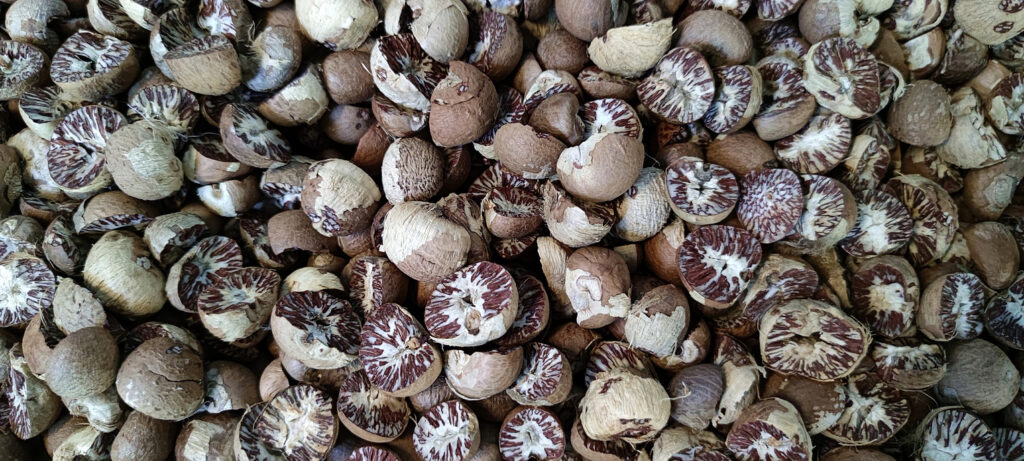
Many users either don’t believe the cancer warnings or feel that the risks are exaggerated by outsiders who don’t understand the tradition. The long time lag between starting to chew and developing cancer means people can use for years without obvious immediate harm, reinforcing the belief that it’s not actually dangerous.
Cultural trust in traditional practices often outweighs trust in modern medical warnings, especially in communities where betel nut has been used safely by the majority for generations. Some users rationalize that plenty of elderly people in their community have chewed all their lives without getting cancer, dismissing population-level statistics as irrelevant to individual experience. Public health campaigns struggle to overcome this combination of cultural attachment and personal observation.
It’s used as a digestive aid and medicinal plant.
Traditional medicine systems in various cultures attribute healing properties to betel nut, including improving digestion, treating intestinal worms, and freshening breath. These traditional uses give the practice an aura of health benefit that contradicts modern cancer warnings.
While some of these traditional uses may have basis in the nut’s chemical properties, they don’t justify the cancer risk from regular chewing. The medicinal framing makes it harder for users to accept that something used by their ancestors for health purposes is actually harmful. This conflict between traditional knowledge and modern medicine creates resistance to public health messages about betel nut dangers.
Economic interests keep it flowing.
Betel nut production and sale supports millions of livelihoods across Asia and the Pacific, from farmers growing areca palms to vendors selling prepared quids. This economic dependency means governments face pressure from agricultural interests and small business owners when considering restrictions or bans.
In some regions, betel nut represents a significant cash crop that provides income to rural communities with few other economic options. The industry generates substantial tax revenue in places where it’s regulated and taxed like other commodities. These economic factors create powerful incentives to maintain the status quo despite public health costs, as eliminating betel nut would require alternative income sources for millions of people whose livelihoods depend on its continued use.