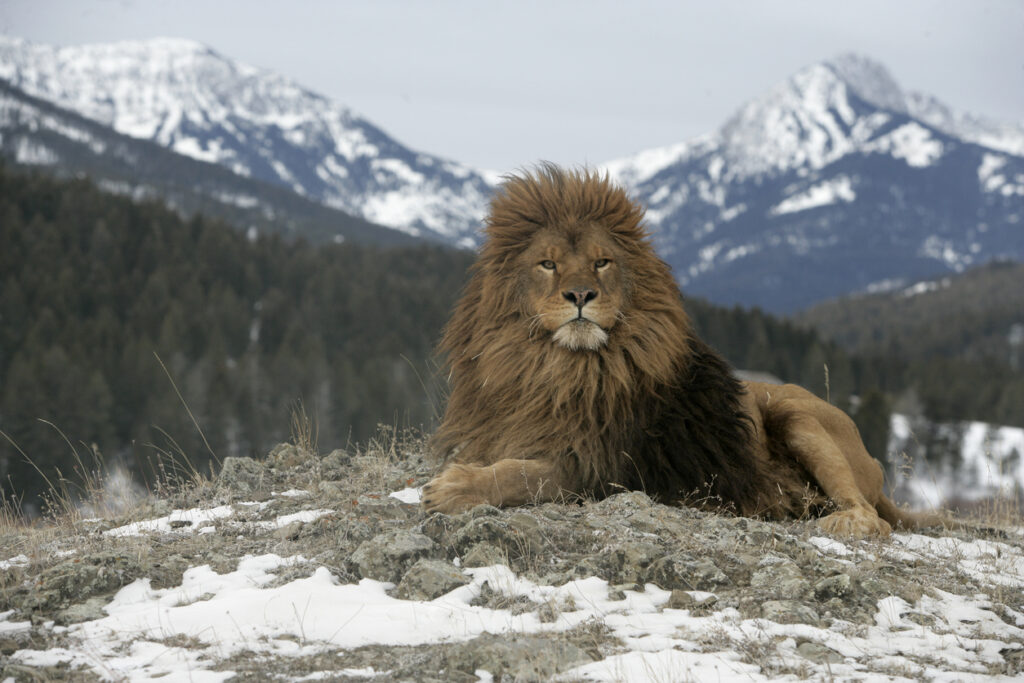
The Barbary lion once ruled North Africa as the largest and most impressive of all lion subspecies, but its fate remains one of wildlife’s most debated mysteries. Whether any true Barbary lions still exist is a question that scientists, conservationists, and zoo experts have been trying to answer for decades.
They were declared extinct in the wild by the 1960s.
The last confirmed wild Barbary lion was shot in Morocco’s Atlas Mountains in 1942, though unverified sightings continued for another two decades. By the 1960s, scientists formally declared them extinct in the wild after extensive searches found no evidence of surviving populations.
These lions had been hunted relentlessly by Romans for arena fights, by trophy hunters during colonial periods, and by locals protecting livestock. Habitat loss from expanding agriculture and human settlement eliminated the forests and mountains where they once lived. The combination of direct killing and disappearing habitat meant Barbary lions stood no chance of survival in their natural range.
@sauti_science Barbary Lion #greenscreen #science #biology #stem #animals #lion #recentlyextinctanimals #barbarylion #africa ♬ Interstellar Theme – Follow The Compass
Some zoo lions might carry Barbary genetics.
Royal families in Morocco and Ethiopia kept lions as symbols of power, and some of these captive animals were believed to be pure Barbary lions gifted by sultans. Descendants of these royal lions ended up in zoos across Europe, particularly in Rabat Zoo in Morocco and Port Lympne in England. Genetic testing on these zoo populations has produced mixed results, with some studies suggesting Barbary ancestry, while others indicate hybridization with other subspecies.
The challenge is that Barbary lions were never properly documented genetically before they became extinct, so scientists lack a definitive baseline for comparison. Without knowing exactly what made a Barbary lion genetically distinct, proving that modern zoo lions are pure Barbary stock is nearly impossible.
They were renowned for their enormous dark manes.
Male Barbary lions were distinguished by exceptionally large, dark manes that extended down their belly and onto their legs, giving them a more impressive appearance than other lion subspecies. That thick mane was likely an adaptation to the cooler mountain climate of the Atlas range, where temperatures dropped significantly at night.
Historical accounts and photographs show males with manes so pronounced that they appeared significantly larger and more formidable than African lions. The mane quality has become one of the key physical markers people look for in potential Barbary descendants, though mane development is also influenced by diet, climate, and genetics in complex ways. Some zoo lions with impressive manes are promoted as Barbary lions based largely on this physical feature.
Morocco is trying to resurrect them.
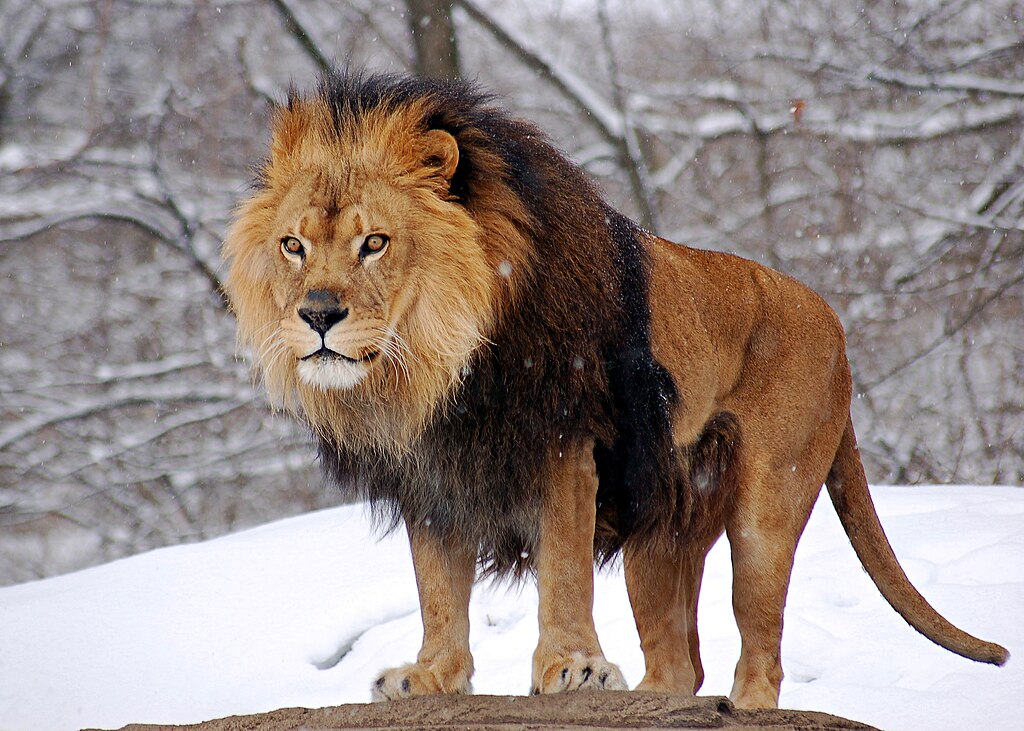
The Moroccan government has invested in a breeding programme using zoo lions believed to have Barbary ancestry, with the eventual goal of reintroducing them to protected areas. Rabat Zoo serves as the headquarters for this effort, housing lions that were descendants of the royal collection. The programme faces criticism from scientists who question whether these lions are genuinely Barbary or simply impressive-looking hybrids being marketed as a lost subspecies.
Even if the lions do carry Barbary genetics, they’ve been mixing with other subspecies for so long that calling them pure Barbary lions is debatable. The political and cultural significance of the Barbary lion in Morocco drives much of the effort, as the animal appears on the national football team crest and represents Moroccan heritage.
Genetic evidence is inconclusive.
DNA analysis of museum specimens and zoo lions has failed to definitively prove that any living lions are pure Barbary stock. Some studies found genetic markers suggesting North African ancestry, while others concluded the tested lions were indistinguishable from sub-Saharan African lions. The main problem is that genetic samples from confirmed wild Barbary lions are scarce and often degraded, making comparisons difficult.
Modern lions are all quite closely related genetically compared to other big cats, so distinguishing subspecies requires very detailed analysis. Until more historical samples are found, and better genetic techniques are developed, the question of whether true Barbary lions survive in captivity remains unanswered.
They were smaller than commonly believed.
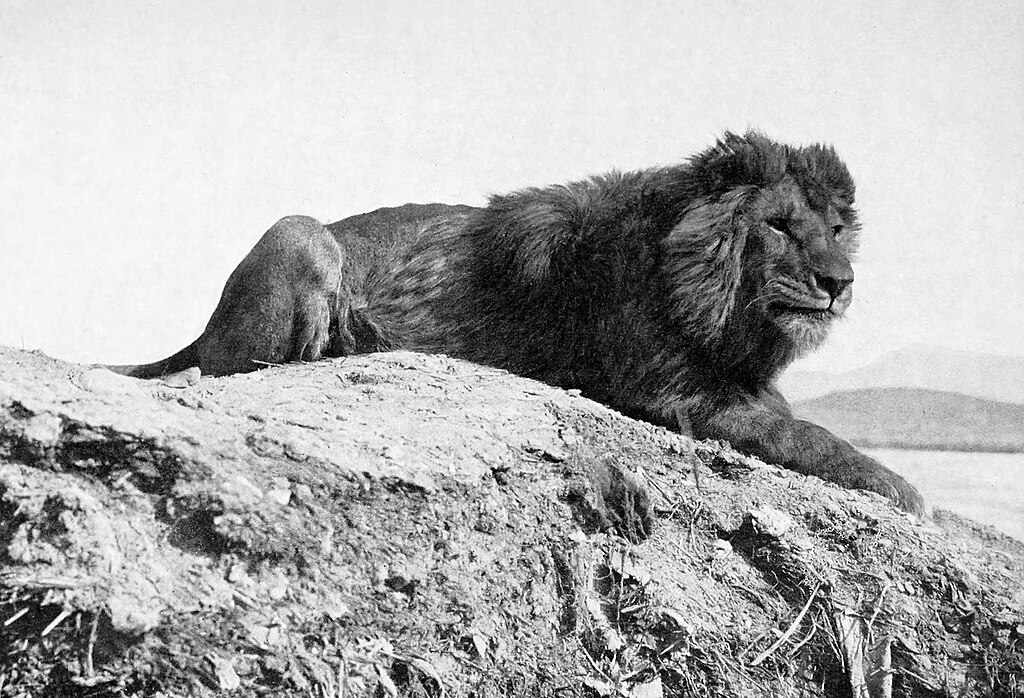
Despite their impressive manes, Barbary lions weren’t actually larger in body size than other African lions, with historical records suggesting they weighed similarly to modern lions. The perception of greater size came from their manes and the tendency of hunters and showmen to exaggerate for dramatic effect.
Male Barbary lions likely weighed between 180 and 200 kilograms, comparable to lions from other regions. The focus on their supposed massive size has become part of the mythology around the subspecies, making it harder to assess what they actually were versus what people wanted them to be. That exaggeration extends to captive lions promoted as Barbary descendants, where large manes get interpreted as proof of authenticity.
Romans captured thousands for gladiatorial games.
The Roman Empire’s appetite for exotic animals in arena spectacles devastated Barbary lion populations across North Africa. Thousands of lions were captured and shipped to Rome and other cities to fight gladiators, battle other animals, or be executed as part of public entertainment.
The industrial-scale removal of lions from the wild continued for centuries, significantly reducing their numbers long before modern hunting began. The Romans also hunted other North African wildlife to near extinction, fundamentally altering the ecosystem. By the time the empire fell, Barbary lion populations had already been severely damaged, setting them on a path toward eventual extinction.
@michaboibsp #barbary #lion #is #extinct barbary lio🥵😠🤓n is extinct
Their habitat no longer exists.
Even if pure Barbary lions were confirmed in captivity, reintroducing them faces the problem that their original habitat in the Atlas Mountains has been transformed by human activity. The forests and mountain wilderness where they hunted Barbary deer and wild boar have been largely converted to agriculture or degraded by overgrazing.
The prey species they depended on are themselves endangered or extinct in much of the former range. Any reintroduction would require extensive habitat restoration, prey population recovery, and management of human-wildlife conflict in areas where people have lived without lions for over half a century. The ecological conditions that supported Barbary lions simply don’t exist anymore in most of their historical range.
The subspecies status is debated.
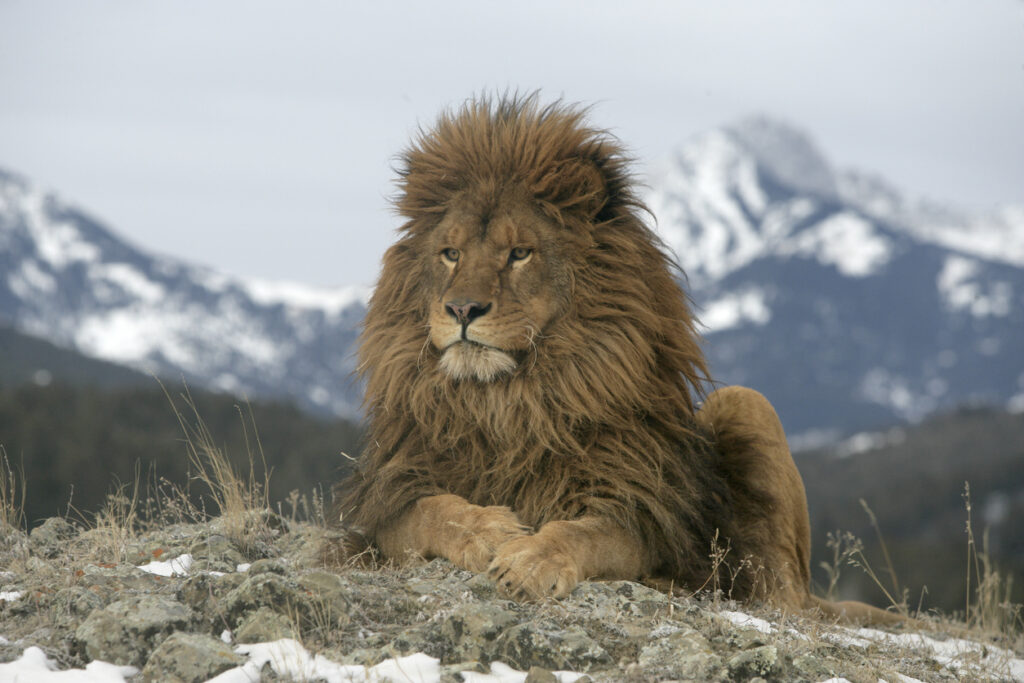
Some scientists argue that Barbary lions weren’t a true subspecies at all, but rather a population of African lions adapted to a specific environment. Modern taxonomy increasingly views lion subspecies divisions as questionable, with some experts suggesting only two real subspecies exist in Africa and Asia combined.
If Barbary lions were just a regional variation rather than genetically distinct, then their extinction is less significant from a conservation genetics perspective. This debate matters because it affects how much effort and resources should go into trying to preserve or recreate them. The cultural and historical significance remains regardless of taxonomic status, but the biological importance changes.
Hope for rediscovery is essentially zero.
Despite occasional rumours and unverified reports, the chance of finding wild Barbary lions in remote North African mountains is virtually nonexistent. The region has been thoroughly explored and surveyed, with no credible evidence of lions emerging in over 60 years. Camera traps, satellite imagery, and extensive conservation surveys would have detected a breeding population if one existed.
Any large predator requires substantial prey populations and territory, making it impossible for lions to remain hidden in landscapes as altered and monitored as North Africa. The romantic notion of Barbary lions surviving in hidden valleys belongs to wishful thinking rather than biological reality, and conservation efforts are better focused on the captive populations and habitat restoration for potential future reintroduction.