Your perfectly manicured lawn and weed free borders might look good on social media, but they’re slowly but surely devastating the planet.
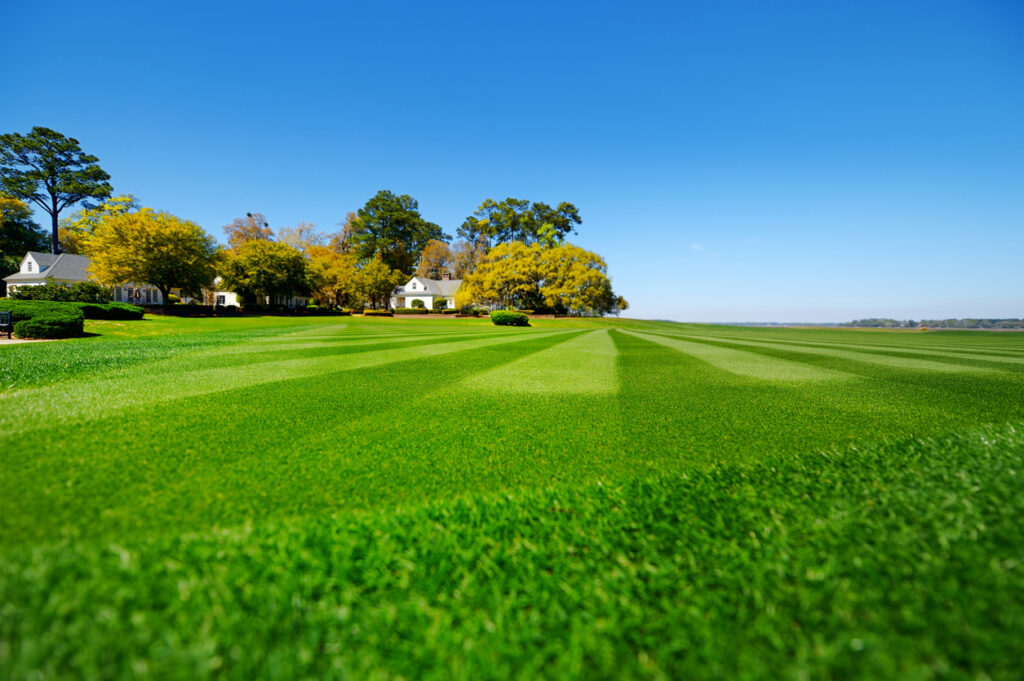
Tidy gardens with their neat edges, pristine grass and absence of dead leaves create ecological deserts where wildlife can’t survive. The obsession with tidiness kills insects, starves birds and accelerates climate change while using massive amounts of water, chemicals, and fossil fuels. What you think is good gardening is actually environmental vandalism, and it’s happening on millions of properties across the UK right now.
Manicured lawns are biodiversity graveyards.
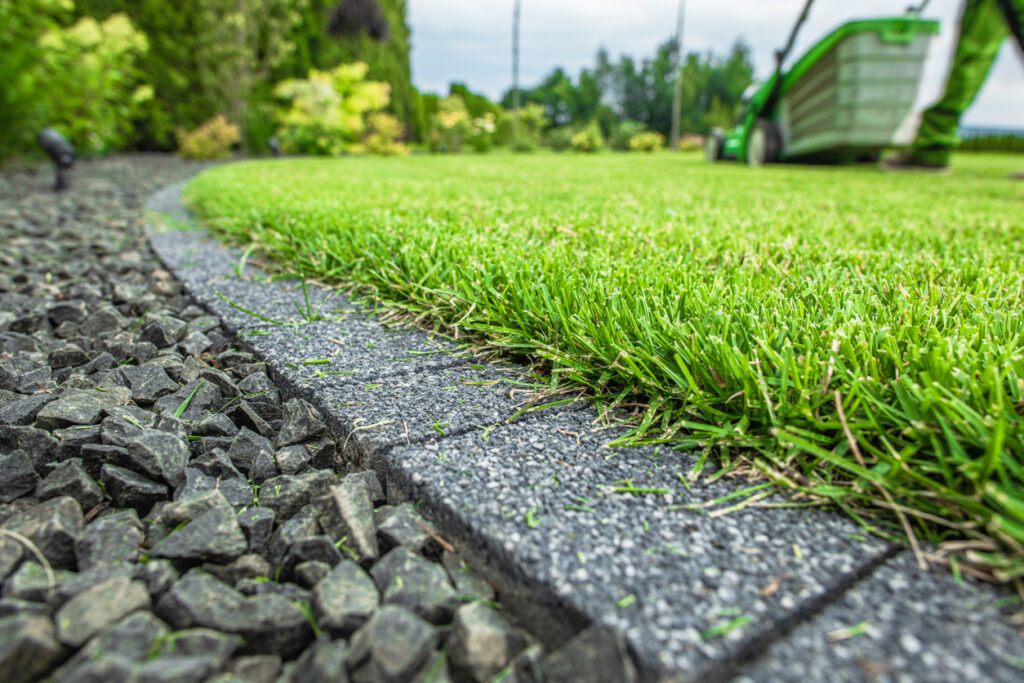
Closely mown lawns are basically green concrete for wildlife. Research shows they support virtually zero biodiversity compared to longer grass or wildflower meadows. When you mow your lawn every week, you’re destroying habitat before insects can complete their life cycles.
Mown lawns are missing the diversity of plants that insects need for food and shelter. The soil underneath gets compacted from constant foot traffic and mowing, which suffocates invertebrates living below the surface. Meadows are a fast declining habitat in the countryside, and your pristine lawn is making that crisis worse. If you left just one section of your lawn unmown, it would rapidly turn into a hotspot for invertebrates, birds, small mammals and fungi.
Removing fallen leaves kills overwintering insects.
When you rake up every single leaf in autumn, you’re destroying vital winter shelters for hundreds of insects and other creatures. Hedgehogs, beetles, spiders and countless invertebrates rely on leaf litter to survive the cold months. The leaves also provide food for decomposers like springtails, which are essential for healthy soil.
By removing them, you’re breaking the natural nutrient cycle that feeds your garden. Those bags of leaves you send to the council or burn are nutrients that should be enriching your soil naturally. The insects that would have lived in that leaf litter are food for birds during winter when other sources are scarce. A garden cleared of all debris is a garden where wildlife will starve.
Pesticides and herbicides poison the entire food chain.
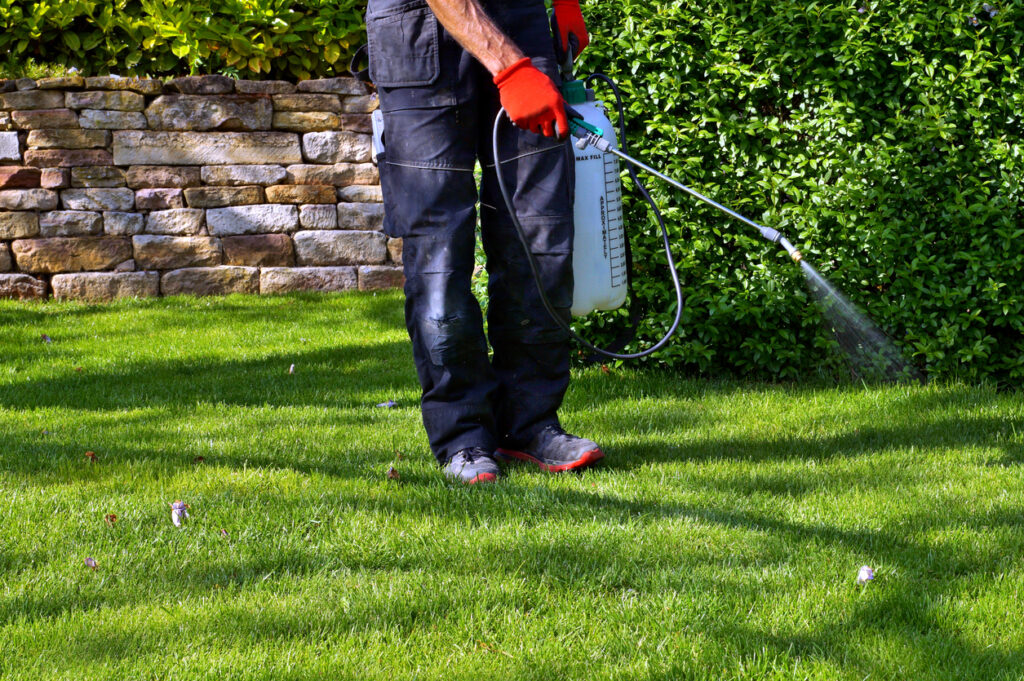
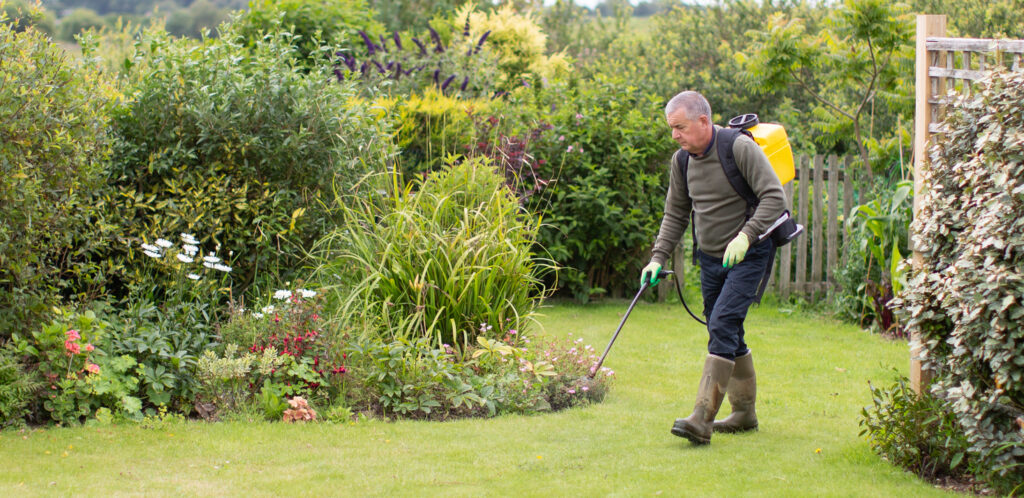
The chemicals you spray to keep your garden tidy don’t just kill weeds and pests. They poison beneficial insects, contaminate soil and wash into waterways where they harm aquatic life. Herbicides kill the wildflowers that pollinators depend on, while insecticides don’t discriminate between pests and beneficial species like ladybirds and bees.
These chemicals persist in the environment and accumulate up the food chain. Birds eating poisoned insects get poisoned themselves. The distribution of pollinators including bees and hoverflies has decreased by 18% on average, while species providing pest control like ladybirds have declined by 34%.
Constant mowing creates massive carbon emissions.
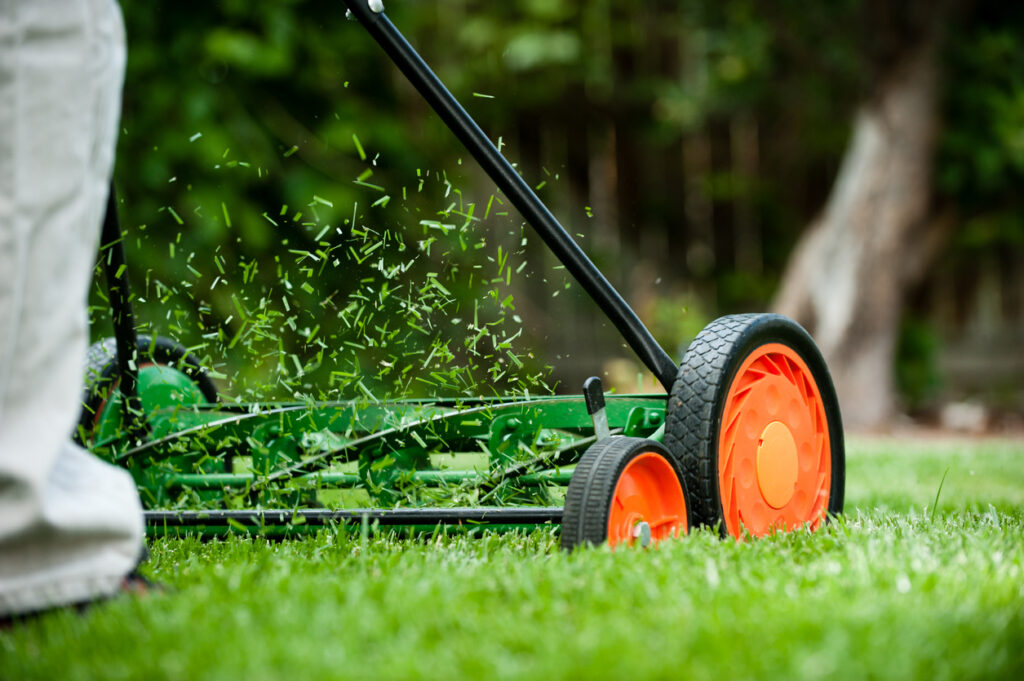
Using a petrol-powered mower for one hour pollutes 10 to 12 times more than driving the average car for the same time. Multiply that across millions of gardens getting mowed weekly throughout summer, and you’ve got a climate disaster. Leaf blowers are even worse because they run at incredibly high speeds and burn fuel inefficiently.
All this equipment requires fossil fuels to manufacture, transport and operate. The noise pollution also disrupts wildlife and drives away birds and other creatures. Meanwhile, unmown areas act as carbon sinks by allowing plants to grow and absorb CO2. Every time you fire up that mower, you’re choosing emissions over carbon storage.
Removing dead wood eliminates crucial habitats.
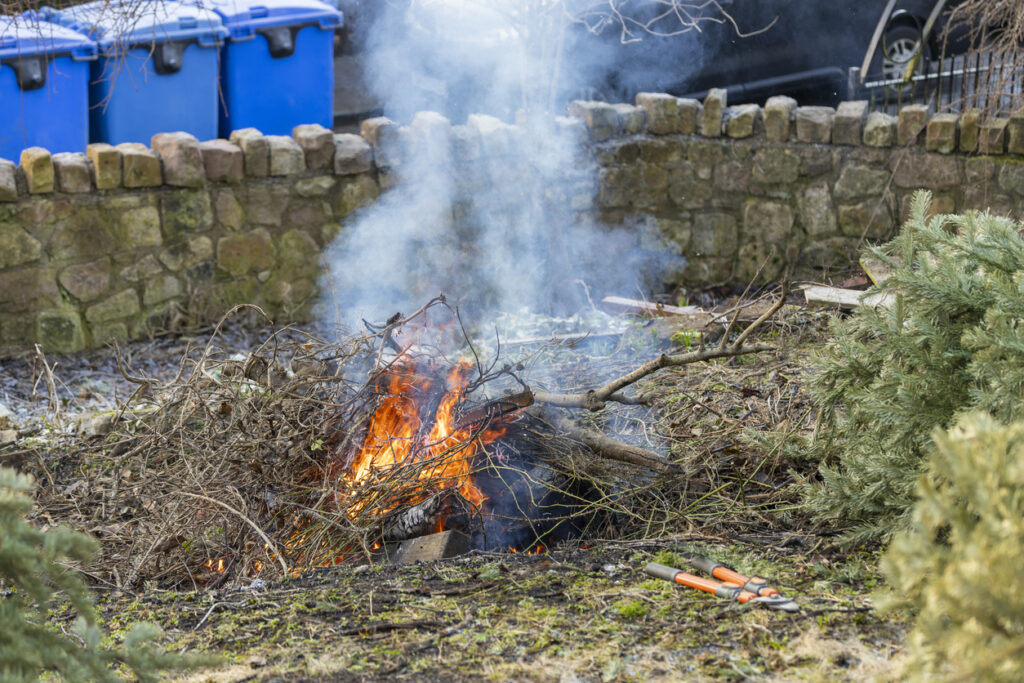
Dead and decaying wood might look untidy, but it’s absolutely essential for biodiversity. Hundreds of insect species depend on deadwood for their entire life cycle. Beetles bore into it, fungi break it down and birds excavate it looking for grubs. Deadwood provides shelter for everything from woodlice to slow worms.
When you clear away every fallen branch and dead stem, you’re removing irreplaceable habitat. The insects that live in deadwood are food for birds, hedgehogs, and bats. Fungi growing on dead wood are part of underground networks that help living plants communicate and share nutrients. A tidy garden with no dead wood is a garden missing huge chunks of its potential ecosystem.
Excessive watering wastes resources during droughts.

Keeping pristine lawns green during summer requires enormous amounts of water. The UK experienced significant water stress in 2024 and climate predictions show droughts will become more frequent and severe. Pouring drinking quality water onto ornamental grass while reservoirs run low is environmentally reckless.
Native plants and longer grass develop deeper root systems that cope with drought naturally. Your manicured lawn stays shallow rooted because constant watering means it never needs to dig deep. Water restrictions during heatwaves specifically target garden watering because it’s wasteful.
Early spring tidying destroys nesting materials and shelter.
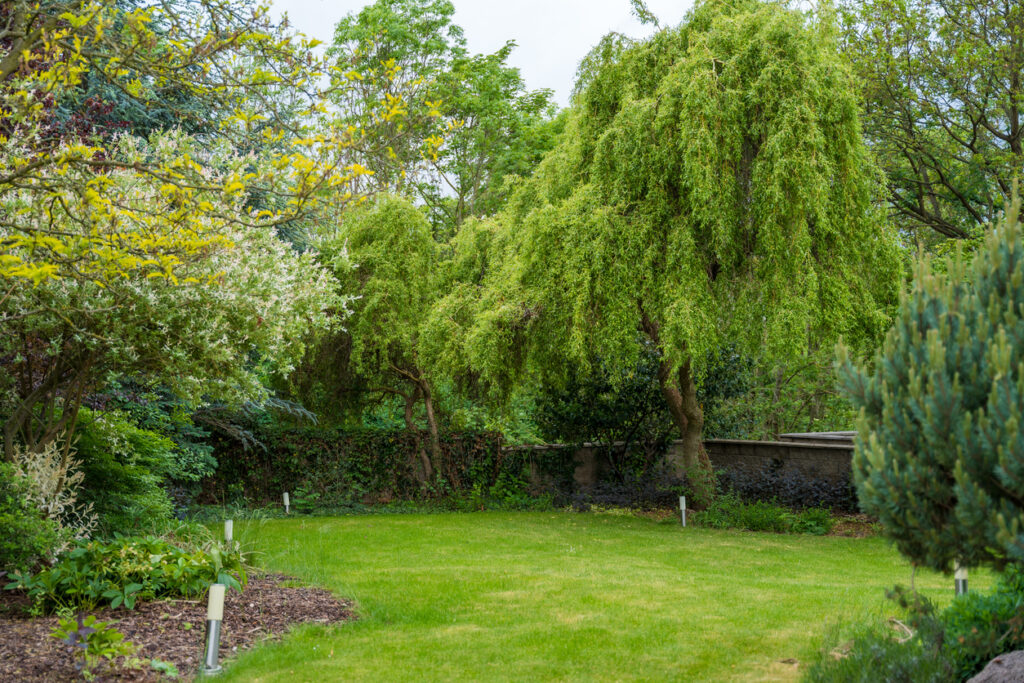
When you do a big spring clean of your garden in March or April, you’re destroying exactly when wildlife needs it most. Birds are looking for nesting materials like dried grass and twigs that you’re throwing away. Insects are emerging from winter hiding spots in dead stems and leaf piles. Bees are searching for early flowers that you’ve cleared as weeds. Disturbing undergrowth during breeding season can cause birds to abandon nests.
The timing of tidying matters enormously, and most people get it catastrophically wrong. Delaying your tidying even by a few weeks would allow wildlife to complete crucial life stages. Instead, gardens get blitzed in early spring, just when animals are most vulnerable.
Chemical fertilisers create nutrient pollution.
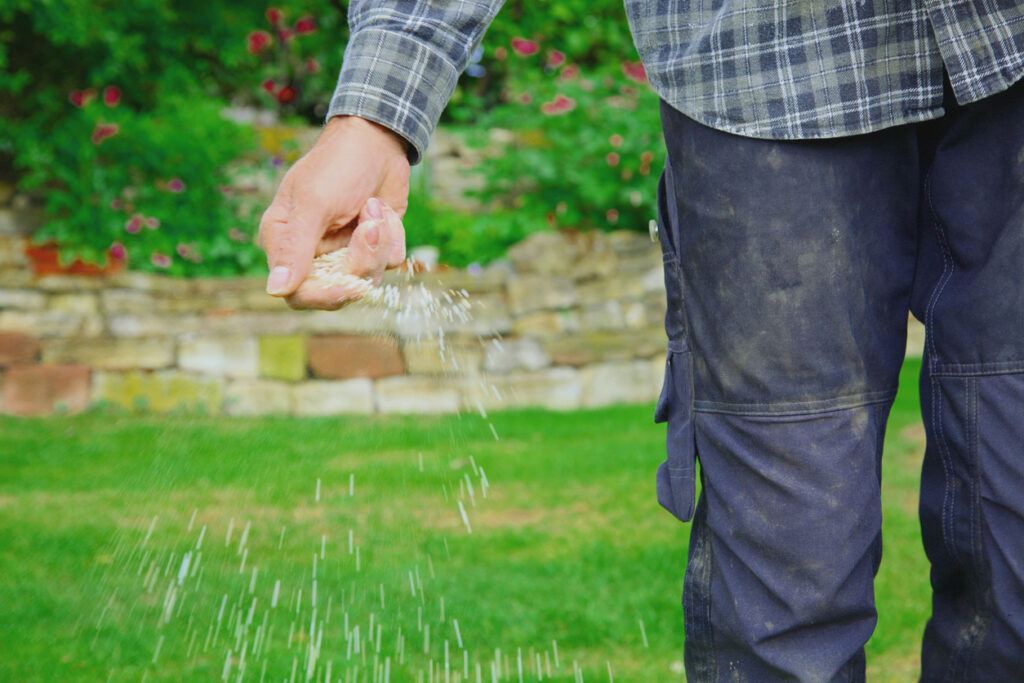
Synthetic fertilisers used to keep lawns looking perfect don’t stay in your garden. Rain washes excess nutrients into streams, rivers and eventually the ocean where they cause algal blooms. These blooms suffocate aquatic life by depleting oxygen in the water. The production of chemical fertilisers also requires massive amounts of energy and contributes significantly to carbon emissions.
Natural composting and allowing leaf litter to break down provides nutrients without pollution. Soil with organic matter holds nutrients better anyway, while chemical fertilisers create dependency because they don’t improve soil structure. You’re paying money to pollute waterways while creating worse soil in your own garden.
Importing ornamental plants spreads diseases and pests.
The obsession with exotic ornamental plants for tidy borders brings serious ecological problems. Imported plants can carry diseases that devastate native species. Many ornamental plants are actually invasive species waiting to escape into the wild. Bradford pear, Japanese honeysuckle and English ivy are common garden plants that have become ecological disasters in natural areas.
Ornamental plants also provide little to no value for native insects because they haven’t evolved together. Butterflies and bees can’t feed from flowers that didn’t exist in their evolutionary history. Meanwhile, native plant populations decline because gardeners prefer exotic alternatives. Every ornamental you plant instead of a native is a missed opportunity to support local ecology.
The energy costs of tidying tools harm the environment.
Hedge trimmers, strimmers, pressure washers, mowers and leaf blowers all require either petrol or electricity to operate. Even electric tools use energy that likely comes from fossil fuels. Manufacturing these tools requires mining rare earth metals, petroleum-based plastics and energy-intensive production processes. They break down and end up in landfills, where they leak toxic materials.
Human-powered tools like hand shears, rakes and push mowers achieve the same results with zero emissions. The marketing of powered garden tools has convinced people they need equipment that’s environmentally destructive and completely unnecessary.