A lot of us try to do our bit for the planet, and it feels good to think we’re helping.
The trouble is that some of the things we’ve been encouraged to do over the years turn out to be far less helpful than we were led to believe. In some cases, they’re actually adding to the problem while giving us the impression we’re being environmentally responsible.
Plenty of well-meaning habits sound green on the surface, but once you look a little closer, they’re not quite the eco-wins we hoped for. It doesn’t mean people are doing anything on purpose, it just means the advice hasn’t always kept up with what we now know. These are some of the “good deeds” that might not be doing the planet any favours after all.
1. Buying bamboo products thinking they’re always sustainable
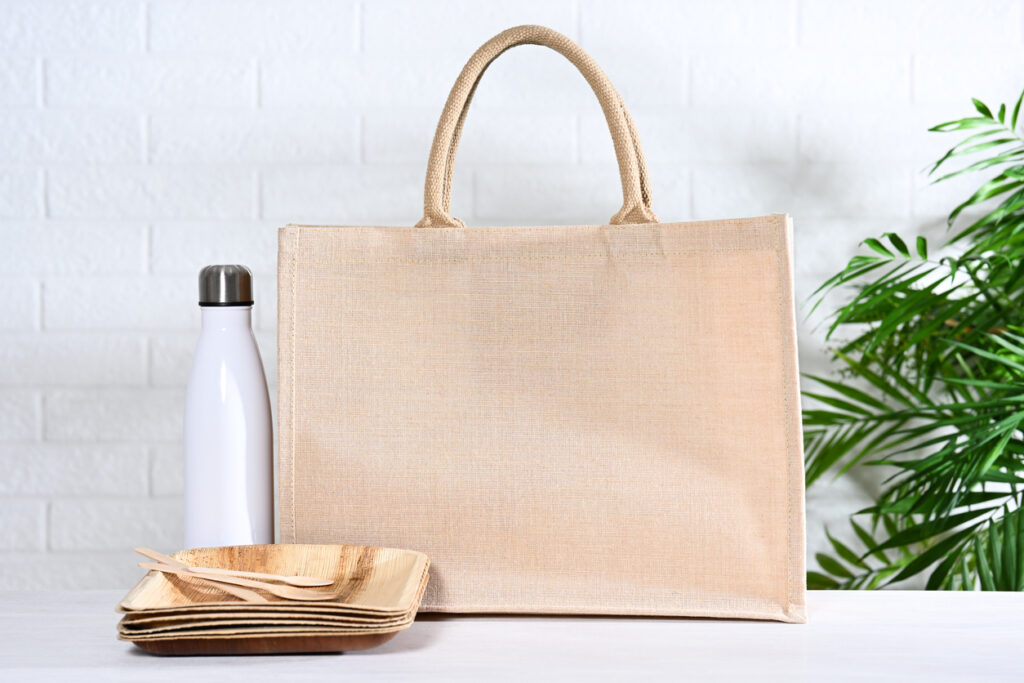
Bamboo is marketed as super eco-friendly because it grows quickly, but the processing required to turn it into fabric or products is often terrible for the environment. The chemicals used to break down bamboo into usable materials are toxic and frequently end up in waterways. Much bamboo is also grown in monocultures that destroy biodiversity, and some companies clear forests to plant bamboo farms.
Check where bamboo products come from and how they’re processed before assuming they’re green. Look for certifications that prove sustainable harvesting and manufacturing practices. Sometimes traditional materials like organic cotton or hemp are actually better choices, despite seeming less trendy.
2. Using paper bags instead of plastic ones

Paper bags seem like the obvious eco choice, but they actually require more energy and water to produce than plastic bags. They’re heavier to transport which increases carbon emissions, and they’re not as durable so you need more of them. Paper bags only become better for the environment if you reuse them many times, but most people bin them after one use.
Invest in proper reusable bags made from sturdy materials that’ll last years, not months. Keep several in your car or by your front door so you always have them when shopping. If you forget them occasionally, choosing plastic over paper is actually less harmful as long as you reuse or recycle it properly.
3. Putting non-recyclable items in the recycling bin
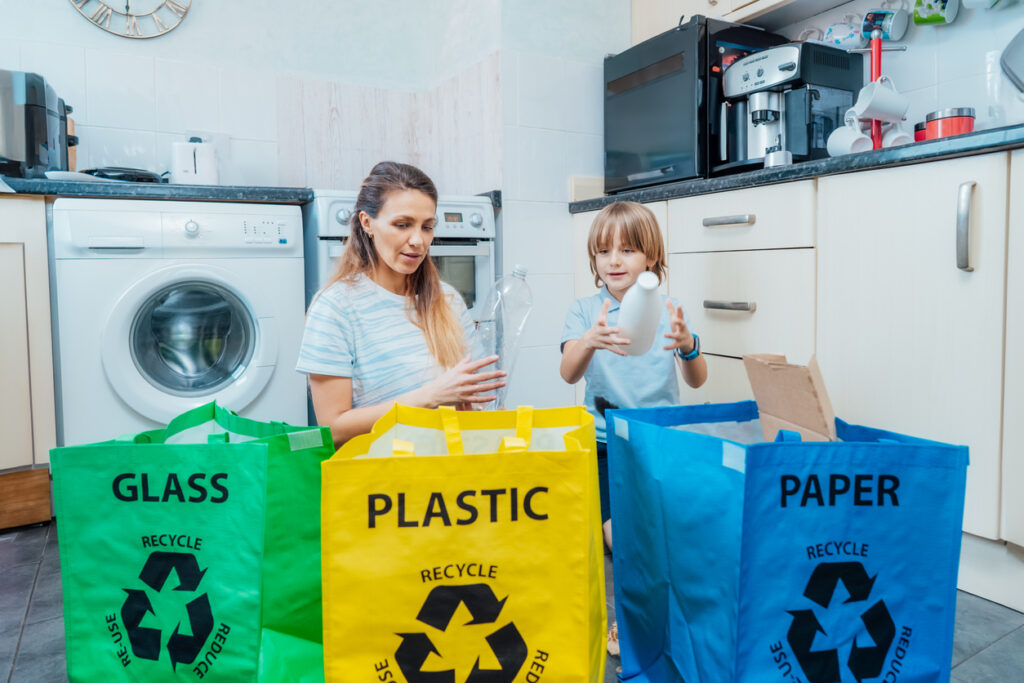
Wishful recycling where you put questionable items in the recycling hoping they’ll be sorted actually contaminates entire batches of recyclables. When recycling is contaminated with the wrong materials, the whole lot often ends up in landfill anyway. Greasy pizza boxes, plastic bags and certain types of plastic can ruin loads of otherwise recyclable material.
Learn what your local council actually accepts for recycling because rules vary massively between areas. When in doubt, bin it rather than contaminating the recycling. Rinse food containers properly and remove non-recyclable parts before putting things in the recycling.
4. Buying electric cars without considering the full impact

Electric vehicles seem like an obvious environmental win, but the battery production is incredibly resource intensive and polluting. Mining lithium and cobalt destroys landscapes and uses massive amounts of water in areas already facing shortages. If your electricity comes from fossil fuels, you’re just moving the pollution from your exhaust to a power station.
Consider whether you actually need a car at all, or if public transport and car sharing could work for you. If you do need a vehicle, keeping your current efficient petrol car running might be greener than buying a new electric. When you do buy electric, research the company’s supply chain and choose green energy suppliers for charging.
5. Using biodegradable plastics for everything
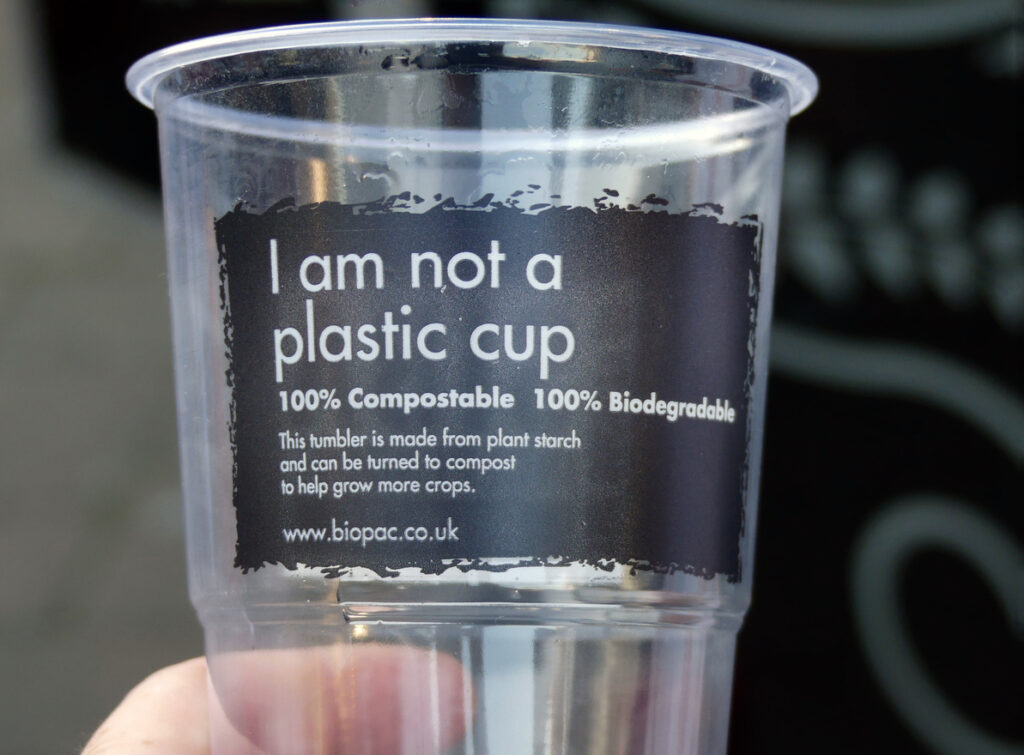
Biodegradable plastics sound perfect, but most need specific industrial composting conditions to break down properly. In normal landfills without oxygen and proper temperature, they don’t decompose any faster than regular plastic. Many biodegradable items end up in the ocean where they break into microplastics just like conventional plastic does.
Avoid single use items altogether, rather than swapping to biodegradable versions of the same wasteful products. Use reusable containers and proper dishes instead of any disposable option. If you must use disposables, check whether your area has industrial composting facilities that can actually process biodegradable materials.
6. Buying locally grown food regardless of what it is

Local food seems obviously greener, but sometimes importing food is actually more efficient than growing it locally in heated greenhouses. British tomatoes grown in heated greenhouses can have a bigger carbon footprint than Spanish ones shipped here. The “eat local” rule doesn’t account for the energy needed to grow things out of season in unsuitable climates.
Focus on eating seasonal food that grows naturally in your climate at that time of year. Accept that some foods should be occasional treats rather than year round staples. Check where your food comes from, but also consider whether it’s in season and grown naturally or in energy-intensive conditions.
7. Switching to almond milk for environmental reasons

Almond milk is seen as an eco-friendly dairy alternative, but almond farming uses absolutely massive amounts of water. Most almonds come from California, where water is already scarce, and almond orchards are making drought conditions worse. The bees used to pollinate almond trees are often treated poorly and many die in the process.
Try oat milk instead because oats require much less water and grow well in British climates. Soya milk is also generally better than almond if you can tolerate it. Research the environmental impact of different plant milks because they’re not all equal despite being grouped together.
8. Buying organic food without questioning the source

Organic farming can be better for the environment, but it’s not automatically superior in all cases. Organic produce often requires more land to grow the same amount of food, which can lead to deforestation and habitat loss. Flying organic avocados from South America has a bigger environmental cost than eating locally grown conventional vegetables.
Prioritise local and seasonal over organic when you can’t afford or find both. Understand that some conventional farming practices are actually quite sustainable. Focus your organic spending on items where it matters most, like meat and dairy or produce you eat with the skin on.
9. Upgrading to the latest eco-friendly tech constantly

Replacing perfectly functional items with newer eco-friendly versions creates waste and uses resources to manufacture the new product. The embedded carbon in producing a new phone or laptop is massive and takes years of energy savings to offset. Marketing makes you think you need the latest green technology but keeping your current stuff working is usually greener.
Repair and maintain what you already own instead of constantly upgrading to slightly better versions. Buy quality items that’ll last years rather than cheap eco branded products that need replacing quickly. Only upgrade when something genuinely breaks beyond repair, and then choose the most durable option available.
10. Using excessive amounts of eco-friendly cleaning products

Eco-friendly cleaners are better than harsh chemicals but using loads of any product is still wasteful and polluting. People often think green products are harmless so they use more than necessary. The production, packaging, and transportation of these products all have environmental costs regardless of what’s in the bottle.
Use the smallest amount of cleaning product that actually gets the job done. Make your own cleaners from basics like vinegar and bicarbonate of soda, which work for most tasks. Buy concentrated products in bulk to reduce packaging waste and refill smaller bottles at home.