Most of us are told gardens need constant pruning and mowing all the time, or everything will fall apart.
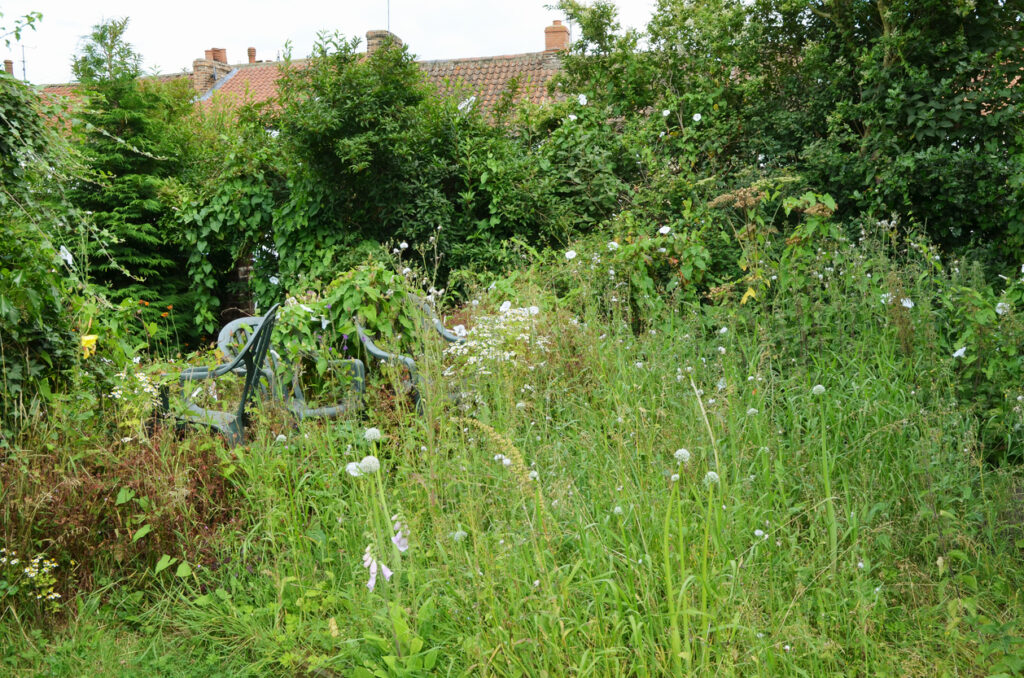
However, if you walked away for a whole year, you’d be surprised by how quickly nature takes over in a good way. Plants start growing the way they actually want to, wildlife turns up without being invited, and the whole space begins working on its own timetable instead of yours.
It might look a bit wild to begin with, but left alone, a garden starts repairing soil, attracting insects that actually help, and creating a small ecosystem you didn’t have to micromanage. A break from constant interference can show you what your garden does naturally, and the results are often far more interesting than anything planned with a pair of shears.
Your lawn would become a meadow.
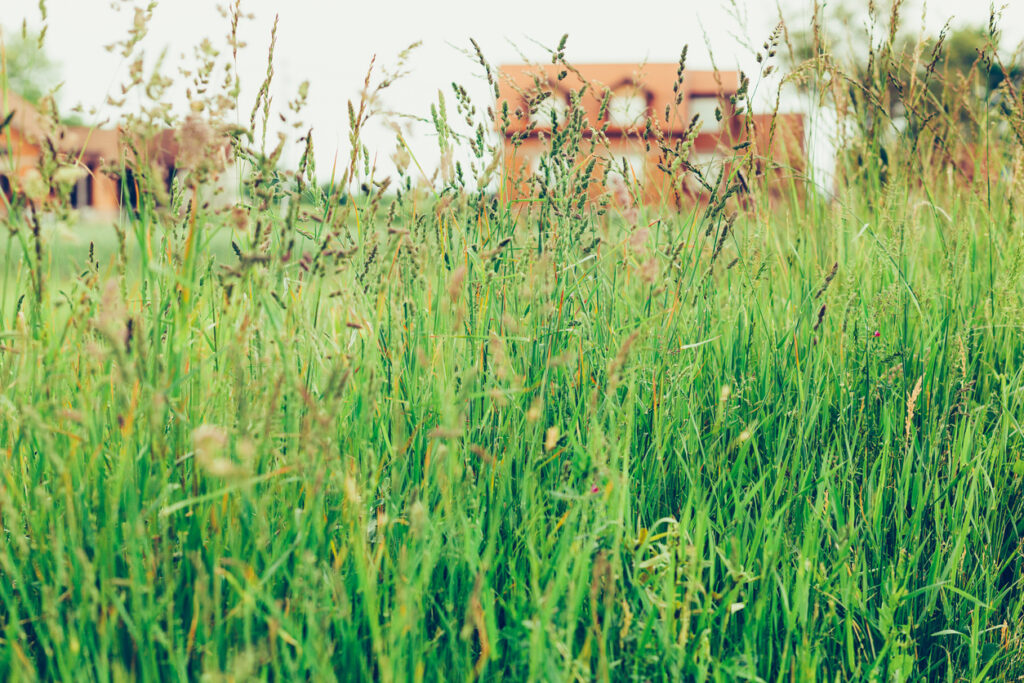
Grass that’s left unmowed grows much taller, and different types of plants start appearing that you never knew were there. Within weeks, you’d have dandelions, clover, and daisies spreading everywhere, creating a wild meadow look. By the end of the year, the grass could be knee-high or higher, depending on the weather and soil conditions.
If you like the idea of less mowing, consider converting part of your lawn to a wildflower meadow intentionally. Mow paths through longer grass so it looks deliberate rather than neglected. You’ll save time and create better habitats for insects and birds while still having usable garden space.
Weeds would completely take over flowerbeds.
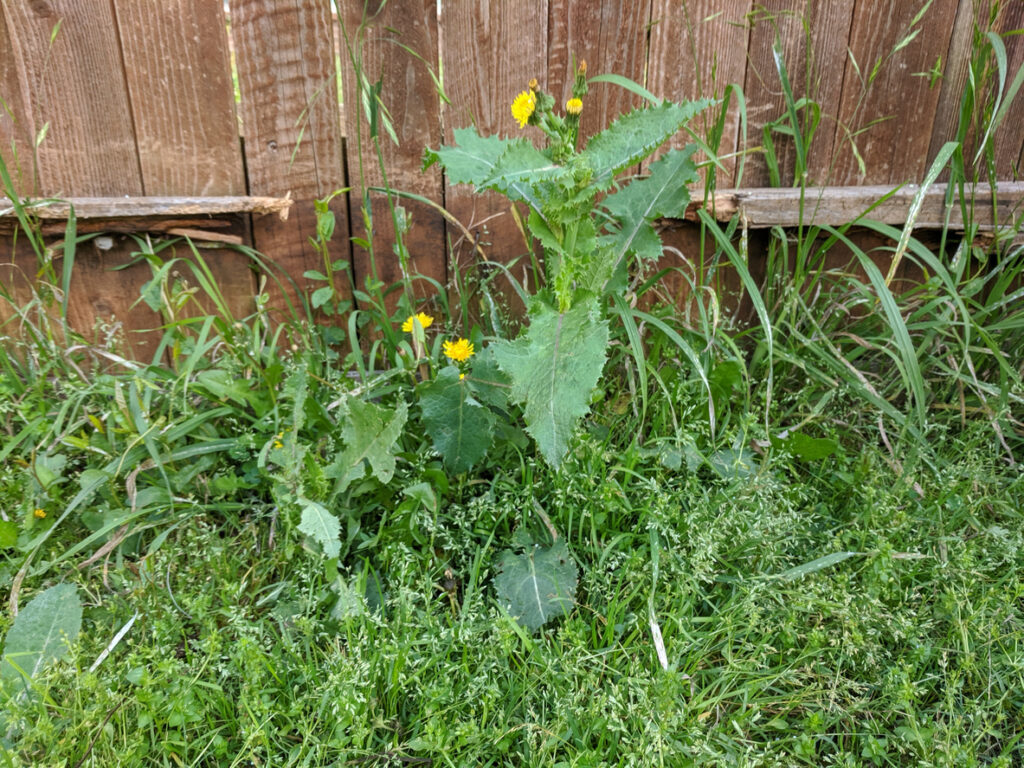
Without regular weeding, unwanted plants would quickly dominate your carefully planned flowerbeds and choke out your ornamental plants. Bindweed, ground elder and nettles are particularly aggressive and would spread rapidly through beds. Your flowers and shrubs would struggle to compete for light, water, and nutrients with these vigorous invaders.
Use thick mulch around plants you want to keep because it suppresses weeds while letting your chosen plants through. Accept that some weeds aren’t actually harmful and many support wildlife. Focus your weeding efforts on the truly problematic species rather than trying to eliminate every unwanted plant.
Trees and shrubs would get wildly overgrown.
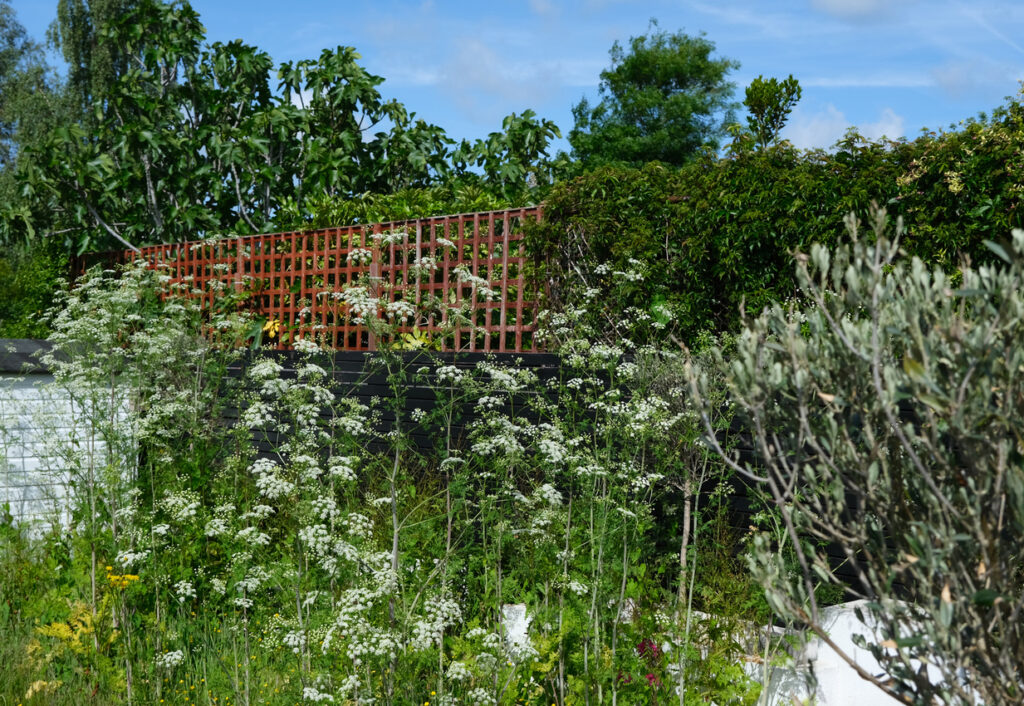
Unpruned trees and shrubs would send out long shoots in all directions, losing their neat shapes completely. Fruit trees would produce loads of small, poor quality fruit instead of fewer larger fruits. Hedges would grow tall and wide, blocking paths and views, while branches would become tangled and messy.
Learn which plants actually need regular pruning and which are fine left alone because not everything requires constant cutting back. Prune once or twice a year when it’s really needed, rather than constantly fiddling with plants. Choose naturally compact varieties for small gardens so you’re not fighting their growth constantly.
Paved areas would sprout plants everywhere.
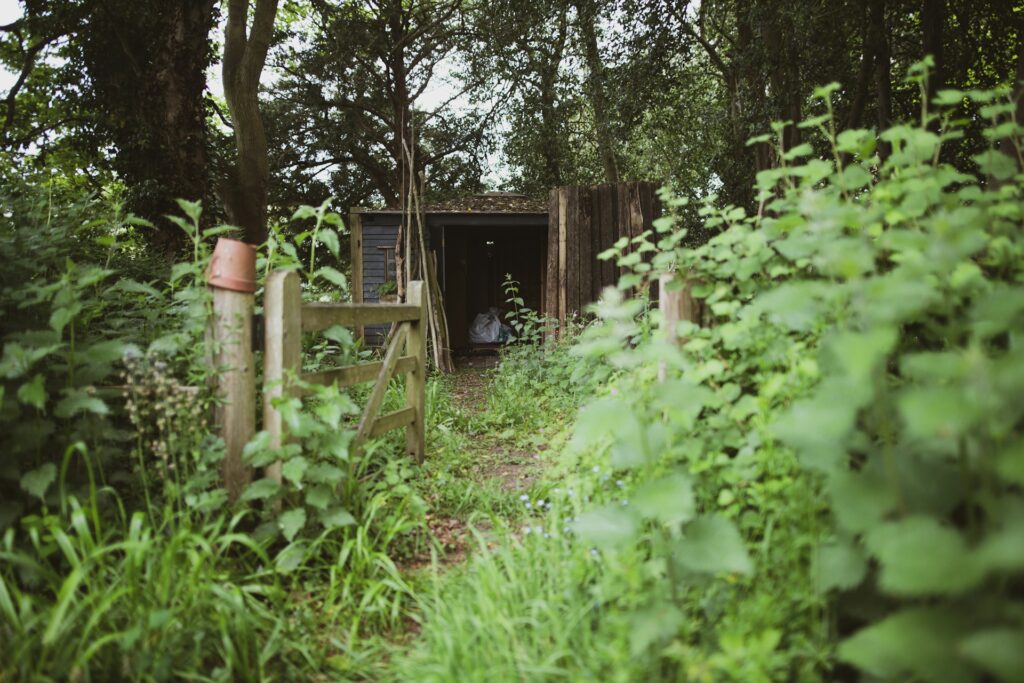
Moss and small plants would colonise every crack and gap in your paving, patios and paths within months. Seeds blow in and find any tiny space where they can establish roots, and before long your hard surfaces look green. The plant roots would gradually widen cracks, making the problem worse and potentially damaging your paving.
Pressure wash paving once or twice a year to keep on top of growth rather than letting it get established. Accept some moss and plants between pavers because it can actually look quite nice and supports tiny insects. Use a stiff brush regularly rather than always reaching for chemical weed killers.
Wildlife would move in quickly.
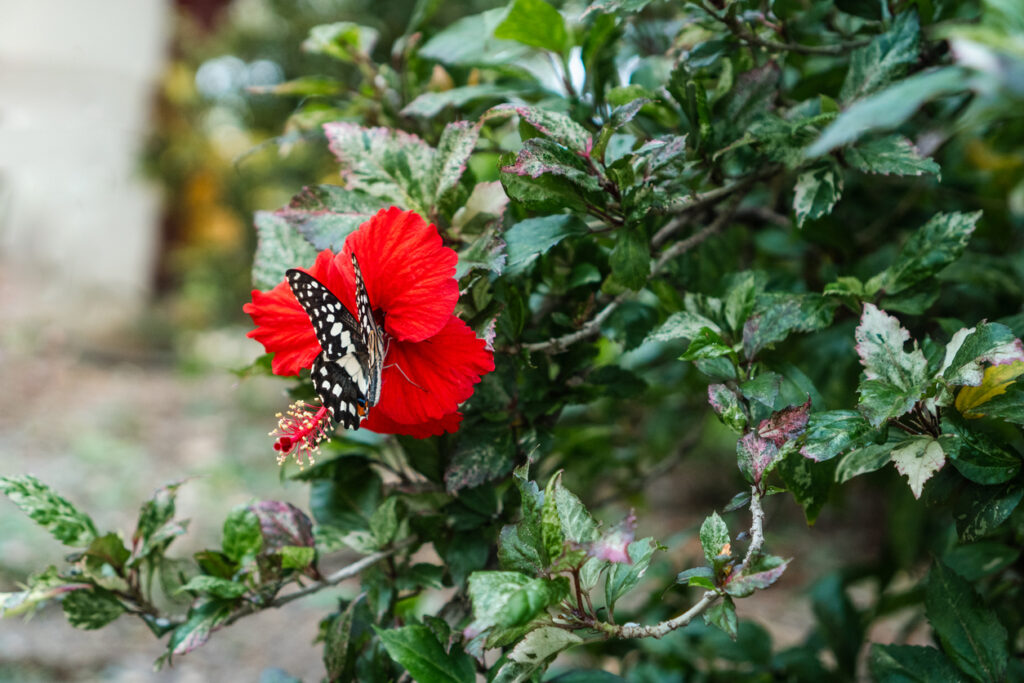
An untended garden becomes a paradise for wildlife as insects, birds and small mammals find food and shelter in the overgrowth. You’d see more butterflies, bees, and beetles as wildflowers appear and provide nectar. Hedgehogs, frogs, and garden birds would thrive in the longer grass and dense vegetation.
Create designated wild areas in your garden deliberately rather than letting the whole thing go. Leave log piles, long grass patches and dense shrubs for wildlife while keeping other areas tidy. You’ll get the wildlife benefits without your garden looking completely abandoned.
Garden furniture would deteriorate badly.
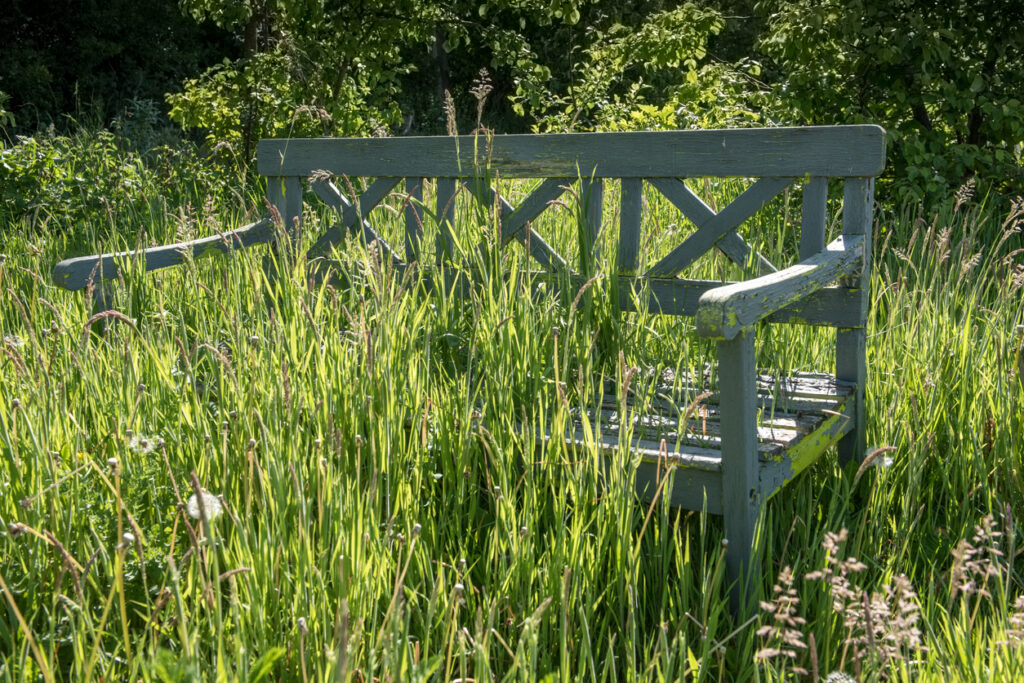
Without cleaning and maintenance, wooden furniture would become stained with algae and might start rotting in damp conditions. Metal items would rust and plastic would become brittle and faded from constant sun and rain exposure. Cushions left outside would go mouldy and fall apart from the weather.
Bring cushions and delicate items inside when you’re not using them because prevention is easier than fixing damage. Cover furniture during winter or wet periods if you can’t store it away. Clean and treat wooden items annually to extend their life significantly.
Your vegetable patch would fail completely.
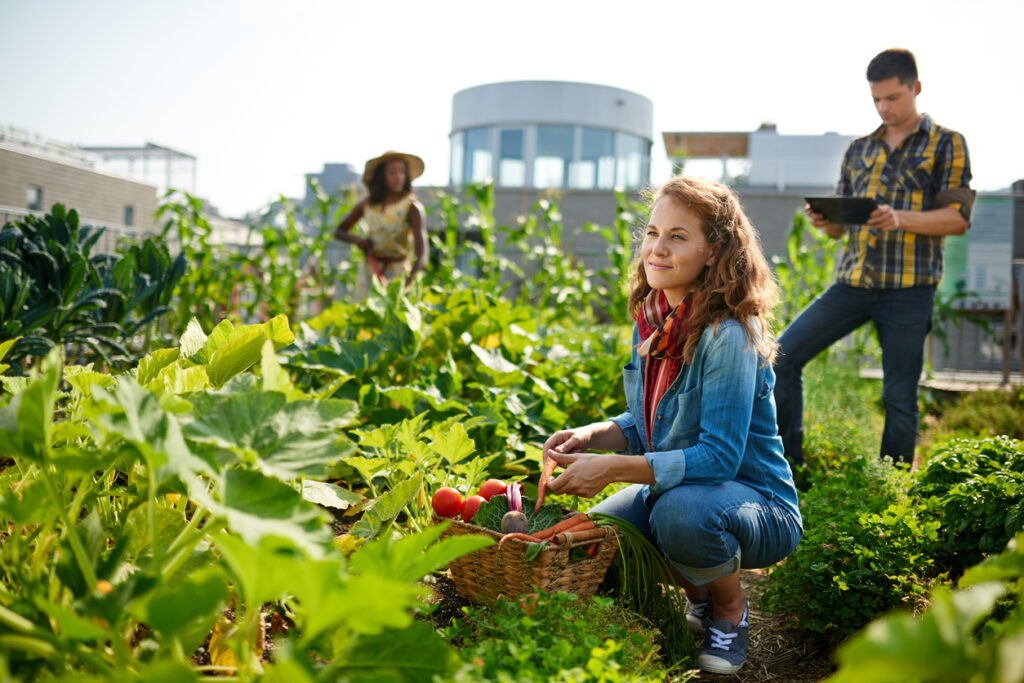
Any vegetables you’d planted would be completely overwhelmed by weeds and likely eaten by pests without your protection. Plants that need regular watering like tomatoes and courgettes would die during dry spells. Whatever did survive would be small, diseased, and covered in aphids or caterpillars.
Vegetable growing requires consistent effort, so don’t plant more than you can realistically maintain throughout the season. Focus on hardy, low maintenance crops like potatoes and squash if you’re time poor. Use mulch and companion planting to reduce how much weeding and pest control you need to do.
Ponds would become choked with algae.
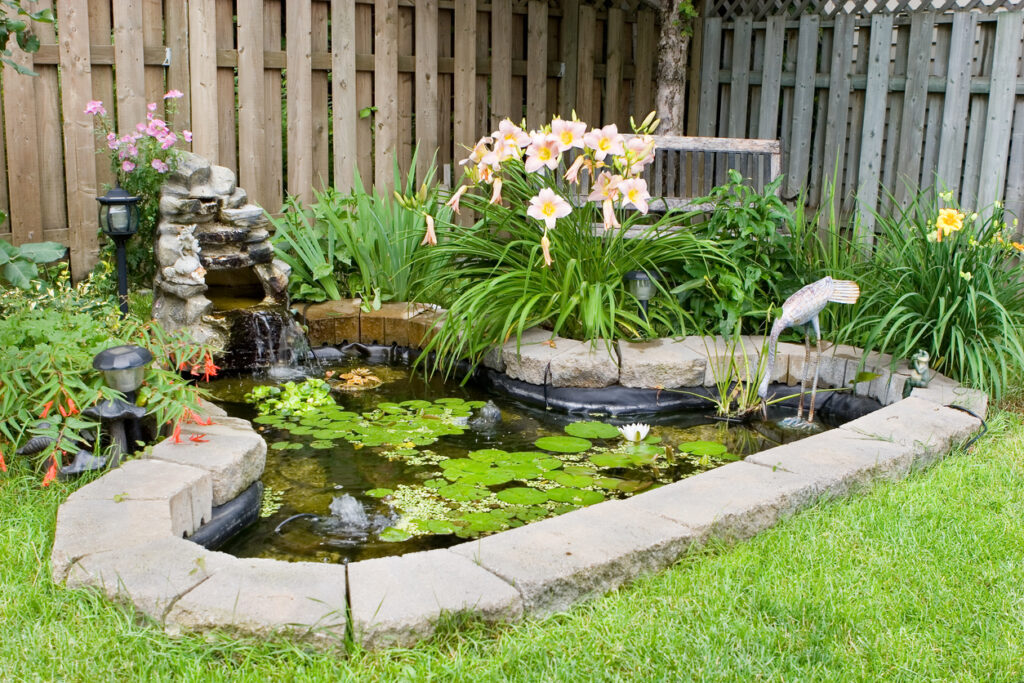
Without regular maintenance, garden ponds quickly fill with algae, turning the water green and smelly. Dead leaves and plant matter would accumulate on the bottom, using up oxygen and harming any fish. Pond plants would spread out of control, with some species completely taking over the water surface.
Install a decent filter and pump system, so your pond maintains itself better between cleanings. Add plenty of oxygenating plants, which help keep water clear naturally. Remove excess plant growth and dead leaves regularly, rather than waiting until it’s a massive job.
Climbing plants would go mental.
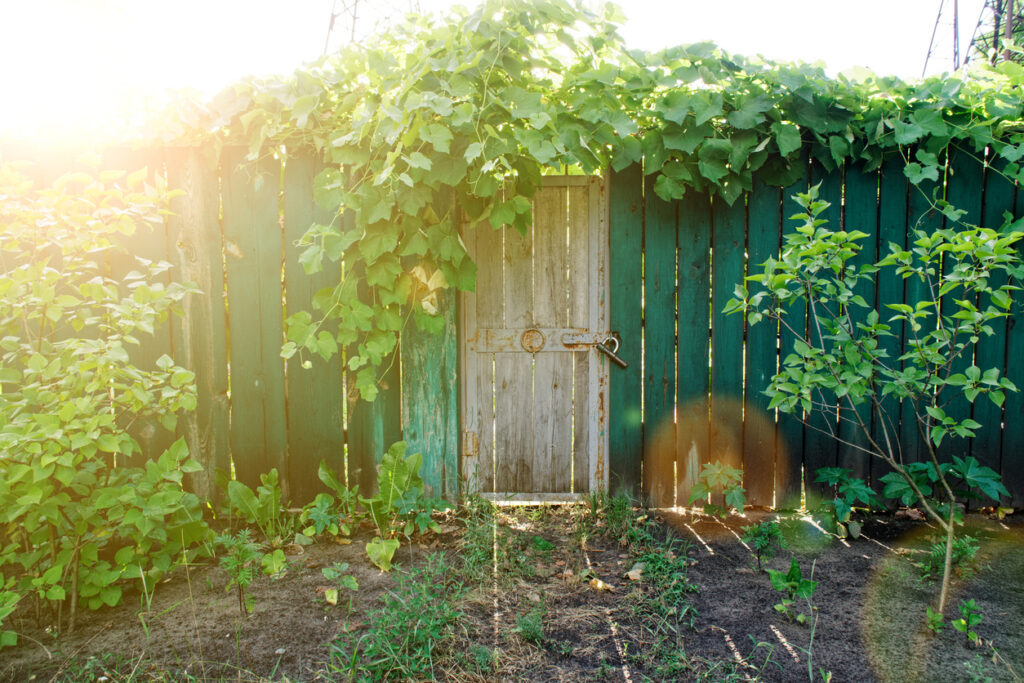
Climbers like ivy, clematis, and wisteria would spread way beyond their intended areas if left unpruned. They’d climb up trees, cover fences completely and even start growing across your house walls. Some vigorous climbers would pull down structures or damage brickwork with their weight and roots.
Choose climbers carefully based on how much space you actually have and how much maintenance you’re willing to do. Prune climbers hard once or twice a year to keep them under control. Don’t plant vigorous species like Russian vine unless you’ve got loads of space and time.
Compost bins would overflow or dry out.
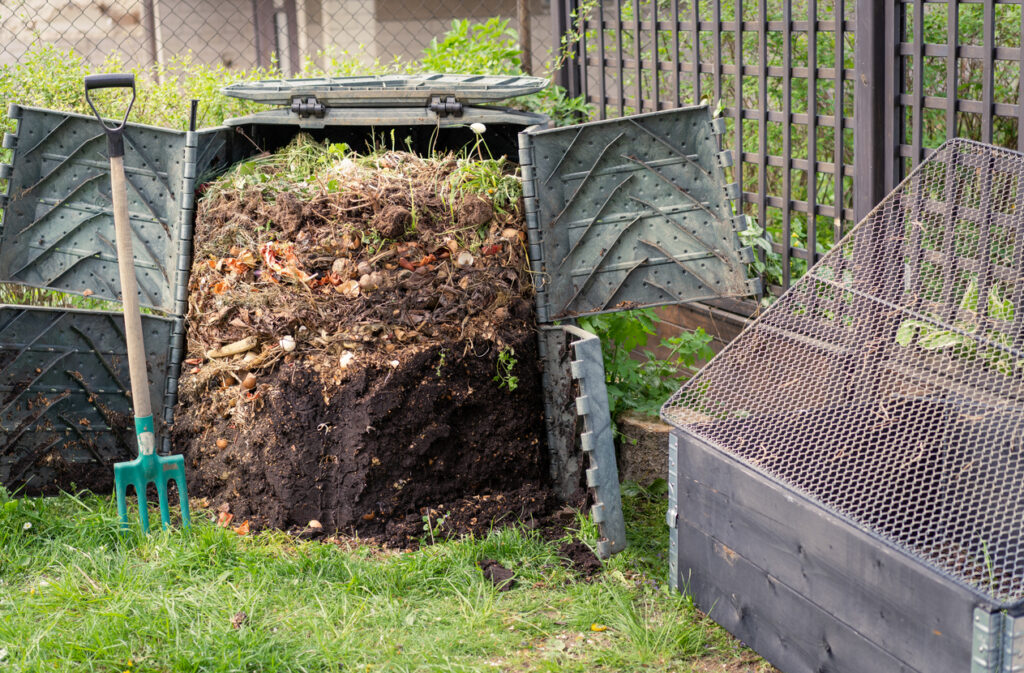
Without regular turning and balancing of materials, compost heaps would either become smelly anaerobic messes or dry out completely and stop breaking down. Rats might move in if there’s too much food waste and not enough brown material. The compost would take much longer to break down properly without management.
Set up a system where adding to and maintaining your compost takes minimal effort throughout the year. Use multiple bins, so one can rest while you fill another. Add materials in layers of green and brown rather than dumping everything in randomly.
Garden structures would need repairs.
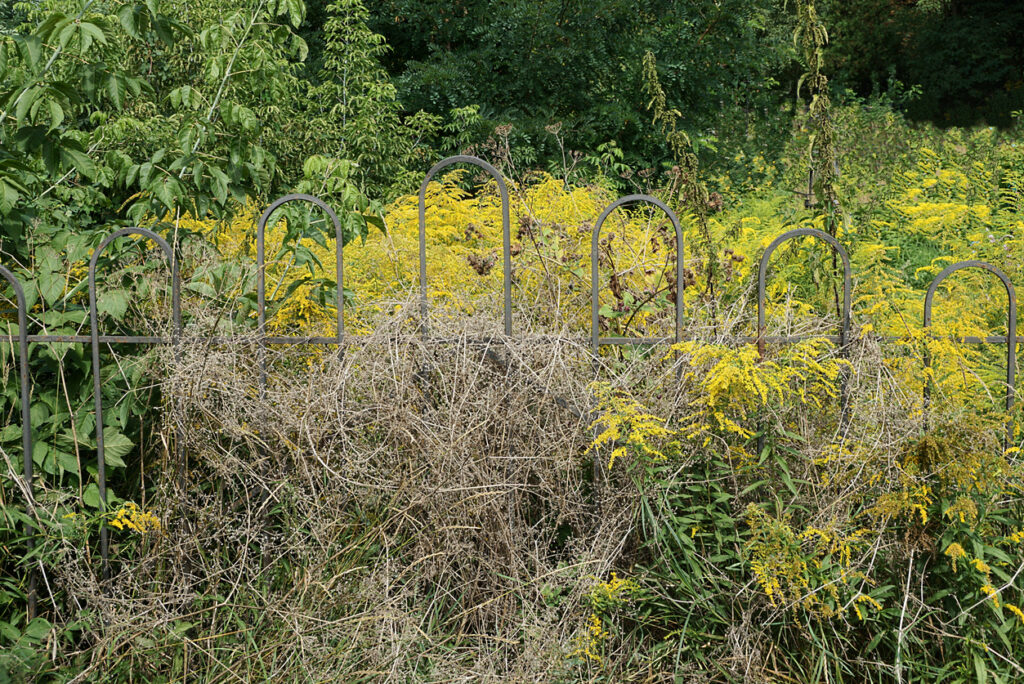
Fences, sheds, and trellises would deteriorate faster without maintenance as wood rots and fixings rust. Plants growing against structures would hold moisture, causing rot and insects would burrow into untreated wood. Small problems would become major repairs if caught too late.
Inspect structures annually and fix small issues before they become expensive problems. Treat wooden items with preservative every few years to extend their life. Choose quality materials initially because cheap stuff needs replacing much more often.
You’d discover your garden’s true nature.

Leaving your garden alone would reveal which plants actually thrive in your soil and conditions without human intervention. You’d see what naturally wants to grow there and which of your planted species are really suited to the space. This experiment would teach you loads about working with nature rather than constantly fighting it.
Observe which areas of your garden are naturally wet, dry, sunny, or shady and plant accordingly. Choose plants that suit your actual conditions, rather than trying to change your garden to suit plants you like. Working with your garden’s natural tendencies makes maintenance much easier long term.