People love the idea of bringing dinosaurs back, but the reality would be a lot less thrilling than “Jurassic Park” suggests.
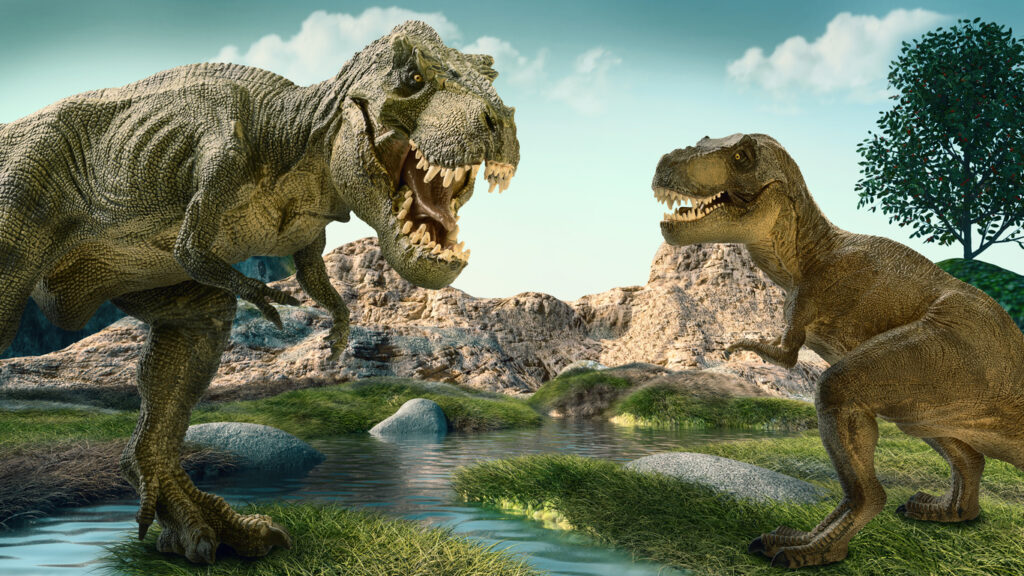
Even if science pulled it off, they’d be dropped into a world they’re not built for. The climate is different, the landscape has changed, and modern ecosystems would treat them like complete outsiders. They wouldn’t just struggle a bit. They’d be hit with problems from the moment they arrived.
Modern Earth is full of things dinosaurs never had to deal with. New diseases, unpredictable weather, invasive pests, human development and a food chain that simply isn’t built for animals that size. They wouldn’t have millions of years to adapt or evolve. They’d be trying to survive in a world that already moved on without them. Here’s why extinction would be almost guaranteed.
The modern climate is completely different from theirs.
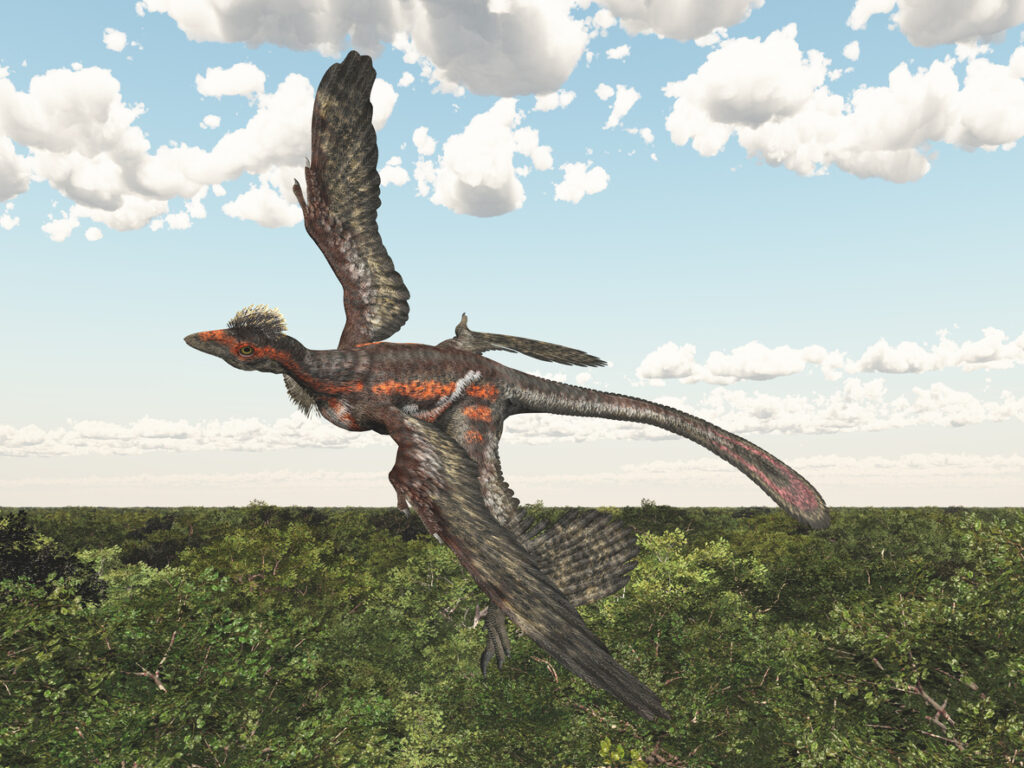
Dinosaurs lived in a warm and stable climate that stayed fairly consistent for millions of years. Today’s climate shifts too fast for large animals to adjust. Extreme heat, sudden storms and unpredictable seasons would make survival difficult for creatures used to steady conditions. Their bodies weren’t built for modern climate patterns. Even if we created controlled habitats, they’d struggle any time they were exposed to natural conditions. Climate stress would weaken them, making extinction probable.
They wouldn’t find the plants or prey they evolved to eat.
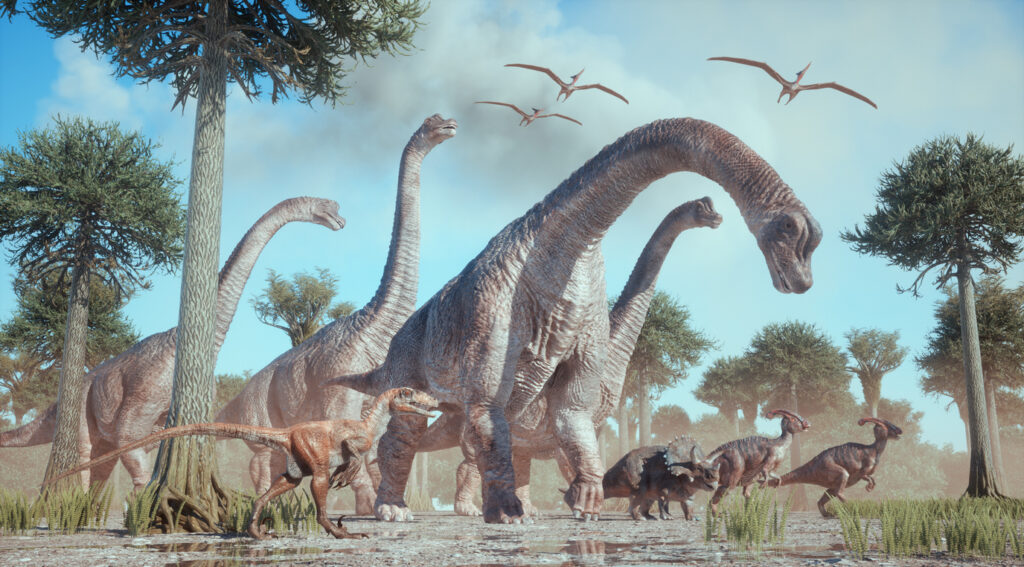
Millions of years of evolution shaped dinosaurs’ diets, but those plants and prey no longer exist. Modern vegetation, insects, and animals are completely different from the ones dinosaurs evolved alongside. Their digestive systems and hunting instincts wouldn’t match today’s ecosystems. Researchers could try to feed them substitutes, but the lack of natural food sources would always be a problem. An animal can’t thrive when its entire diet has vanished.
Modern diseases would overwhelm them.
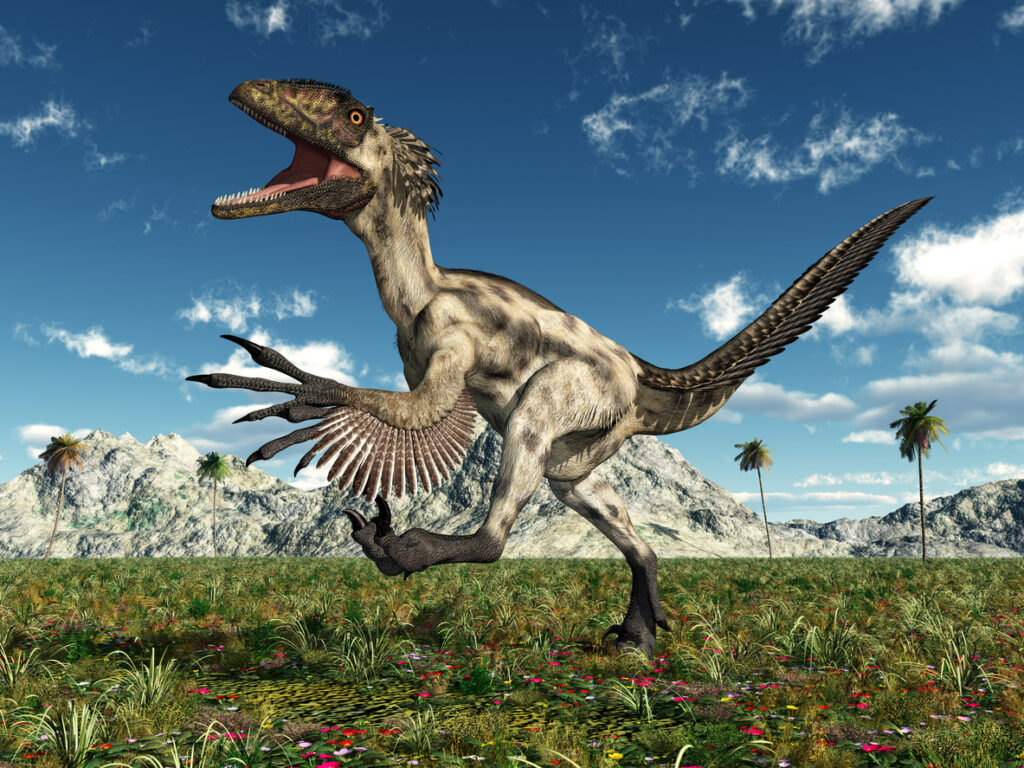
Dinosaurs would have no immunity to the viruses, bacteria, and parasites found today. Even mild infections that modern animals handle easily could be fatal. Their immune systems would be unprepared for everything from insect bites to airborne illnesses. Keeping them alive would require constant medical care, which isn’t sustainable for species meant to live wild. Disease exposure alone could wipe them out quickly.
They need far more space than we can give them.
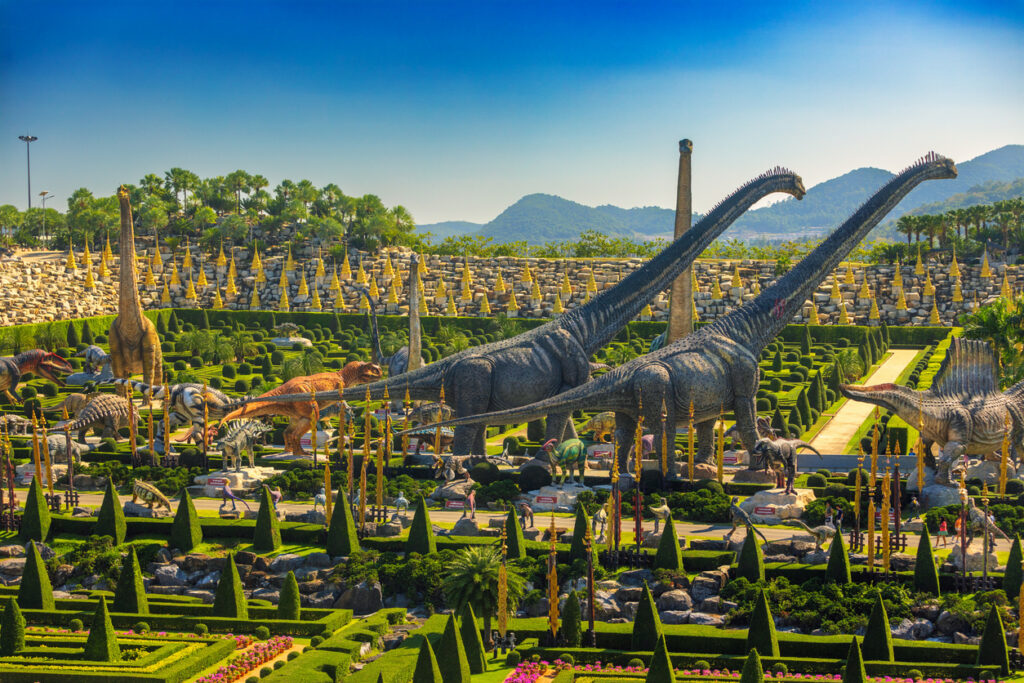
Large dinosaurs roamed vast territories. Modern landscapes are crowded with cities, roads, farms, and industry. There simply isn’t enough open land to support free-moving giants like sauropods or predators like tyrannosaurs. Confined spaces would cause stress, poor health and conflict. Even wildlife reserves are too small for creatures of their size and needs. Limited space would lead to rapid decline.
Human activity would disturb or threaten them.
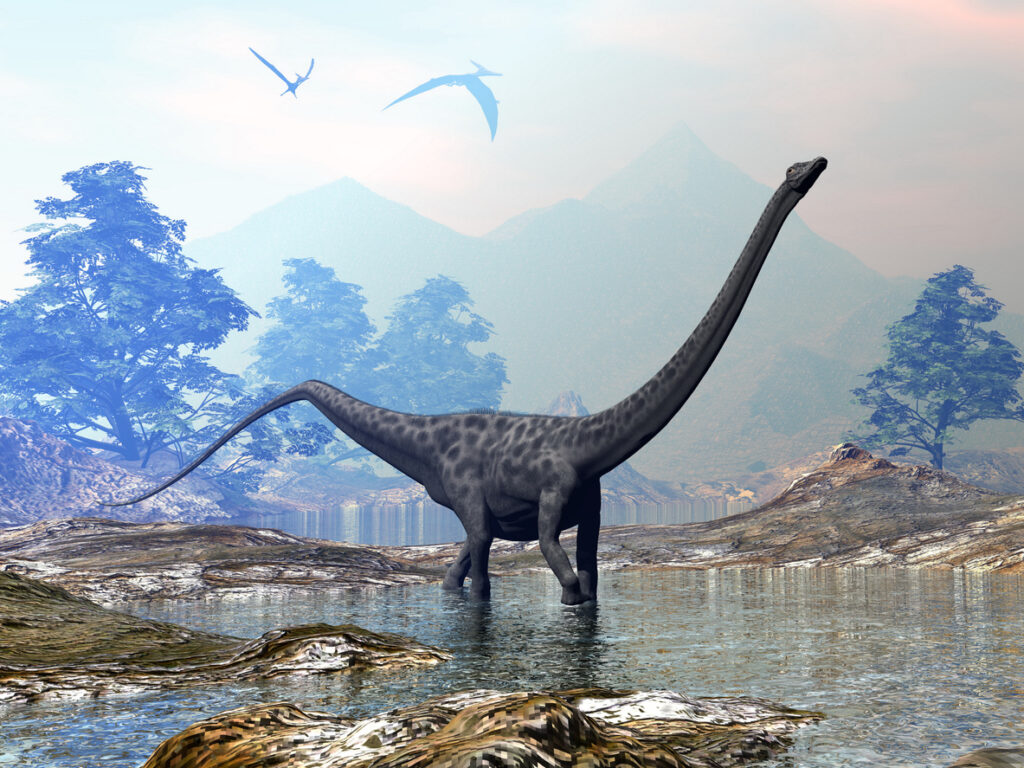
Noise, pollution and constant movement would make life hard for any large animal, especially one not used to humans. Dinosaurs would struggle to understand cars, lights, and machines. These challenges would cause accidents, stress, and injuries. For their own safety and ours, they’d be kept away from human areas, but controlling that on a global scale isn’t realistic. Human activity would always interrupt their natural behaviour.
Their huge bodies aren’t suited to modern oxygen levels.
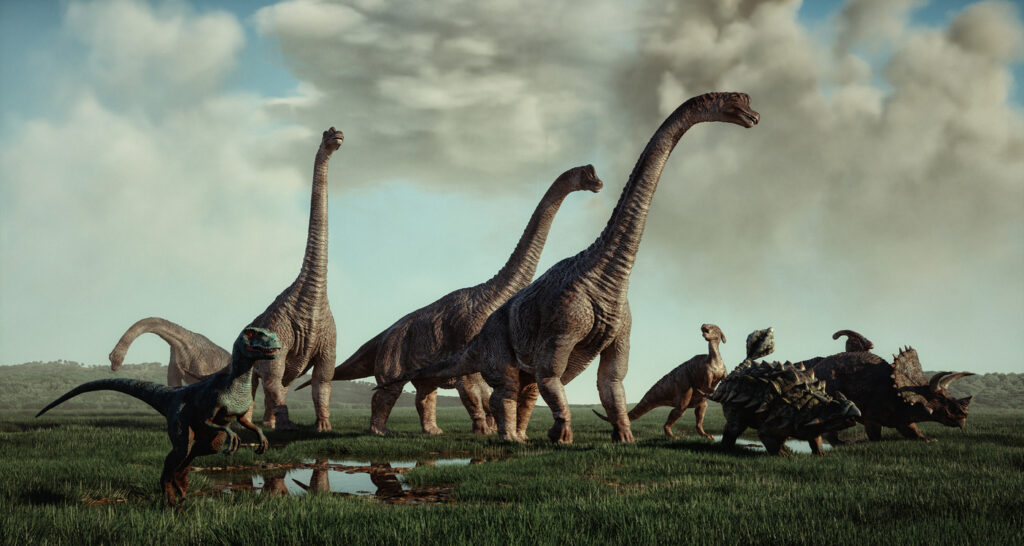
During the age of dinosaurs, oxygen levels in the atmosphere were higher than they are today. Large reptiles could grow massive, partly because their lungs and blood flow worked well in those conditions. Modern oxygen levels are lower, which could make it harder for giant species to breathe, move and stay healthy. Even medium-sized dinosaurs might struggle with stamina and energy. Without the air they evolved in, they wouldn’t thrive.
Their reproduction rate is too slow for today’s threats.
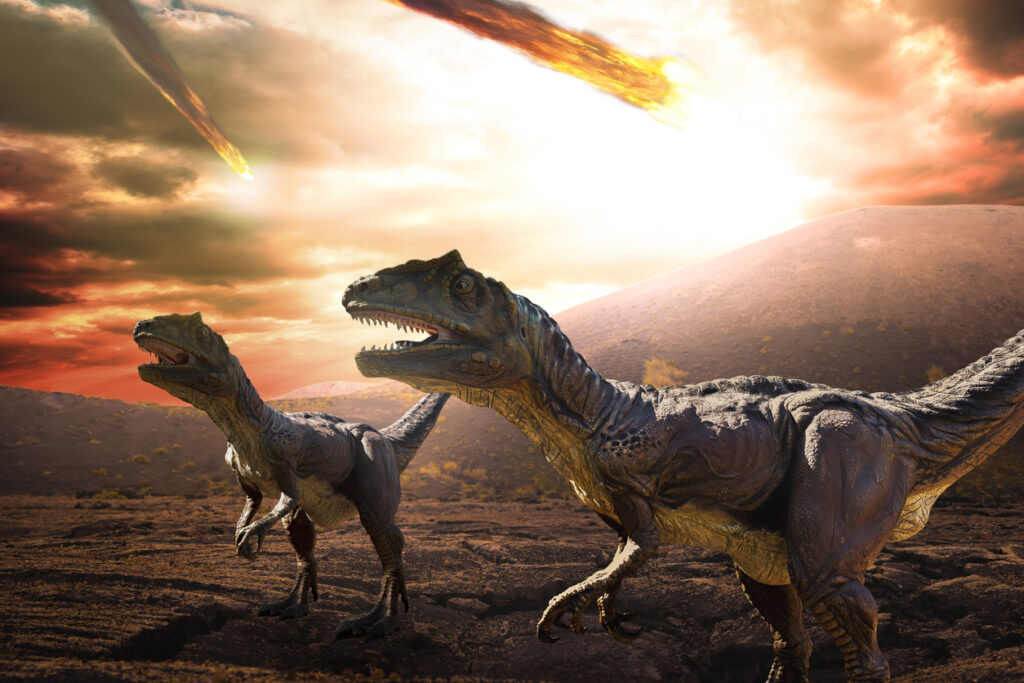
Many dinosaurs likely bred slowly and put a lot of effort into each clutch of eggs. In today’s world, predators, poaching, habitat loss and unexpected events could wipe out small populations before they had time to recover. Species with slow reproduction are always more vulnerable. Without large, stable populations, even small setbacks could push them toward extinction within a few generations.
Natural predators and competitors have changed.
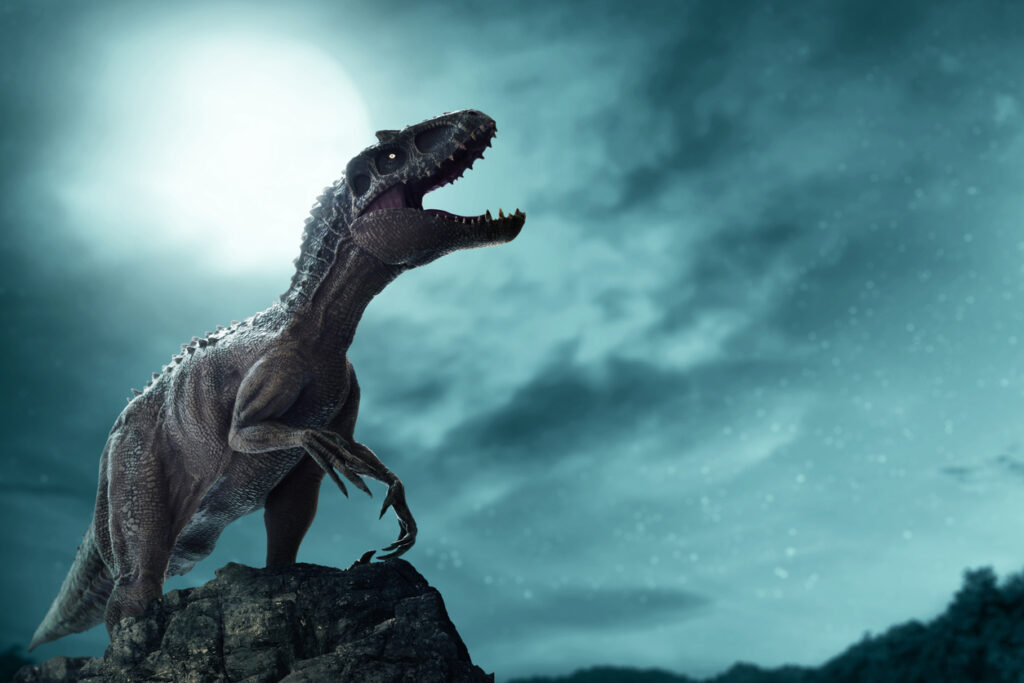
Modern ecosystems are full of species dinosaurs never encountered. They’d face competition from animals adapted to current environments and threats from predators they don’t recognise. Even though dinosaurs were strong, they wouldn’t fit into food chains shaped over millions of years without them. Introducing them would disrupt ecosystems and likely disadvantage the dinosaurs more than the modern animals. They’d always be out of place.
Their bodies would struggle with human built environments.
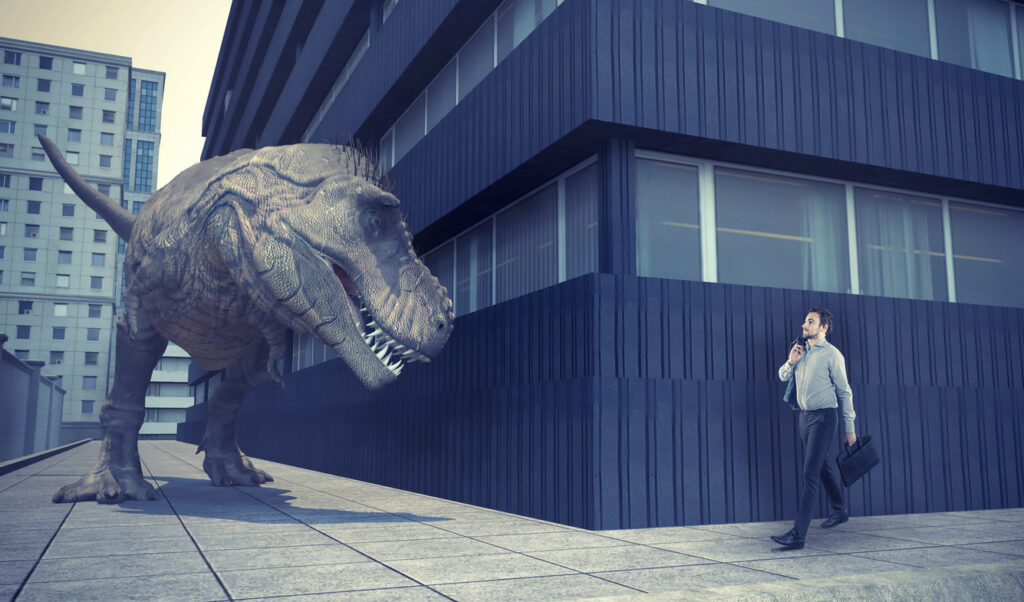
Dinosaurs weren’t designed for fences, walls, roads or artificial barriers. Many would injure themselves simply trying to move through the world we’ve built. Large species could get trapped, damaged or harmed by things as simple as power lines or buildings. Even with managed enclosures, keeping them safe from hazards would be incredibly difficult. Modern environments aren’t suited to creatures of their size and behaviour.
Maintaining genetic diversity would be impossible.

If we brought dinosaurs back using fragments of DNA, we’d only have a small number of individuals. That tiny gene pool would lead to health problems, deformities and weak immune systems. Many modern conservation programmes already struggle with this issue in existing species. A narrow genetic base means a species can’t adapt to change. Without diversity, extinction becomes inevitable as time goes on.
They wouldn’t cope with the fast pace of environmental change.
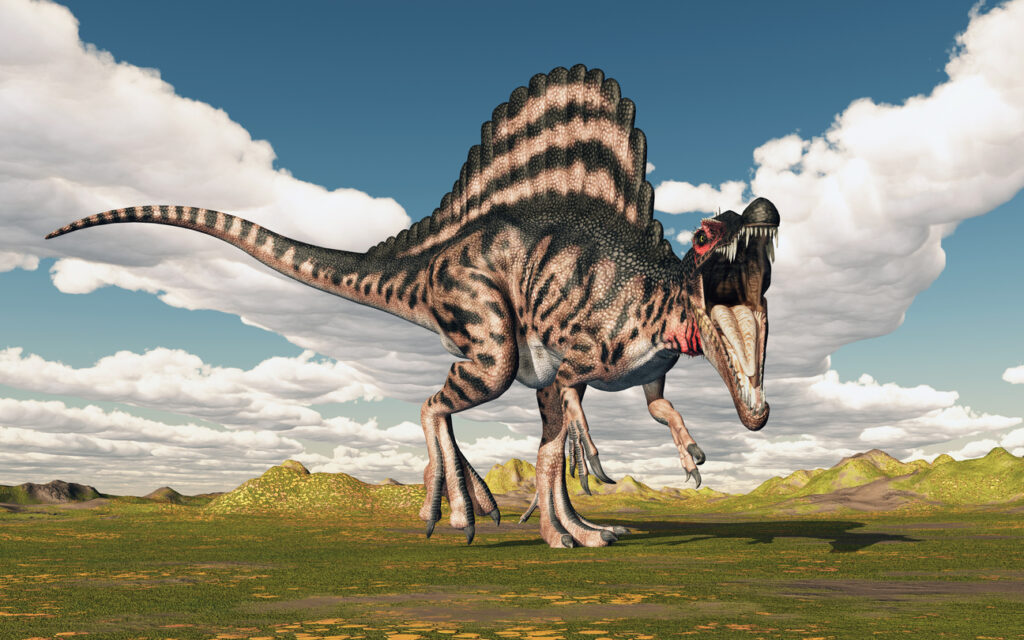
Dinosaurs lived in ecosystems that stayed stable for millions of years. Today’s world changes rapidly, with shifting climates, urban growth and new species moving in. Most modern animals struggle to keep up, and dinosaurs would have an even harder time. They simply weren’t built for a planet that changes so quickly. Keeping up with constant shifts would wear down their populations.
Modern ecosystems wouldn’t stay balanced with them in it.
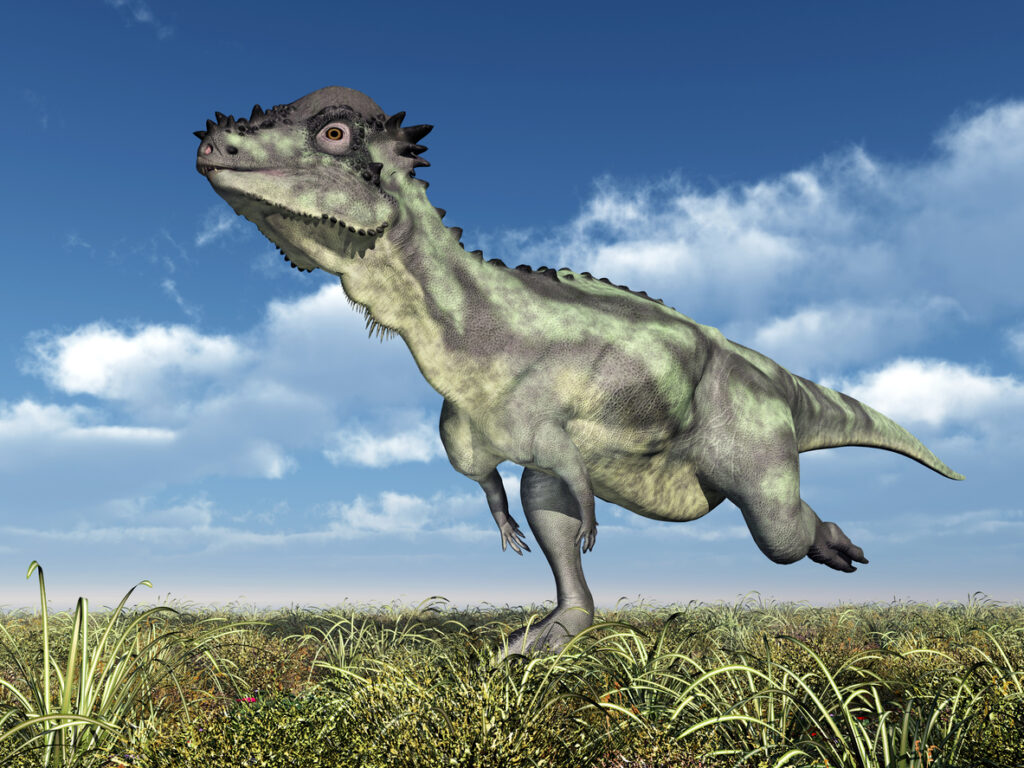
Introducing dinosaurs would disrupt food chains, plant growth and habitat use. They could destroy vegetation, scare off native wildlife, or cause population crashes in other species. To protect existing ecosystems, conservation teams would have to limit their movement and behaviour, which would remove any chance of them living naturally. Because ecosystems can’t adjust fast enough to such enormous animals, the only realistic outcome would be their decline. The environment simply wouldn’t support them long term.
Their bodies might be too energy hungry for today’s resources.
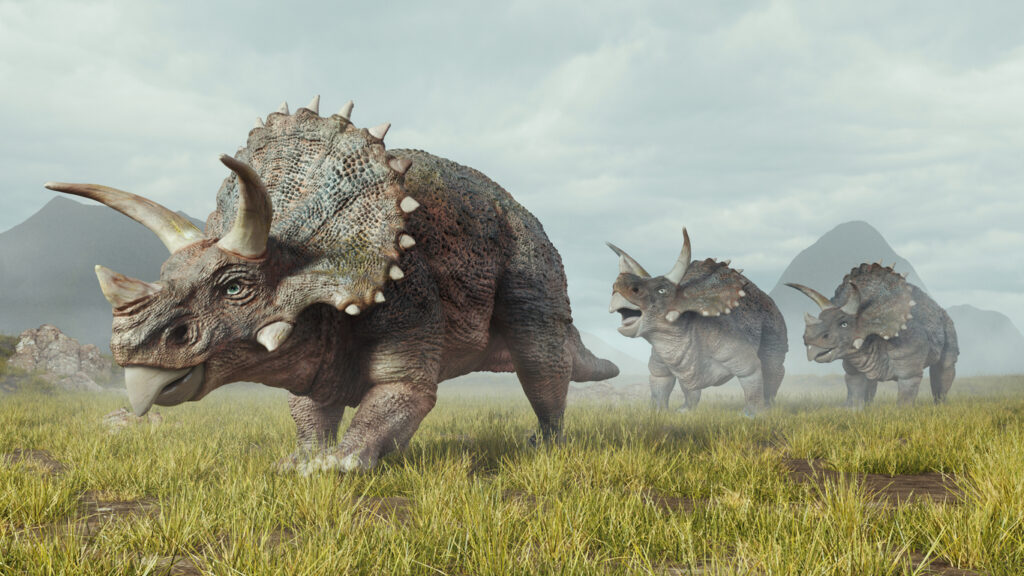
Large dinosaurs needed huge amounts of food each day. Modern landscapes don’t have the endless forests and plains that once supported them. Even herbivores would struggle to find enough vegetation, and predators would need far more prey than today’s ecosystems can offer. Scarce resources would lead to hunger, poor health and eventually extinction. Food supply alone would be a major barrier to survival.
Human safety concerns would limit their freedom.
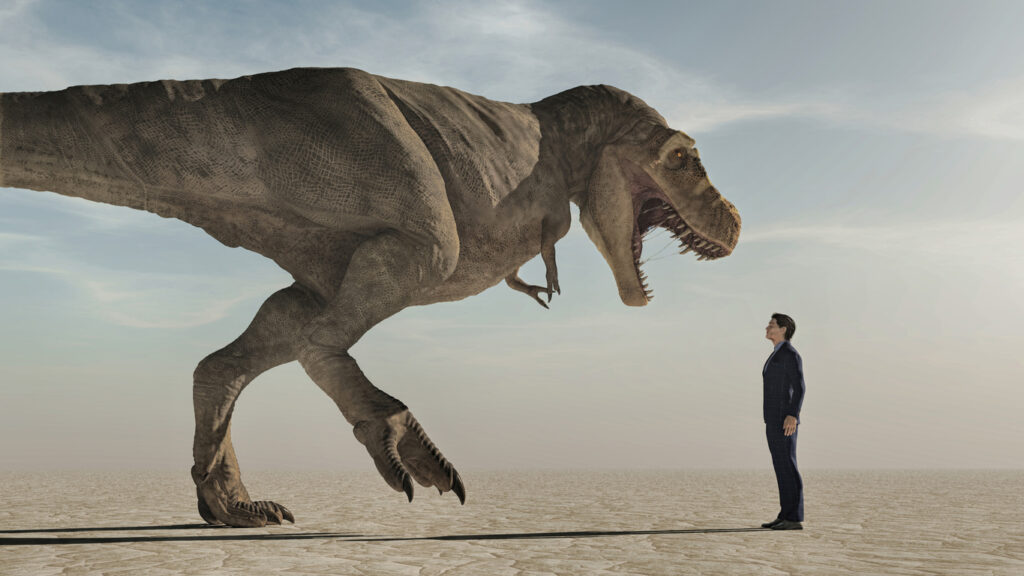
Even peaceful dinosaurs would pose risks simply because of their size. Governments would restrict where they could live and how they could move. These limits would prevent them from forming healthy populations or living in natural groups. They’d be managed more like zoo animals than wild creatures. Without space, freedom and natural behaviour, they wouldn’t thrive. Their decline would be a matter of time rather than chance.