You’d be surprised what’s hiding in your garden while you’re inside complaining about the cold.
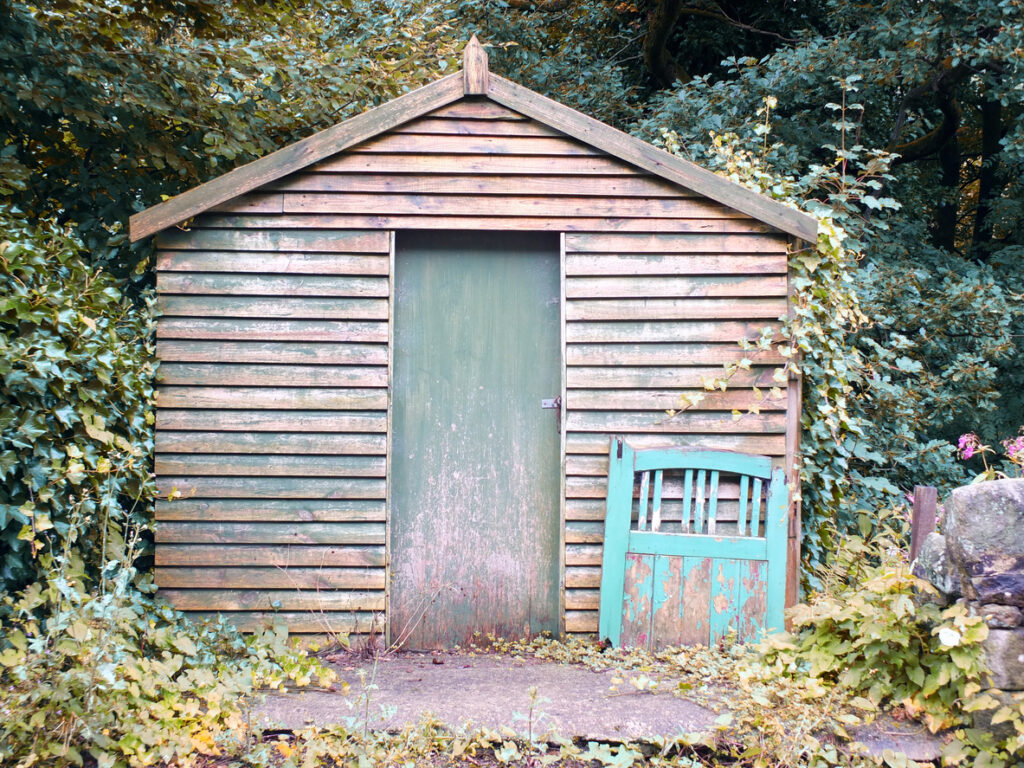
When winter hits, plenty of creatures start looking for shelter that’s dry, dark and already built for them, and garden sheds are basically the Ritz compared with what’s available outdoors. Most of the time, you won’t even notice they’re there.
From tiny guests tucked under old plant pots to quiet snoozers behind boxes you haven’t opened since 2014, your shed can turn into a little wildlife hotel without you lifting a finger. Some of these winter visitors are genuinely helpful, others are just trying to survive the colder months, but once you know who’s sneaking in, you’ll probably look at your shed a bit differently.
1. Hedgehogs looking for hibernation spots
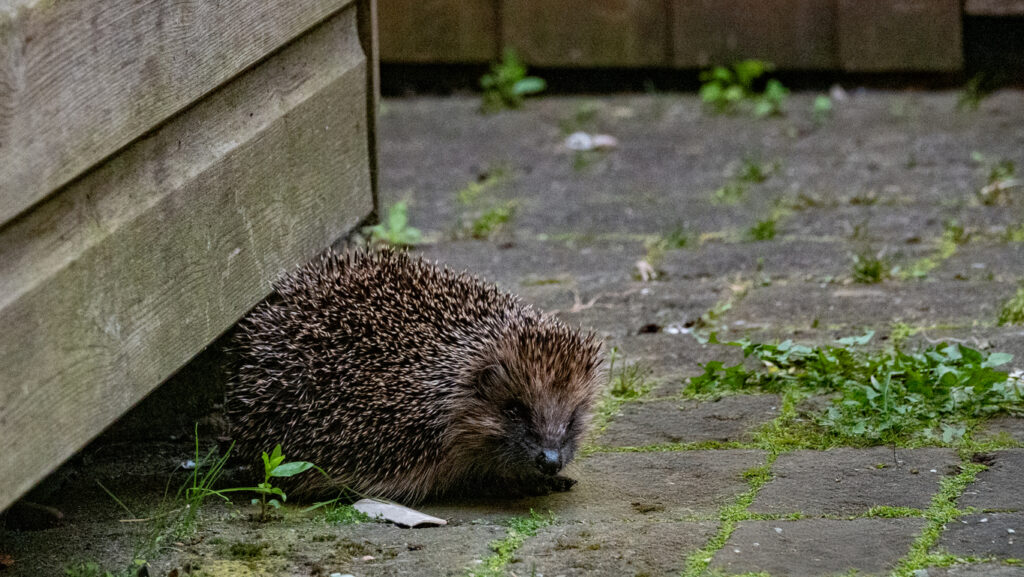
Hedgehogs need somewhere dry and undisturbed to hibernate through winter, and sheds provide exactly that. They’ll nestle into piles of old newspapers, cardboard boxes or under stored furniture where it’s dark and quiet. A hibernating hedgehog looks dead because they barely breathe, and their body temperature drops massively, but they’re just in deep sleep.
Leave a small gap at the bottom of your shed door, so hedgehogs can get in and out safely. Don’t disturb piles of stuff in your shed during winter months because you might wake a hibernating hedgehog, which uses up vital energy reserves. Put out shallow dishes of water nearby because they sometimes wake up thirsty during mild spells.
2. Mice building cosy nests everywhere
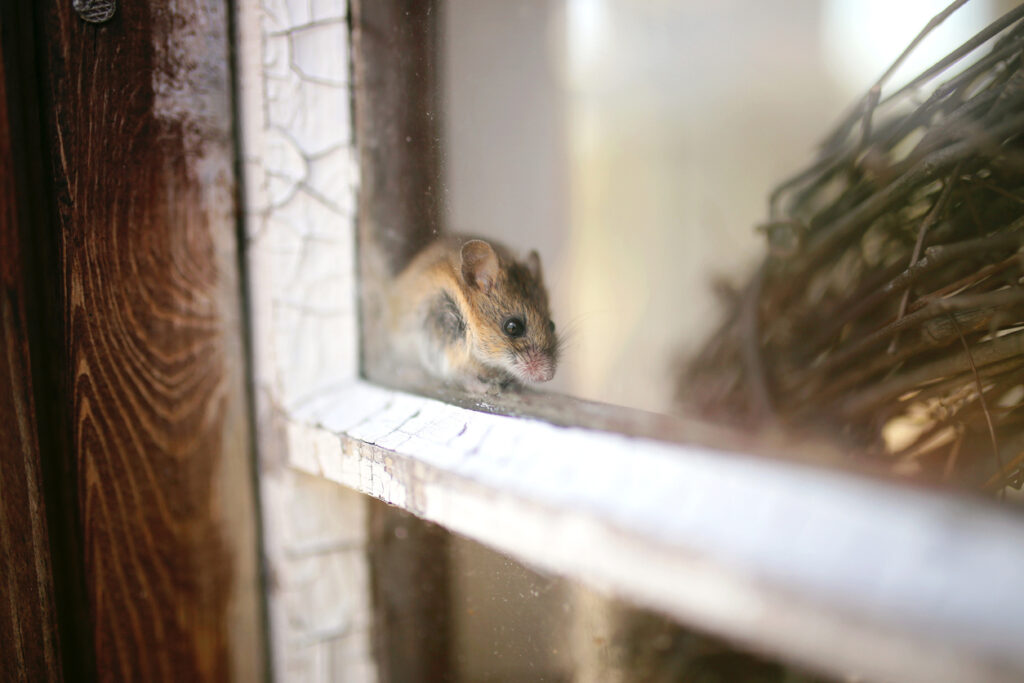
Mice absolutely love sheds because there’s usually loads of nesting material like fabric, paper, and insulation they can shred. They’re looking for warmth and safety from predators, while having easy access to any seeds or food you’ve stored. One pair of mice can quickly become a whole family because they breed fast when conditions are good.
Store birdseed and other food in metal containers with tight lids because mice can chew through almost anything else. Check for droppings and chewed materials regularly so you catch infestations early. Seal gaps around pipes and under doors with wire wool because mice can squeeze through incredibly small spaces.
3. Spiders setting up winter camps
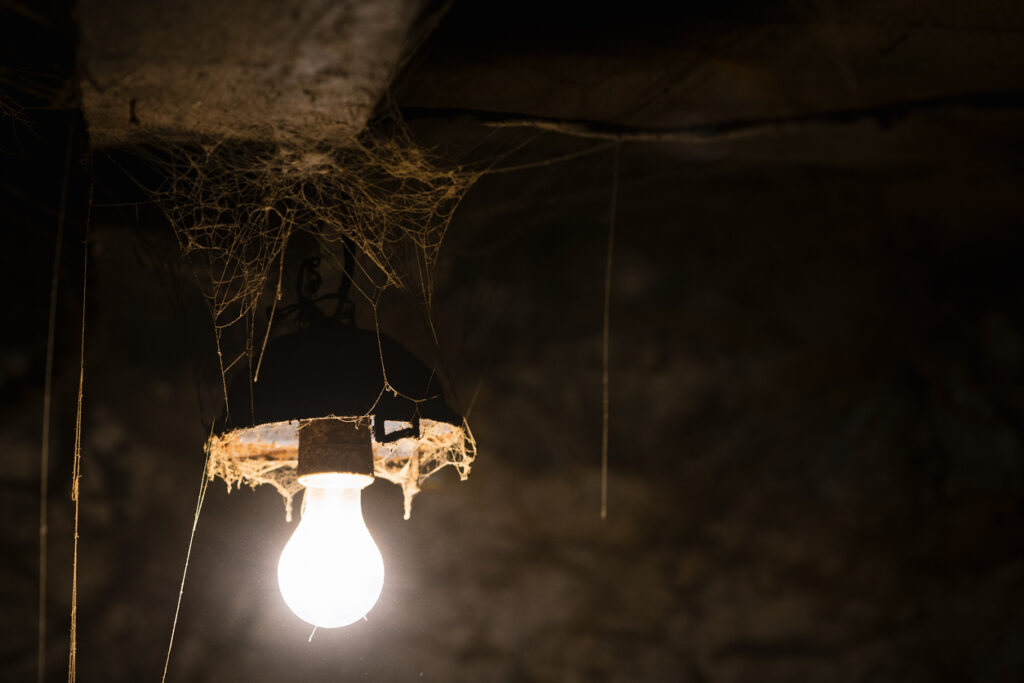
Garden sheds are spider paradise during winter, with undisturbed corners perfect for web building. They’re not there to bother you, but to catch any insects that wander in looking for warmth. False widow spiders particularly like sheds and while they’re not dangerous, their bite can be painful if you accidentally disturb them.
Knock down old webs regularly if you don’t want spiders taking over completely. Wear gloves when moving things that haven’t been touched for ages because spiders hide in unexpected places. Remember that spiders eat loads of pest insects, so having a few around isn’t actually a bad thing.
4. Bats roosting in roof spaces

Bats squeeze into tiny gaps in shed roofs and walls to roost during cold weather when insects are scarce. They’re protected by law so you can’t disturb them or block their access once they’ve moved in. You might not even know they’re there because they’re quiet and usually hide in roof spaces you can’t see.
Look for small dark droppings that crumble to dust as a sign bats might be using your shed. Don’t use chemicals or treatments in your shed if you suspect bats because these can poison them. Contact a bat conservation group if you find bats because they’ll advise you on living alongside them legally.
5. Woodlice congregating under everything

Woodlice aren’t actually insects but crustaceans, and they love damp dark places like under stored pots and wooden pallets in sheds. They’re completely harmless and actually helpful because they eat rotting wood and plant matter. You’ll find hundreds of them clustered together under anything that’s been sitting in one spot for months.
Improve ventilation in your shed to reduce dampness because woodlice need moisture to survive. They’re not causing any damage, so there’s no need to get rid of them unless you find them creepy. Move items occasionally so they don’t establish massive colonies in undisturbed spots.
6. Butterflies and moths waiting out winter
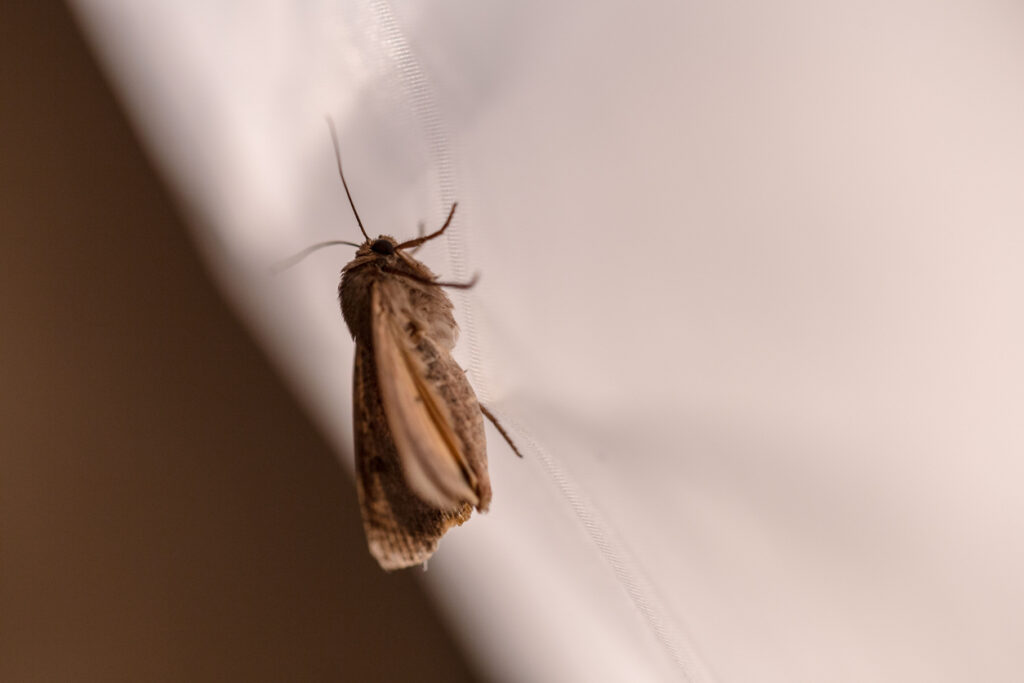
Some butterfly species like peacocks and red admirals hibernate as adults, and sheds provide perfect conditions. They tuck themselves into corners or hang from the ceiling, looking almost dead until spring warmth wakes them up. Moths also overwinter in sheds, often as pupae hidden in rolled up materials or packaging.
Leave butterflies alone if you find them sleeping in your shed because disturbing them wastes their energy reserves. Keep one window slightly open in spring so they can escape when they wake up naturally. Don’t use insecticides in sheds during winter because you’ll kill beneficial insects along with pests.
7. Frogs and toads sheltering from frost
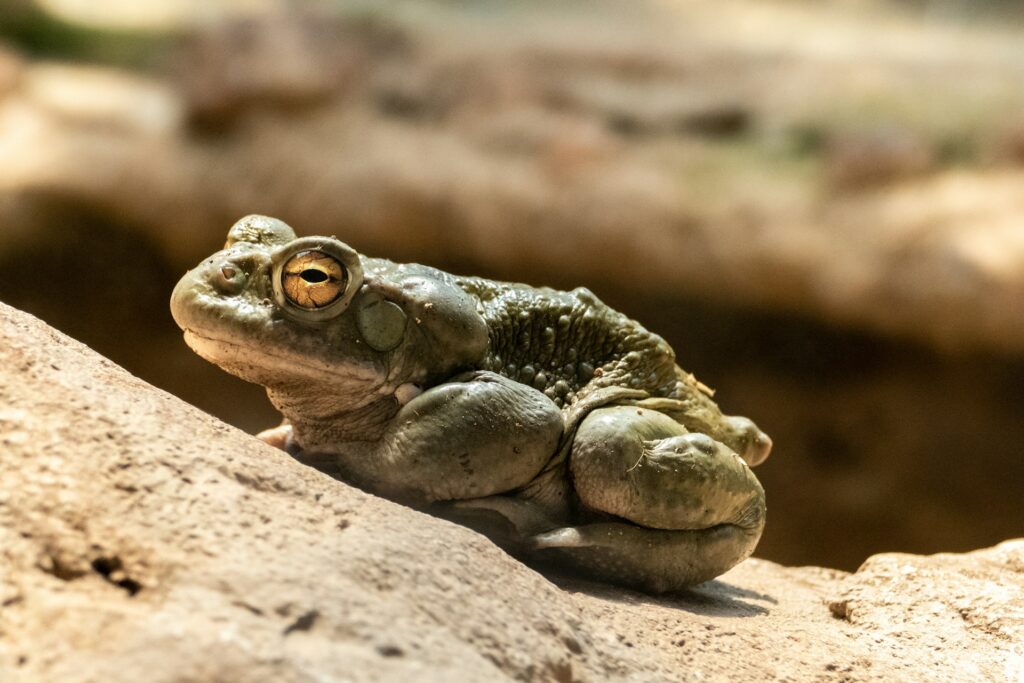
Frogs and toads need frost free places to spend winter, and sheds offer protection they can’t find in frozen ponds. They squeeze under doors or through gaps and hide in damp corners or under stored items. They go into a state of reduced activity called brumation which is similar to hibernation but not quite as deep.
Leave a small container of water in your shed during winter because amphibians need to keep their skin moist. Don’t handle them if you find them because the oils on your hands can harm their delicate skin. Create a ramp or rough surface near the door so they can climb out when spring arrives.
8. Wasps building papery nests
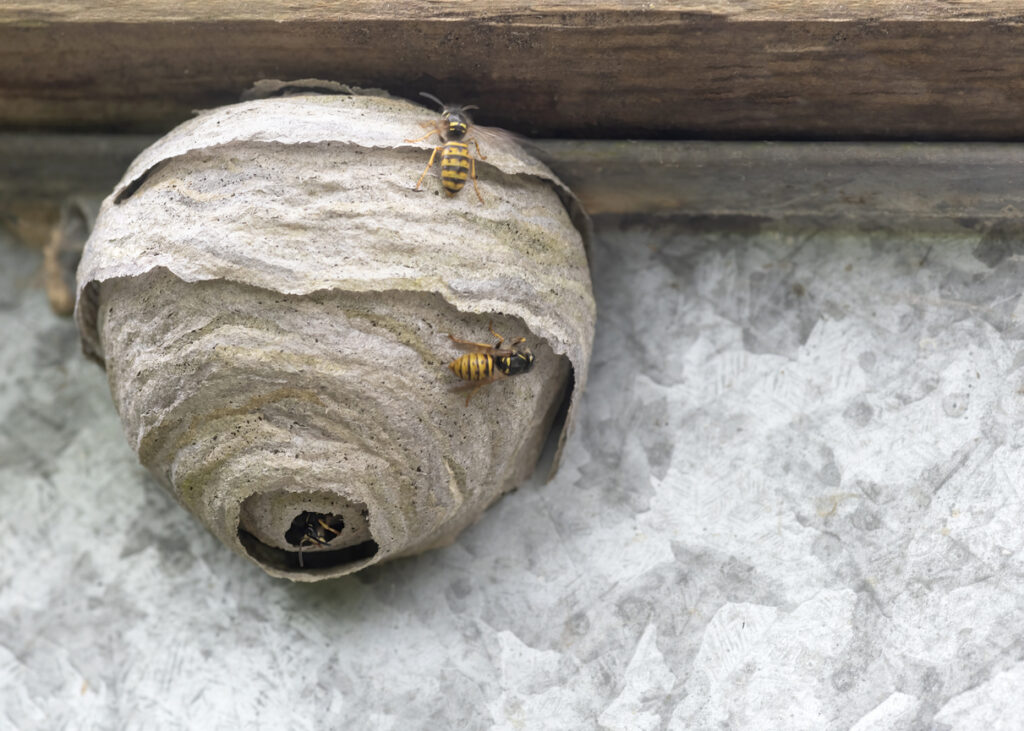
Queen wasps look for sheltered spots to start new nests in spring, and sheds are ideal locations. They build those distinctive grey papery nests in roof corners or behind stored items. By late summer, nests can contain thousands of wasps, but by winter they die off, leaving only new queens to hibernate elsewhere.
Check your shed in early spring for small starting nests because they’re easier to deal with when tiny. Don’t disturb active nests during summer because wasps defend them aggressively. Wait until winter when the nest is abandoned before removing it because then it’s completely safe.
9. Slugs and snails hiding in plant pots
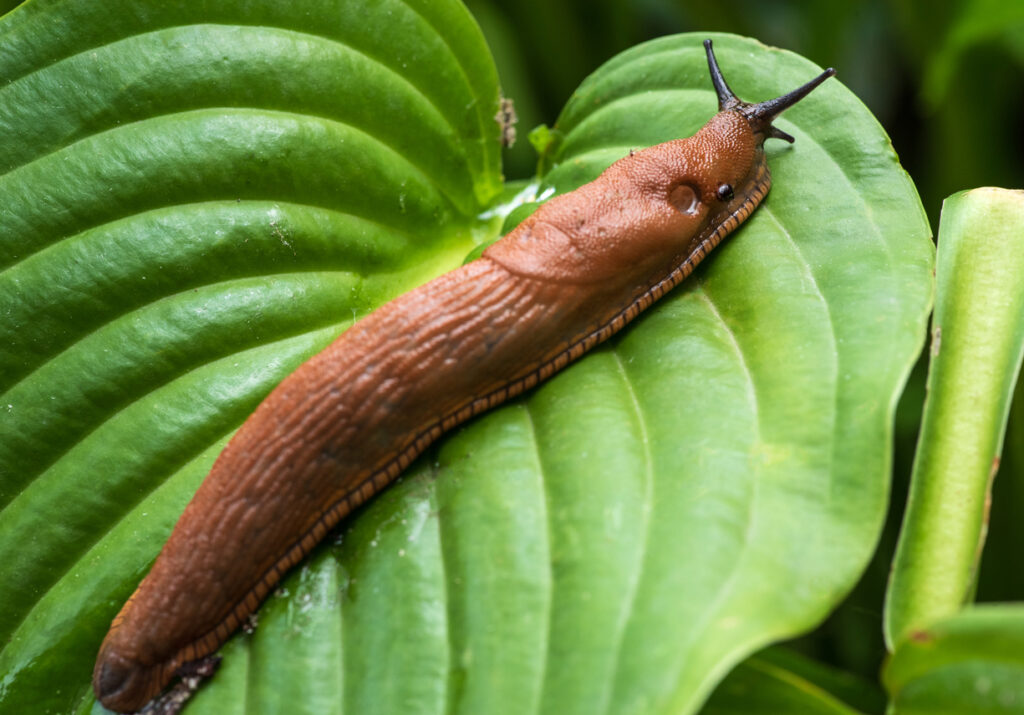
Slugs and snails retreat into sheds when the weather gets cold and dry, looking for damp hiding spots. They cluster inside plant pots, under saucers and in bags of compost where conditions stay moist. They’re not active during winter, but they’re surviving there, ready to emerge and eat your plants come spring.
Store empty plant pots upside down, so slugs can’t hide inside them during winter. Keep compost bags sealed and raised off the floor because damp bags on concrete are slug magnets. Check pots before bringing them into your greenhouse or house because you don’t want to import a slug problem.
10. Birds nesting in unexpected places
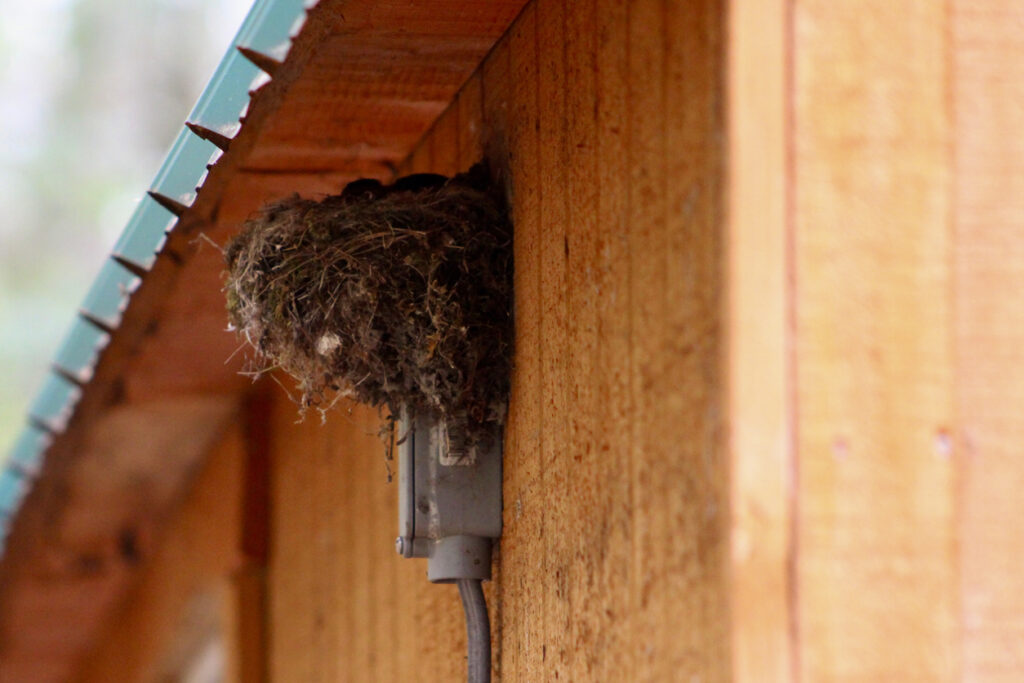
Robins, wrens and other small birds sometimes nest in sheds if they can find a way in and a suitable ledge or shelf. They’re looking for somewhere safe from predators and weather where they can raise chicks. You might not realise they’re there until you hear cheeping or see the adults flying in and out with food.
Leave birds alone if you discover a nest because disturbing them is illegal and stressful for the parents. Keep a window or door slightly open, so adults can access the nest to feed their young. Once the chicks have fledged and left, block the entry point, so birds don’t nest there again if it’s inconvenient for you.