If you spend enough time watching animals in the wild, you start to notice just how much company they keep without even meaning to.
Some pick up little passengers because of their thick fur. Others wade through dense undergrowth and make friends along the way, and a few are just seen as the perfect lift from A to B by certain tiny creatures. Most of the time, the animal barely notices, but the mini freeloaders certainly make the most of the ride.
It’s one of those things people rarely think about, yet it’s happening constantly in nature. These tiny hitchhikers travel on paws, feathers, shells and tails, turning animals into moving transport links. Once you know who tends to carry what, you start to spot these little partnerships everywhere, and it gives you a whole new appreciation for how connected wildlife really is.
1. Sloths carry entire ecosystems in their fur.

Sloths move so slowly and spend so much time hanging about in trees that their fur becomes home to loads of different creatures, particularly moths, beetles, and algae. The algae grows in grooves in their fur and actually turns them slightly green, which helps them blend into the trees, while the moths lay their eggs in sloth poo and then live in the sloth’s fur as adults.
This whole setup creates a mini ecosystem that travels around with the sloth wherever it goes. The sloth gets camouflage from the algae, the moths get a mobile home and easy access to their breeding grounds, and various other insects feed on the algae and dead skin. It’s like the sloth is a walking habitat that supports loads of life without even trying.
2. Hippos have fish that clean their skin constantly.

When hippos spend time in water, which is most of the day, they’re constantly surrounded by small fish called barbels that nibble dead skin, parasites, and algae off their bodies. The hippos basically get a free spa treatment, and the fish get an endless buffet of food, and both benefit massively from this arrangement.
These cleaner fish will even swim into the hippo’s mouth when it opens wide, cleaning between teeth and picking off bits of food and parasites. The hippos tolerate this because it keeps them healthy and comfortable, and the fish stick close to hippos because it’s a reliable food source that’s constantly available, making them permanent little hitchhikers in the hippo’s watery world.
3. Whales carry barnacles that permanently attach to their skin.
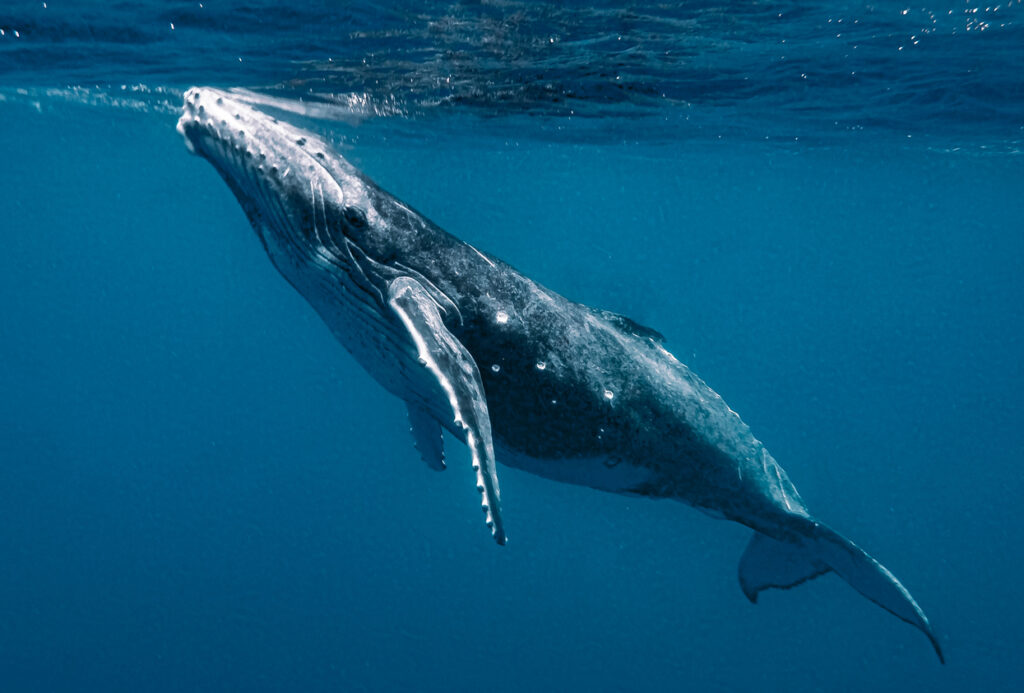
Barnacles are crusty looking sea creatures that cement themselves onto whale skin and stay there for life, getting a free ride across the ocean as they filter feed from the water flowing past. A single whale can carry hundreds or even thousands of barnacles, particularly on their heads, fins, and bellies, adding quite a bit of extra weight.
The barnacles benefit massively because the whale takes them through nutrient rich waters, where they can feed continuously without any effort on their part. For the whale, the barnacles are mostly just annoying passengers that create drag and can occasionally cause skin irritation, but they’re not harmful enough for the whale to properly bother removing them.
4. Birds spread seeds stuck in their feathers and feet.
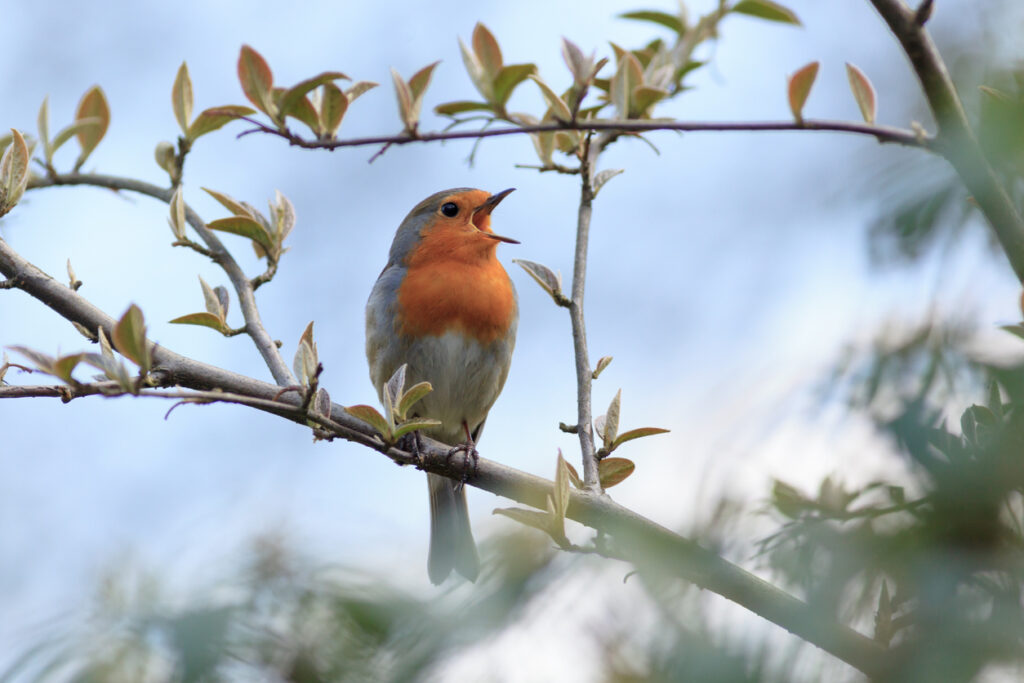
Birds accidentally carry plant seeds everywhere they go, with seeds getting caught in their feathers, stuck between their toes, or even lodged in mud on their feet. This turns birds into brilliant seed dispersers that can spread plants across massive distances, sometimes even between continents, during migration.
Some seeds have evolved specifically to hitchhike on birds, with hooks, sticky coatings, or other features that help them cling onto feathers or feet. The bird has no idea it’s carrying them and gets nothing out of the deal, but the seeds get free transport to new locations where they can germinate and grow, which is why you sometimes see random plants growing in weird places far from where they normally occur.
5. Bees carry pollen that hitches a ride between flowers.
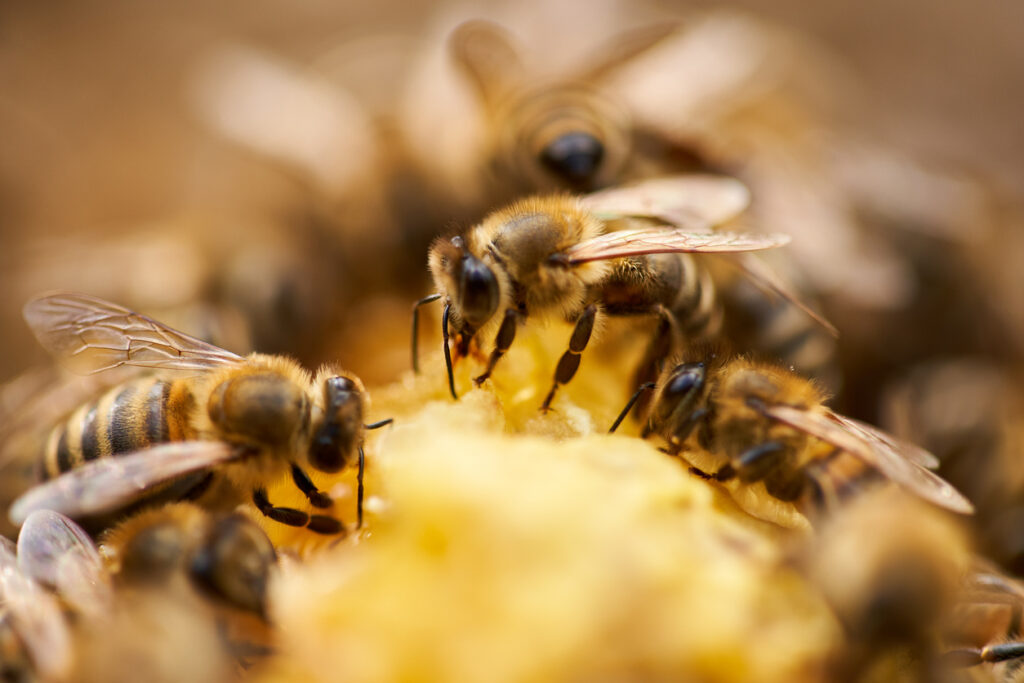
When bees visit flowers to collect nectar, they get absolutely covered in pollen that sticks to their fuzzy bodies and legs, and they end up carrying this pollen to every other flower they visit. This hitchhiking pollen is how plants reproduce, with the bee acting as an unwitting courier service between flowers that can’t move themselves.
The bee is mainly interested in the nectar and pollen it’s deliberately collecting as food, but it ends up covered in way more pollen than it actually wants. This extra pollen rides along for free and rubs off on the next flowers the bee visits, allowing plants to cross-pollinate. It’s one of nature’s most important hitchhiking relationships because without it, loads of plants couldn’t reproduce at all.
6. Sharks have remora fish with suction cups on their heads.
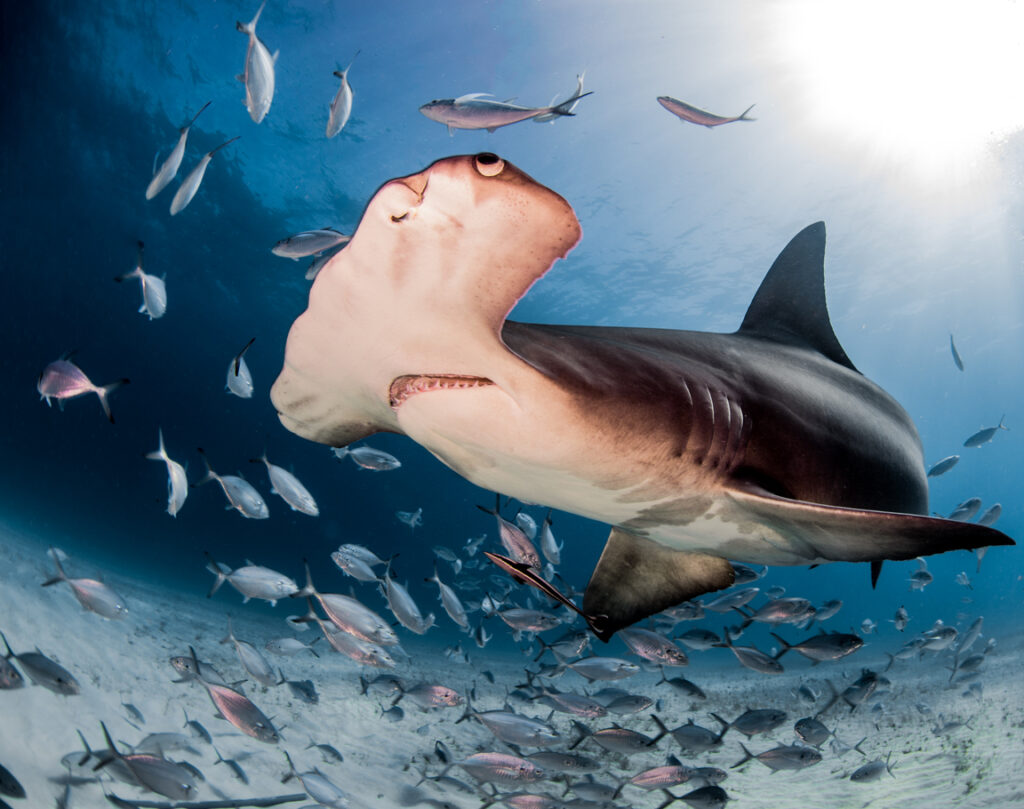
Remoras are fish that have evolved a modified fin on top of their head that works like a suction cup, allowing them to attach to sharks, rays, whales, and other large sea creatures. They get pulled along for free rides while feeding on scraps from the host’s meals and nibbling parasites off the host’s skin.
The shark gets a small benefit from having some parasites removed, though remoras aren’t as dedicated to cleaning as some other fish species. Mostly the shark just tolerates these hitchhikers because they’re not causing harm and occasionally help out. The remora gets protection, transport, and regular meals without using any energy swimming, which is a brilliant deal from their perspective.
7. Deer carry ticks that feed on their blood.
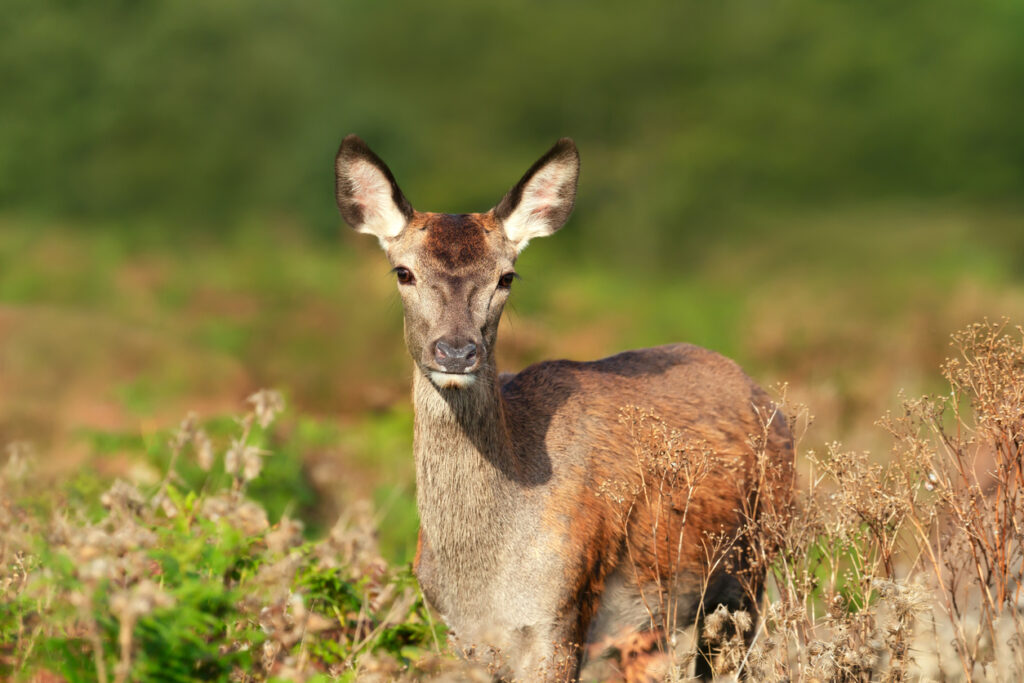
Ticks are tiny parasites that climb onto deer and attach themselves to feed on blood, and a single deer can carry dozens or even hundreds of ticks at once. The ticks are proper hitchhikers that use the deer not just for transport but as a mobile blood bank, staying attached for days as they feed.
This relationship is entirely one-sided, with the deer getting nothing but irritation, disease risk, and blood loss while the ticks benefit completely. Ticks can spread serious diseases to deer and to other animals, including humans, making them some of nature’s most problematic hitchhikers. The deer would love to get rid of them, but can’t effectively remove ticks once they’re attached.
8. Hermit crabs carry sea anemones on their borrowed shells.
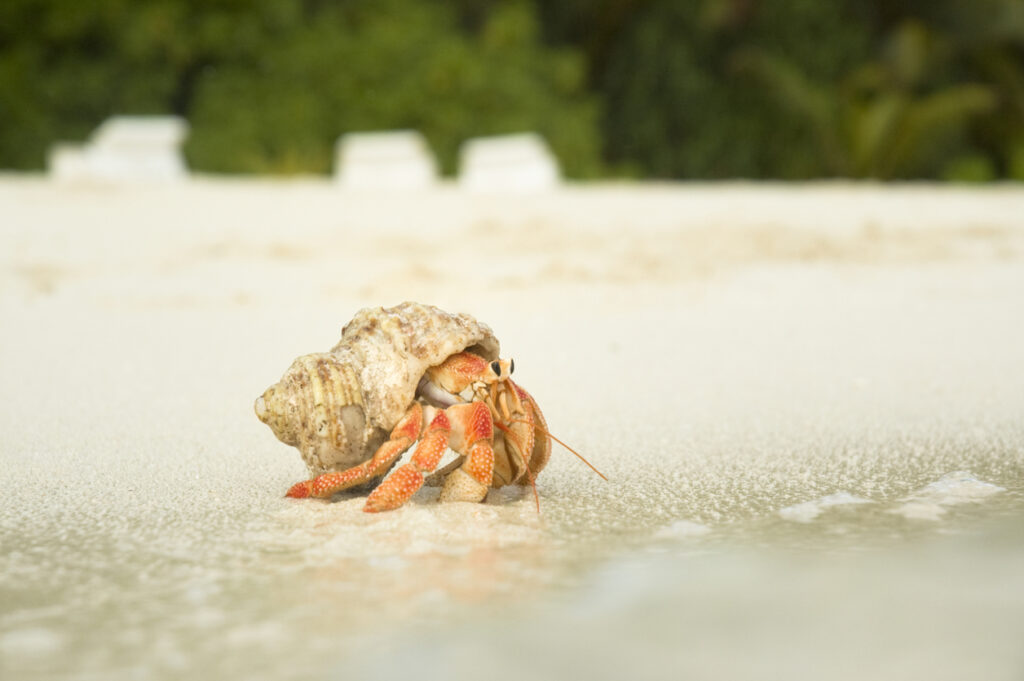
Hermit crabs often deliberately place sea anemones on top of their shells and carry them around wherever they go, creating a partnership that benefits both creatures. The anemone gets moved to new feeding locations and can catch more food because of the crab’s movements, and the crab gets protection from the anemone’s stinging tentacles that deter predators.
When a hermit crab moves to a bigger shell, it’ll often carefully transfer its anemone passengers to the new shell rather than leaving them behind. Some species of hermit crab are so committed to this relationship that they seem genuinely bothered if they don’t have anemones riding along, and they’ll actively seek them out to place on their shells.
9. Elephants spread dung beetles in their droppings.
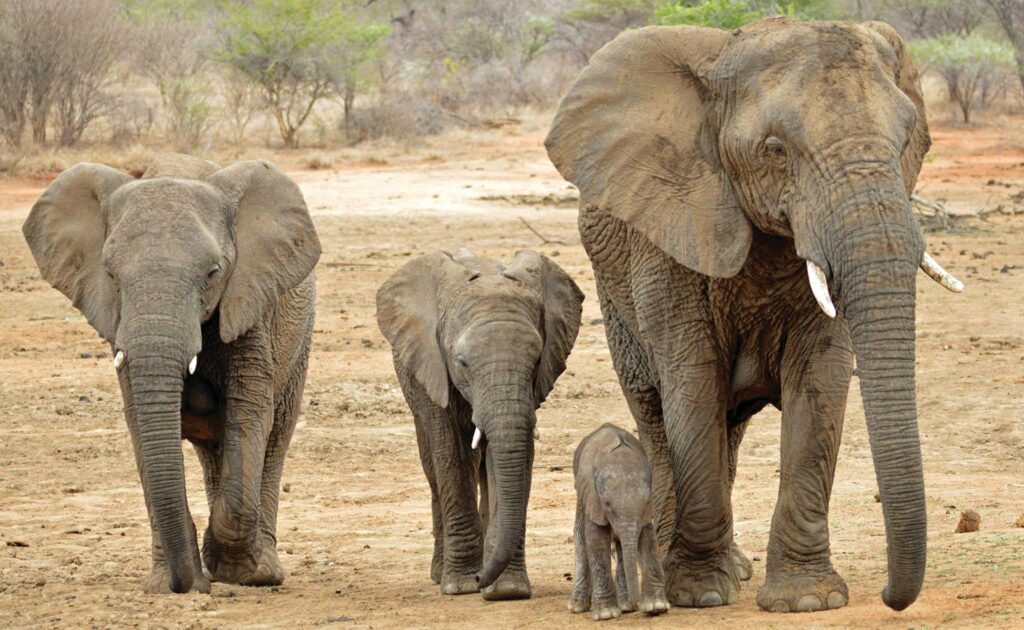
Dung beetles lay their eggs in elephant poo, and when the elephants move to new locations, they’re essentially transporting beetle eggs and larvae in their digestive systems and droppings. The beetles get carried to fresh areas where there’s less competition, and they emerge from the poo ready to set up in a new location.
Elephants also carry seeds in their digestive systems that pass through and get deposited miles away in nutrient rich elephant dung, which is brilliant for plant dispersal. The elephant becomes a walking seed and insect transportation service, spreading life wherever it roams and directly shaping the ecosystem through the hitchhikers travelling in and on its massive body.
10. Bats host mites that live exclusively in their fur.

Bats carry specialized mites that have evolved to live nowhere else except in bat fur, with different bat species hosting different types of mites. These mites are permanent hitchhikers that spend their entire lives clinging to bat fur, feeding on skin oils, dead skin, and other debris while getting transported to different roosting and feeding sites.
Most bat mites are harmless to their hosts and have such specialized lifestyles that they can’t survive anywhere except on their specific bat species. The bats tolerate them because they cause minimal harm and in some cases might actually help by eating fungal spores or cleaning the fur, though mostly it’s just a neutral relationship where the mites benefit and the bat barely notices.
11. Dogs pick up burrs and sticky seeds on walks.
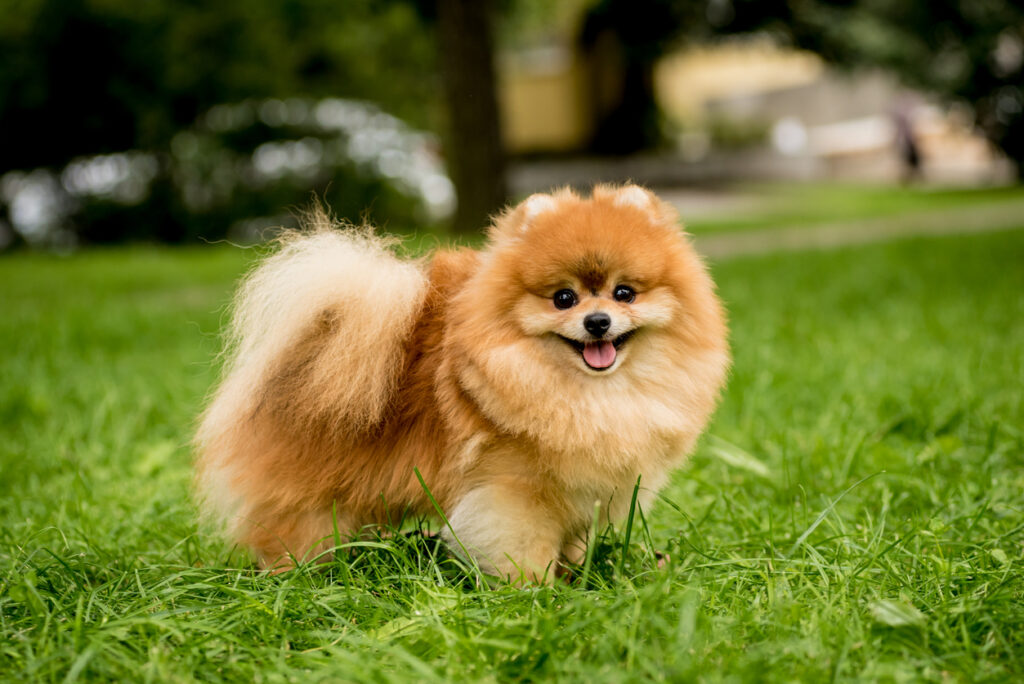
Anyone with a long-haired dog knows they come back from walks covered in burrs, sticky seeds, and various plant bits that have hooked onto their fur. These seeds are deliberately designed to hitchhike on passing animals, with hooks, barbs, or sticky surfaces that grab onto fur and don’t let go easily.
The dog gets annoyed and uncomfortable, but their owner spends ages picking burrs out of their coat, but the seeds have achieved their goal of getting transported away from the parent plant. This hitchhiking strategy is so effective that loads of plants have evolved seeds specifically designed to catch rides on furry animals, using them as unwitting couriers to spread to new locations.
12. Crocodiles allow birds to clean their teeth.
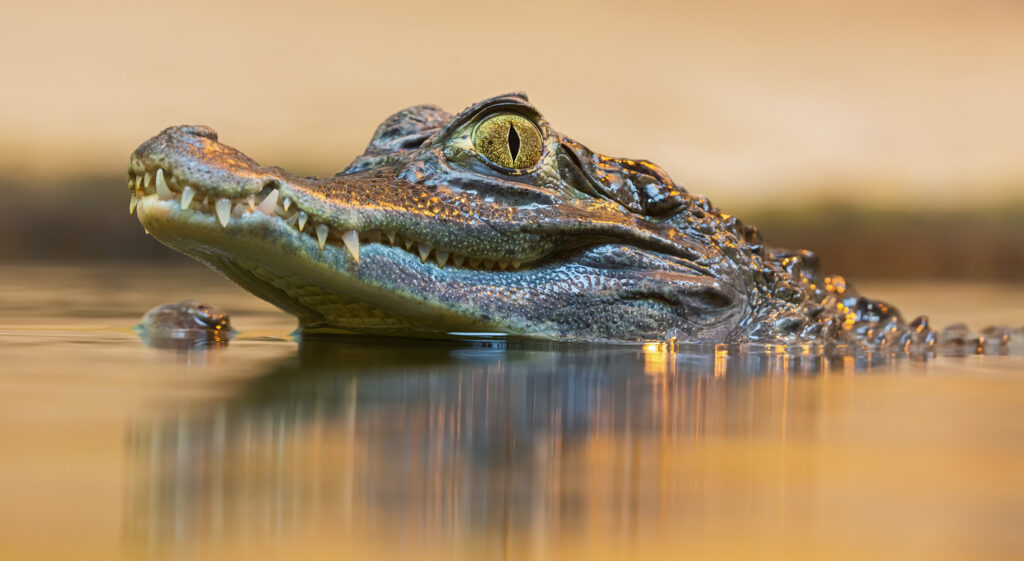
Egyptian plovers and other small birds actually hop into crocodile mouths to pick food scraps and leeches from between their teeth, getting a meal while giving the crocodile a dental cleaning. The croc lies there with its mouth open, and these tiny hitchhikers walk around in one of the most dangerous places imaginable, completely safe because of this weird arrangement.
The birds get reliable food and the crocodile gets healthier teeth and gums, plus removal of annoying parasites. It’s one of nature’s strangest partnerships because you’d think the croc would just snap its jaws shut and eat the bird, but the cleaning service is valuable enough that the croc tolerates these tiny hitchhikers wandering around its mouth.
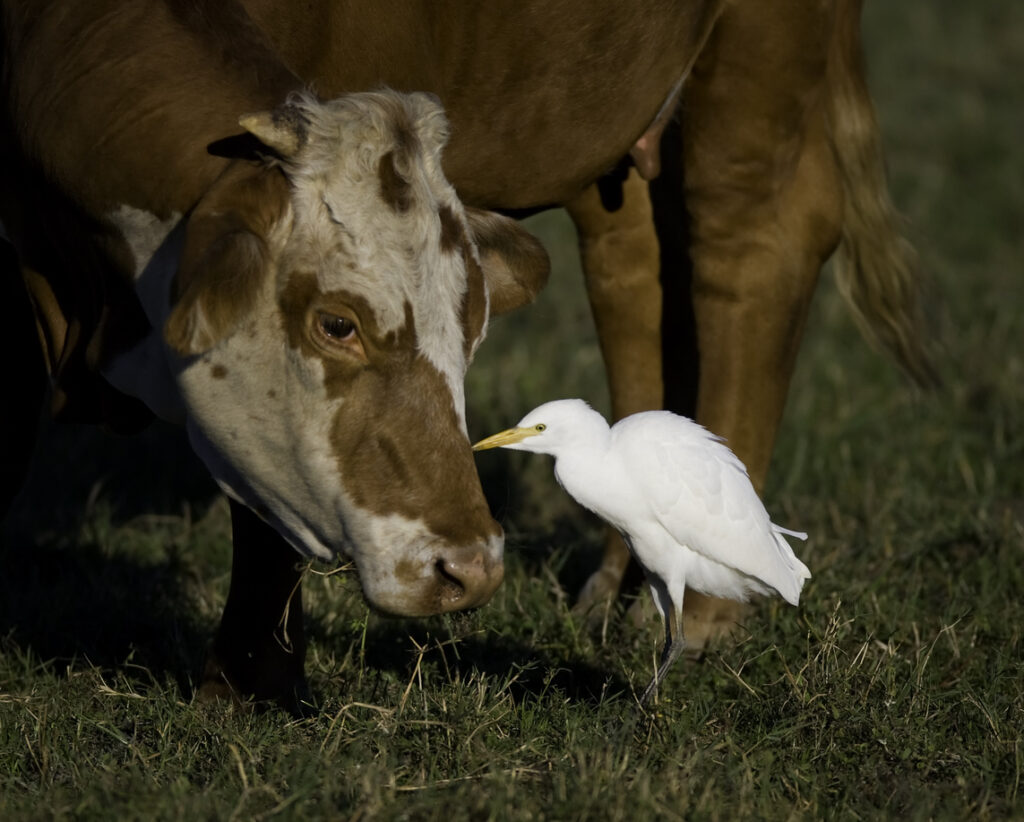
13. Cattle egrets follow large animals to catch disturbed insects.
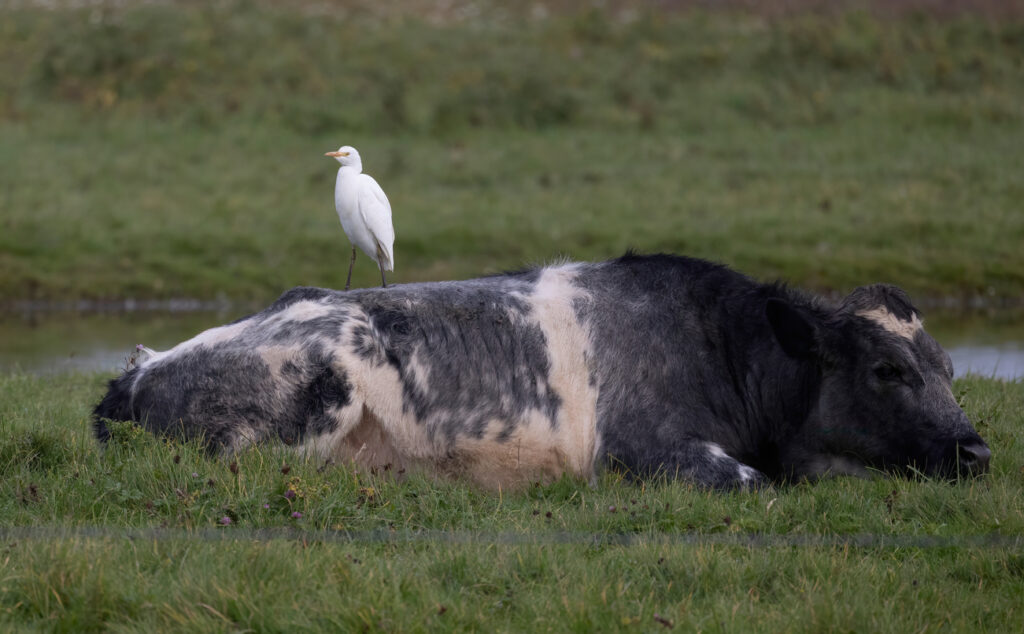
Cattle egrets are birds that follow cows, buffalo, elephants, and other large grazing animals around constantly, perching on their backs or walking alongside them to catch insects that get disturbed by the animal’s movement. The big animal acts as a mobile hunting platform that kicks up grasshoppers, flies, and other insects that would otherwise be hard to catch.
The large animal doesn’t get much out of this except occasionally having ticks or flies eaten, but the egrets get brilliant hunting opportunities without doing any of the hard work. These birds have become so dependent on following large animals that they’re named after cattle, and they’ll latch onto basically any big animal that moves through grassland, creating opportunities for easy meals.