Some British animals hold onto each other far longer than you’d expect, and not because they’re being sweet or romantic.
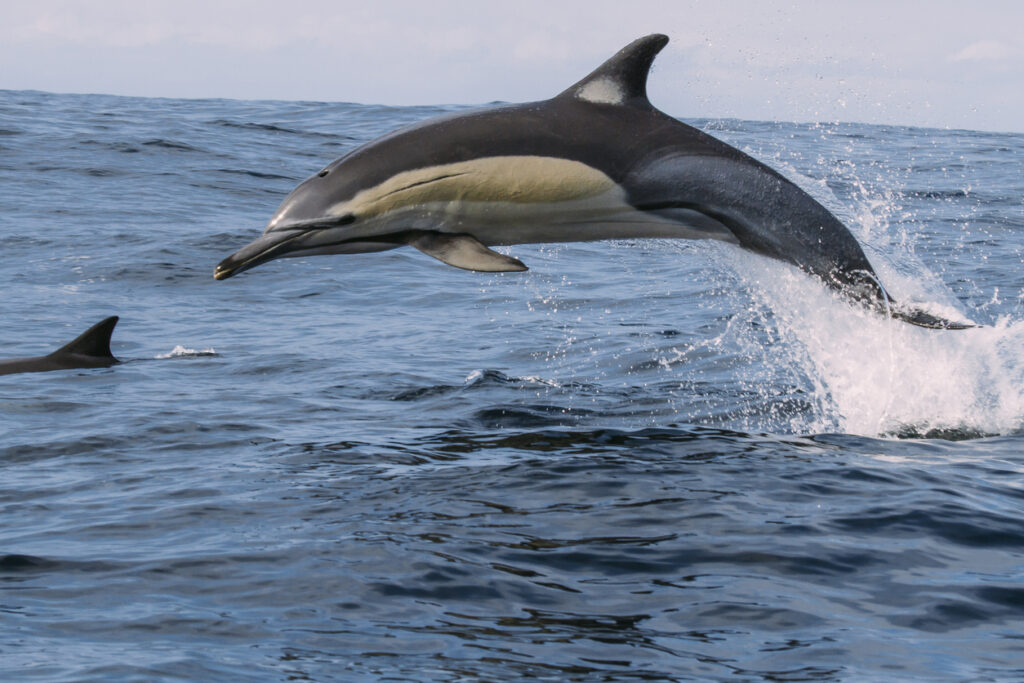
For them, sticking with familiar company is simply a smart way to survive. When you watch how they behave, you start to notice these small connections that make their lives easier. They help each other find food, keep an eye out for danger, and raise their young with a bit more confidence.
A lot of these bonds look casual, but they actually run deep. Many species return to the same companions year after year because familiarity means safety. And while they don’t sit around feeling sentimental about it, these long-running partnerships make a real difference to how well they cope. Here are the species across Britain that only truly thrive when they’ve got the right company beside them.
1. Grey seals stick with familiar companions.
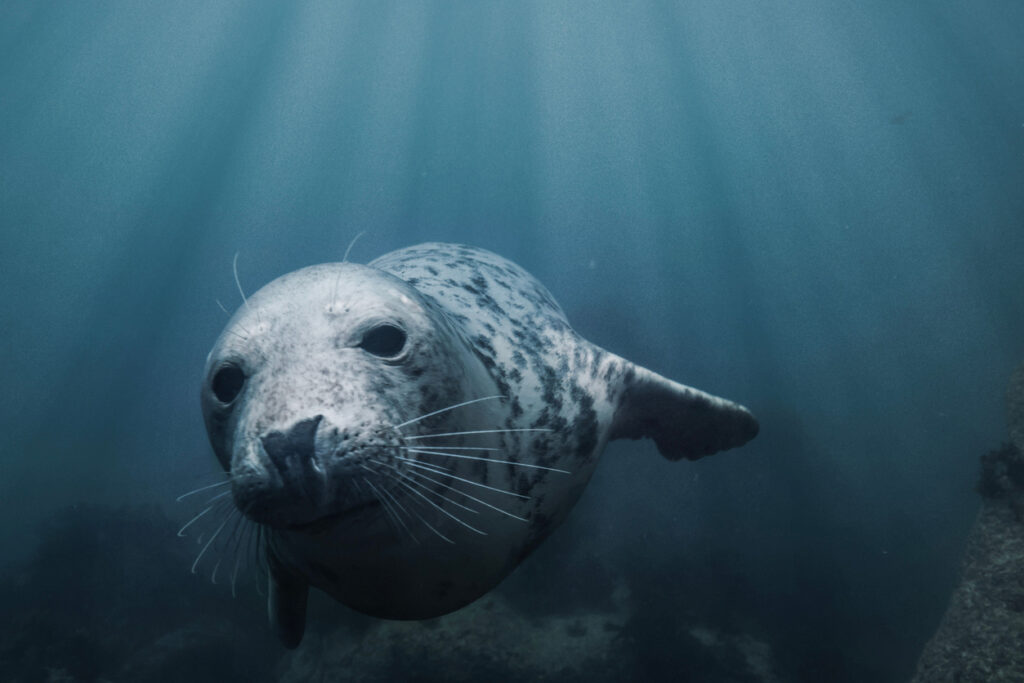
Grey seals may look like they’re loafing around on a beach without a care in the world, but they’re far more social than people think. When they haul out each year, they gravitate toward seals they recognise instead of mixing randomly. They rest in the same groups, learn each other’s habits and avoid fights simply because they know where they stand with one another. It’s a calmer way to live in a busy colony.
Younger seals rely on these long-term connections even more. Having a familiar adult nearby makes the chaos of breeding season a lot less stressful. It gives them a sense of security as they figure out how the colony works, and that steady presence helps them grow more confident in the rougher moments.
2. Ravens pair up with long-term allies.
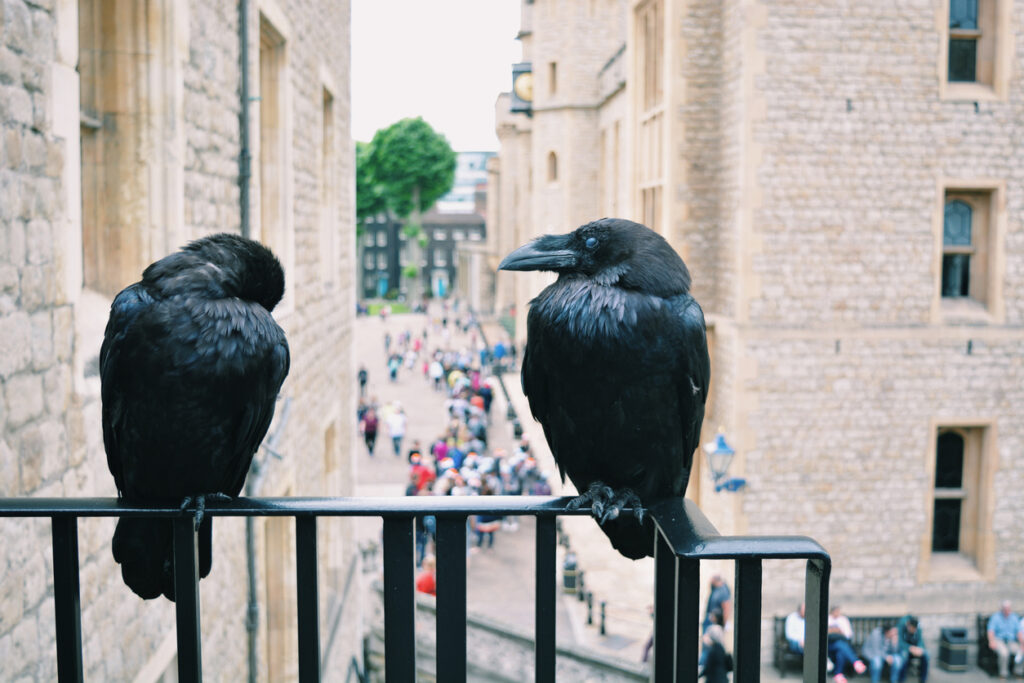
Ravens have a reputation for being clever for a reason. They form tight bonds with a partner or a chosen friend and often keep that relationship going for years. These birds help each other find food, share information, and keep watch for danger while the other eats. They also team up when exploring new feeding spots, which gives them an advantage over birds that fly solo.
When the breeding season kicks in, these long-standing bonds really matter. A trusted partner makes raising young far easier, and the teamwork behind it gives both parents a better chance of keeping their chicks safe. Ravens aren’t soft, but they understand the value of sticking with someone reliable.
3. Badgers stay loyal to their clan.

Badgers live in groups called clans, and once they’re part of one, they rarely stray. They groom each other, defend their sett as a team and work together to keep the area safe. These long-term relationships give them stability in a world full of predators, traffic and human disturbance.
Young badgers pick up every important skill by watching older members of the clan. The structure of the group means no one is left to figure things out alone, and those early lessons stick with them for life. A steady clan is the backbone of any thriving sett.
4. Dolphins off the British coast build lifelong bonds.
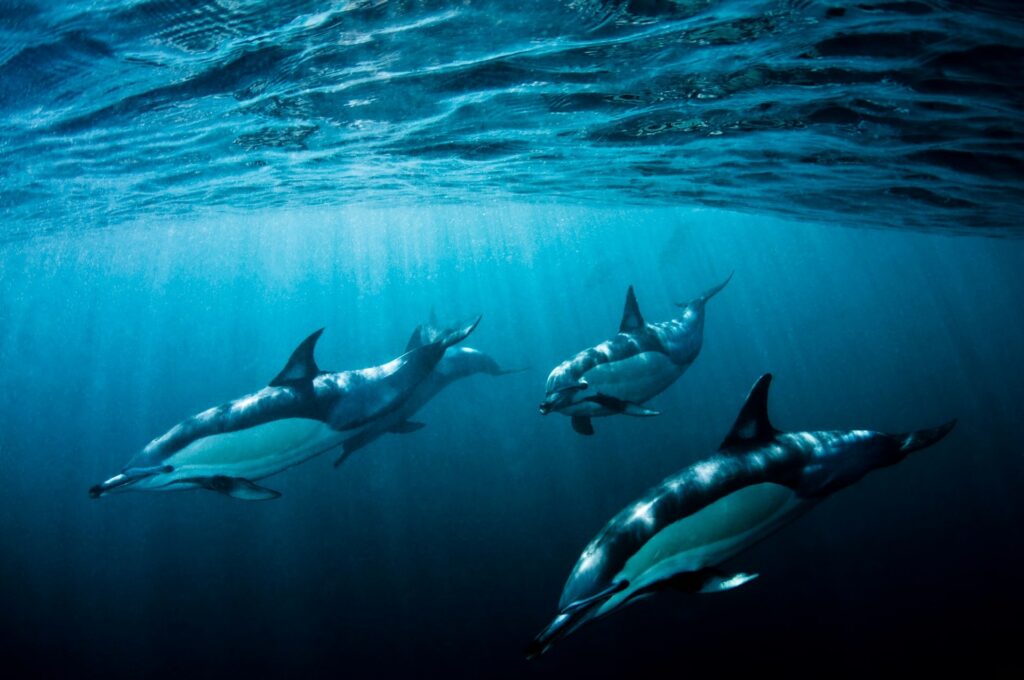
Bottlenose dolphins around Scotland and Wales build social networks that last decades. They travel in pods that stay connected throughout their lives, even as individuals form smaller groups within the wider pod. These bonds help them protect calves, defend themselves from threats and work together when hunting.
Dolphins rely on sound to communicate, so these relationships grow stronger through constant chatter. Their shared routines and constant interaction create a tight-knit structure where each dolphin understands its place in the group. It’s one of the most complex social systems in our waters.
5. Rooks return to the same partners every year.
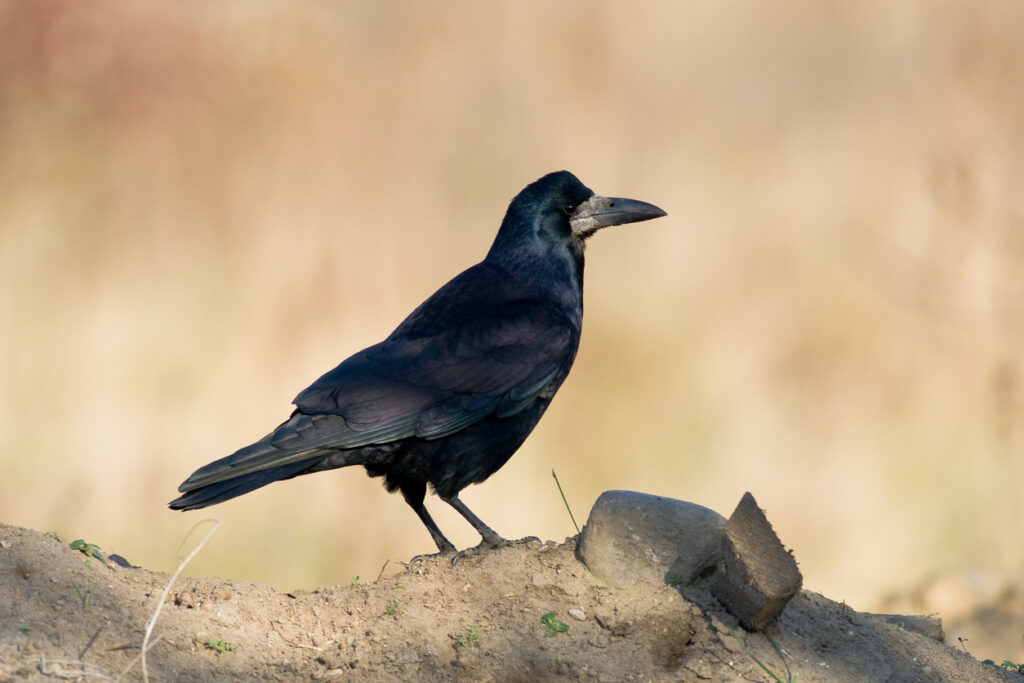
Rooks might look like scruffy birds messing about in fields, but they’re serious about their partnerships. Once they choose a mate, they tend to stay together long term. They build nests as a team, raise their chicks, and often return to the same tree year after year to repeat the whole process.
Their loyalty doesn’t stop at their mate. Rooks gather in huge groups called rookeries, where they share knowledge about good feeding spots and help watch for threats. Living among familiar neighbours makes the entire colony more stable.
6. Otters keep tight family groups.
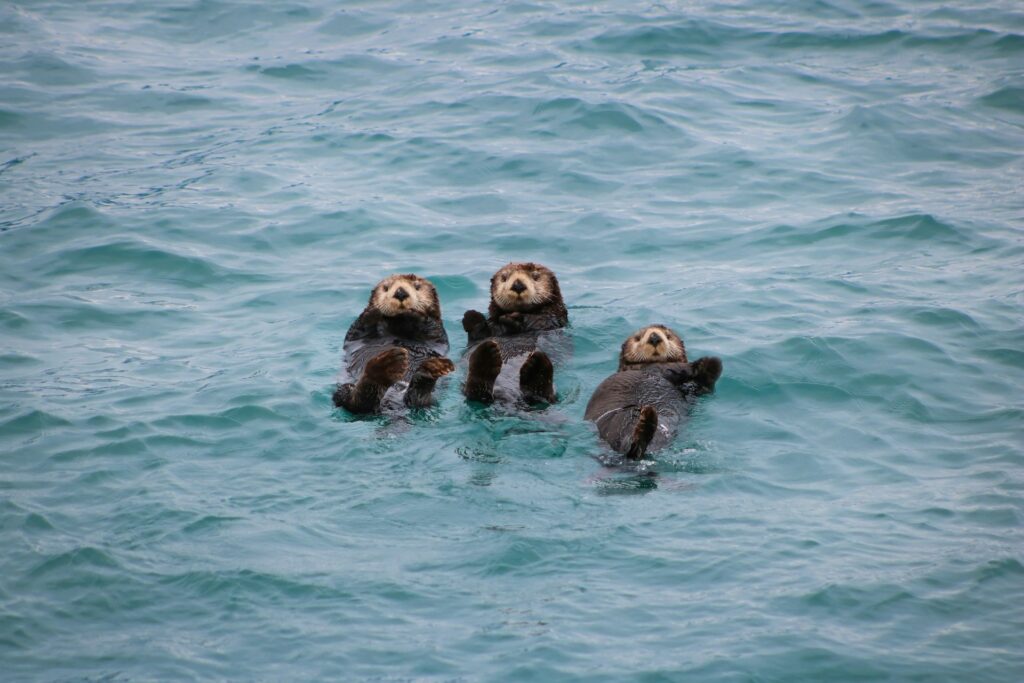
Otters in Britain roam wide rivers and coastlines, but family still anchors them. Mothers stay with their cubs for over a year, teaching them how to hunt, avoid danger and move safely through their territory. These long months together build a bond that seems to stay with the young long after they leave.
Even once they’re independent, siblings often reunite at familiar feeding spots. These loose, ongoing connections help young otters settle into new areas with more confidence, knowing they’re not completely on their own.
7. Horses in wild herds build deep friendships.

The semi-wild horses in places like the New Forest choose a favourite companion and stick with them day in, day out. They graze together, rest together and follow each other across the landscape. That steady friendship keeps stress levels down, especially in a herd where small arguments happen regularly. These pairs help keep the wider herd calmer. Horses feel safer and more settled when the animal they trust most is close, and that stability affects how the whole group behaves.
8. Jackdaws stay loyal to their chosen partner.
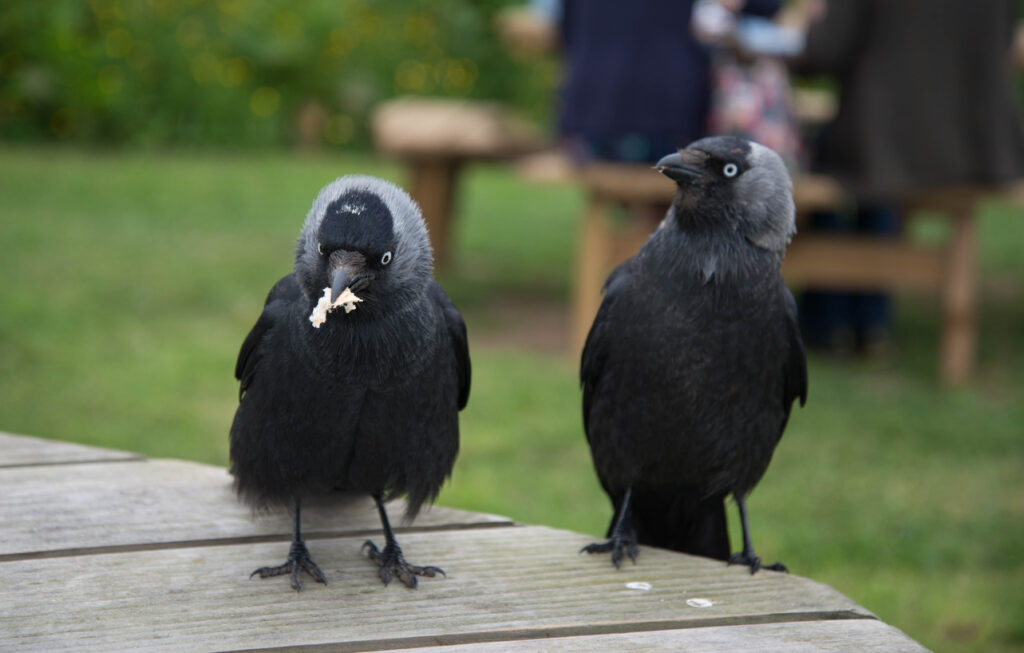
Jackdaws are committed birds that keep the same partner for life. They help each other find safe nest sites, gather materials and raise their chicks with surprising teamwork. Their bond makes them far more successful at finding good territory and protecting their young. A strong partnership also helps them navigate the flock’s social structure. Jackdaws live in tight groups, so having a reliable partner makes daily life smoother and safer.
9. Red deer females form tight family circles.
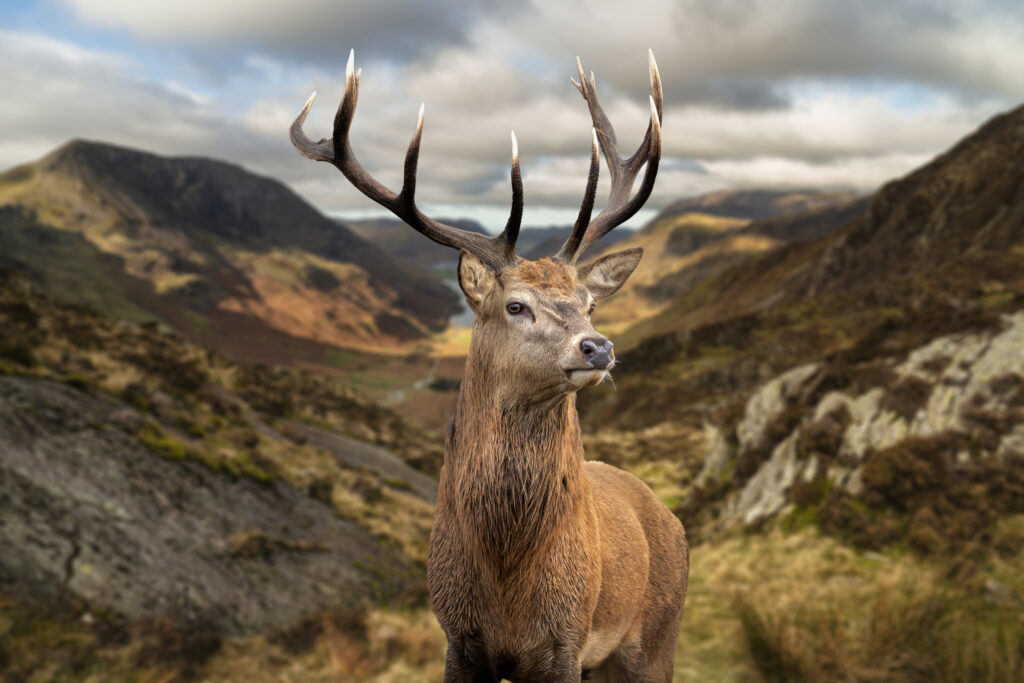
Red deer hinds stick with their female relatives for many years, creating layered family groups. They graze together, protect calves and move across the land as a unit. That familiarity gives young deer a stable base as they grow, especially when navigating harsh winters. These female groups are steady, reliable, and deeply rooted in the landscape. Having the same companions year after year gives each hind more confidence when raising her own calves.
10. Puffins reunite with the same mate each year.
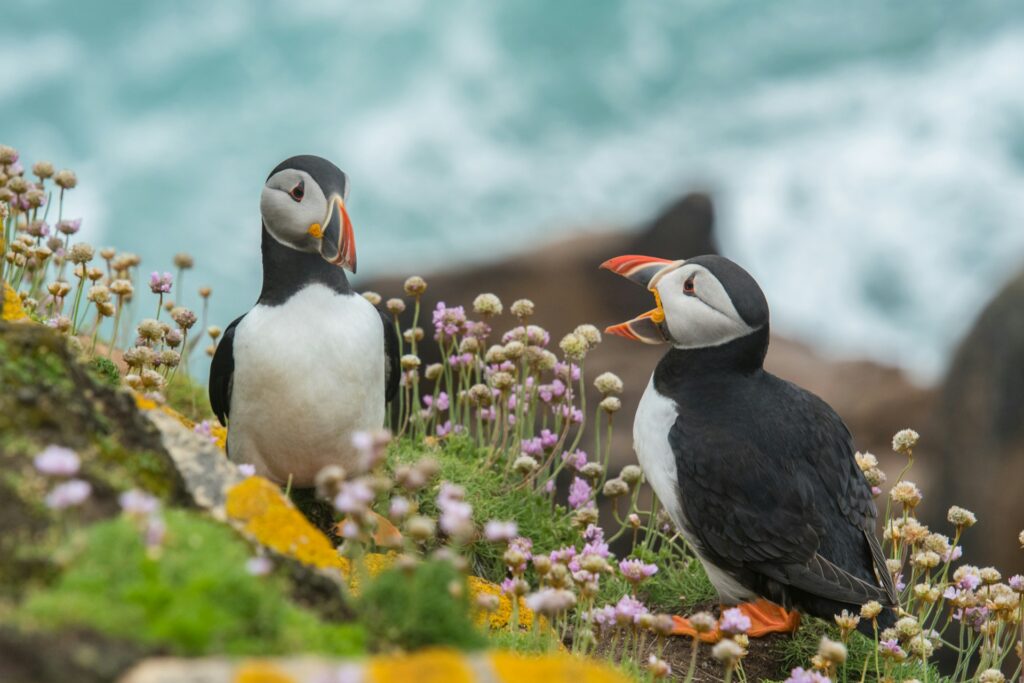
Puffins spend most of the year out at sea, but when breeding season arrives, they return to the same burrow and the same partner. Their reunion is practical rather than emotional. They know the routine, know the location, and know how to work together to raise a chick. A returning pair wastes no time figuring each other out again. They slip straight back into their shared responsibilities, which gives their chick a far better start in life.
11. Hedgehogs revisit friendly gardens.
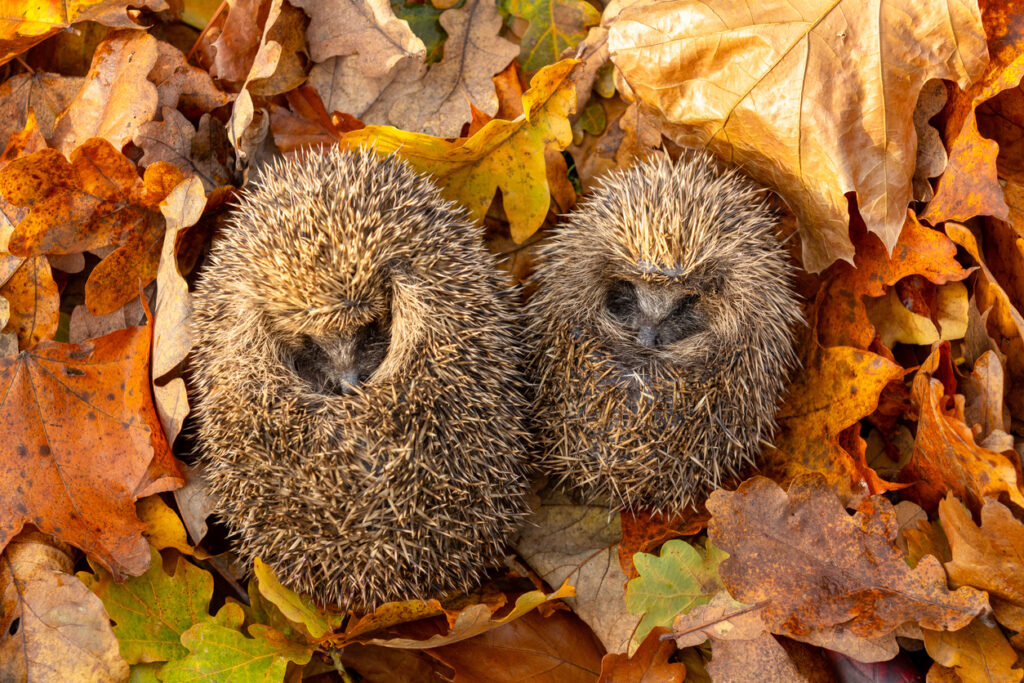
Hedgehogs wander alone for most of the year, but they definitely recognise safe places. When they find a garden with food, shelter and few threats, they return again and again. As time goes on, the same hedgehogs may cross paths regularly without competing or causing any trouble.
These loose patterns create something close to familiarity. Hedgehogs feel safer when they know the layout and trust the area, and that comfort lets them focus on feeding rather than staying on high alert.
12. Geese stay faithful for life.
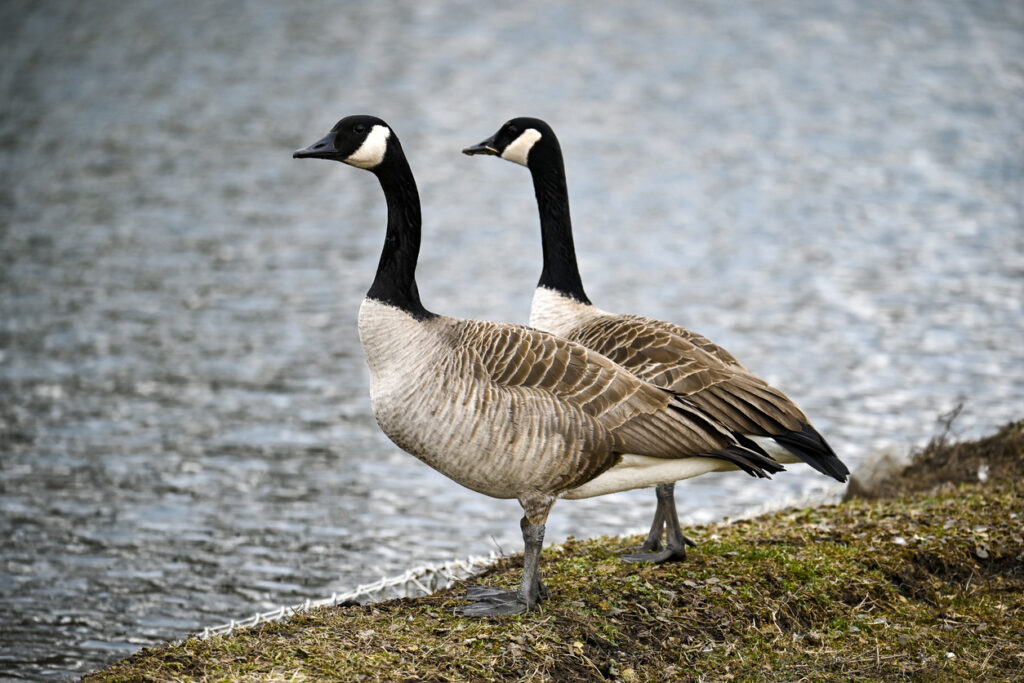
Many British geese form lifelong partnerships. They migrate together, raise goslings and keep watch for threats as a pair. When one is feeding, the other stands guard. It’s simple teamwork that keeps both parents and their young safe.
If a goose loses its partner, it often stays alone for a long time. That loyalty makes their relationships some of the strongest in British wildlife. Their whole rhythm of life depends on staying with the same companion, season after season.