Some plants really don’t like being left on their own, and they’ll only do well when they’ve got the right neighbours nearby.
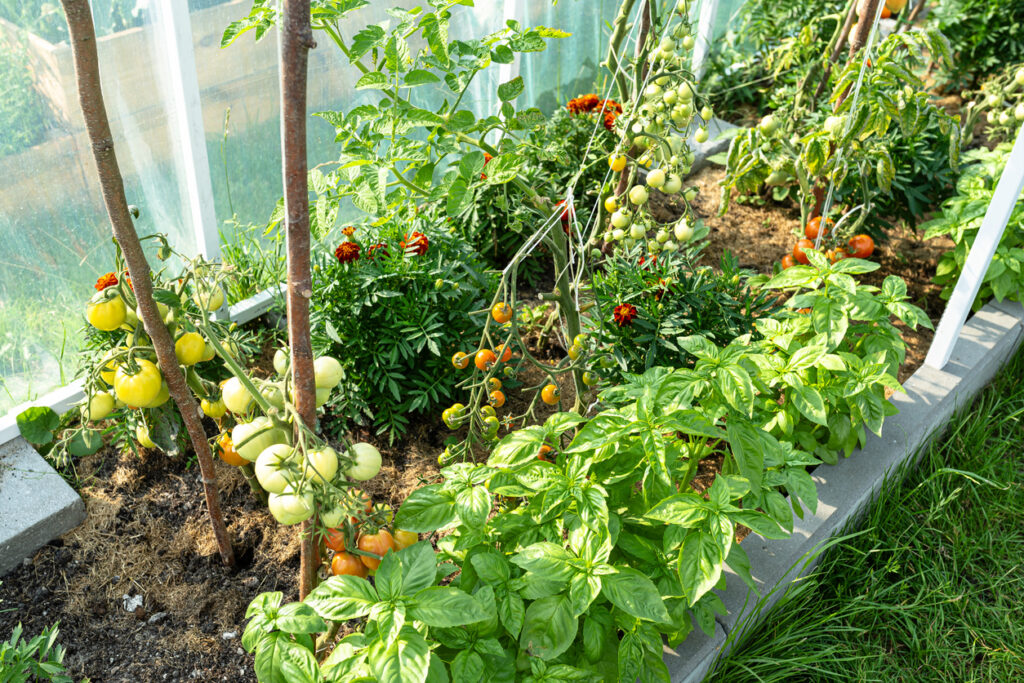
It’s one of those things you don’t think about until you start paying attention to how different species help each other grow. Some share nutrients through the soil, some offer shade or protection and some simply grow better when another plant encourages them along.
It’s a bit like certain plants have their own preferred company, and when you pair them up properly, everything suddenly looks healthier and stronger. Gardeners swear by these pairings because they make life easier and the results are obvious once you know what to look for. Here are the plants that really shine when they’re growing with the right companions.
1. Sweet peas climb better with sturdy companions.
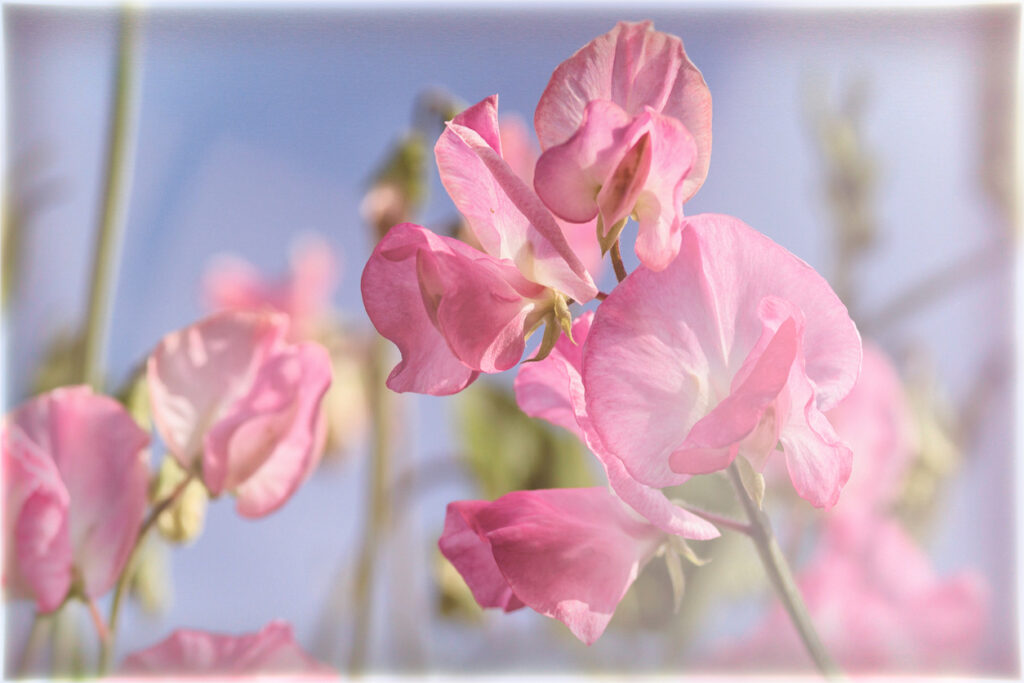
Sweet peas grow tall and fast, but they need steady support. They thrive when planted with something strong beside them, like bamboo canes or a climbing frame covered in another plant. Having a partner helps them stay upright and keeps their stems healthy. They also attract more pollinators when they grow near other flowers. Bees move between the plants easily, which helps the sweet peas produce more blooms through the season.
2. Tomatoes stay healthier near basil.
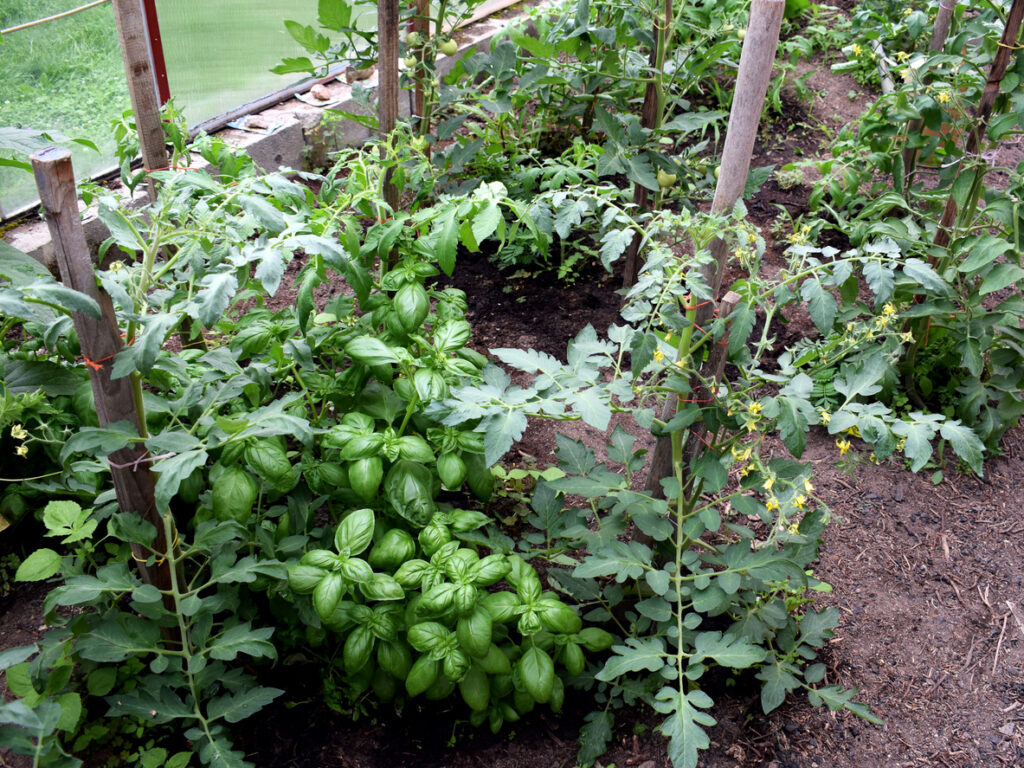
Tomatoes and basil grow well together because they balance each other. Basil releases a scent that naturally keeps pests away from tomato plants. The tomatoes then grow stronger because they’re less stressed. Meanwhile, the tomatoes create shade over the soil, which helps the basil stay fresh and stop it from drying out. Both plants benefit without any effort from you.
3. Blueberries need neighbours for better fruit.
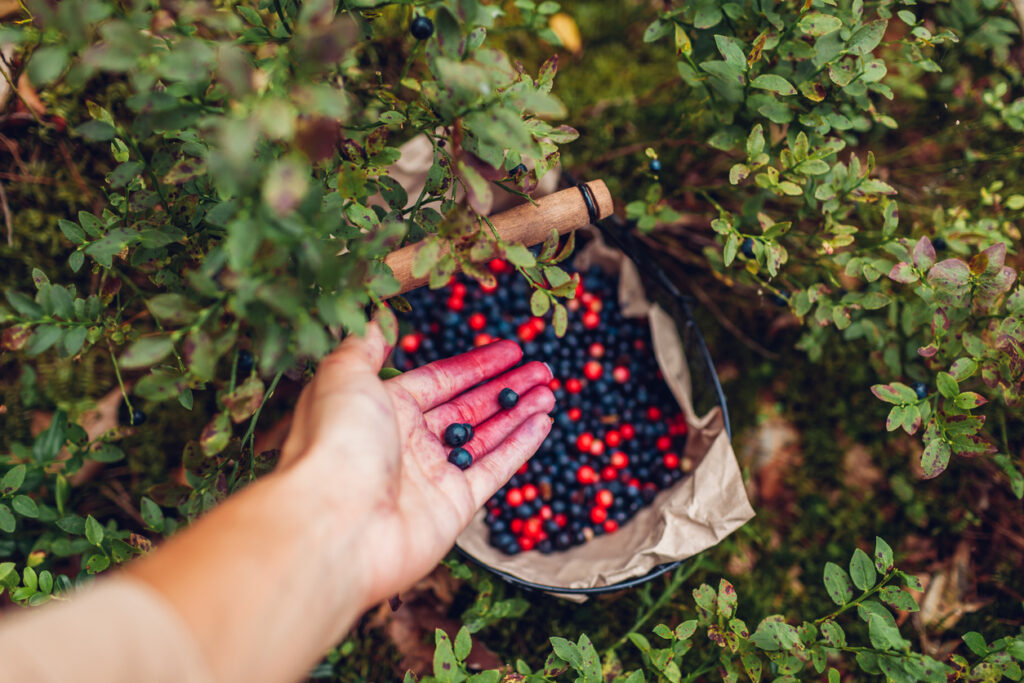
Blueberry bushes fruit more heavily when there’s another variety planted nearby. The plants don’t have to be the same type. In fact, having a different variety helps the flowers get better cross-pollination. That teamwork means more berries, bigger berries and a longer picking season. A single blueberry bush often struggles to do this on its own.
4. Courgettes grow stronger near nasturtiums.
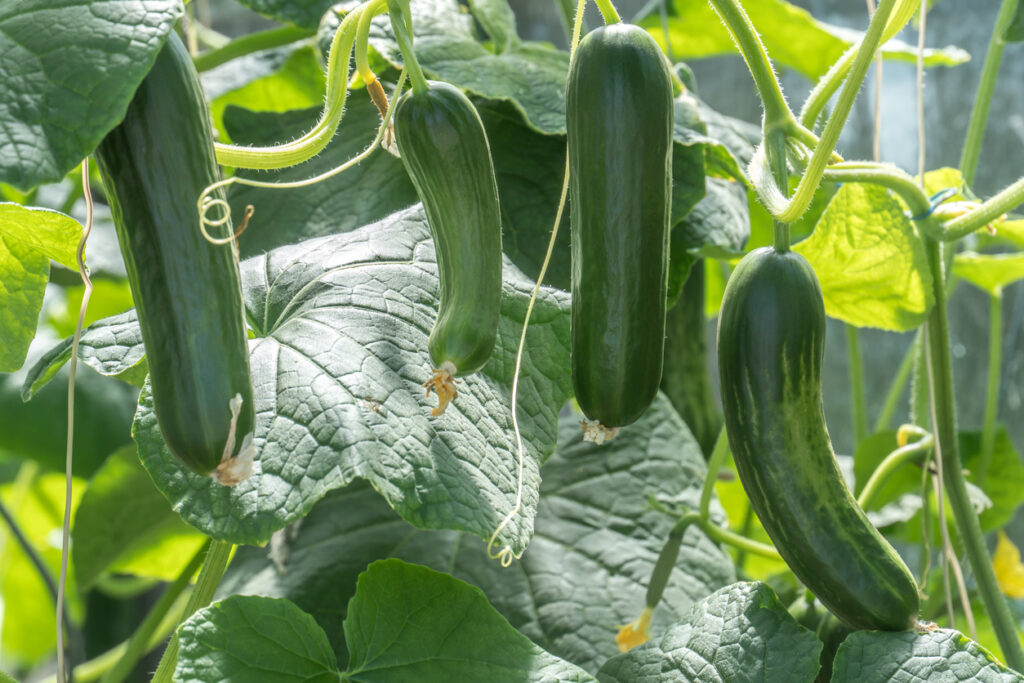
Courgettes attract pests like aphids, but nasturtiums pull those pests away. When the two plants grow together, the nasturtiums take the attention and leave the courgettes healthier. The courgettes also give light shade to the soil around the nasturtiums, which helps keep moisture in place. The mix keeps both plants happier through summer.
5. Lavender thrives beside sun loving herbs.

Lavender grows best when planted with herbs like rosemary and thyme because they enjoy the same conditions. Having neighbours that like dry soil and full sun creates a stable environment that stops lavender roots from staying wet. This shared space encourages stronger scent, more flowers and better growth. Together, these herbs create a warm microclimate that benefits all of them.
6. Runner beans need tall support plants.
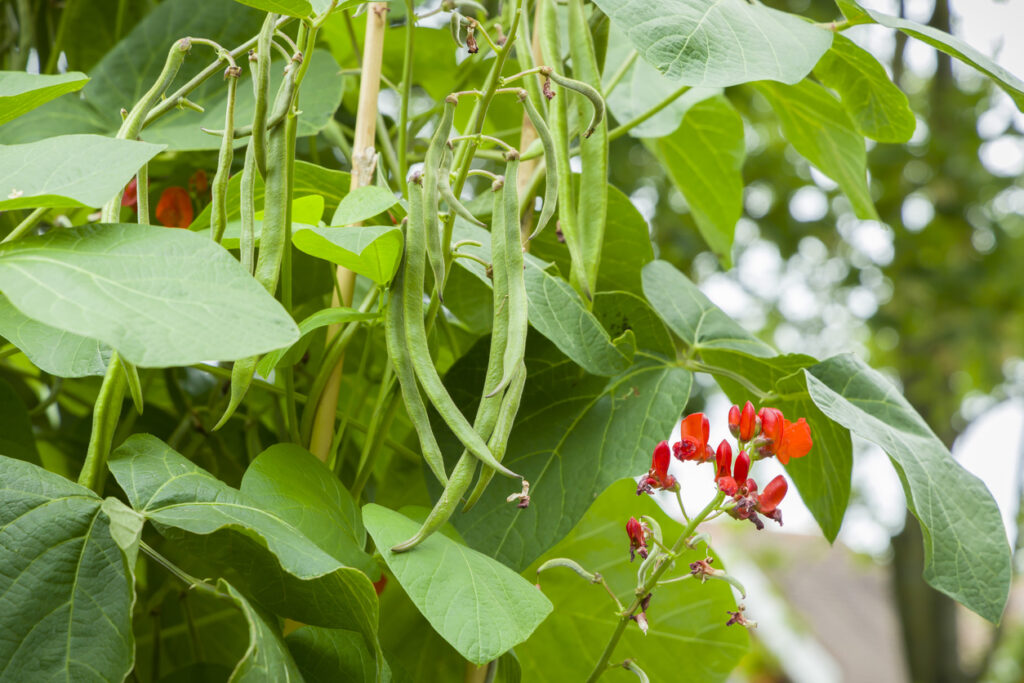
Runner beans rely on something sturdy to climb. In traditional planting, they’re grown with tall sweetcorn, which acts like a natural pole the beans can wrap around. The beans then help keep the sweetcorn stable by circling around the stalks. That natural teamwork helps both crops grow upright and stay protected in wind. Neither plant performs well when grown completely alone.
7. Roses grow better with garlic or chives.
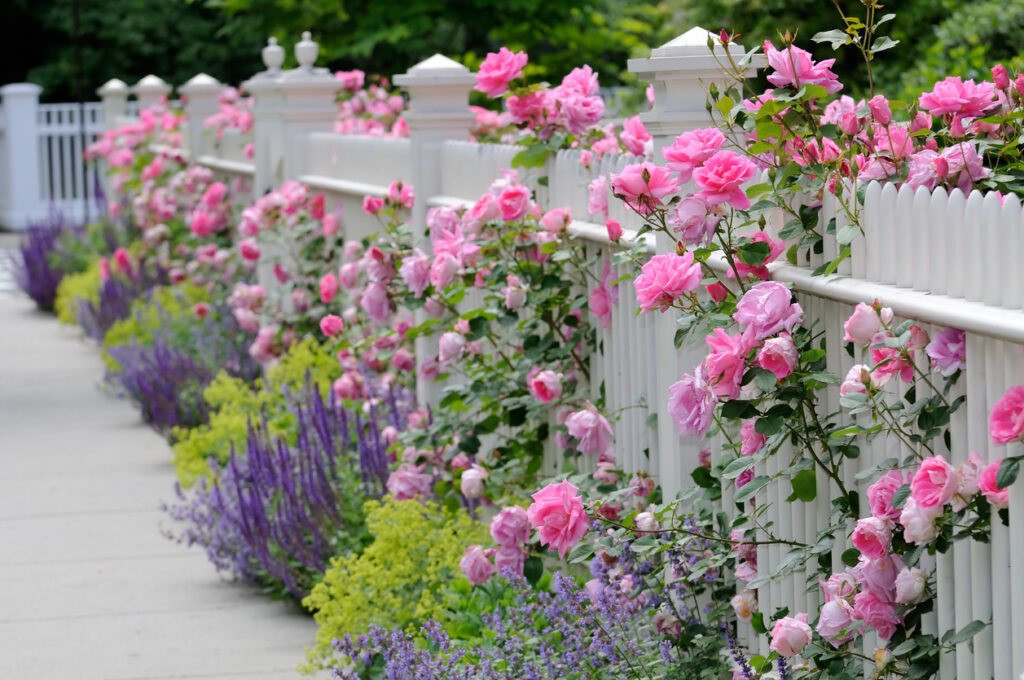
Garlic and chives release compounds into the soil and air that help keep fungal problems away from roses. Planting them together protects rose leaves and reduces black spot, which is common in damp British weather. The roses then attract more pollinators, which also benefits the herbs. The balance between scent and strength makes both plants healthier.
8. Strawberries really like living near borage.
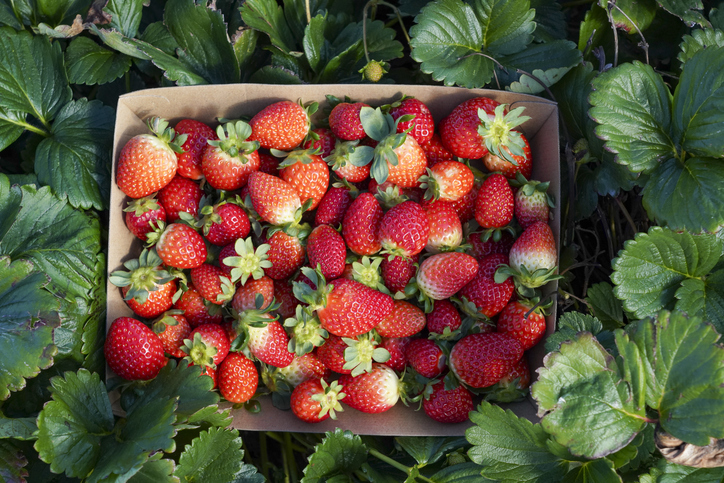
Borage attracts bees and other insects that strawberry plants depend on. When borage grows nearby, strawberries get more pollination and produce sweeter fruit. The borage also breaks up the soil with its roots, which helps moisture reach the strawberries more evenly. It’s a simple pairing that boosts fruit quality.
9. Carrots grow straighter near spring onions.
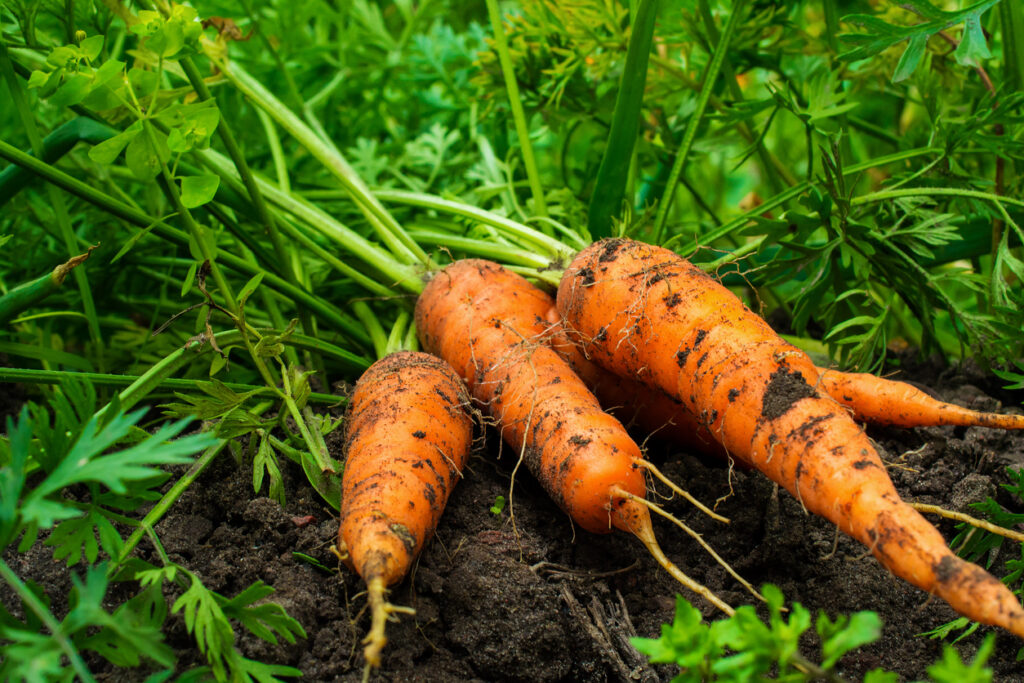
Spring onions help confuse carrot fly due to their strong smell. When planted side by side, the carrots get better protection and grow straighter because fewer pests damage the young roots. The carrots then help loosen the soil, making it easier for spring onions to spread their roots. It’s a tidy balance of scent and structure.
10. Cucumbers stay cooler near sunflowers.
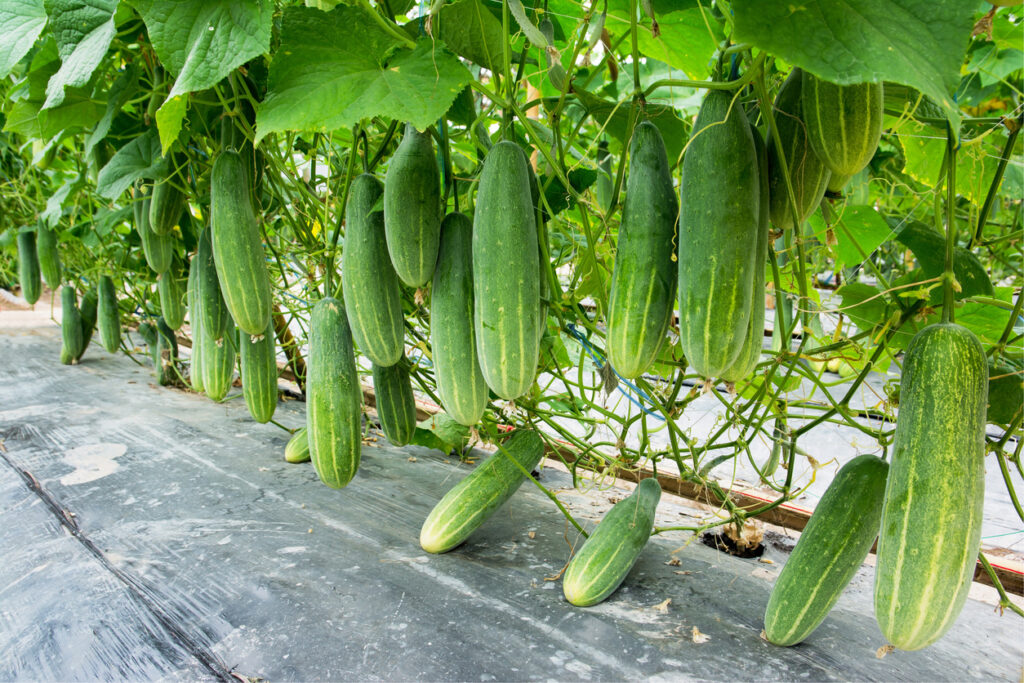
Sunflowers provide gentle shade that stops cucumber plants overheating in strong sun. This helps the cucumbers hold moisture and produce fruit more steadily. The cucumbers also spread across the base of the sunflowers, protecting the soil and keeping it cool. Each plant balances the other’s temperature needs.
11. Peas grow stronger beside marigolds.
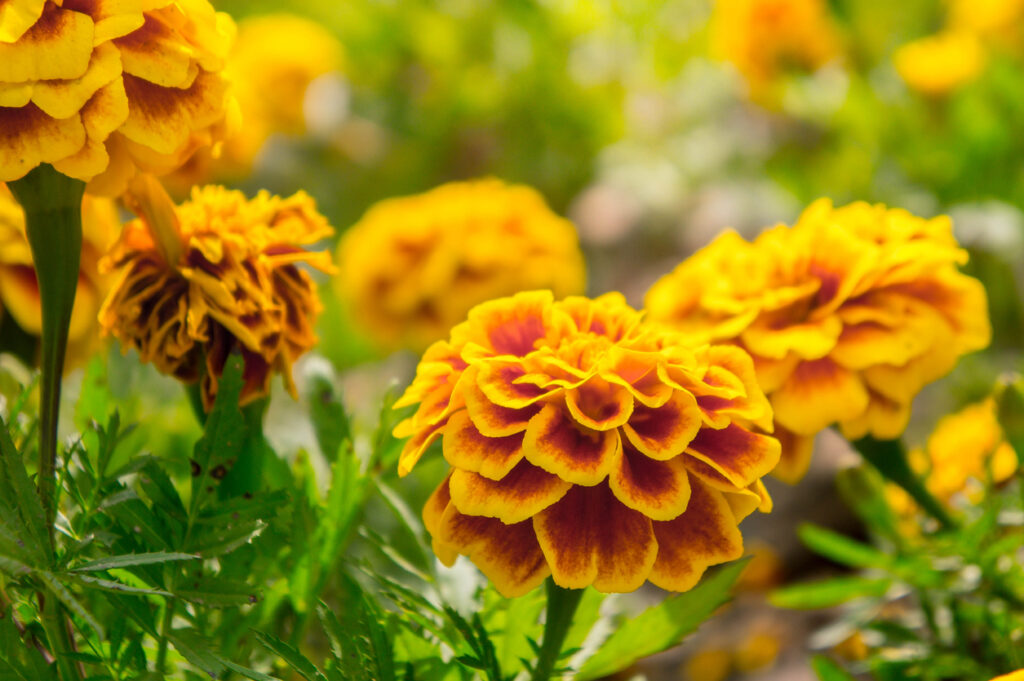
Marigolds release natural chemicals into the soil that protect peas from root problems. When grown together, the peas stay healthier and produce more pods. The peas then offer light support to marigold stems as they grow, which helps keep the marigolds upright in windy weather. It’s a small but helpful pairing.
12. Apple trees need partners for better fruit.
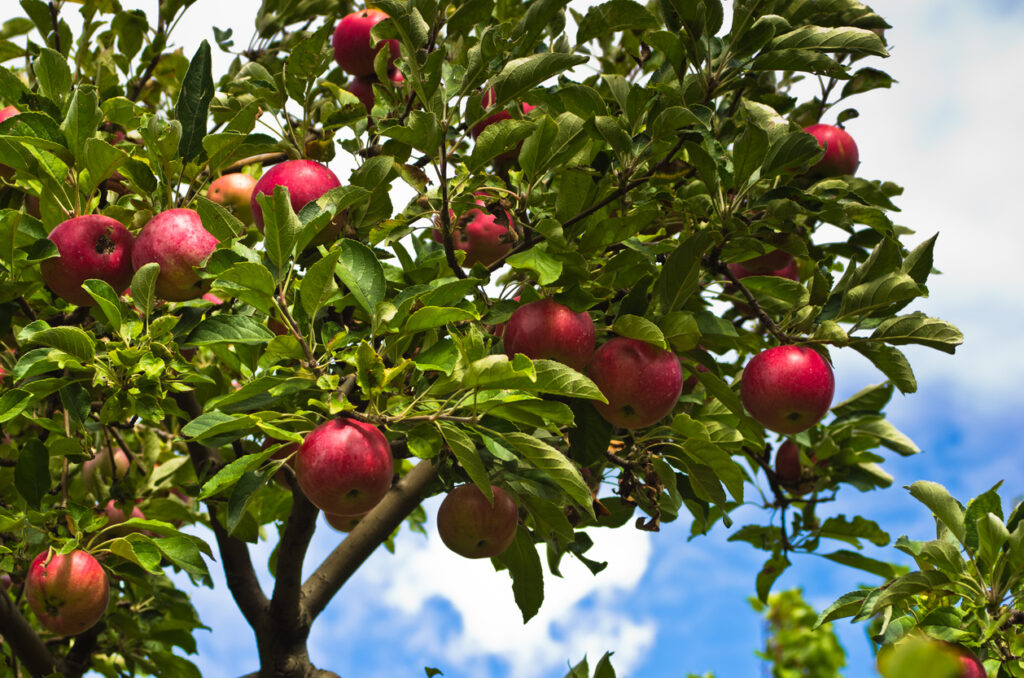
Many apple varieties need another apple tree nearby for proper pollination. Without a partner, blossoms may not fruit well at all. Having a second tree increases the number of apples and improves the quality. Bees travel between the two trees easily, which boosts the harvest. Even a crab apple tree can act as the pollination partner, and the difference in crop size is clear.