Some animals stick together so consistently that people assume they must be deeply bonded or sharing some grand love story.
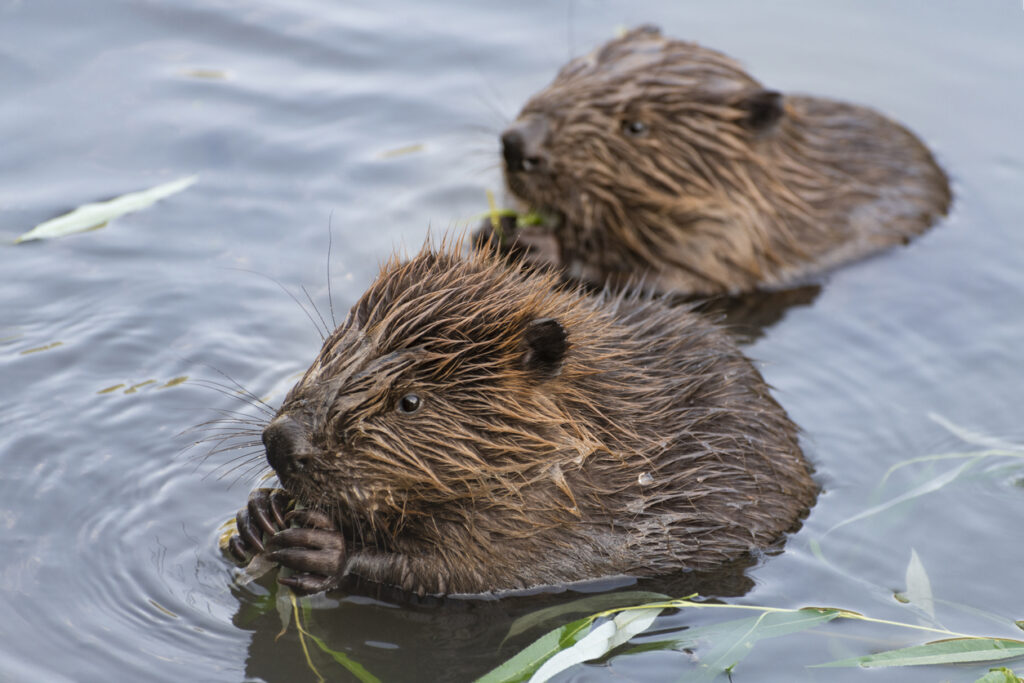
However, in plenty of cases, the pairing has nothing to do with romance at all. They team up because it keeps them safer, helps them raise young more easily, or just makes day-to-day life simpler in the wild.
It’s funny how these pairings look affectionate from the outside, when really they’re more like practical partnerships. Once you know the real reason behind them, the whole thing feels very different. Here are some animals that stay in pairs for reasons that have nothing to do with love.
1. Magpies act like a two-person security team.
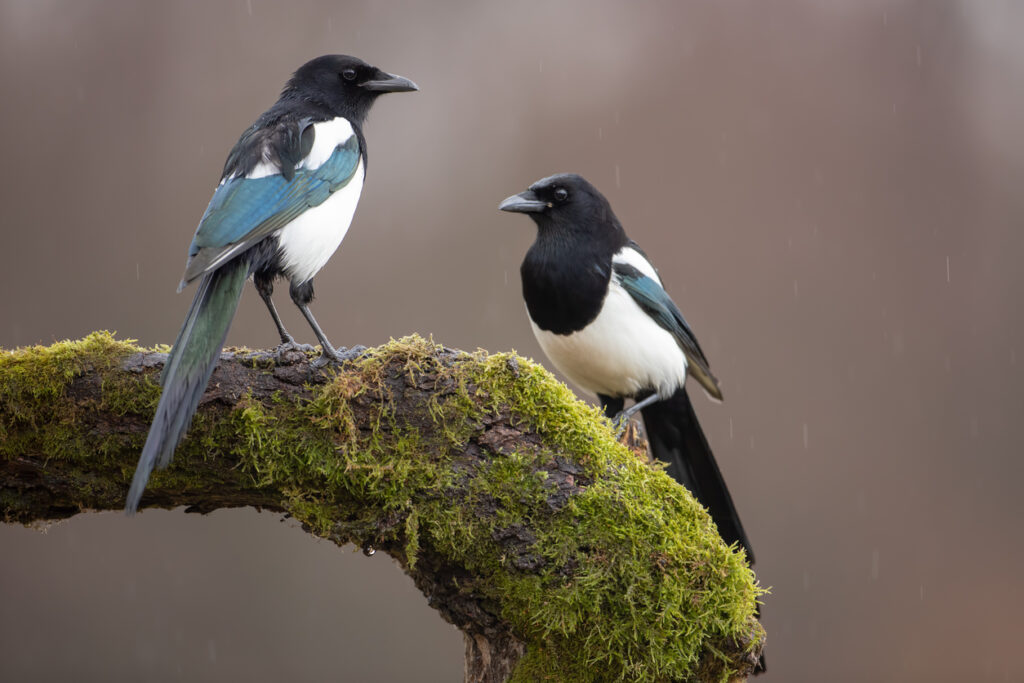
People notice magpies in pairs because they take guarding seriously. One watches the sky while the other checks the ground. It keeps predators from sneaking up on them and gives them better control over their patch. The pair works because both birds see different things. They cover more space together than they ever could alone.
2. Dormice cuddle through cold nights.
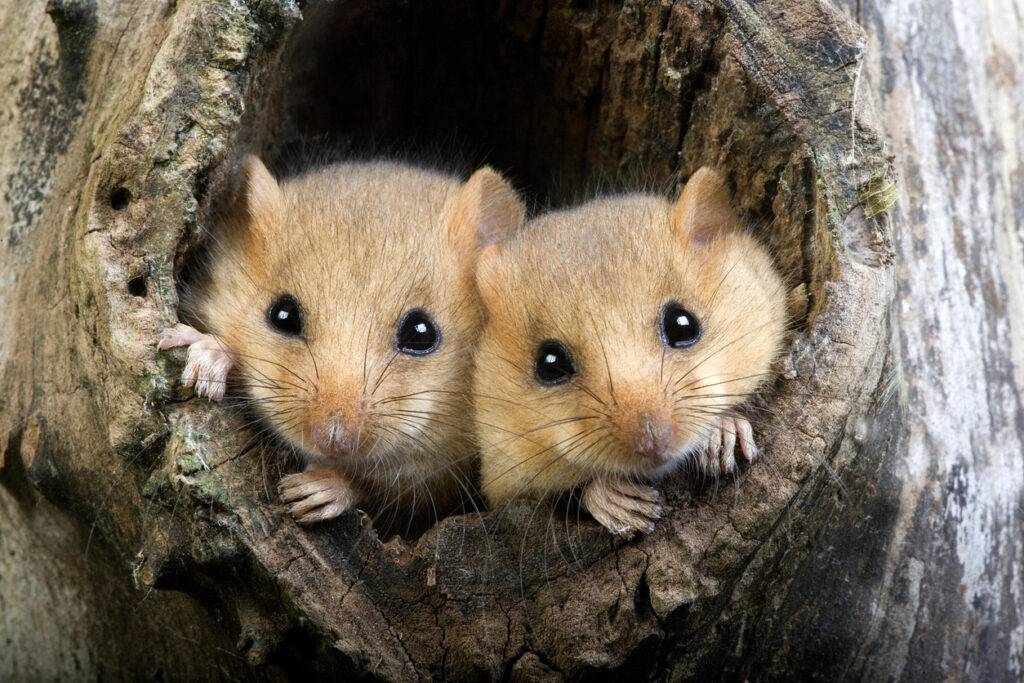
Dormice are tiny and lose heat fast, so pairing up is the easiest way to stay warm. They curl together in nests and sleep through long winter nights with far less effort. The habit is simple survival, not love. Without a partner to share heat with, many would struggle to make it through colder months.
3. Beavers split the heavy lifting.
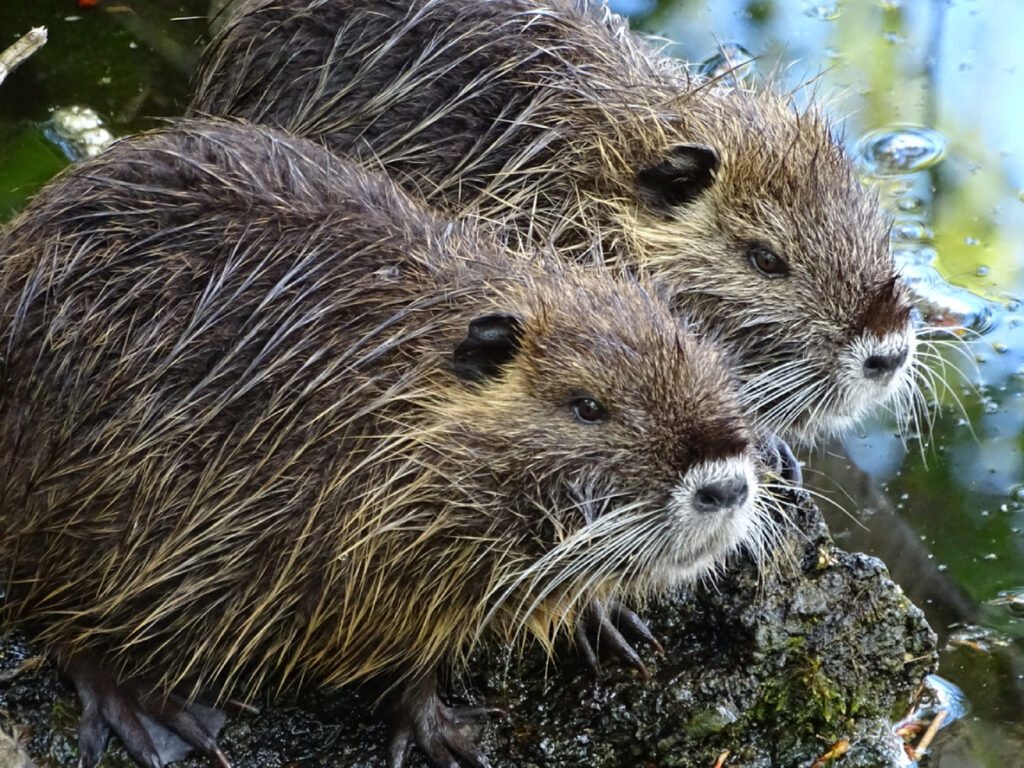
Beavers live in matching lodges because the workload is constant. One gathers branches while the other repairs leaks or piles mud. The projects never stop, so having a partner keeps their homes from falling apart. Their paired life looks peaceful, but it’s mostly a long list of jobs they both know need doing.
4. Jackdaws prefer a familiar face nearby.

Jackdaws rarely wander alone. They like having a trusted bird close because it helps them make quick decisions. If one spots trouble, the other follows without hesitation. The comfort comes from routine. They move better when they do not have to second guess the reactions of the bird beside them.
5. Wolves guide the pack as a matched set.

In wolf packs, one male and one female often take the lead. They keep the group organised during hunts and stop younger wolves from arguing. It gives the pack a clear structure. Their partnership is based on leadership strength rather than sentiment. The pack relies on the balance the pair provides.
6. Penguins share impossible weather jobs.
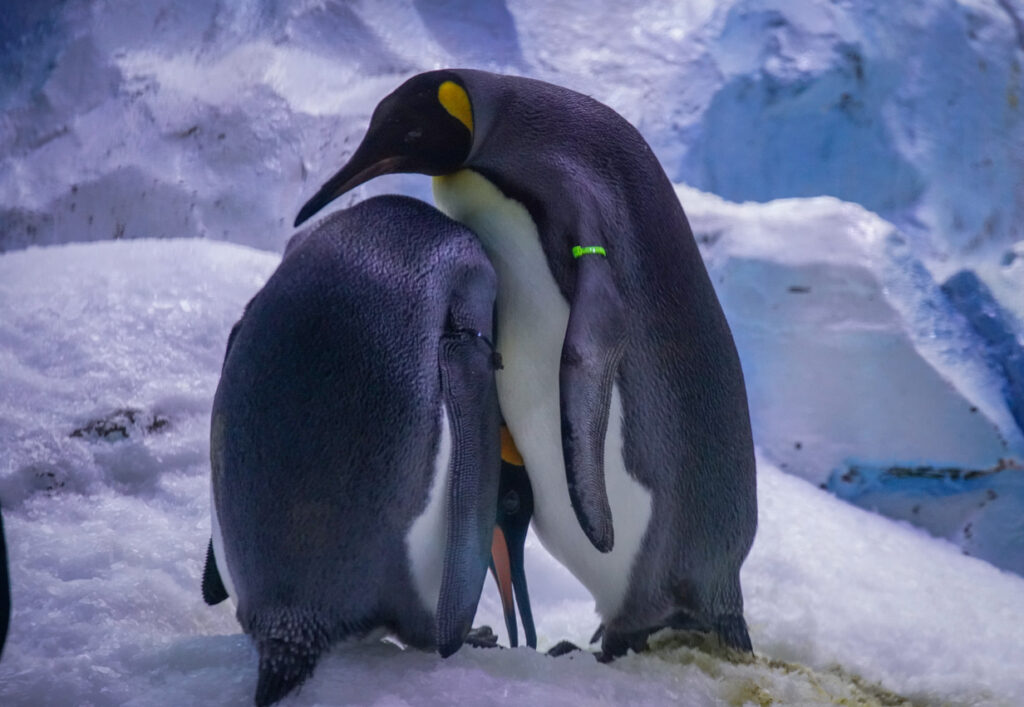
Some penguin species cannot raise chicks without a second adult. One protects the egg from freezing winds while the other searches for food across long distances. The pair survives because they divide responsibilities. Without two adults, the chick simply would not stand a chance.
7. Ravens enjoy solving problems together.
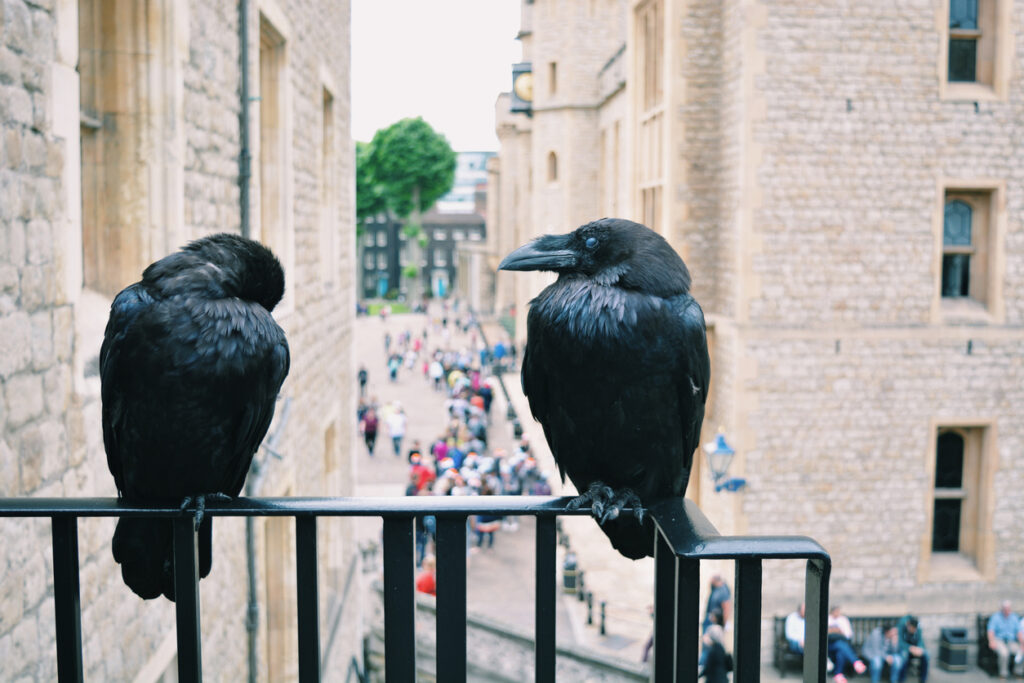
Ravens are intelligent birds that work things out faster in pairs. One tries an idea while the other watches and copies. It helps them open containers, reach food, or handle new objects. This kind of teamwork gives them an advantage over many other birds. Two brains make clever challenges easier to crack.
8. Swans avoid starting over every year.

Swans often stay with the same partner because it saves time. They already know how to raise cygnets together and how to defend their territory. There’s no need to relearn each other’s habits. Their loyalty looks romantic, but it’s mostly a smooth routine that stops them wasting energy on new partnerships every spring.
9. Owls hunt more effectively in pairs.
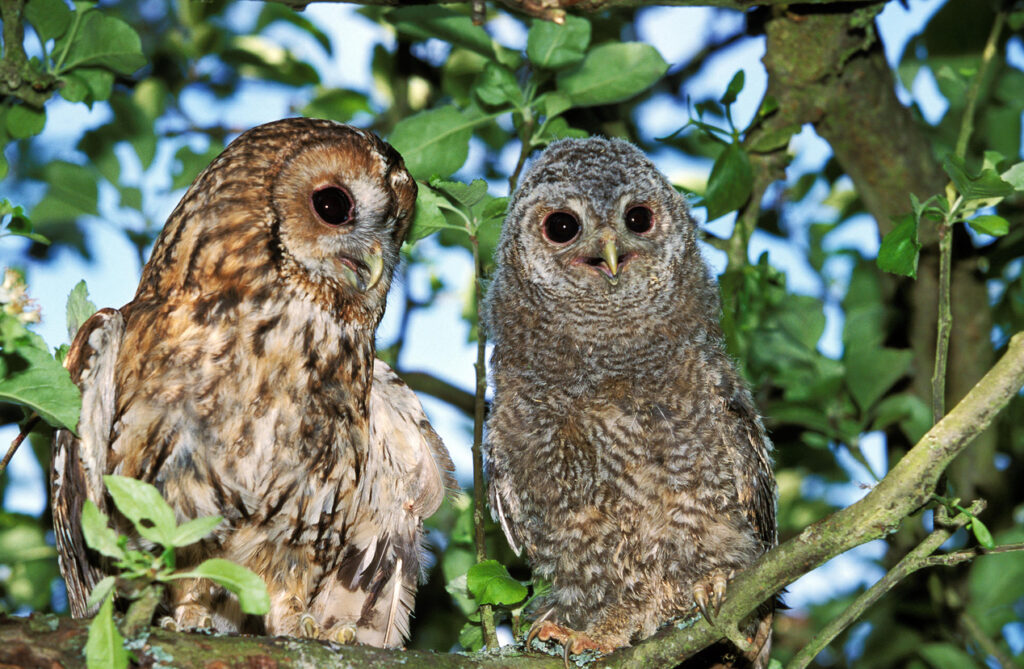
Some owls work in twos by flushing out prey from shrubs or grass. One disturbs the area and the other waits for movement. It increases the success rate of each hunt. The pair works well because they understand the timing needed to catch fast-moving animals. A single owl would need far more energy to get the same results.
10. Egyptian geese run a shared defence zone.
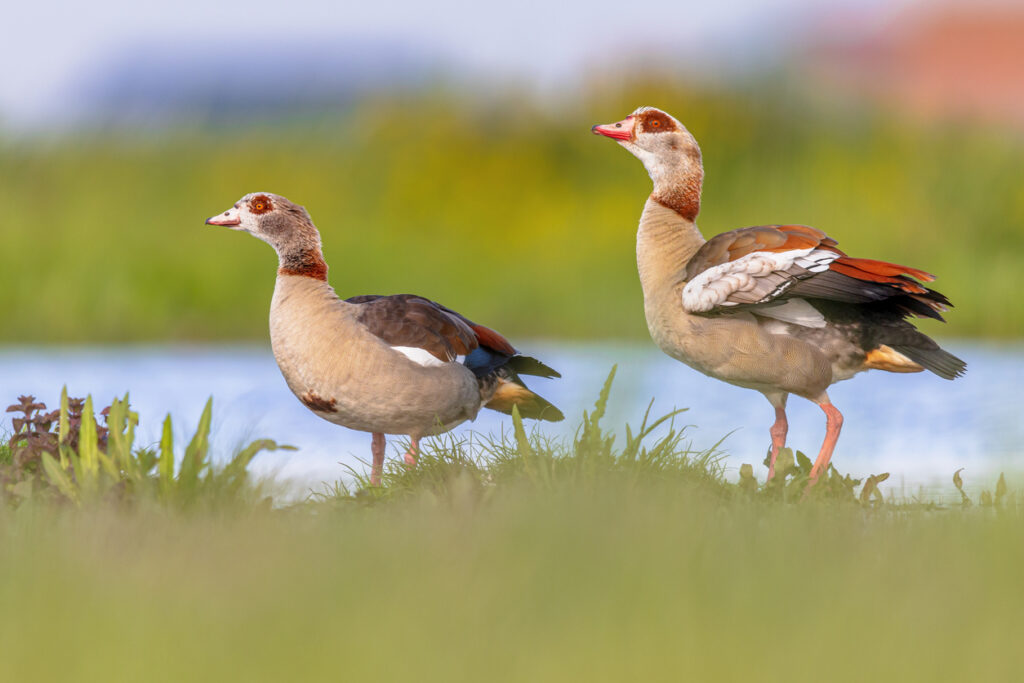
Egyptian geese keep close partners because guarding eggs is demanding. One goose scans the area while the other feeds or rests. The constant swapping keeps both adults alert, and it also reduces mistakes. Predators have a harder time approaching when two adults watch from different angles.
11. Gibbons rely on duet calls.
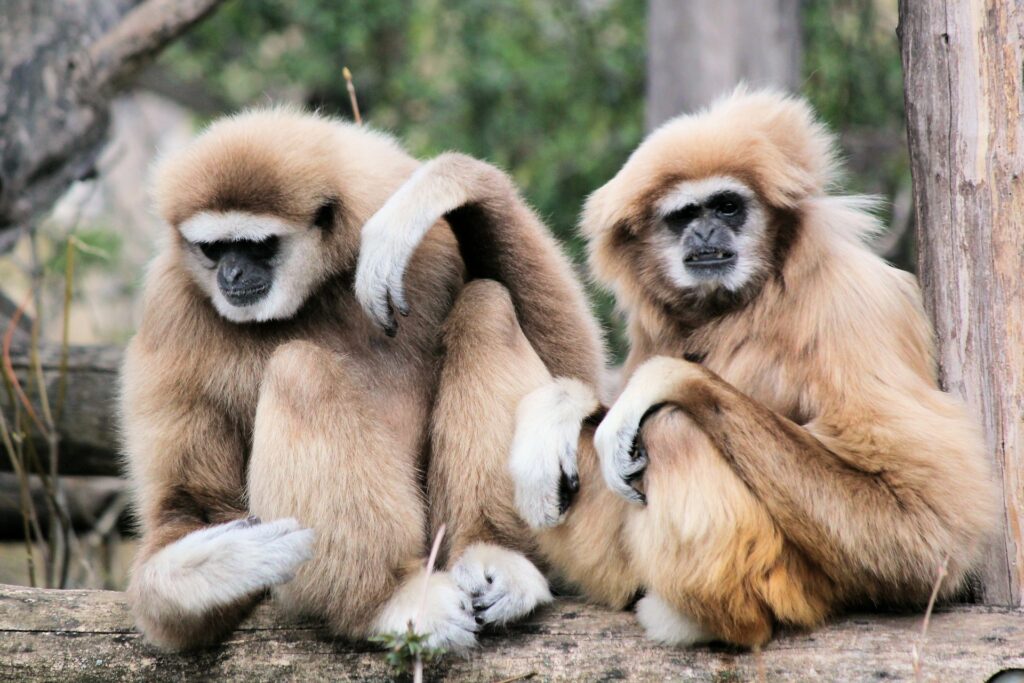
Gibbons live high in the trees and use loud calls to keep other groups away. Pairs sing together in patterns that signal strength and ownership of their area. The calls work better when mixed between two voices. It gives the impression of a confident, stable home that rivals avoid.
12. Prairie voles prefer sharing a nest.
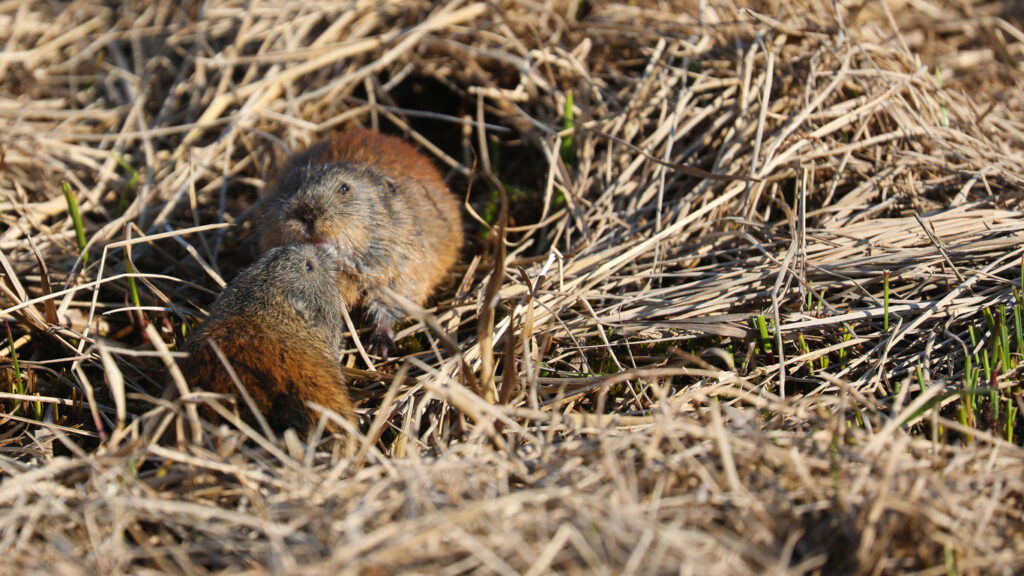
Prairie voles often settle with one partner because sharing a nest saves energy. They move food, raise young and keep their space tidy without needing extra helpers. The arrangement is based on comfort and predictability. Life runs smoother when both adults understand the routine of the nest.
13. Maned wolves keep distance but stay connected.
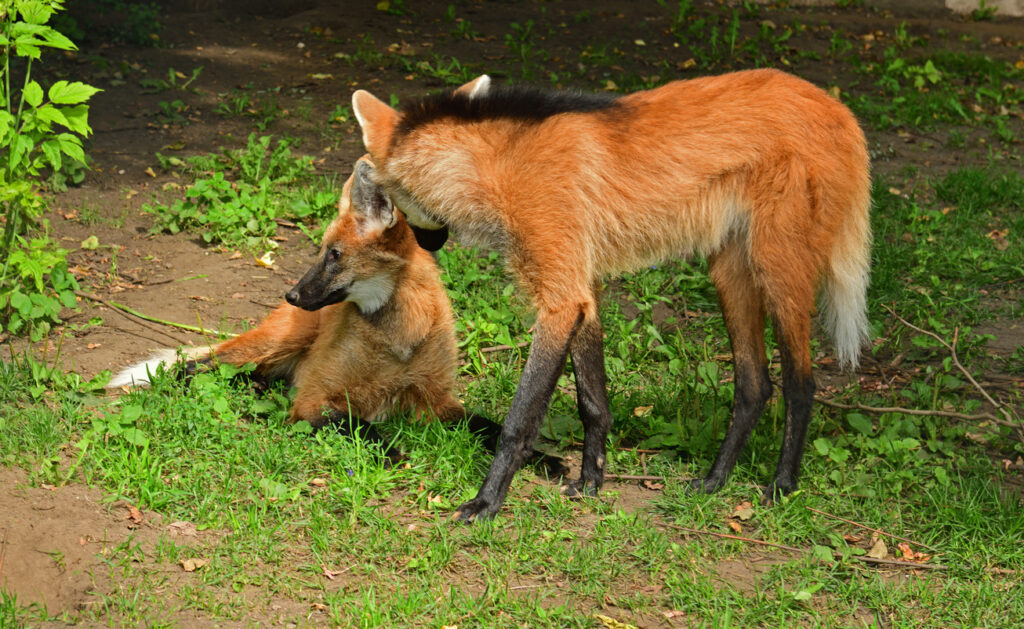
Maned wolves form loose pairs that meet up to check their shared territory. They wander separately most of the time, but return to certain spots to keep track of each other’s movements. Their bond is practical. It stops competition and ensures both animals benefit from the same hunting grounds without constant conflict.