Feeding an older cat isn’t as straightforward as just topping up a bowl and hoping for the best.

As they age, their appetite, energy levels and habits start to change a bit, and the routine that worked five years ago might not suit them anymore. You don’t need to overhaul everything, but a bit of attention to how much they eat and how often can make a real difference to how comfortable they feel day to day.
Most senior cats do best with meals that fit their slower pace and their changing bodies, and once you understand what they need, the whole thing becomes much easier. Here’s what to keep in mind when you’re working out the right feeding routine for an older cat.
Feed small meals more often.
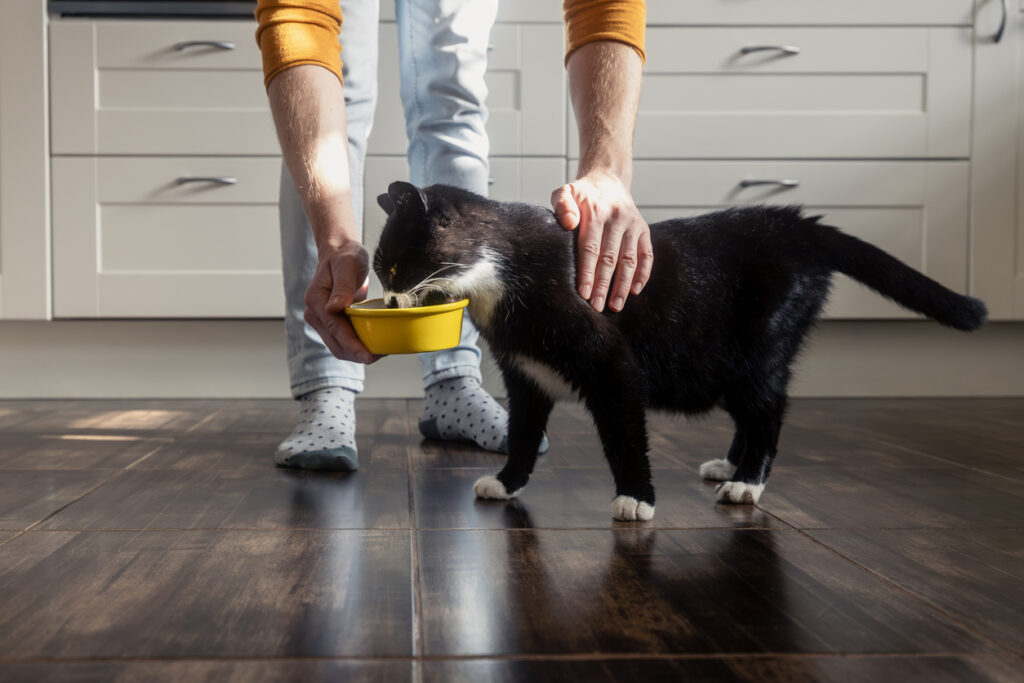
Senior cats usually digest food better when they eat smaller portions through the day rather than one big meal. Their stomachs cope more comfortably with gentle, steady feeding. This also keeps their energy more balanced. Two to three meals a day works well for most older cats, and some benefit from four smaller ones. It stops hunger spikes and makes them feel more settled.
Follow the guideline on the food packet as a starting point.
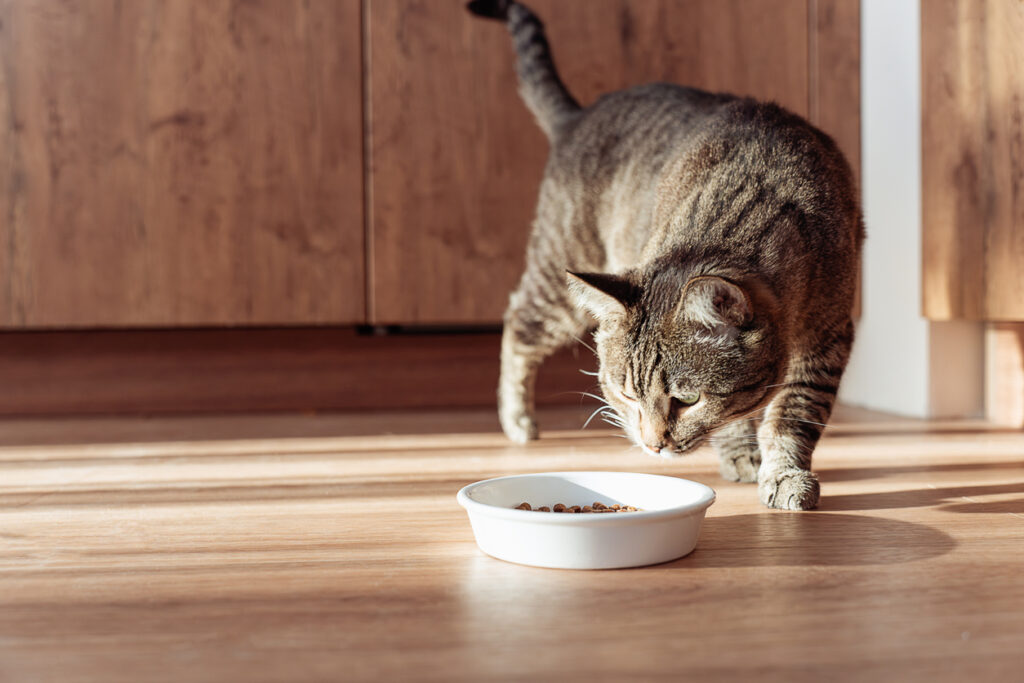
Cat food brands give portion suggestions based on age and weight, which helps you know the basic amount. These guidelines are not perfect, but they give you a simple place to begin. You can adjust the amount once you see how your cat responds. Some older cats need more, and some need less. Their behaviour, weight, and appetite help you understand whether you are feeding the right amount.
Adjust portions based on weight changes.
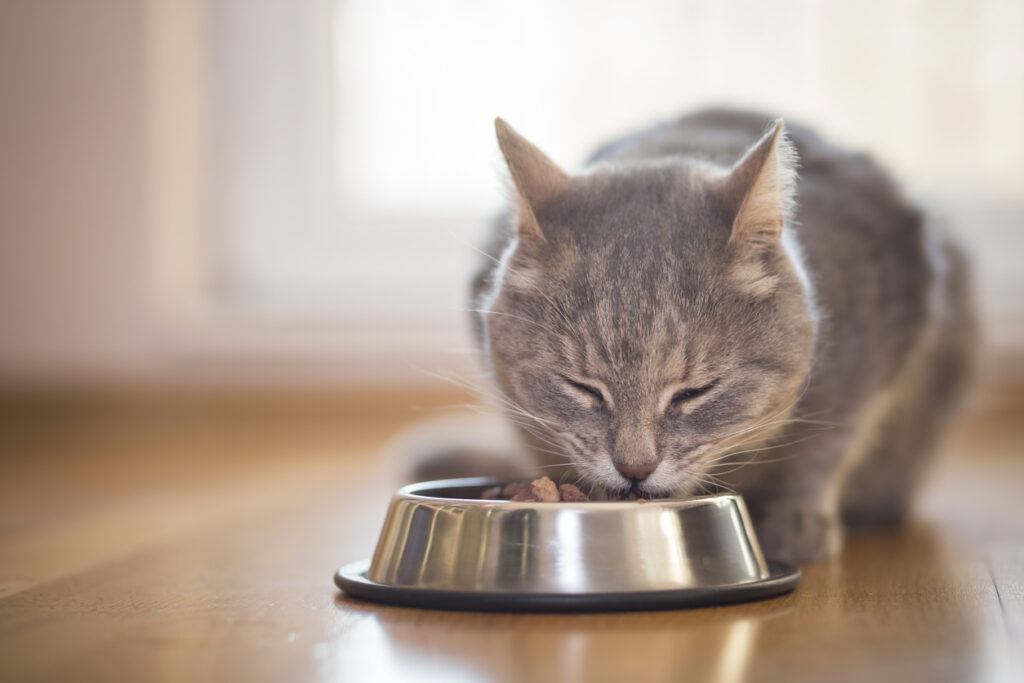
If your senior cat is losing weight, they may need slightly larger meals or a food with higher calories. If they are gaining weight, their portions might be a bit too big. Senior cats change shape quickly, so keep an eye on them over time. Small adjustments make a big difference. The goal is to keep them at a healthy, steady weight without big ups and downs.
Choose food designed for senior cats.
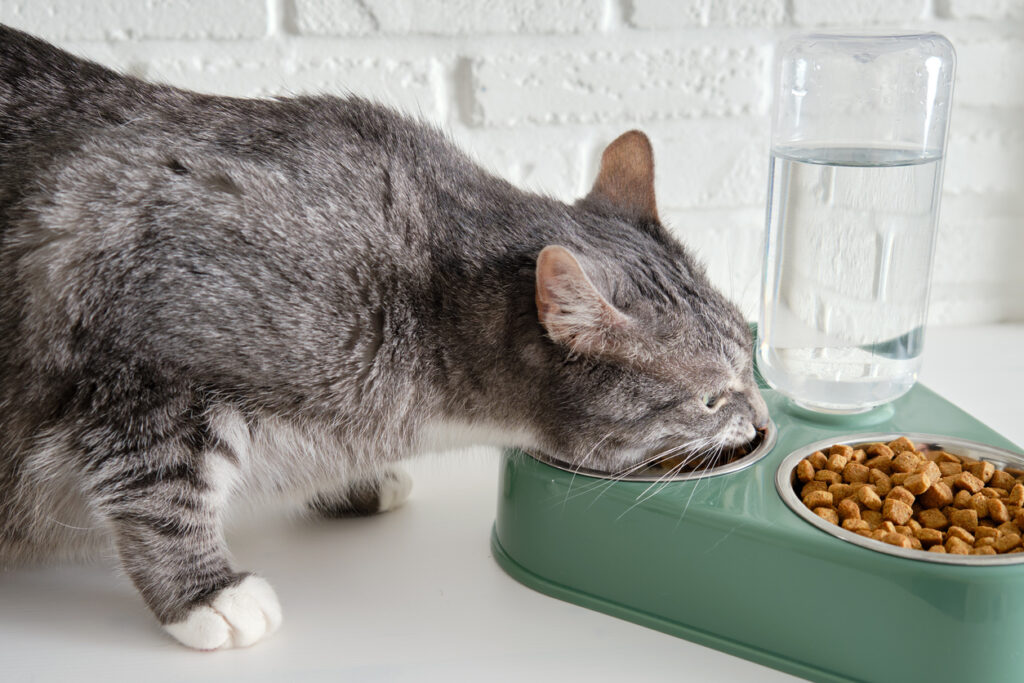
Senior cat food is easier to digest and often has a mix of ingredients that support joints and overall health. The pieces are sometimes softer or more gentle on their teeth. This makes mealtimes more comfortable for your older cat. It also includes the right balance of nutrients that older bodies need. It keeps them fuller for longer without putting stress on their system.
Offer a mix of wet and dry food if they enjoy both.

Wet food keeps cats hydrated, and dry food helps keep their teeth active. Many older cats like both, and mixing them gives them more variety. Variety helps them keep a healthy appetite. You can feed wet food at set mealtimes and leave dry food out for grazing. Just watch the overall amount so they do not overeat.
Make meals softer if they have dental problems.

Older cats often have sensitive teeth, so hard food can be uncomfortable. Adding warm water to dry food or choosing soft wet meals makes eating easier. This helps them enjoy food without pain. Softening the food also helps with digestion. Cats eat more happily when the food feels gentle on their mouth.
Warm the food slightly to make it more appealing.
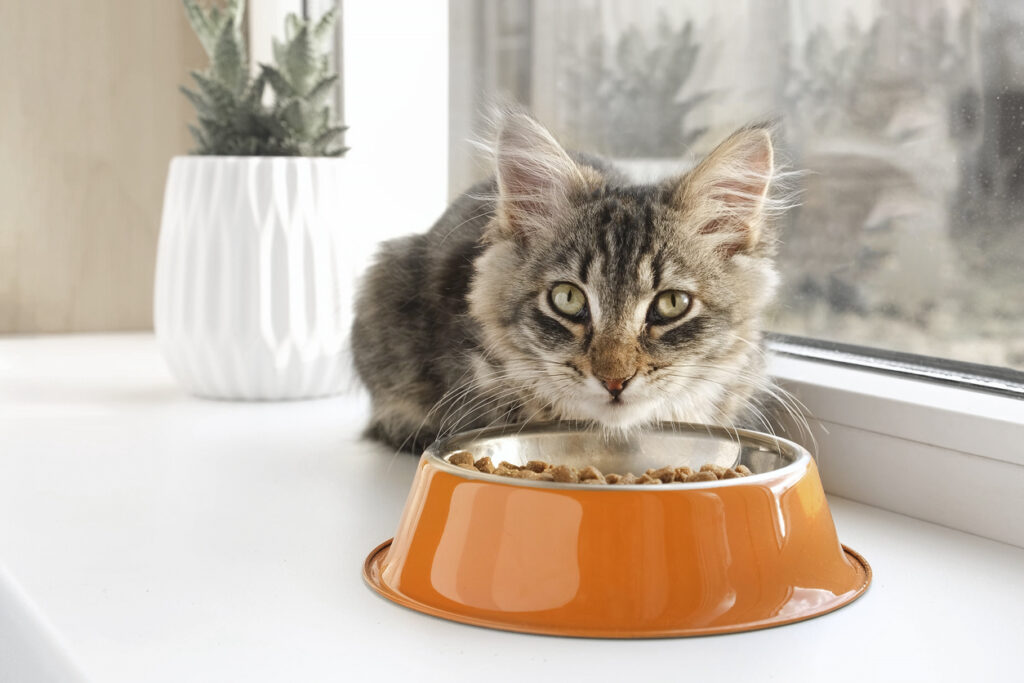
Senior cats sometimes lose interest in food because their sense of smell weakens. Warming their food a little can bring out the scent and make it more tempting. This small trick encourages them to eat better, and it’s extra useful for cats who have become fussy. A gentle warmth can spark their appetite again.
Split meals if they have a smaller appetite.
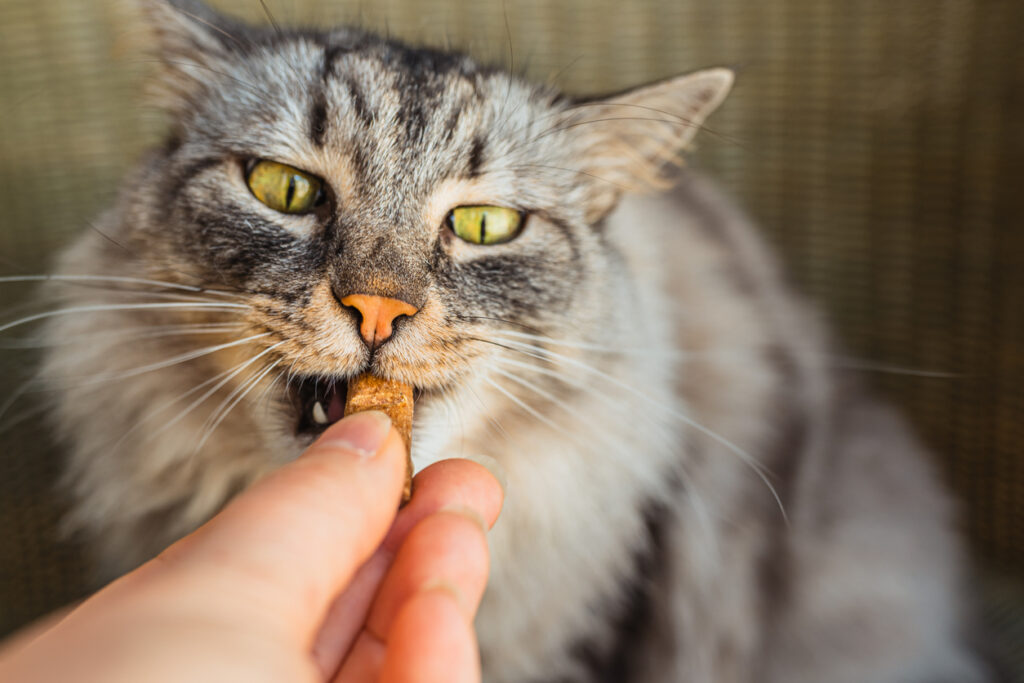
Older cats often eat slower and get full quicker. Dividing their meals into smaller portions helps them finish their food without feeling overwhelmed. It also stops waste because you only serve what they can manage. The result? It’s kind on their stomach and keeps them eating regularly throughout the day.
Watch for changes in appetite.
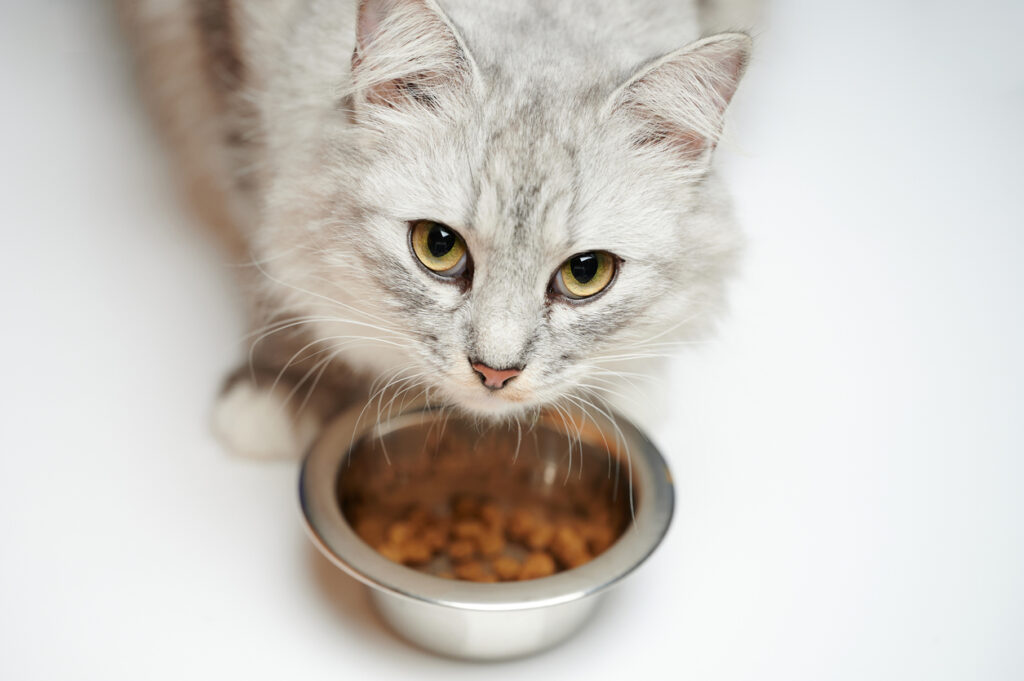
If your cat suddenly eats more or less than usual, it may be a sign they need extra attention. Senior cats often show small changes before bigger problems appear. Keeping track helps you catch changes early. Sometimes a simple routine tweak fixes the issue. Other times, it shows you they might need a check-up. Either way, noticing early helps them stay comfortable.
Keep fresh water available everywhere.
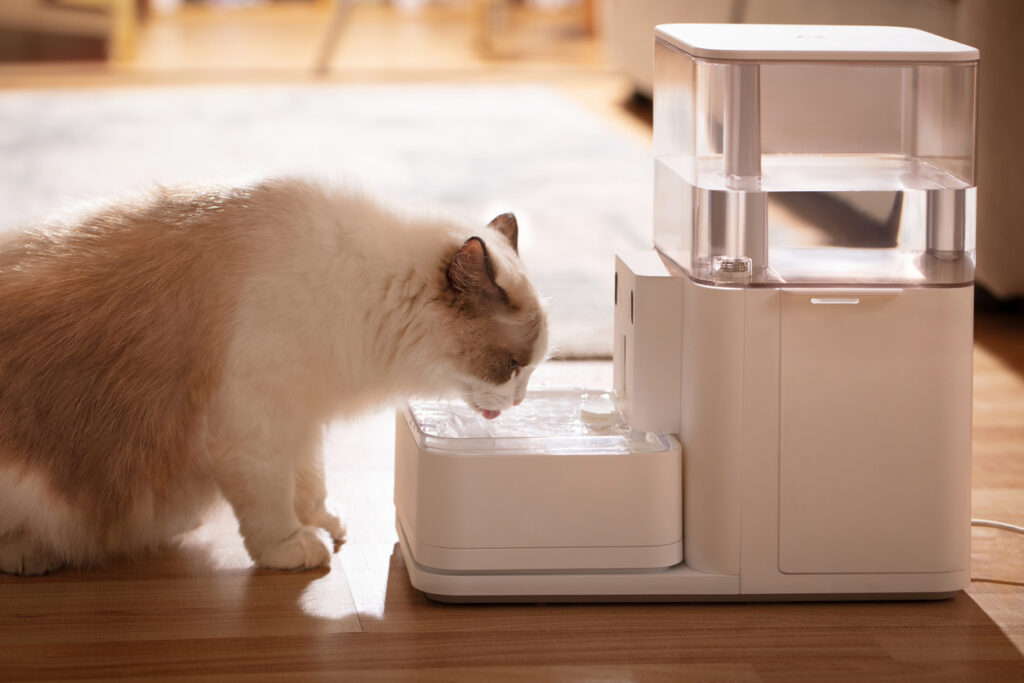
Older cats are more prone to dehydration, especially if they eat lots of dry food. Having water bowls in a few rooms encourages them to drink more often. It also stops them having to travel far if their joints are stiff. Drinking regularly supports digestion and overall health. It helps them feel better throughout the day.
Feed at the same times daily.
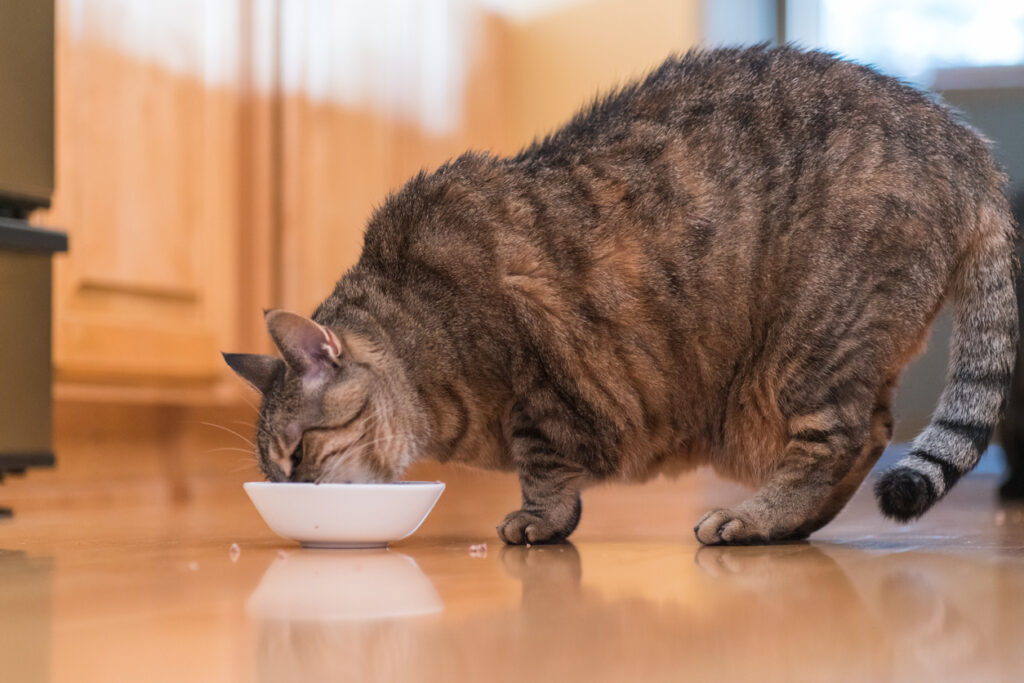
Senior cats feel safer with routine. Feeding at the same times each day gives them predictability and reduces stress. They know when food is coming, so they do not worry or overeat out of anxiety. A steady routine also helps you track changes in appetite because you know exactly what is normal for them.
Keep meals calm and comfortable.
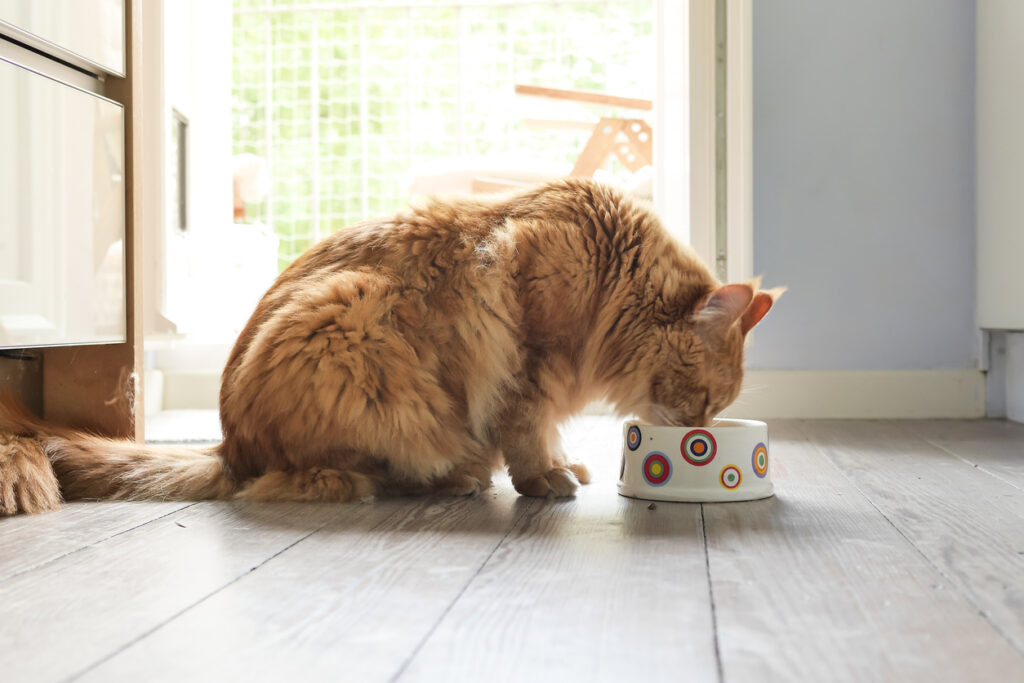
Older cats can get nervous or distracted easily, so a noisy room makes eating harder. Giving them a quiet spot to enjoy their meals helps them relax. This leads to better eating and less fussiness. Comfort matters more as cats age. When mealtimes feel peaceful, they eat with more confidence and feel more content.