Winter in Britain hits wildlife harder than most people realise, but many creatures have clever ways of getting through it.
Some slow right down, some disappear from sight, and some pull off tricks you’d never expect from something so small. Once you know what they’re actually doing to survive the cold, you start noticing things you’ve probably walked past for years.
These winter habits aren’t always visible to us humans, but they show just how inventive wildlife can be when the temperature drops. From insects hiding in plain view to mammals quietly changing their routines, there’s a lot going on out there. Here are some of the creatures with winter tricks that might surprise you.
1. Hedgehogs hibernate in garden log piles.

Hedgehogs curl up in nests made from leaves, grass and dry sticks. They choose quiet corners like log piles, compost heaps or thick hedges because these spots stay warmer. Their body temperature drops while they sleep, helping them save energy until spring returns. Keeping part of your garden a bit wild gives them shelter. A simple log pile can be the difference between a hedgehog surviving winter or struggling through it.
2. Bumblebees that bury themselves underground.
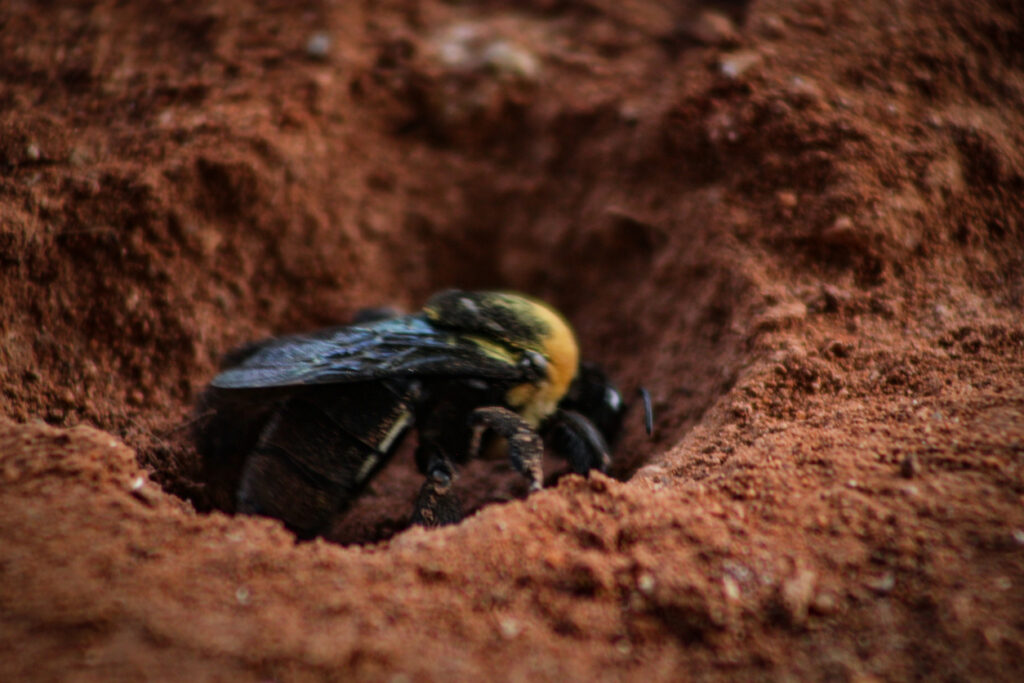
Mated queen bumblebees dig tiny holes in loose soil where they hide for months. Their body slows right down, letting them survive freezing temperatures. When the weather warms, they crawl out and start new colonies. Leaving small patches of bare ground in gardens helps them find safe places. Even a quiet corner can support dozens of future bees.
3. Ladybirds huddle together for warmth.
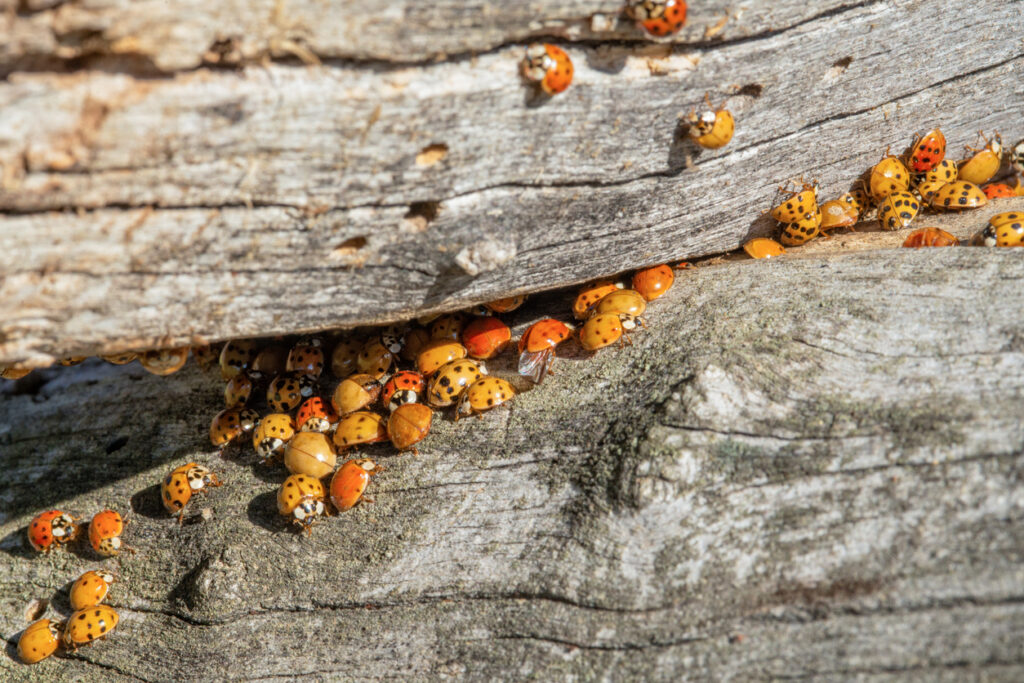
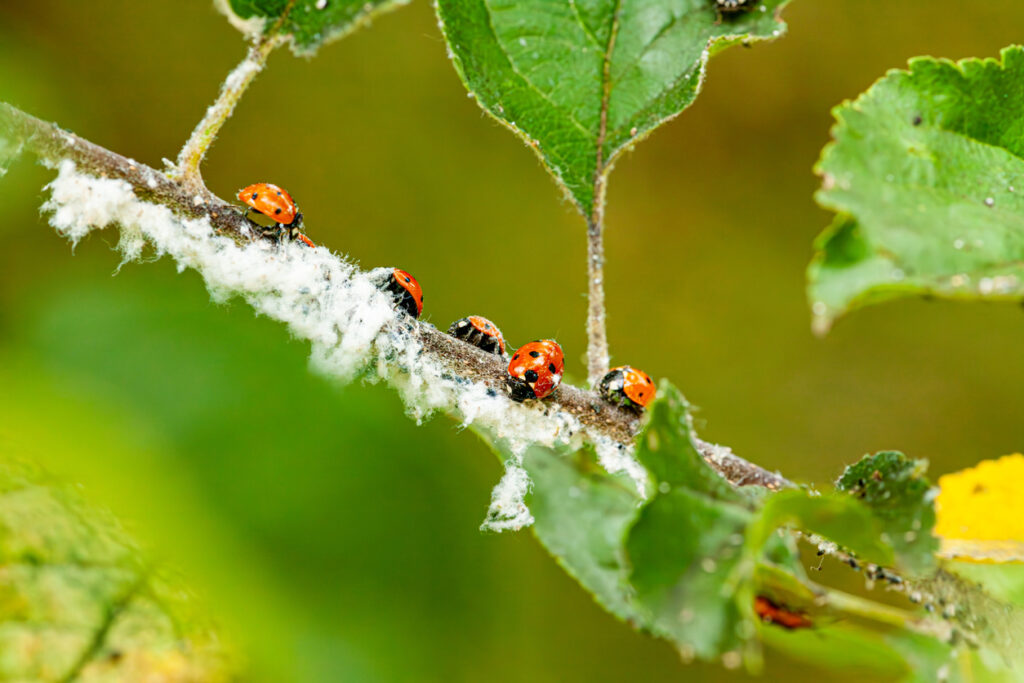
Ladybirds gather in large clusters inside sheds, windowsills, and cracks in walls. Their groups trap heat, keeping each insect warm enough to survive the cold. The bright colours help them spot each other when temperatures drop. Seeing a pile of ladybirds might look odd, but it is one of the smartest winter survival tricks in Britain’s insect world.
4. Frogs hide at the bottom of ponds.
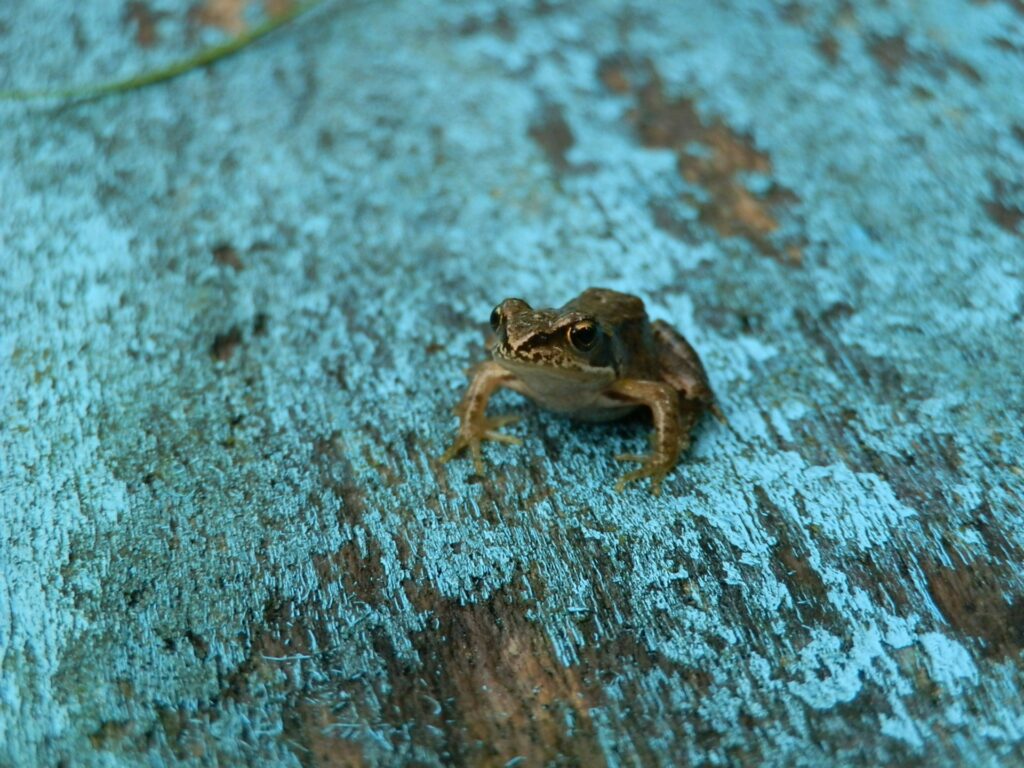
Common frogs spend winter resting at the bottom of ponds where the water stays warmer than the air. Their bodies slow down, and they take in oxygen through their skin while they remain still. They rely on clean ponds with plenty of plant cover. A frozen pond surface is no problem as long as the water below stays oxygen rich.
5. Foxes grow thicker coats.
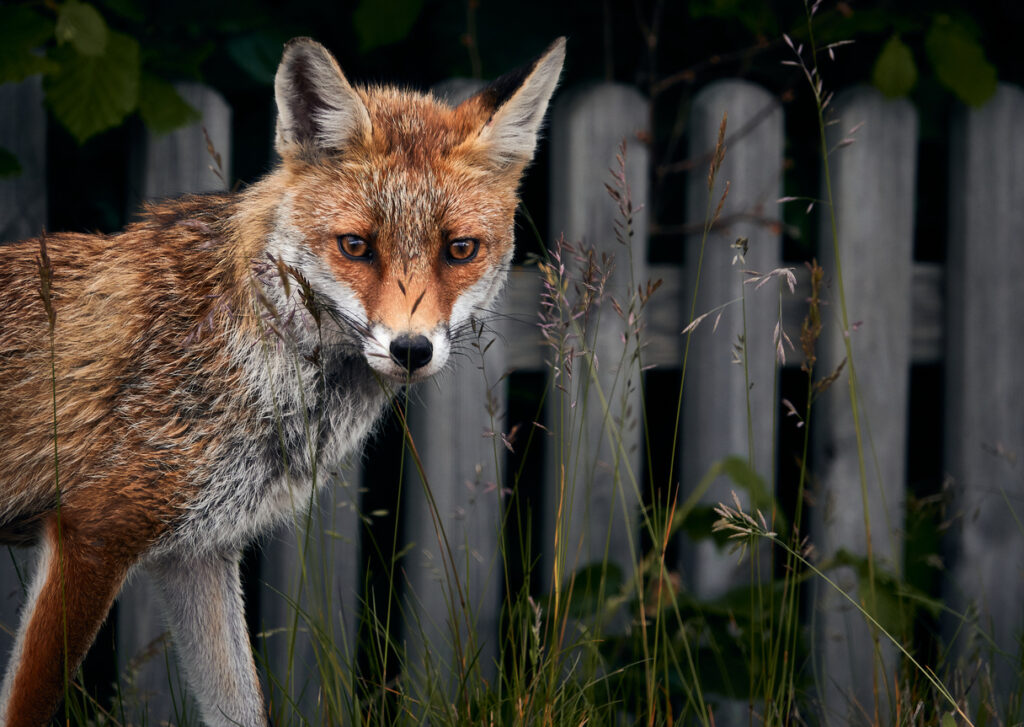
Red foxes develop dense winter fur that traps heat close to their skin. Their tails also act as built in blankets they wrap around themselves when resting. This helps them stay warm even during frost and snow. Their winter coats are so effective that they remain active hunters all season, rarely needing shelter for long periods.
6. Butterflies often hide in sheds and garages.
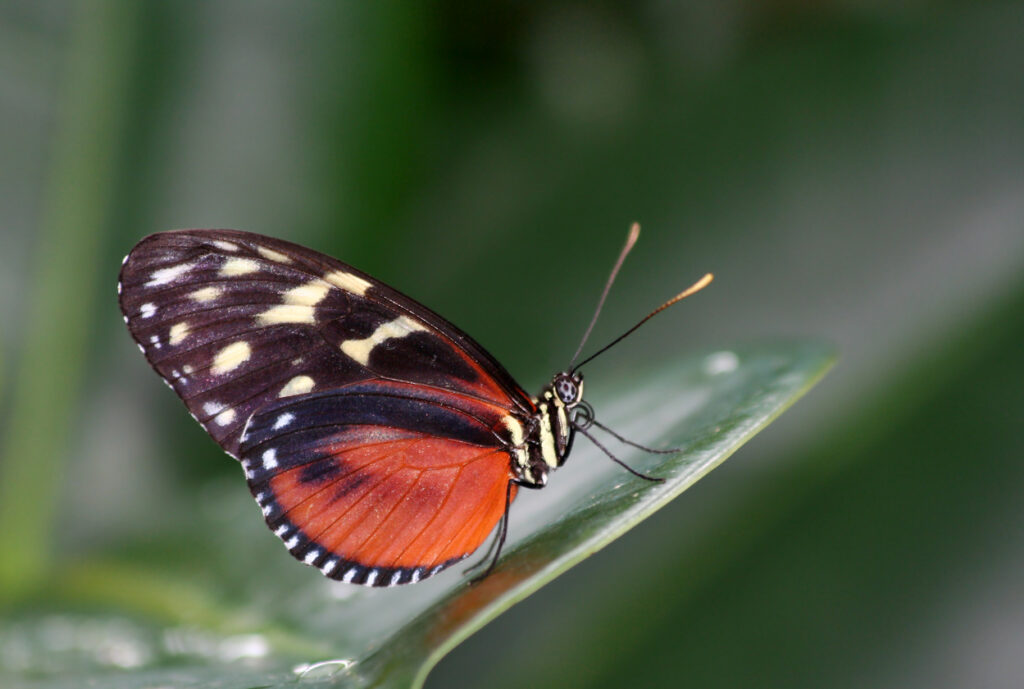
Some butterflies, like the small tortoiseshell and peacock, overwinter as adults. They tuck themselves into sheds, lofts and quiet corners where temperatures stay cool but not freezing. Their bodies slow down in a state similar to sleep, and this trick lets them wake early in spring, long before other insects appear. It also helps them avoid predators that hunt during winter.
7. Grey squirrels rely on hidden food stores.
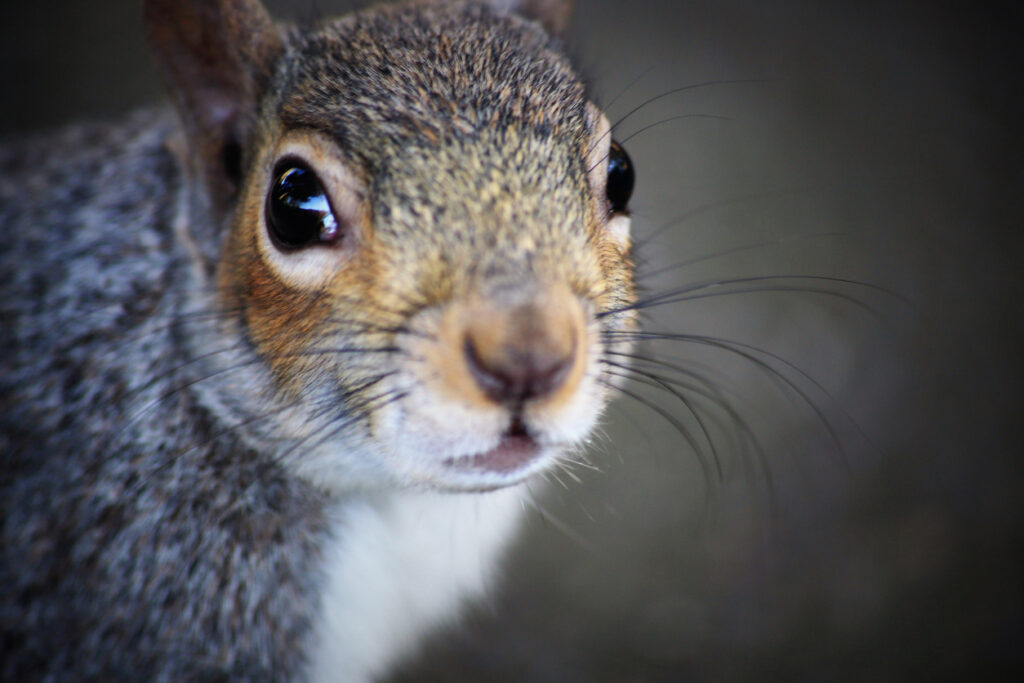
Squirrels bury nuts and seeds throughout autumn and rely on these hidden snacks in winter. They remember many of their cache locations, which keeps them fed during cold spells when food is scarce. This behaviour also helps forests grow, especially because forgotten nuts often sprout into new trees when spring arrives.
8. Dormice sleep through the entire winter.
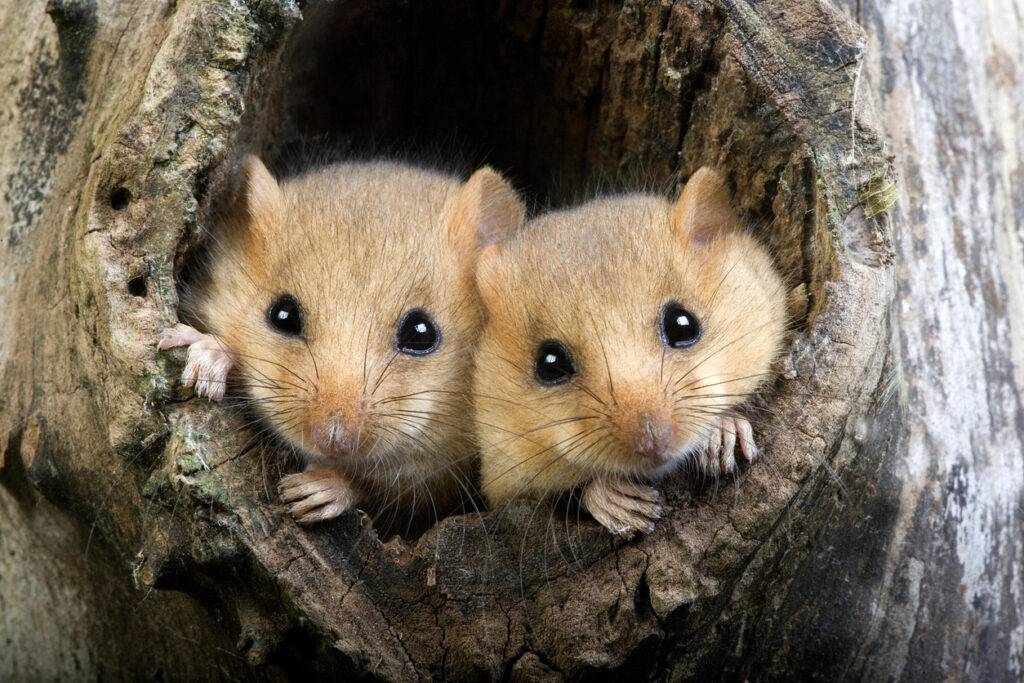
Dormice drop into deep hibernation when temperatures fall. Their body slows dramatically, and they survive on fat stored from summer and autumn. They choose warm, hidden spots like tree roots or leaf piles, and enjoying such a long sleep helps them avoid winter dangers and saves huge amounts of energy. They usually don’t wake until April or even May, which is pretty impressive.
9. Wrens sleep together in tight groups.
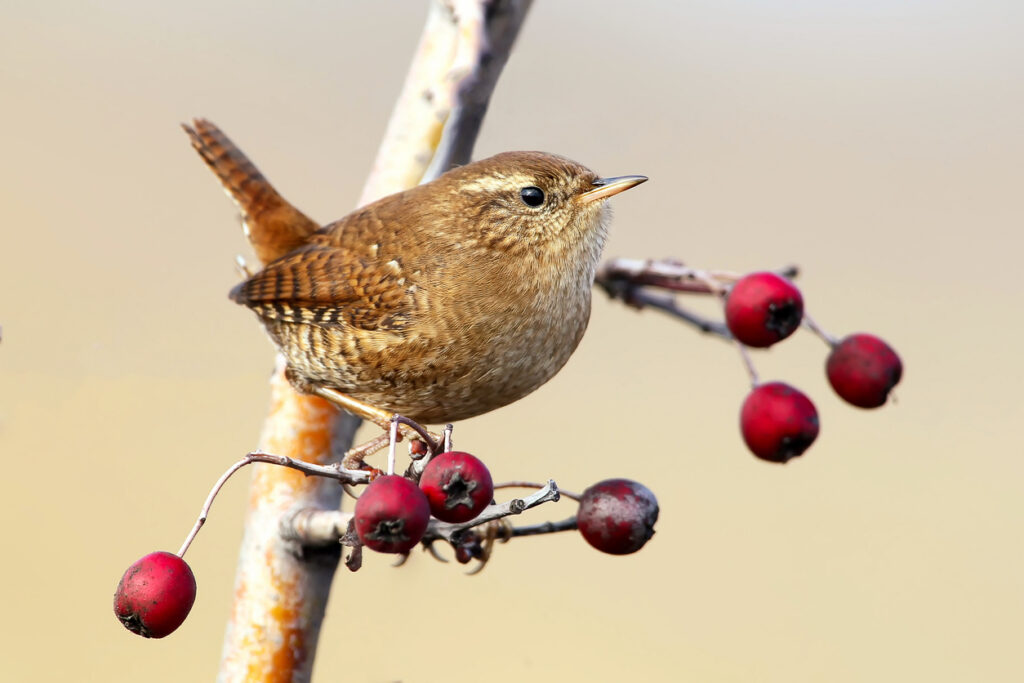
Wrens gather in sheltered spots like nest boxes and ivy-covered walls. They huddle close to share body heat, sometimes with a dozen birds squeezed into one space. This raises the temperature enough to survive freezing nights. Their tiny size makes them vulnerable to the cold, so this teamwork is essential for their survival.
10. Earthworms dig deeper into the soil.

As the ground cools, earthworms move further down into the soil, where temperatures stay steady. They slow their activity and wait for warmer weather before returning closer to the surface. Their underground escape protects them from frost and keeps the soil healthy through winter as they continue to break down organic matter.
11. Newts shelter in compost heaps.
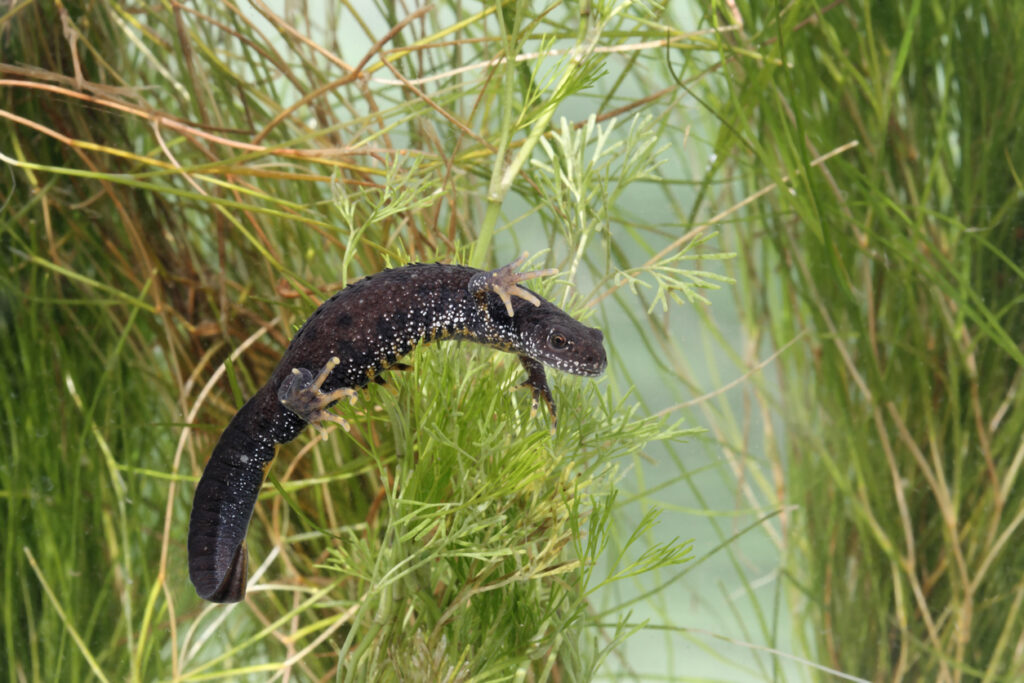
Newts search for warm, damp hiding places like compost heaps, rock crevices or piles of leaves. These spots stay surprisingly warm because decomposing materials create gentle heat. Having that safe shelter keeps their bodies from freezing and provides a steady temperature until spring wakes them up again.
12. Badgers change their routines to save energy.
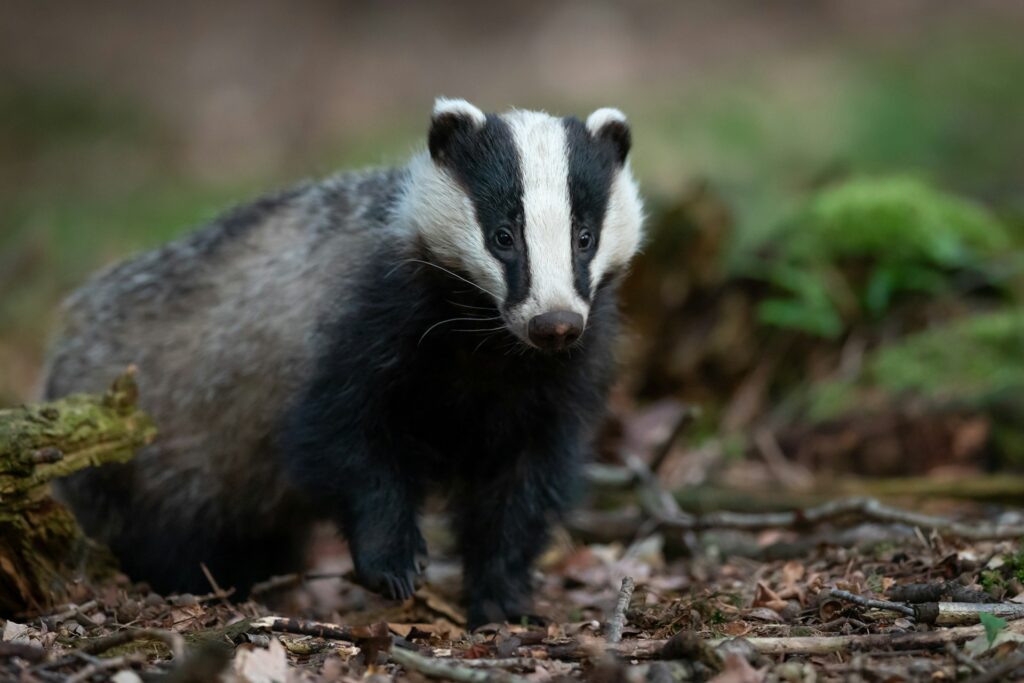
Badgers do not hibernate, but they slow down during winter. They rest more, stay in their setts longer and venture out only when they know food is available. This helps them hold on to body heat and energy. The thicker winter fur they grow gives them extra protection, making cold nights easier to handle when they do leave their burrows.