Gardens can feel like a private patch where you set things up however you like, but the rules around what you leave lying about are actually pretty strict.
Councils take certain items seriously, especially when they create hazards, attract pests or spill into shared spaces. Most people don’t think twice about what’s tucked behind a shed or resting near the fence, which is why the surprise comes when a warning or fine lands on the doorstep.
The problem that these rules aren’t obvious, and some of them catch people out even when they’re trying to keep their garden tidy. What seems harmless to you might raise concerns for people living nearby or create a problem the council can’t ignore. Knowing what’s on the list can save you stress, money, and a fair bit of back-and-forth later, and it gives you a clearer idea of what’s allowed before small issues turn into something bigger.
1. Old furniture and rubbish in your front garden
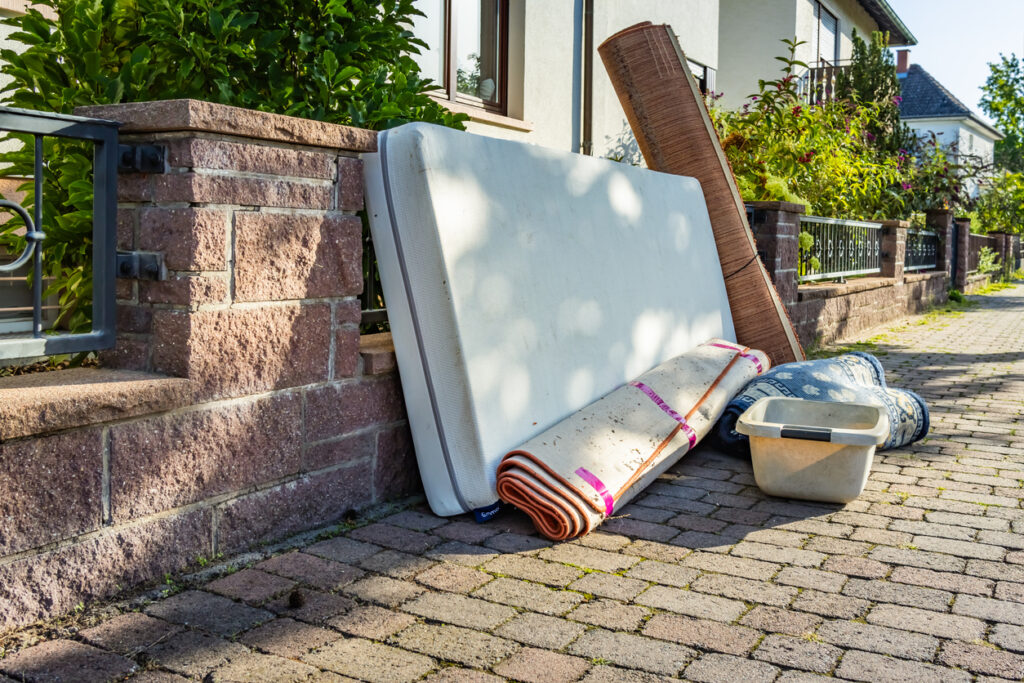
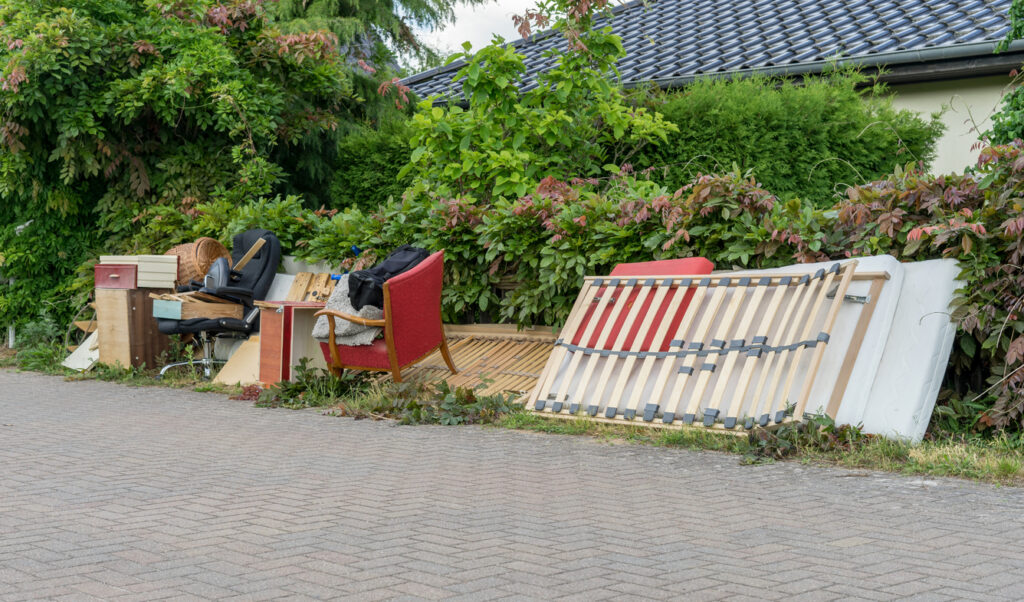
You know that broken sofa you’ve been meaning to take to the tip? Leaving it in your front garden isn’t just an eyesore. Councils across the UK are cracking down on untidy front gardens, and if your outdoor space is full of waste or bulky items, you could receive a community protection notice.
Ignore the notice, and you’re looking at fixed penalty fines of up to £100, with prosecution potentially leading to fines of £2,500. Some councils have even fined residents over £1,000 for persistently messy gardens.
2. Japanese knotweed that spreads to neighbours

Having Japanese knotweed in your garden isn’t actually illegal. The problems start when you let it spread beyond your boundaries. This aggressive plant can grow up to 10 cm a day, and its underground root system doesn’t care about property lines.
Allow it to spread into a neighbour’s garden or into the wild, and you could face fines of up to £5,000 or even two years in prison under the Wildlife and Countryside Act. Disposing of it incorrectly brings unlimited fines under the Environmental Protection Act.
3. Bright security lights that disturb neighbours
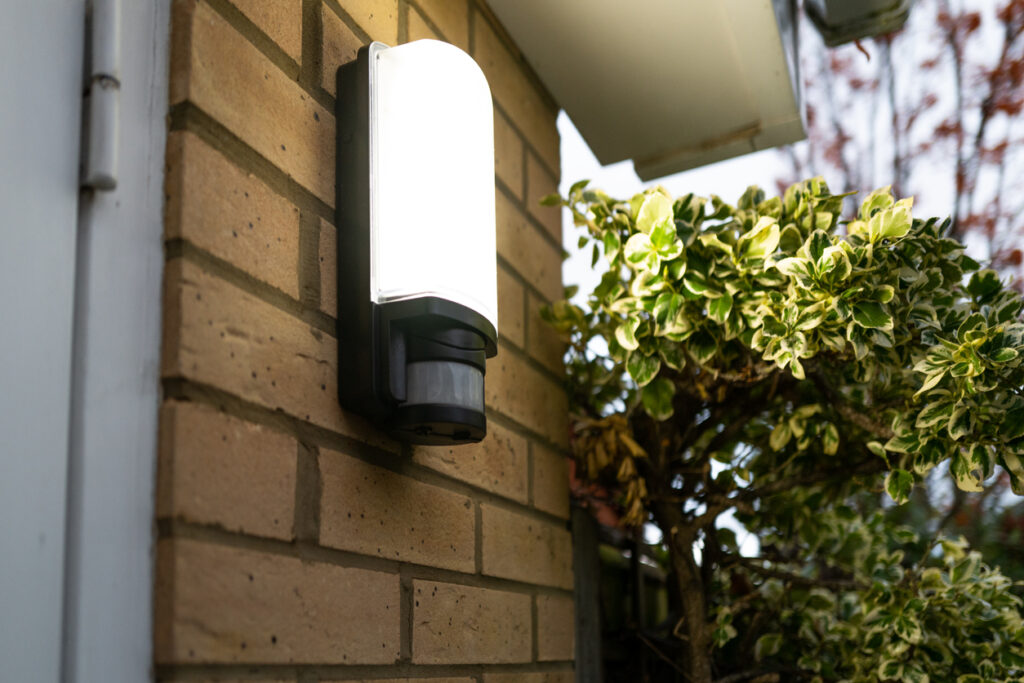
Those powerful security lights might make you feel safer, but if they’re shining into your neighbour’s bedroom window, you could be in trouble. Since 2006, artificial light has been recognised as a potential statutory nuisance under the Environmental Protection Act.
If your council investigates and agrees the light is causing a nuisance, they’ll serve an abatement notice. Ignore it, and you’re looking at fines of up to £5,000 for domestic premises or £20,000 for commercial properties.
4. A hosepipe during water restrictions

When drought conditions hit, water companies can impose temporary use bans. During a hosepipe ban, you can’t use a hose to water your lawn, fill a paddling pool, or wash your car at home.
Breaking these restrictions is a criminal offence under the Flood and Water Management Act. Continued violations can result in fines of up to £1,000. Several UK regions have active bans right now following the driest spring in over a century.
5. Active bird nests that you disturb
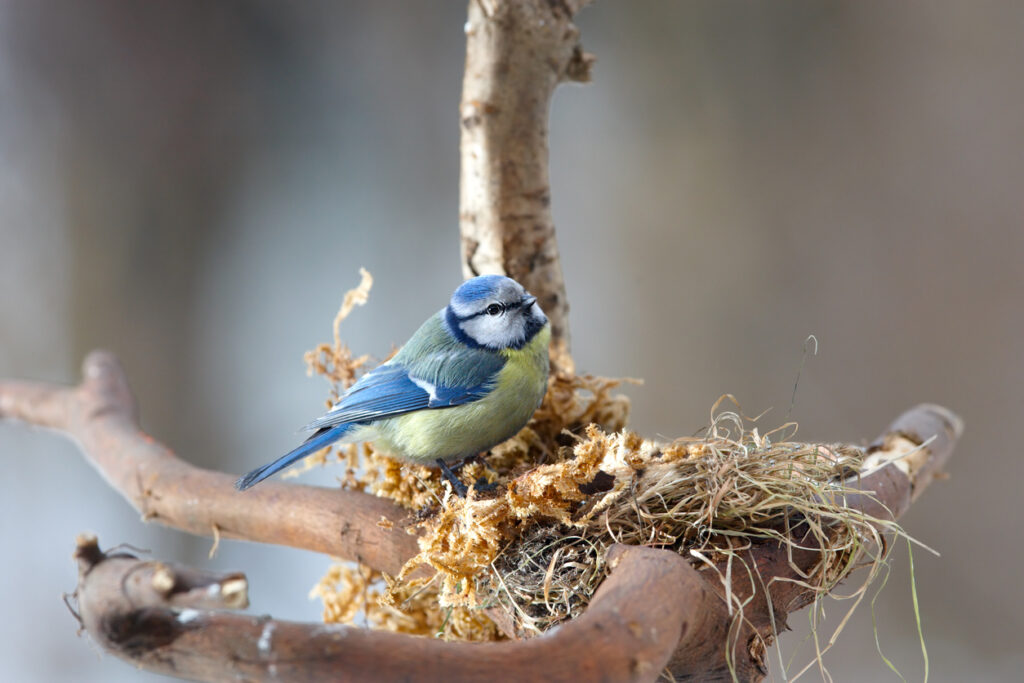
Planning some hedge trimming or tree work? Check for nesting birds first. Under the Wildlife and Countryside Act 1981, it’s illegal to intentionally take, damage, or destroy the nest of any wild bird while it’s in use or being built.
The penalties are serious. You could face up to six months in prison and an unlimited fine for each bird, nest, or egg affected. The nesting season typically runs from March to August, though some species nest earlier.
6. A fence that’s too tall
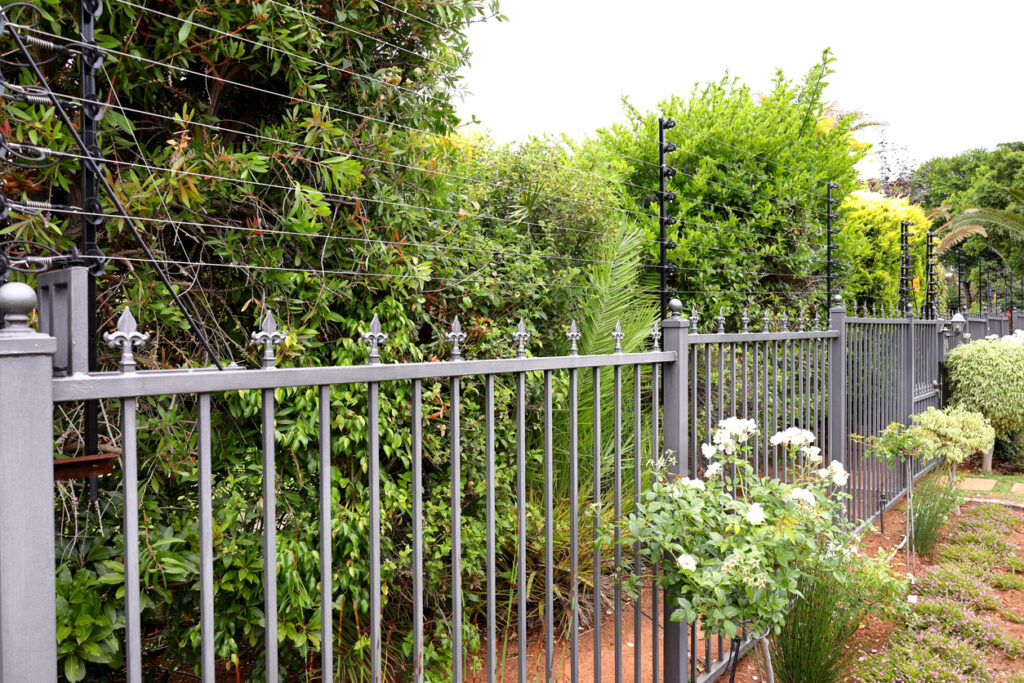
Want more privacy from the neighbours? There are strict limits. In your back garden, fences can be a maximum of 2 metres without planning permission. For front gardens or anywhere next to a road, that drops to just 1 metre.
Build higher without permission and your council can issue an enforcement notice requiring you to lower or remove it. Fines can reach £2,500 for initial offences, rising to £20,000 for repeat violations.
7. A trampoline that invades neighbours’ privacy
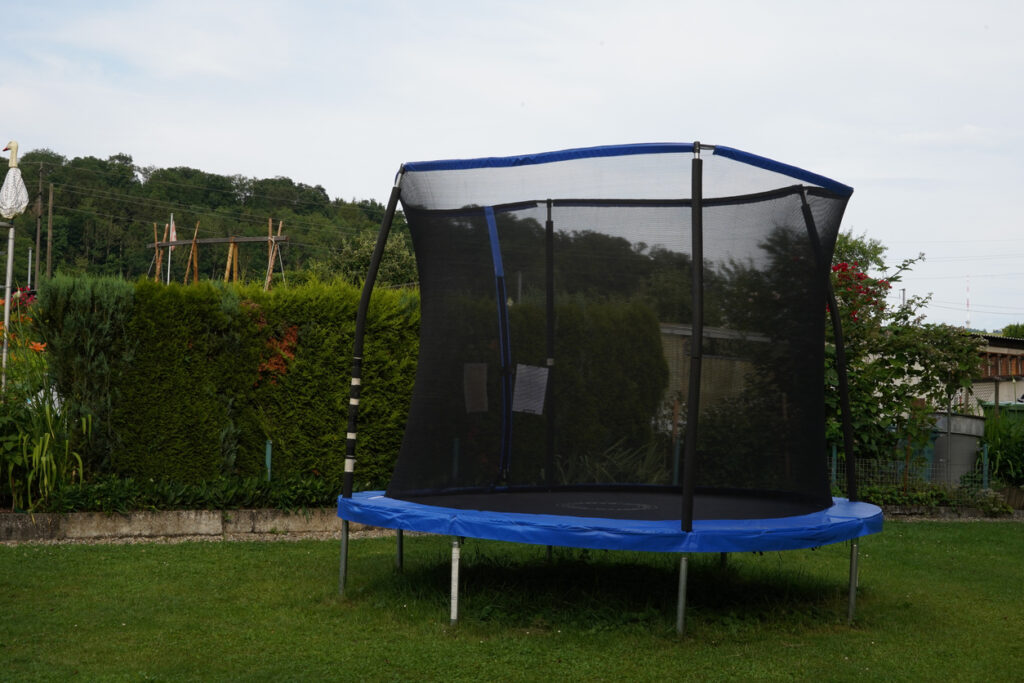
Trampolines are brilliant for keeping kids entertained, but their position matters more than you might think. If children can see into neighbours’ gardens or homes while bouncing, you could be accused of invading their privacy under Article 8 of the Human Rights Act.
While there’s no specific trampoline law, persistent privacy complaints can lead to civil action. Position yours away from boundary fences or consider a sunken design to avoid disputes.
8. Bonfires that cause smoke nuisance
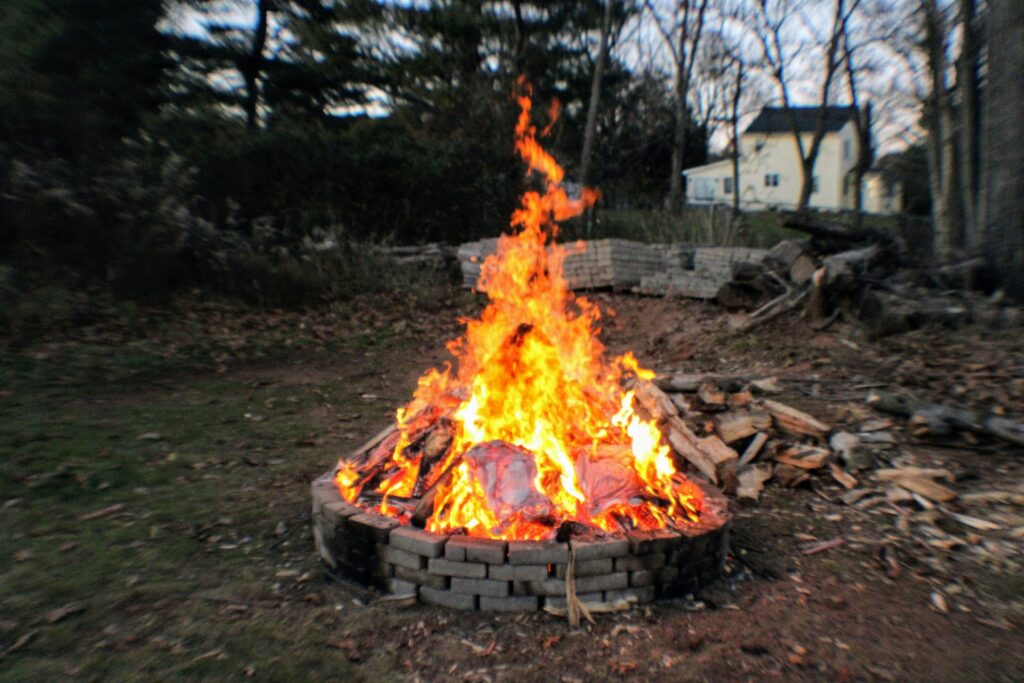
There’s no law against having a garden bonfire, but there are plenty of laws about what happens when the smoke drifts next door. If your bonfire regularly prevents neighbours from enjoying their garden, it can be classed as a statutory nuisance.
Councils can issue abatement notices, and ignoring these can result in fines of up to £5,000. If your smoke drifts across a road and endangers traffic, the police can also get involved.
9. Waste you’ve burned illegally
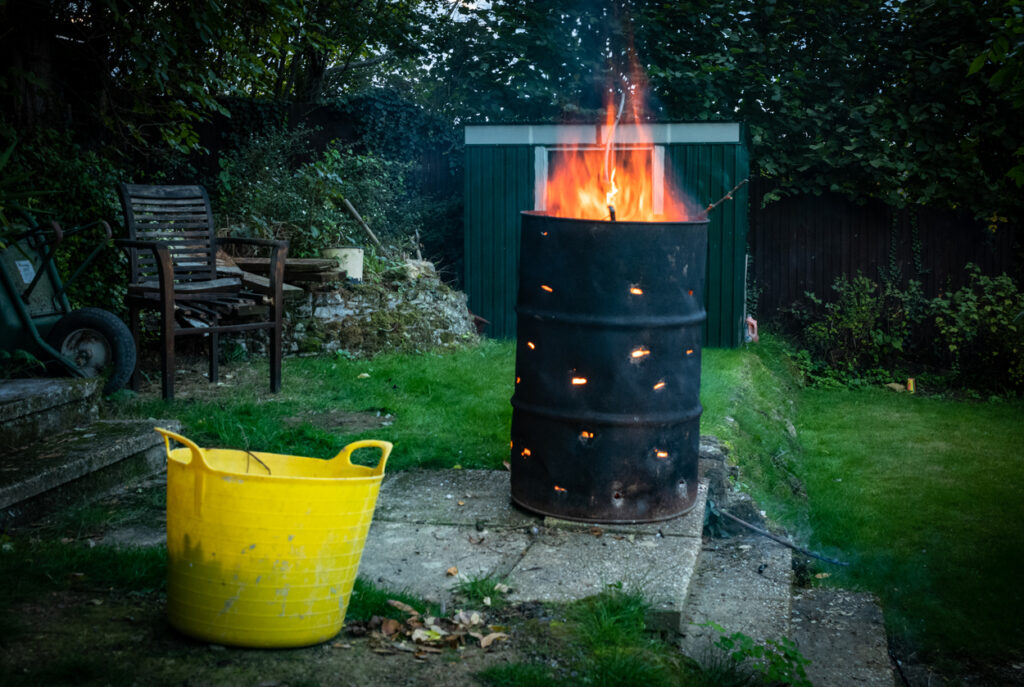
Even if your bonfire isn’t bothering the neighbours, what you’re burning matters enormously. It’s against the law to burn household rubbish, plastic, paint, or anything that releases toxic fumes.
Getting caught burning prohibited materials can result in fines of up to £50,000 in serious cases. If you live in a smoke control zone, the rules are even stricter and you can only burn approved fuels.
10. An oversized shed without permission

Most garden sheds don’t need planning permission, but there are limits. Your outbuilding must be single storey, no taller than 2.5 metres if within 2 metres of a boundary, and can’t take up more than 50% of your garden space.
Exceed these limits without applying for permission and you could receive an enforcement notice requiring you to modify or remove the structure entirely.
11. Overhanging branches causing problems

Your trees might be on your property, but if branches overhang into a neighbour’s garden or onto a public footpath, you have responsibilities. While neighbours can legally cut back to the boundary line, if your overhanging trees cause damage, you could be liable.
Things get more complicated with protected trees. Cutting or destroying a tree covered by a Tree Preservation Order without council permission can result in fines of up to £20,000.
12. Items left on the pavement outside

Thinking of putting your bins or furniture on the public pavement? Many councils specifically prohibit this, even temporarily. Enforcement officers are actively issuing fixed penalty notices to households that leave items on public land.
From April 2025, fines for householder duty of care breaches rose to £600, while fly-tipping penalties increased to £1,000. If waste is traced back to you after being dumped elsewhere, you’re still liable.
13. Invasive plants you’ve failed to control
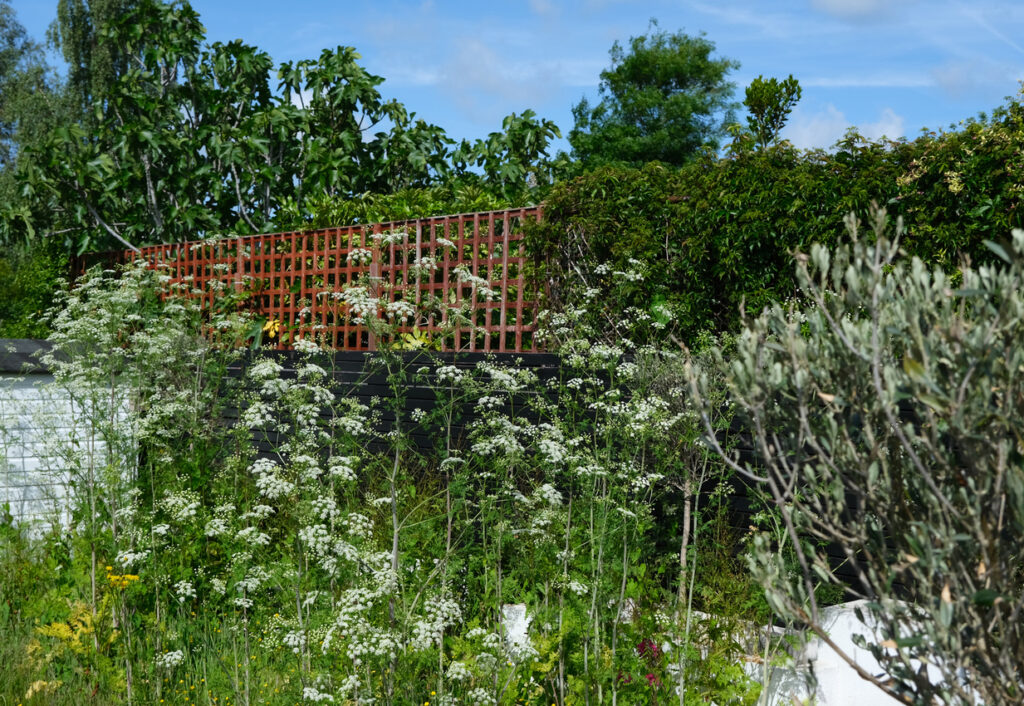
Japanese knotweed isn’t the only problem plant that could get you into trouble. Bamboo, giant hogweed, and other invasive species can spread from your garden into neighbouring properties, causing structural damage and ecological harm.
Councils can issue Community Protection Notices requiring you to deal with invasive plants, with fines of up to £2,500 for non-compliance. Neighbours can also pursue civil action if their property is affected.
14. Garden structures in the wrong place
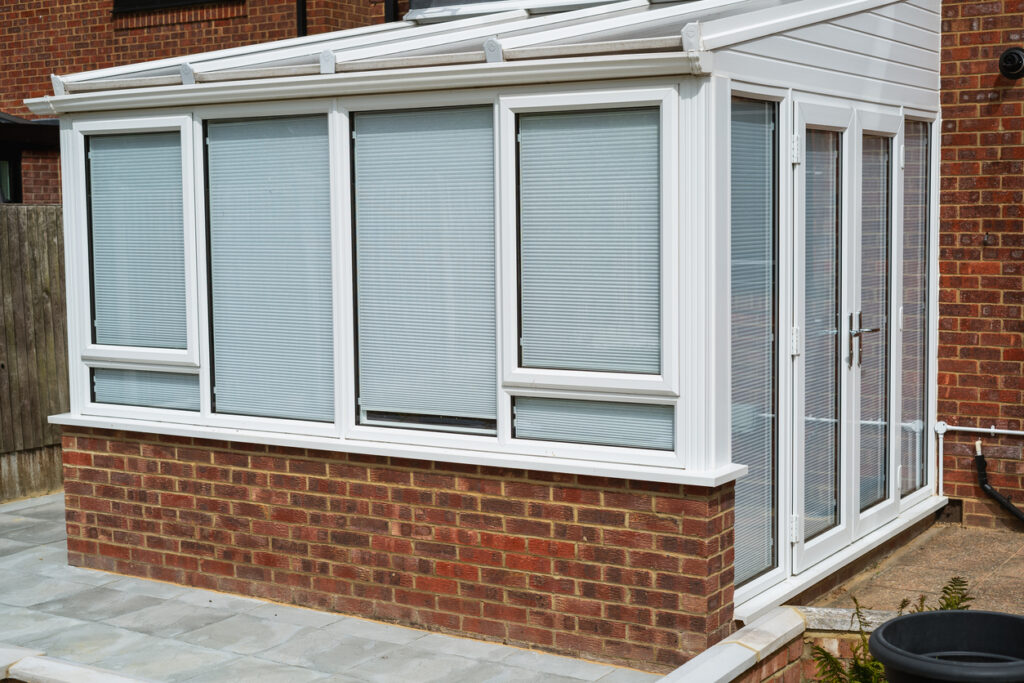
Even if your shed meets size requirements, where you put it matters. Building anything in front of the principal elevation of your house requires planning permission regardless of size.
If you live in a conservation area, national park, or near a listed building, the rules are stricter still. Putting up a structure without consent can lead to enforcement action and significant fines.