Plenty of plants in Britain look so similar that even people who know their way around a garden can get them muddled up.

You’ll see someone proudly pointing out a wildflower, only to find out it’s something entirely different, or you’ll hear debates over what’s growing along a footpath when everyone is sure they’re right. It happens far more often than anyone admits, mostly because so many species share colours, shapes and growing habits that fool even confident eyes.
What makes this especially interesting is how these mix-ups can change the way people treat what they find outdoors. A plant that seems harmless might be left to spread, while a genuinely useful one might be pulled out without a second thought. Getting familiar with the usual culprits doesn’t just help you sound more certain when you’re out for a walk, it also helps you understand the landscape a little better and appreciate what’s actually growing around you.
1. Cow parsley mistaken for giant hogweed

Cow parsley pops up everywhere in spring, and its tall white flowers often confuse people. It looks dramatic but is completely safe and very common along roadsides and footpaths. Its stems are thin, green, and soft, which helps separate it from more dangerous lookalikes.
Giant hogweed, on the other hand, is much taller with blotchy stems and sharp, jagged leaves. Its sap can burn the skin in sunlight, so mixing the two up causes real problems. The key difference is size and the patterned stem, which cow parsley never has.
2. Wild carrot mistaken for hemlock
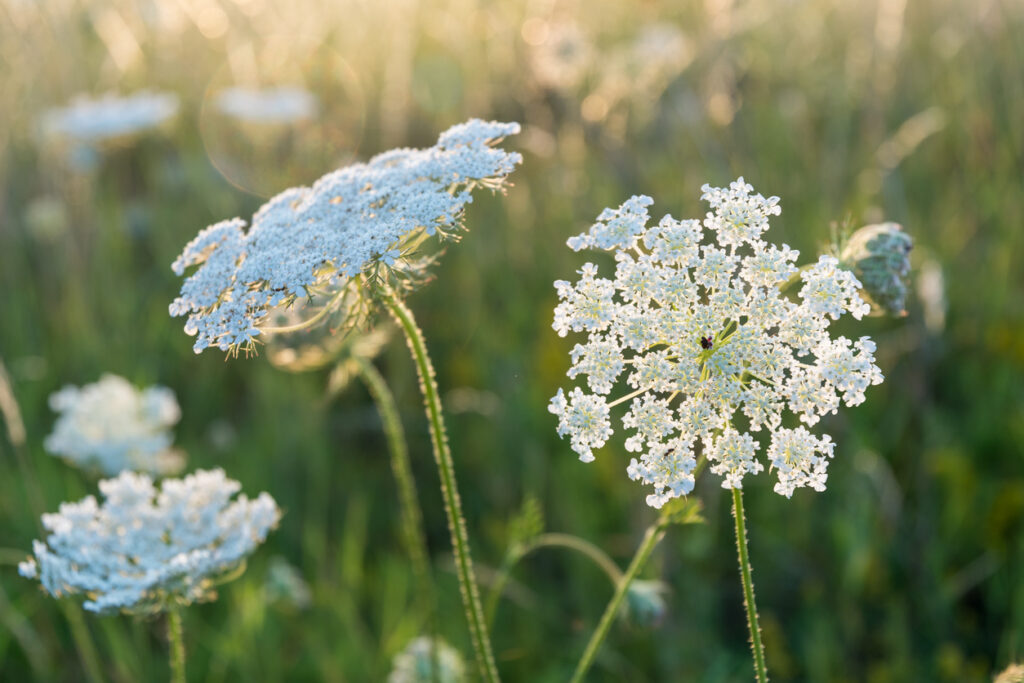
Wild carrot has soft, feathery leaves and white flower clusters with a tiny dark dot in the middle. It is safe to touch and often smells faintly of carrot when crushed. Walkers see it often in fields and along dry paths during summer.
Hemlock looks similar, but is poisonous and has smooth stems covered in purple spots. It also smells unpleasant when crushed. Even confident walkers get these two mixed up, so knowing the stem pattern helps avoid a serious mistake.
3. Stinging nettles mistaken for dead-nettles

Dead-nettles look almost identical at first glance because they have similar leaves and grow in the same places. However, they do not sting and often have small purple or white flowers that help with identification. Their leaves feel softer and do not cause irritation.
Stinging nettles have sharper, more pointed leaves with fine hairs that deliver a sting. People often assume both plants will hurt to touch, but dead-nettles are harmless and useful for pollinators. A quick look at the flowers usually clears up the confusion.
4. Bindweed mistaken for morning glory

Bindweed has large trumpet flowers that look beautiful, which makes many gardeners mix it up with morning glory. The problem is that bindweed spreads aggressively, climbing and choking other plants quickly. Its roots are tough and travel deep underground.
Morning glory is usually planted on purpose and behaves more politely. Its stems are thicker and its leaves slightly heart-shaped. Knowing the difference saves a lot of frustration because bindweed takes over faster than most people expect.
5. Hemlock water-dropwort mistaken for wild celery
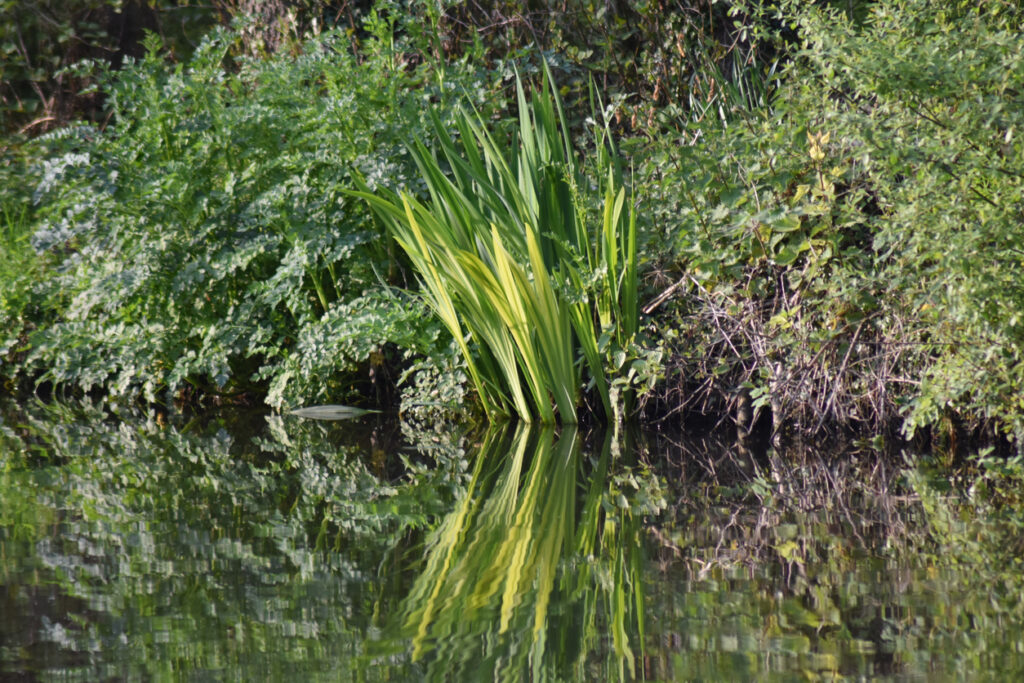
This is one of the most dangerous mix-ups in Britain. Hemlock water-dropwort grows along riverbanks and looks a bit like celery or parsley. It has white flowers and thick stems that tempt people to pick it by mistake.
Every part of the plant is highly poisonous. Wild celery has a mild scent and a smoother, greener appearance, while hemlock water-dropwort often has hollow, pale stems. Staying cautious near water edges helps avoid confusion.
6. Wild garlic mistaken for lily of the valley
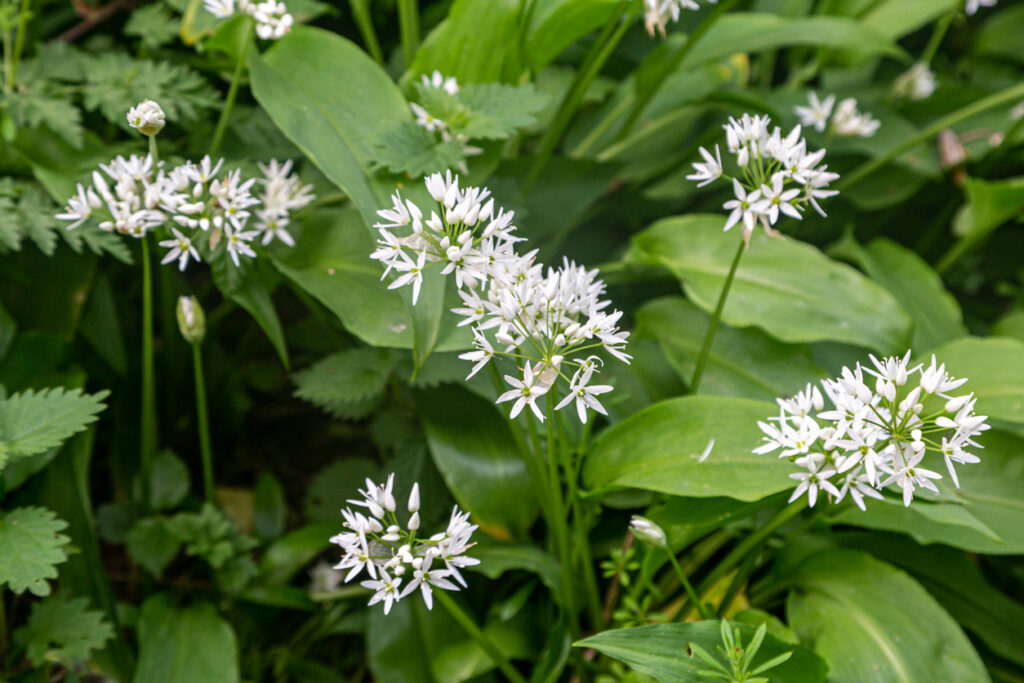
Wild garlic spreads across woodland floors in spring and has a strong garlic smell when crushed. It produces bright white star-shaped flowers and soft, smooth leaves that many foragers recognise easily. It is safe to eat and very popular in home cooking.
Lily of the valley looks similar, but is poisonous. It has broader, thicker leaves and no garlic scent at all. Most mistakes happen when people rely on appearance alone, so smelling the leaves helps prevent accidents.
7. Rowan berries mistaken for elderberries
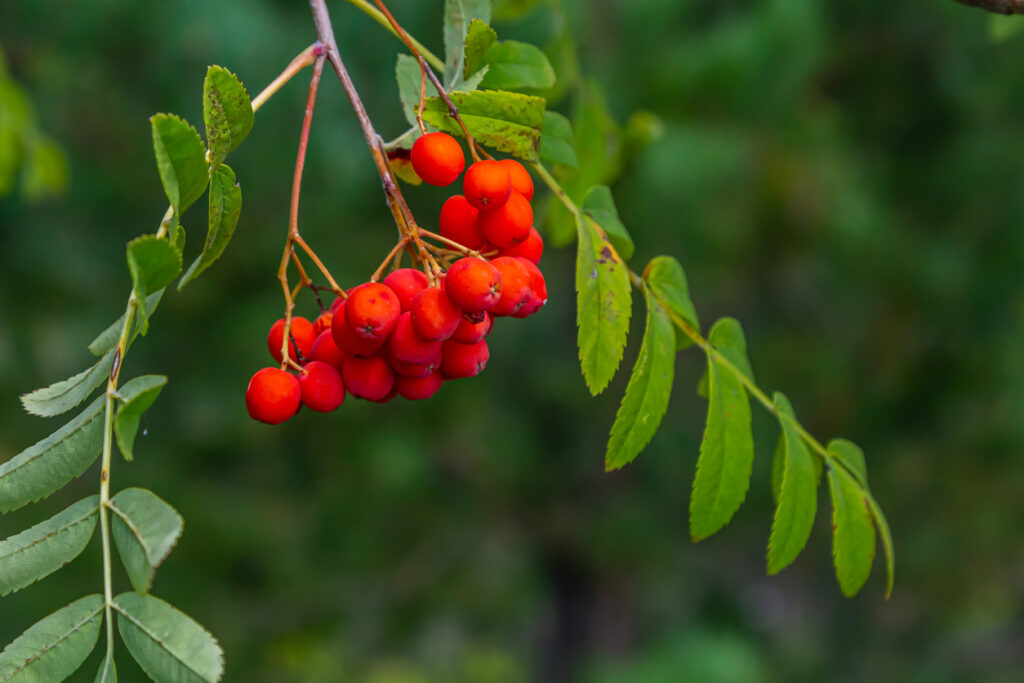
Rowan trees produce clusters of bright berries that people sometimes confuse with elder. Rowan berries grow in tight bunches on tree branches and stay firm even when ripe. They are safe to use once cooked properly.
Elderberries grow on softer stems and sit on large flat clusters. They must be cooked before eating, and the leaves and stems are toxic. The height of the plant is often the biggest clue, as elder grows more like a shrub than a tall tree.
8. Meadowsweet mistaken for cow parsley
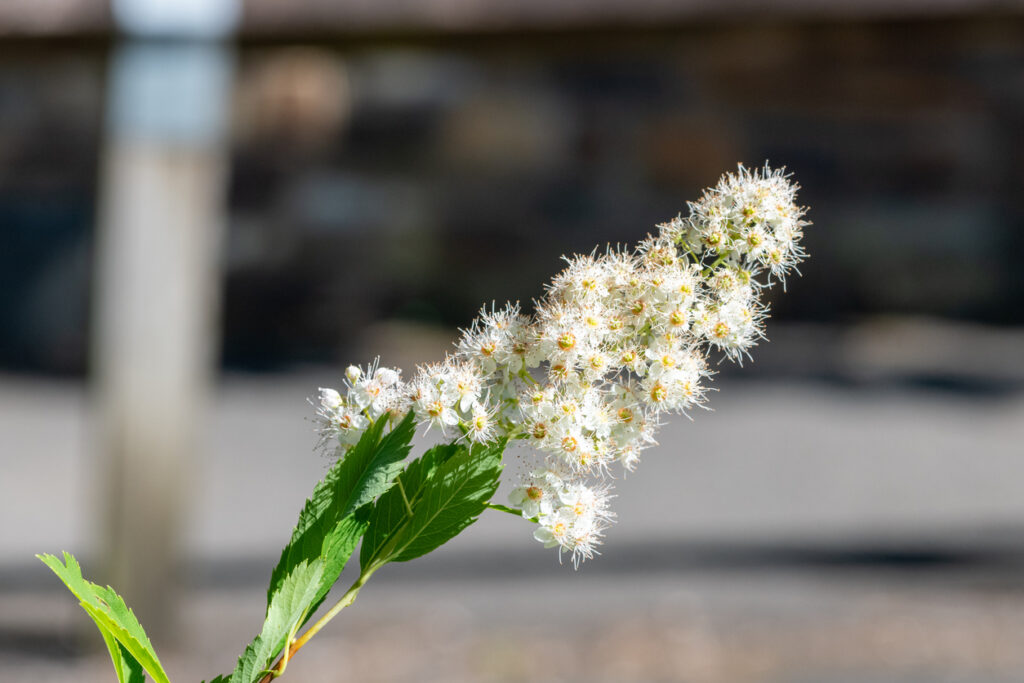
Meadowsweet grows near streams and damp fields with creamy, frothy flower heads. People often confuse it with cow parsley because both plants show clusters of pale flowers. Meadowsweet has a sweet scent and broader leaves that help distinguish it.
Cow parsley grows in drier areas and has a more delicate structure. Once you learn the scent and leaf shape of meadowsweet, it becomes much easier to recognise in the wild.
9. Bramble shoots mistaken for raspberry canes

Bramble shoots and raspberry canes appear similar in hedgerows. Both produce berries, but brambles spread aggressively and have sharper, hooked thorns. Their stems look more tangled and tough compared with raspberries.
Raspberry canes grow straighter, with softer stems and smoother thorns. New gardeners often plant brambles by mistake, only to find them taking over whole sections of the garden. Checking the stem texture helps avoid this.
10. Dogwood mistaken for red osier dogwood
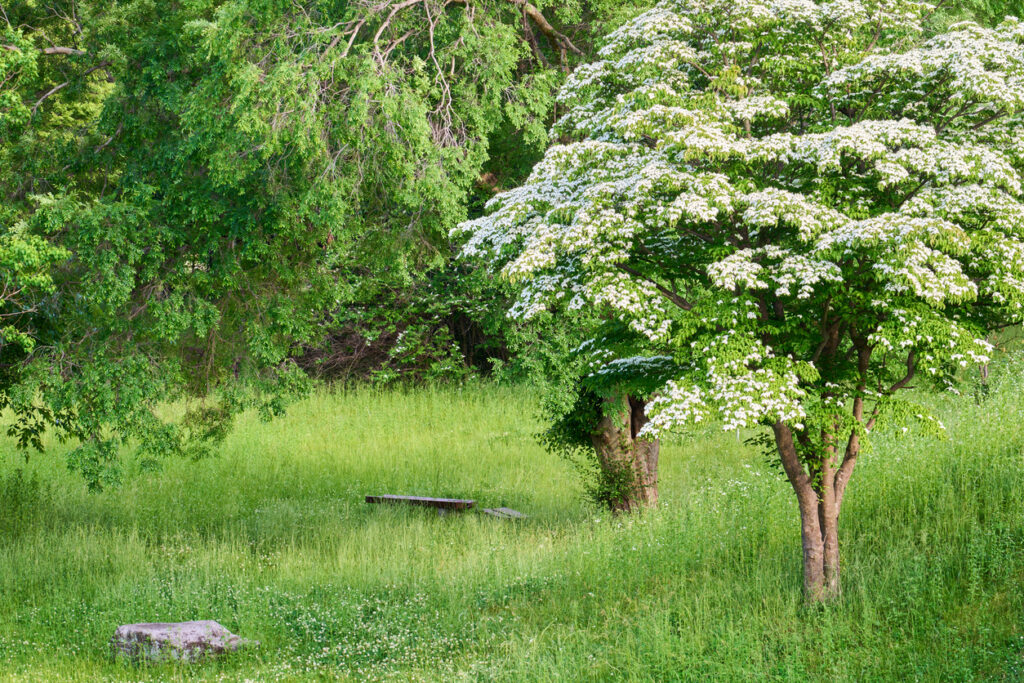
Both plants have red stems in winter, which causes confusion. British dogwood has darker, deeper red stems and small clusters of white flowers in summer. It grows commonly in hedges and woodland edges.
Red osier dogwood is a brighter red and often used in gardens for colour. The difference matters because some gardeners expect one type but get the other. A quick look at the shade of the stems usually clears up the mix-up.