Across Britain, abandoned places are slowly turning wild again.
Old railways, empty factories, and forgotten farm buildings become safe spaces for wildlife. These deserted areas give animals room to feed and grow without human disturbance, and in their case, the fewer interactions they have with humans, the better. These are some of the creatures making their homes in places we never think to tread.
1. Foxes use empty buildings as hidden dens.
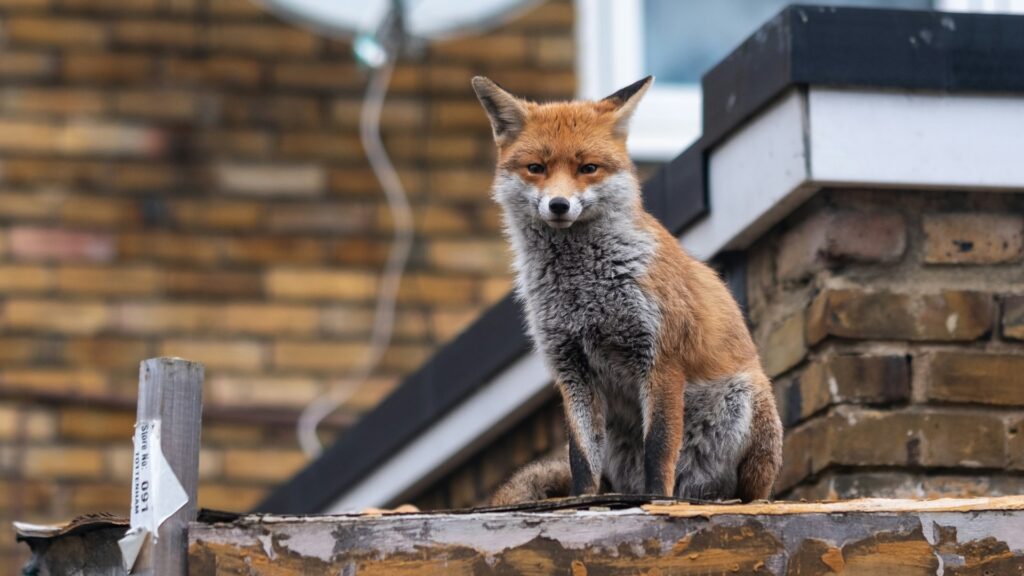
Foxes move into abandoned sheds, factories, and barns because these spaces stay warm and dry, not to mention undisturbed by humans. They raise cubs in dark corners where humans rarely visit. These spots give them shelter from weather and predators.
Once foxes settle, they stay for years. The quiet surroundings help them hunt nearby and return safely to their den. Many towns see fox numbers rise around unused buildings for this reason.
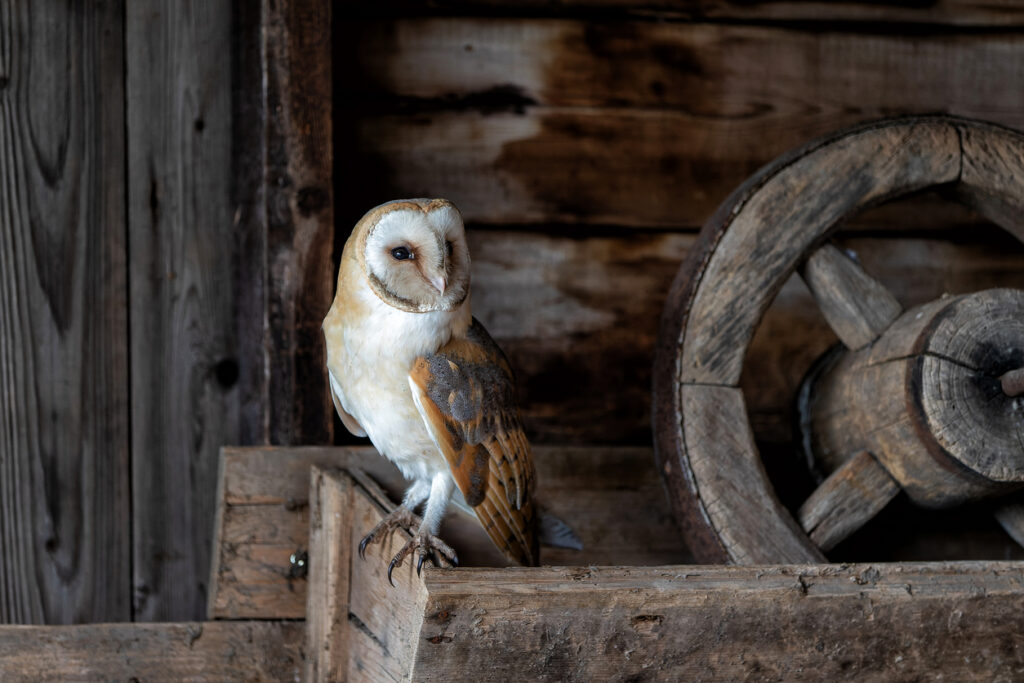
2. Barn owls thrive in empty farm structures.

Barn owls search for calm places to nest, and empty farm buildings offer exactly that. They enjoy high ledges and dark lofts that stay steady during the year. These spaces protect their chicks from disturbance.
The surrounding fields often contain mice and voles, giving barn owls a reliable food source. With fewer people around, the owls hunt more easily and raise healthier young.
3. Pipistrelle bats move into forgotten attics and tunnels.
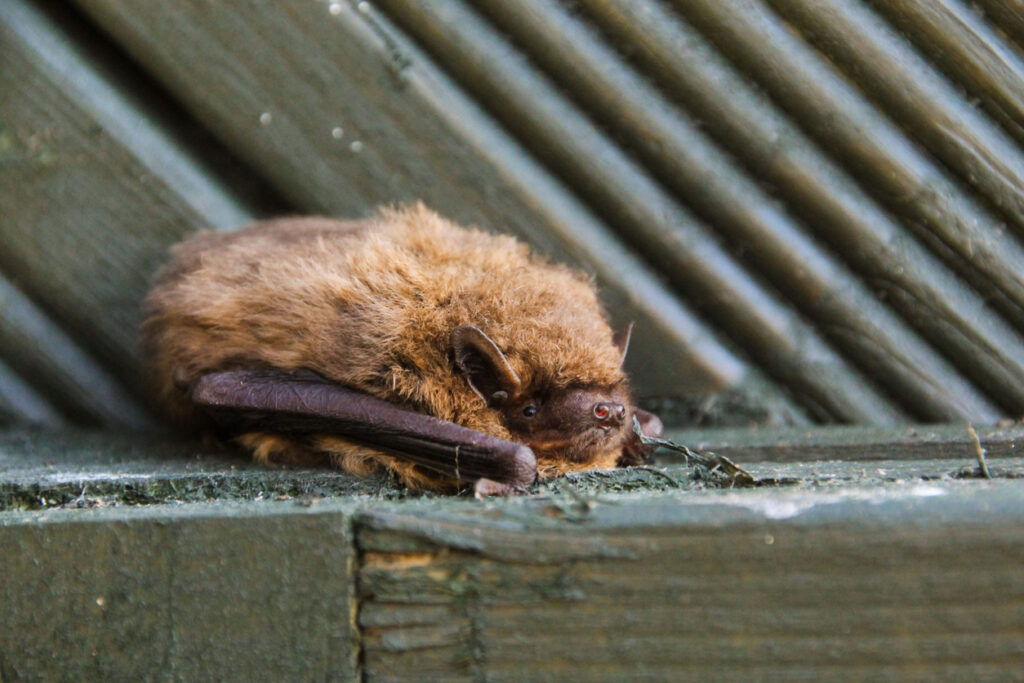
Small bats like pipistrelles use gaps in roofs, loose tiles, and abandoned attics as safe roosts. These calm, dark spaces help them rest during the day. Old tunnels also keep the temperature stable, which bats need.
As long as the building stays quiet, whole colonies can settle there. They feed on the insects found near overgrown gardens and ponds that surround unused places.
4. Hedgehogs shelter in overgrown corners.
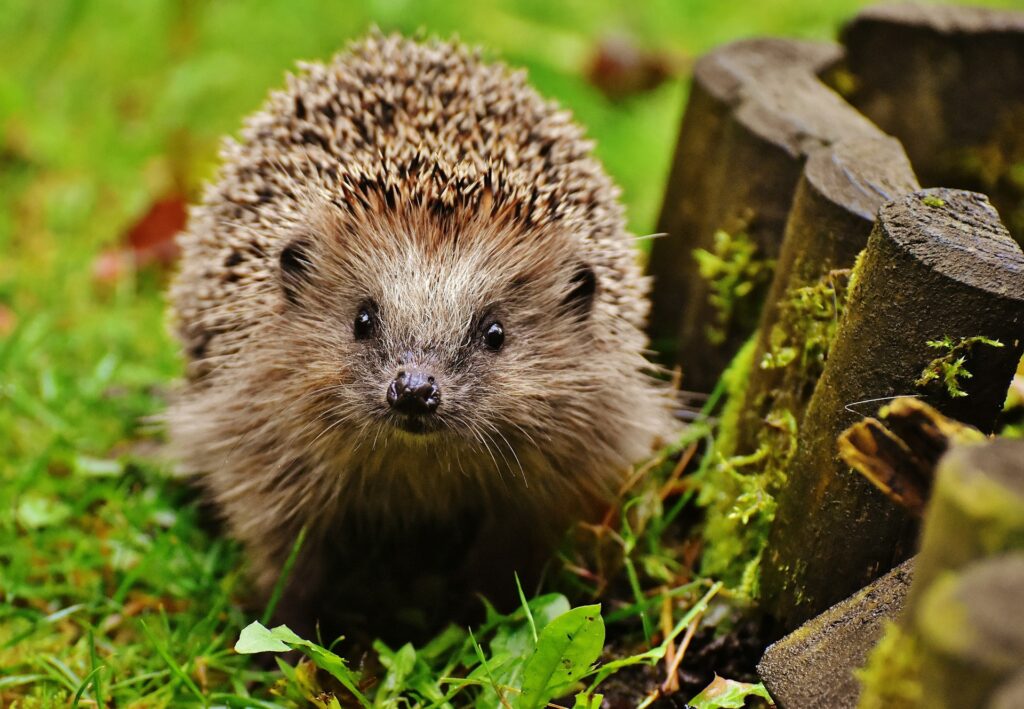
Abandoned gardens and unused parks often become filled with leaves and fallen branches. Hedgehogs thrive in these areas because they provide perfect hiding and nesting spots. They use the cover to stay safe during the day.
The messy ground attracts slugs, beetles and worms, which gives hedgehogs plenty of food. These forgotten spaces help local populations survive when tidy gardens offer less shelter.
5. Grey wagtails enjoy old industrial waterways.
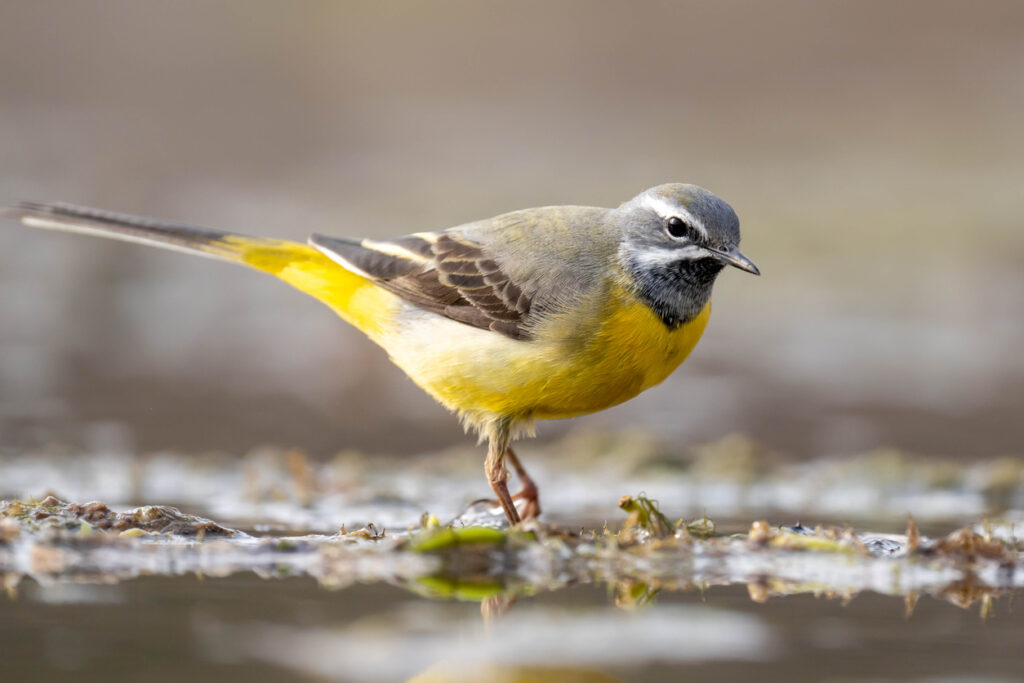
Grey wagtails prefer running water, and many abandoned mills and factories sit beside streams. When industry stops, the water becomes cleaner, which attracts insects. This gives wagtails a good feeding area.
They nest in cracks, ledges, and bridges left behind. These structures keep them hidden from predators and humans, creating a quiet place to raise chicks.
6. Slow worms settle in unused railway embankments.
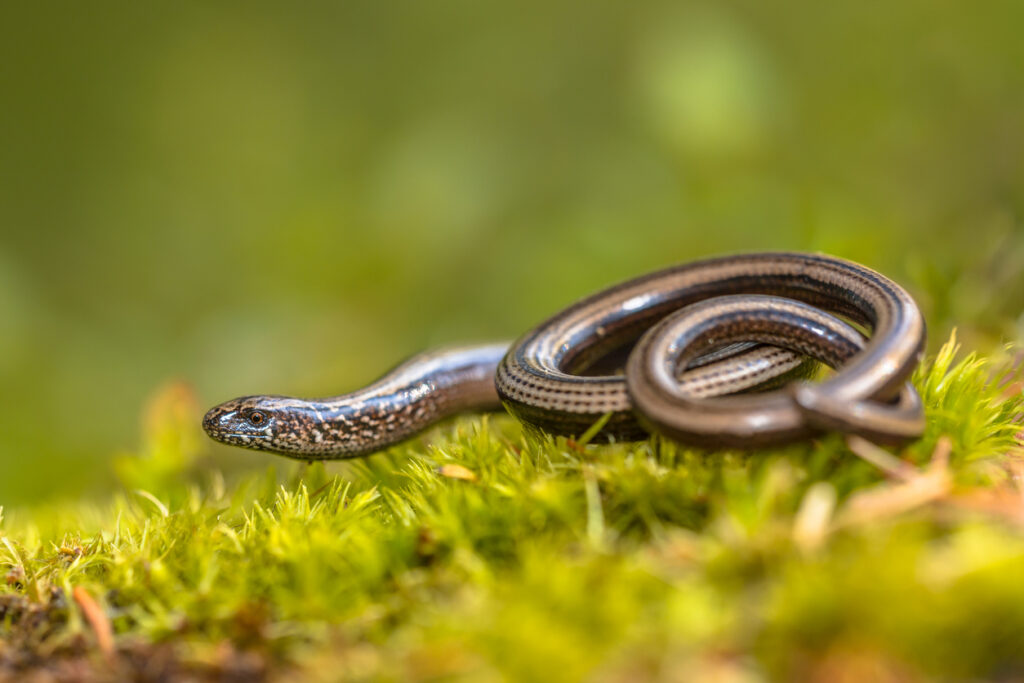
Old railway lines often turn into warm, overgrown strips filled with long grass and rubble. Slow worms love these areas because they offer both heat and shelter. They rest under old sleepers, stones and metal sheets.
The mix of insects and slugs gives them a constant food supply. Without regular trains or foot traffic, these embankments become safe habitats for them to thrive.
7. Kestrels hunt around empty airfields.
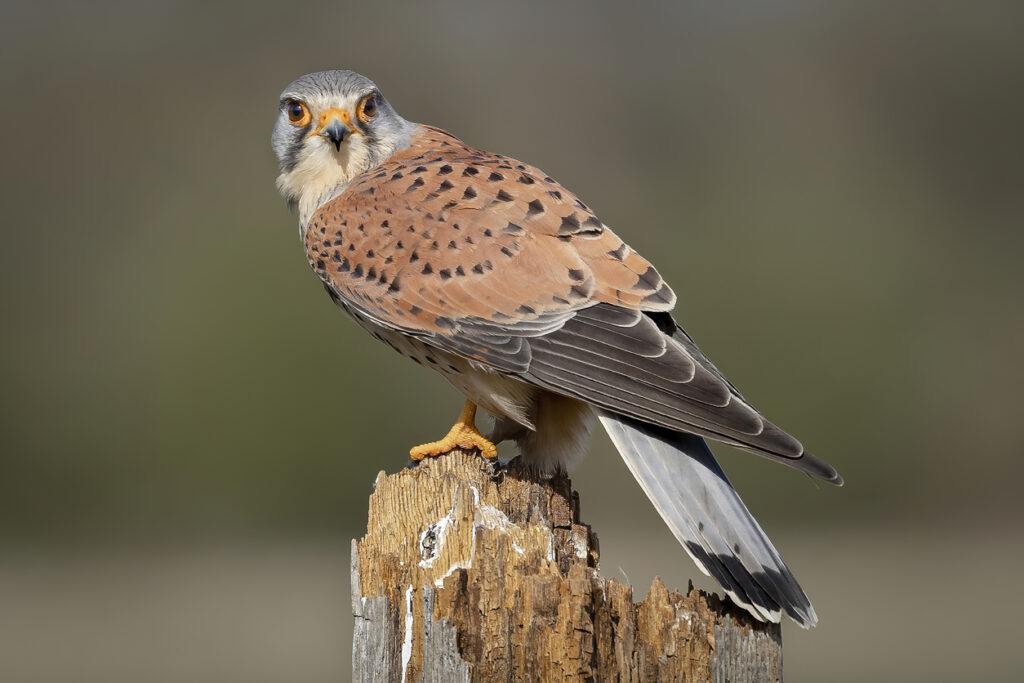
When airfields close, the wide open grasslands remain. Kestrels use these open areas to hover and spot prey from above. The lack of people and noise helps them hunt more easily.
Old hangars and buildings also offer nesting spots. Kestrels return year after year because the quiet, open landscape is perfect for catching small mammals.
8. Brown hares use abandoned farmland as safe feeding grounds.
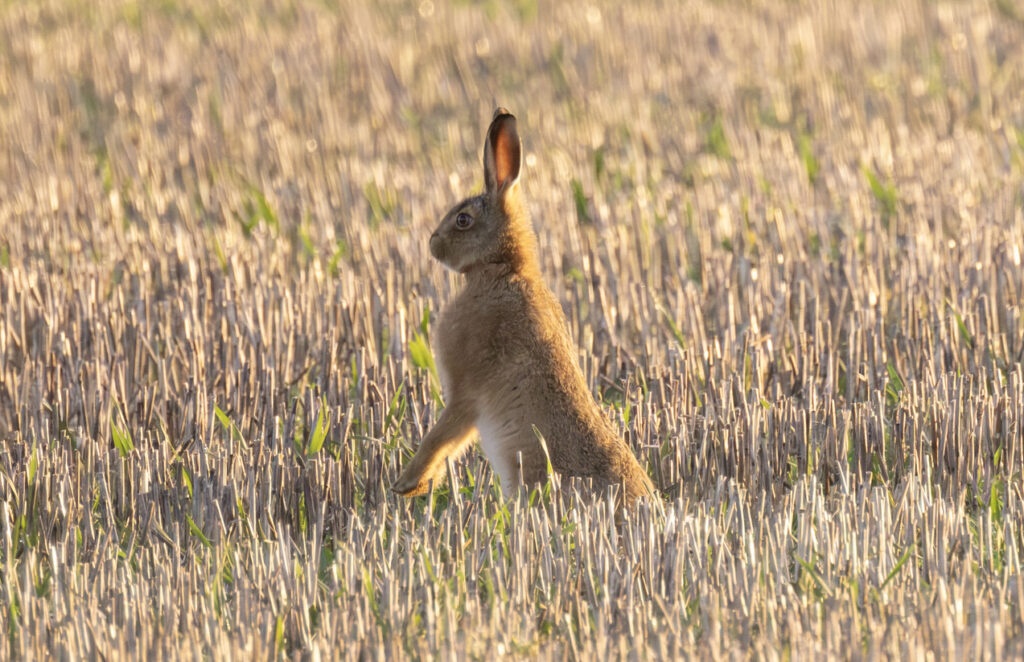
When farmland stops being used, the fields become rough grassland. Brown hares thrive in this environment because it gives them both food and cover. They hide in thick grass to avoid predators.
The calm space and wide sightlines help them move safely. With fewer disturbances, hares breed more successfully and stay active throughout the day.
9. Tawny owls move into quiet woodland edges near old houses.
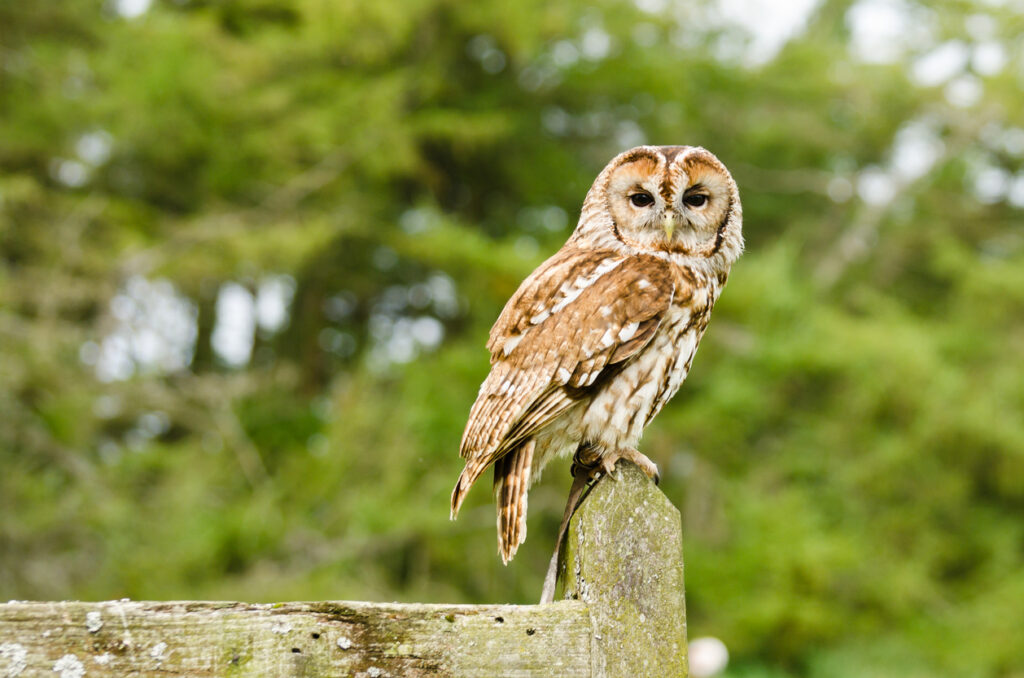
Abandoned rural homes often sit beside trees or woodland. Tawny owls settle in nearby hollows or roof spaces because these areas stay dark and safe. They hunt small animals drawn to the overgrown surroundings.
These locations give the owls less competition from other birds. The mix of trees and derelict buildings creates the perfect environment for them to thrive.
10. Stoats use ruined walls for hunting routes.
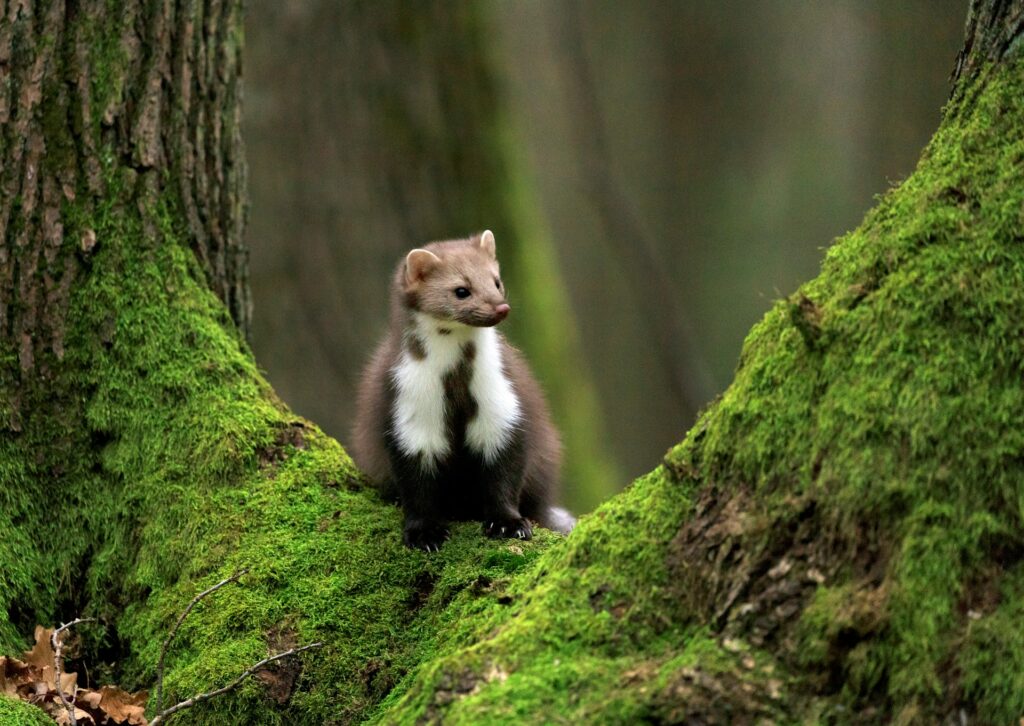
Ruined cottages and stone walls create tunnels and crevices that stoats use for shelter. These narrow spaces let them move unseen while searching for prey. They also hide their young in sheltered holes.
The overgrown areas attract rabbits and rodents, which gives stoats easy hunting grounds. The quiet landscape helps them remain active without interruption.
11. Butterflies flourish in unmanaged vegetation.
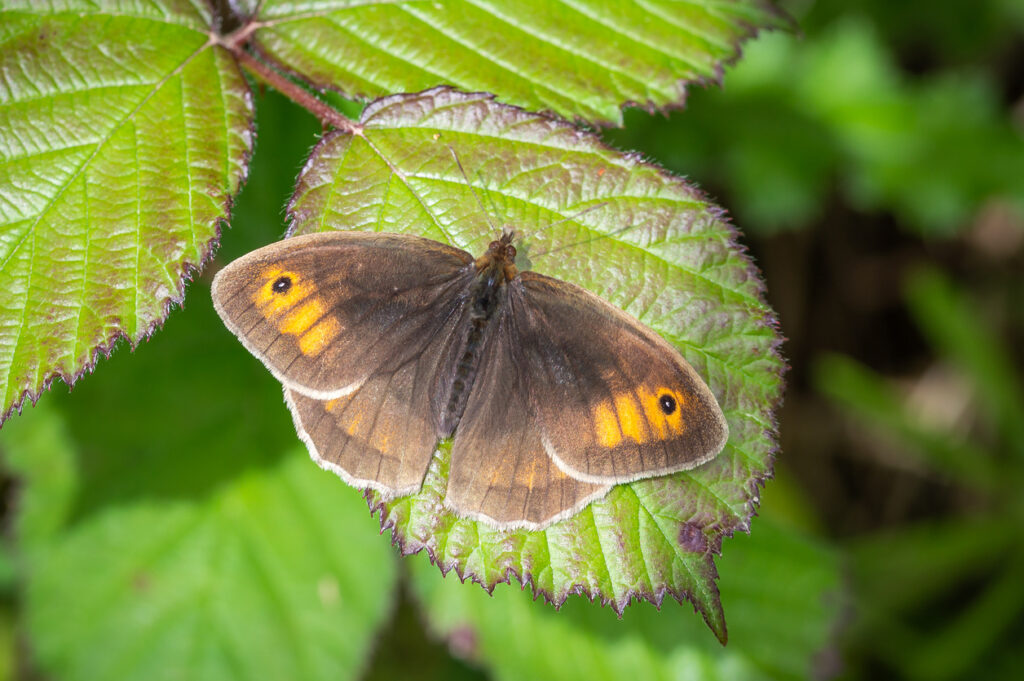
When grounds are left untouched, wild plants and flowers grow in large numbers. Butterflies benefit from this because they need nectar, shelter and warm, sunny spots. Old railway cuttings, and abandoned car parks often become ideal habitats.
Species like the comma and meadow brown spread quickly in these areas. The lack of mowing gives them enough food and protection throughout the year.
12. Amphibians thrive in forgotten ponds and drainage ditches.
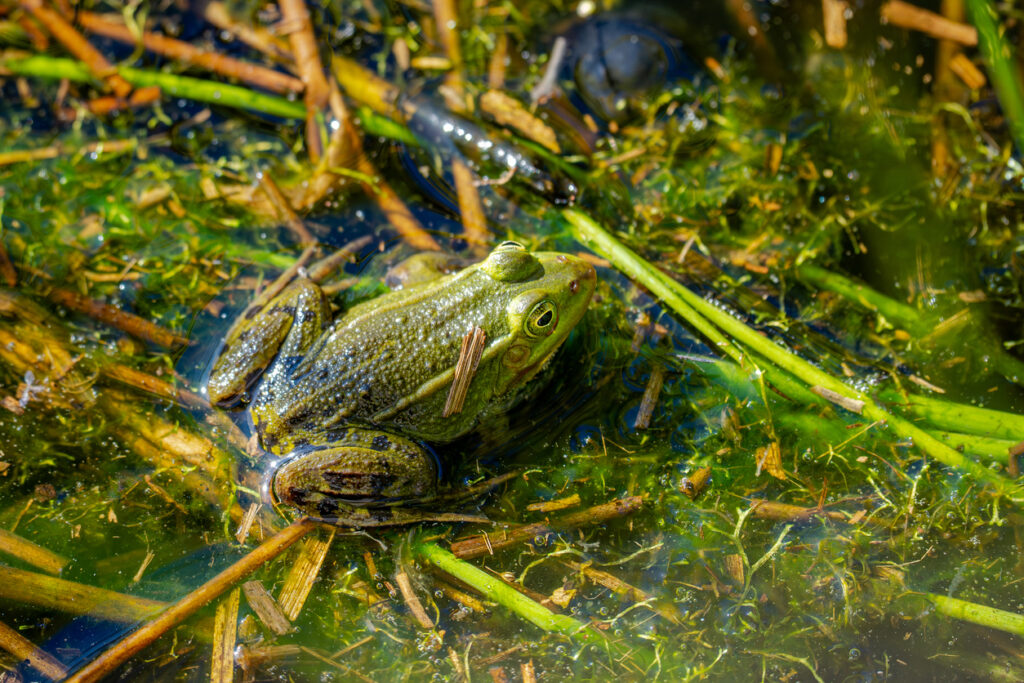
Abandoned estates and old industrial sites often contain ponds or ditches that slowly return to nature. Frogs, newts, and toads use these quiet water bodies for breeding. The stillness helps their eggs and young survive.
The surrounding vegetation offers shade and insect life. With no regular disturbance, amphibian numbers often increase, creating strong local populations.