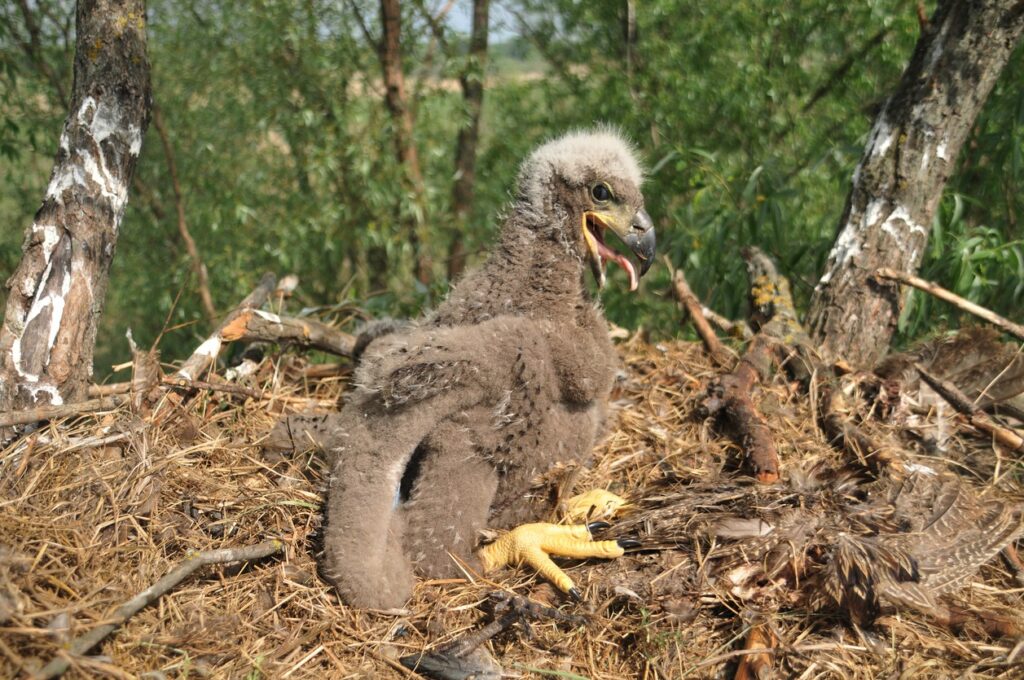
Scotland has a new environmental milestone to celebrate: the first golden eagle chick to fledge from the offspring of a translocated parent. This fledgling, named Princeling by Sir David Attenborough, represents a powerful sign that conservation efforts in the south of Scotland are finally bearing fruit. It’s a turning point, showing that reintroduction can lead to wild breeding, and that’s a breakthrough with promise for broader rewilding across the UK, as BBC News reports.
The fledgling’s name could sound quaint, but it strikes a regal chord for conservation. The project behind the baby eagle is run by Restoring Upland Nature (RUN), previously known as the South of Scotland Golden Eagle Project. Since 2018, they’ve been translocating young eagles from healthy Highland and island populations into the Borders and Dumfries & Galloway. Now, that work has gone beyond simply releasing birds; one of them has successfully bred with a local eagle—Emma, translocated in 2021, paired with Keith, a native Galloway bird—and produced Princeling.
The significance of that first successful nesting can’t be overstated. Emma’s acceptance into local breeding cycles confirms that translocated eagles can integrate into wild populations where ecosystems are intact and human persecution is low. That breakthrough means these aren’t just visiting birds. They’re part of a self-sustaining population in southern Scotland.
The numbers back up that progress. Estimates show more than 50 golden eagles soaring across southern skies, and those are levels not seen for over three centuries. Some are even straying into northern England, where golden eagles had been extinct in the wild for around 150 years. That kind of range expansion speaks to the project’s broader success in restoring both population and presence.
Why Princeling is so important for land, wildlife, and people
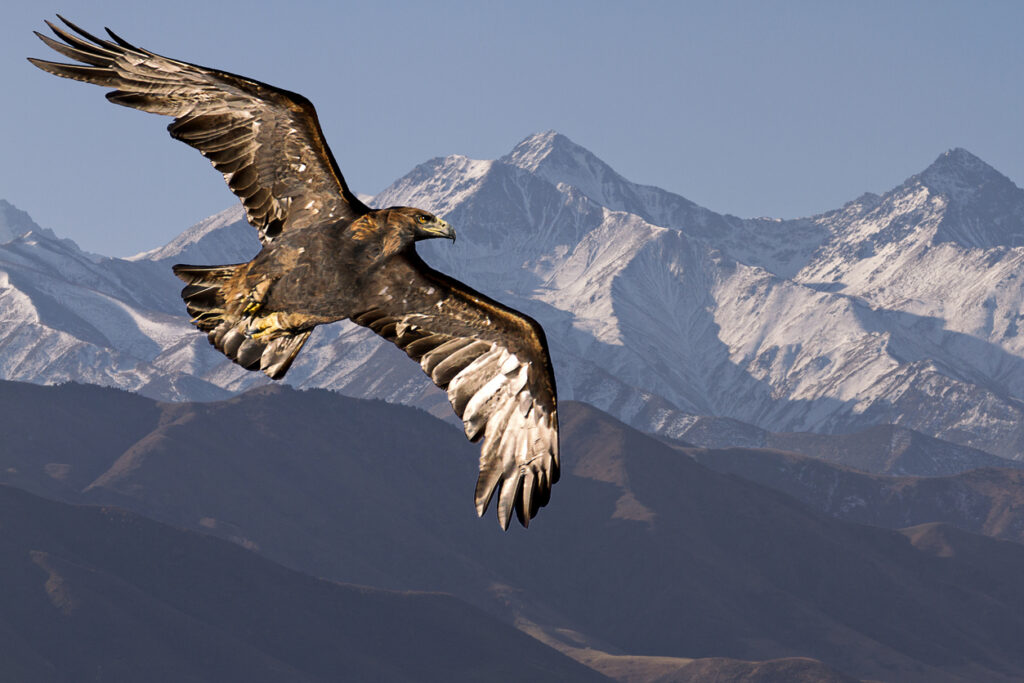
This isn’t just a feather in the conservation cap. It’s part of a much bigger tapestry of ecological restoration. Golden eagles are apex predators and keystone species in upland ecosystems, helping control prey populations and signaling healthy habitats. Restoring their presence can ripple out, benefiting biodiversity, moorland regeneration, and even tourism.
Princeling’s fledging tells a story of partnership across sectors, from charity workers to gamekeepers, landowners, veterinary teams, and public funders like the Heritage Lottery. RUN’s CEO, Dr Cat Barlow, emphasises that this is proof of concept: with collaboration and low-persecution zones, reintroduced eagles can breed, survive, and expand.
The wider consequences may include formal plans to reintroduce golden eagles to parts of England, using southern Scotland as a model. Government-backed feasibility studies and IUCN guidelines are already pointing toward potential releases in northern England. In time, Princeling may come to symbolize not just a bird, but a pan-British recovery initiative that builds on environmental, social, and cultural restoration.
Of course, there are still challenges. Predator media like wind turbines and roads still pose threats, and continued monitoring via satellite tags is critical to ensure eaglets don’t succumb to accidents or illegal persecution. But Princeling is tagged, too, and will be tracked as part of the project’s next phase, offering real data on survival and dispersal.
The story matters beyond statistics. It brings hope to biodiversity recovery and offers a stunning image: a golden eagle chick rising from a nest in southern Scotland, proof that hands-on conservation, layered over local goodwill and ecosystem readiness, can rebuild what was once lost.