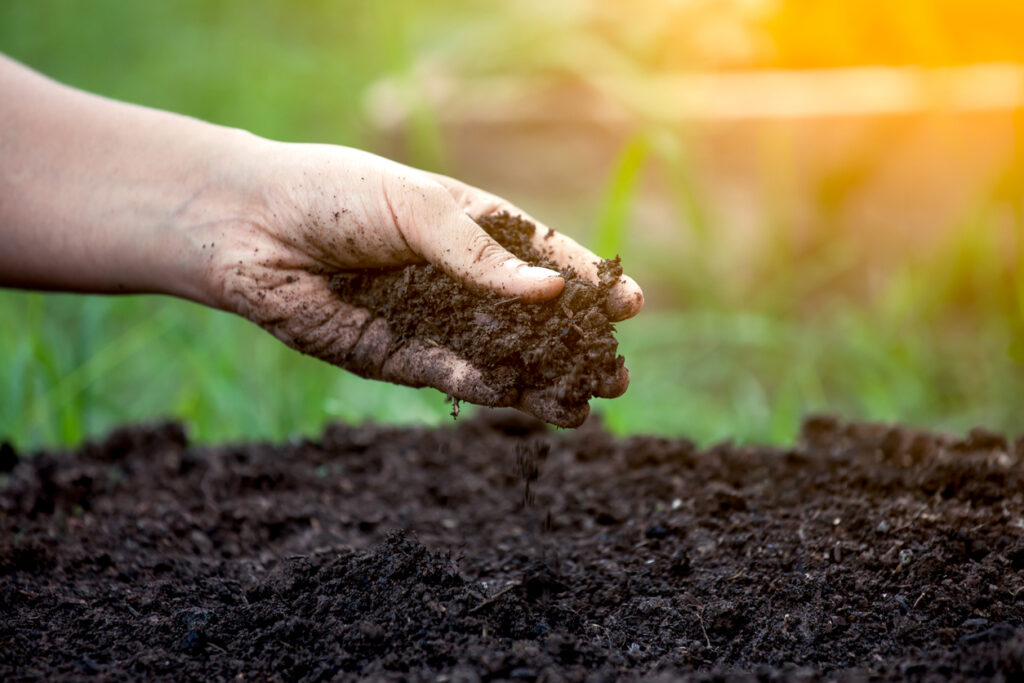
Healthy soil is the foundation of every good garden. Whether you’re growing flowers, vegetables, or trees, the soil decides how well plants grow and how long they thrive. Improving it doesn’t require expensive products, but you definitely need an understanding what it needs and giving it time to recover. With that in mind, here are some simple and effective ways to improve the soil in your garden.
Test your soil first.
Before doing anything else, it helps to know what kind of soil you’re working with. Soil testing kits are inexpensive and show whether your garden is sandy, clay-heavy, or loamy, as well as its pH level. Knowing this helps you decide what to add and what to avoid. Testing also reveals if your soil lacks key nutrients like nitrogen, phosphorus, or potassium. Once you have the results, you can focus your efforts on fixing the right problems instead of guessing.
Add organic matter regularly.
Organic matter is the best thing you can give your soil. Compost, leaf mould, or well-rotted manure add nutrients, improve texture, and help the soil hold water better. Spread a few centimetres over your beds each spring or autumn and let worms pull it down naturally. As time goes on, this simple habit transforms poor soil into rich, crumbly earth. Healthy soil full of organic material also attracts more earthworms and beneficial microbes that keep it fertile.
Avoid digging too much.
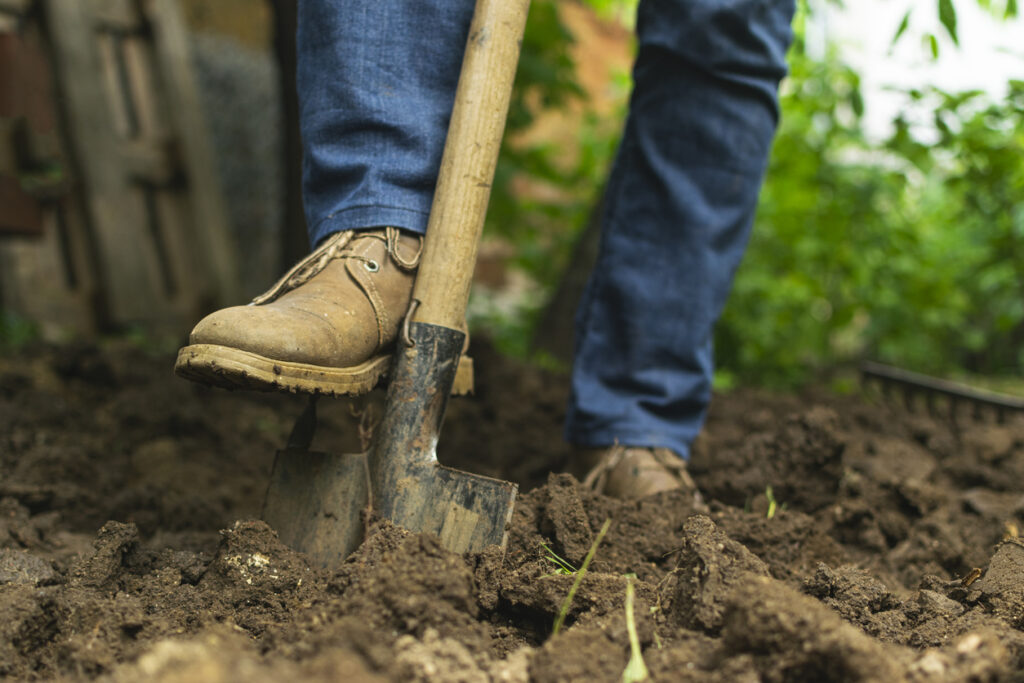
Turning the soil can break up its natural structure and harm the tiny organisms that make it healthy. Instead of deep digging, try a “no-dig” approach where you add compost on top and let nature do the work. This method keeps moisture locked in and prevents weed seeds from rising to the surface. It also saves time and energy while improving the soil faster than constant turning.
Use mulch to protect the surface.
Mulching keeps the soil cool, reduces water loss, and stops weeds from taking over. Organic mulches like bark, straw, or composted leaves slowly break down, feeding the soil as they go. Spread mulch around your plants, but keep it away from the stems to avoid rot. As it decomposes, top it up every few months to keep the protective layer thick enough.
Plant green manures.
Green manures are fast-growing plants such as clover, rye, or mustard that you grow specifically to feed the soil. Once they mature, you cut them down and dig or lay them into the soil, where they decompose and add nutrients. They’re especially useful during the winter months when beds would otherwise be bare. Green manures stop erosion, keep weeds down, and leave the soil richer and easier to work with by spring.
Improve drainage where needed.
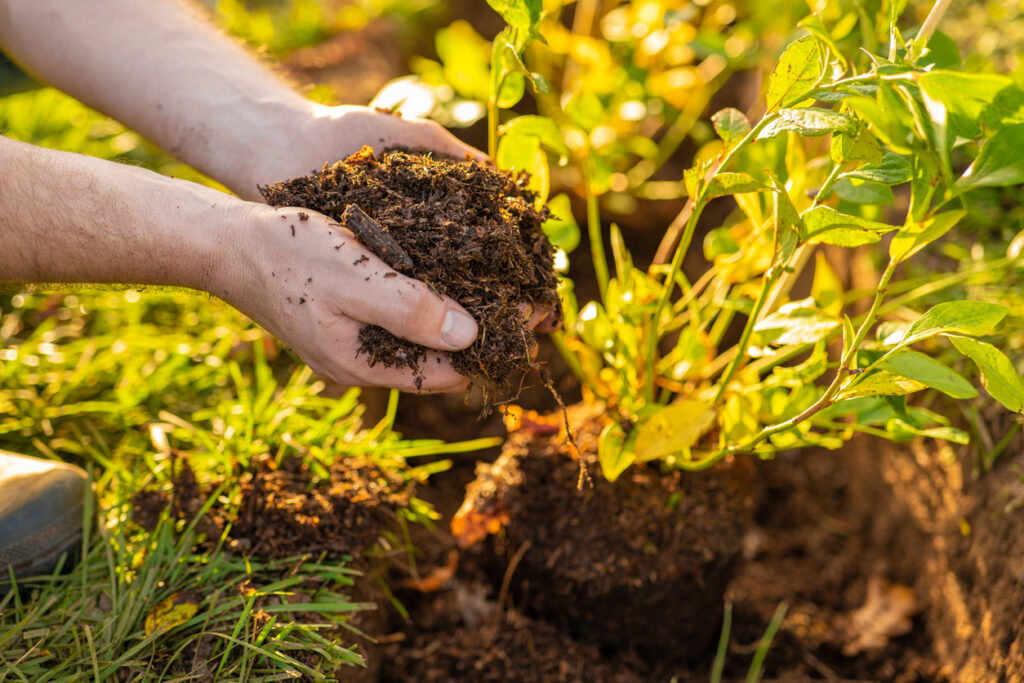
Soil that stays waterlogged after rain can suffocate roots and kill plants. Adding grit, sand, or compost improves drainage in heavy clay areas. Raised beds also help, giving roots space to breathe and preventing puddles from forming. If you’re unsure where water collects, watch how your garden behaves after heavy rain. Focus on improving those spots first rather than the whole area.
Add nutrients naturally.
Instead of relying on chemical fertilisers, use natural sources of nutrition. Things like seaweed meal, bone meal, or worm compost add trace minerals that artificial feeds often lack. They release nutrients slowly, reducing waste and avoiding sudden growth spurts. Natural feeding also supports long-term soil health rather than just quick results. Over time, your plants will grow stronger with less need for extra feeding.
Keep soil covered year-round.
Exposed soil loses nutrients through wind, rain, and sun. Keeping it covered protects it from drying out and erosion. Ground-cover plants, mulch, or winter crops all help maintain stability and fertility. Even temporary covers like cardboard or straw protect soil over cold months. Bare soil might look tidy, but covered soil stays alive and healthy beneath the surface.
Rotate your crops.
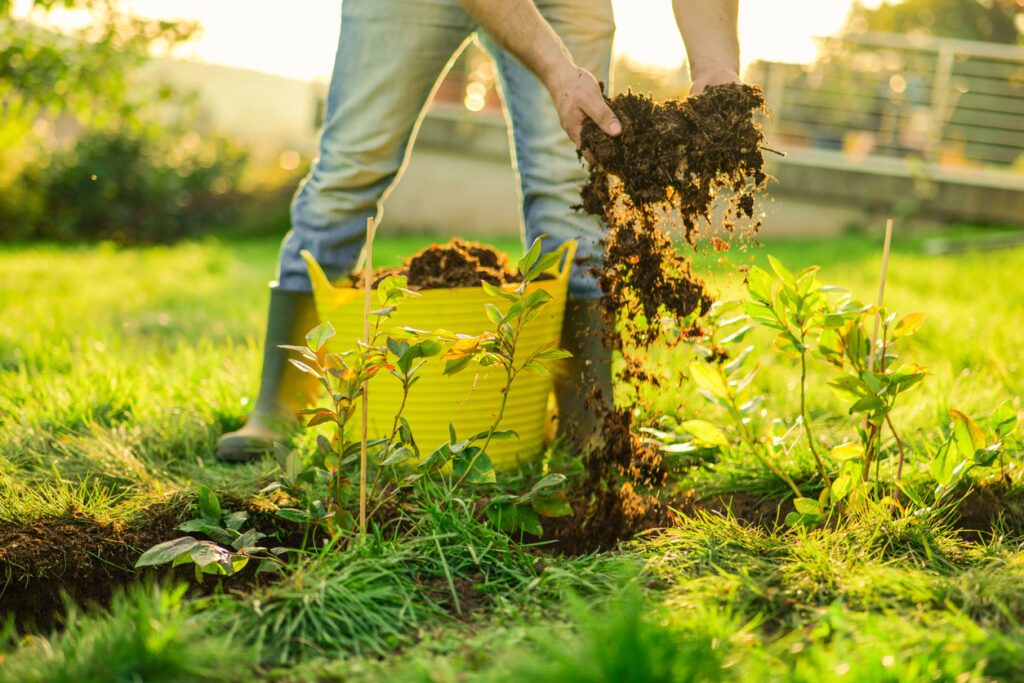
If you grow vegetables, planting the same crops in the same spot each year drains the soil of specific nutrients and encourages pests. Rotating crops means moving different plant families to new positions each season to balance nutrient use. This simple system helps prevent diseases like clubroot or blight from taking hold. It also makes better use of the natural minerals in each part of your garden.
Encourage worms and soil life.
Worms are the best sign of healthy soil. They break down organic matter, create air pockets, and spread nutrients as they move. You can attract more worms by adding compost, avoiding chemical sprays, and keeping the soil damp but not soaked. The more life in your soil, the stronger your plants will be. Treating the soil as a living system rather than just dirt turns gardening into a self-sustaining process that rewards you every year.