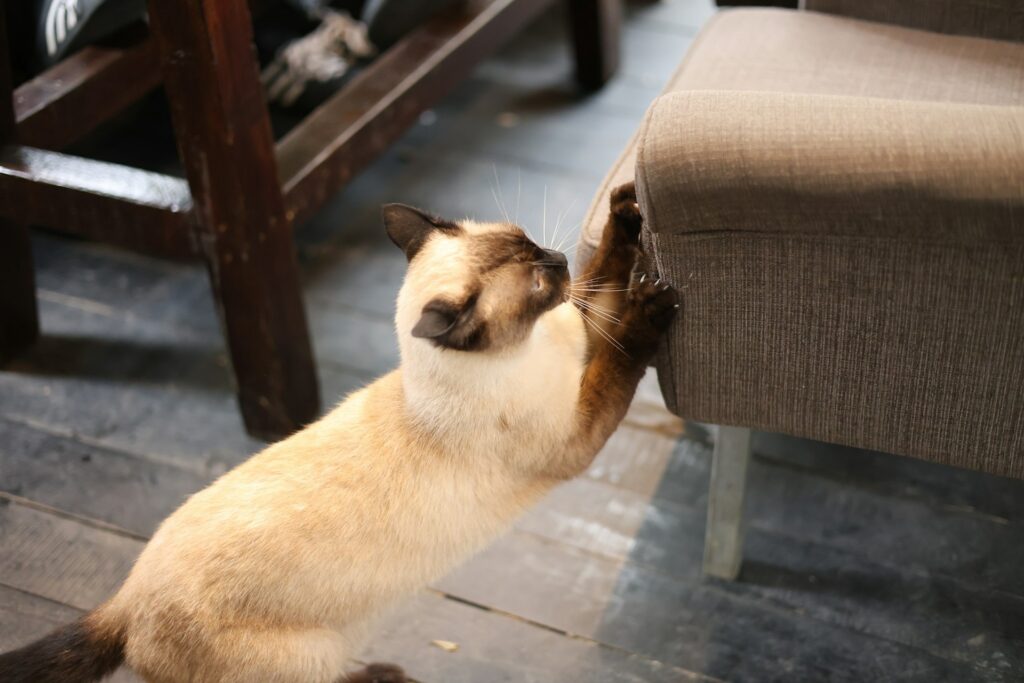
California has outlawed the declawing of cats except in narrow medical cases after Governor Gavin Newsom signed Assembly Bill 867 into law. The LA Times reported the change, which marks a major improvement for the state’s animal welfare standards.
The law prohibits vets from performing declawing except when it’s medically necessary, for instance to treat an injury or disease, not for cosmetic or convenience reasons. Under the previous rules, declawing was legal if carried out by a veterinarian, but this new legislation removes that allowance.
Declawing, medically known as onychectomy, involves amputating part of each toe or severing tendons, so a cat cannot extend its claws. Animal advocates call the procedure “barbaric,” citing evidence that it can lead to chronic pain, behavioural issues like aggression or litter-box avoidance, and mobility problems.
Assemblymember Alex Lee of San José sponsored AB 867. He argued in support of the bill that declawing is a disfiguring surgical procedure done for human convenience, not feline health. Several animal welfare organisations backed the bill, saying it finally matches the ethical standards expected in modern veterinary care.
There have been pushbacks, of course.

Not everyone’s on board. The California Veterinary Medical Association opposed the bill, warning that it singles out the veterinary profession and may set a precedent of restricting medical practices for licensed professionals. They also expressed concern that in rare cases where owners are already struggling—for example elderly pet owners on blood thinners—the law could complicate legitimate options. (LA Times)
Some defenders of the change point out that many veterinarians have already moved away from elective declawing. A survey cited during the legislative process showed that roughly 80 per cent of veterinarians in the state no longer offer the procedure. (Spokesman-Review)
California joins a growing wave against elective declawing. New York was the first U.S. state to ban the practice statewide in 2019, except when medically necessary. (Time) Several California cities, including Los Angeles, San Francisco, West Hollywood, Santa Monica and others, had passed local bans long ago.
The new state law also strengthens the message that animals have interests beyond convenience. If full states begin joining the ban, it shifts norms in veterinary ethics and pet ownership more broadly. For cat owners, this law means more responsibility for managing claws, such as trimming, providing scratching posts, and behavioural training, rather than relying on surgical shortcuts.
There’s still work ahead: enforcement, public awareness, education for pet owners, and monitoring unintended side effects (for example, whether illegal or underground declawing attempts emerge). For now, California has drawn a new line: cats should live with their claws unless there’s a serious medical reason to alter them.