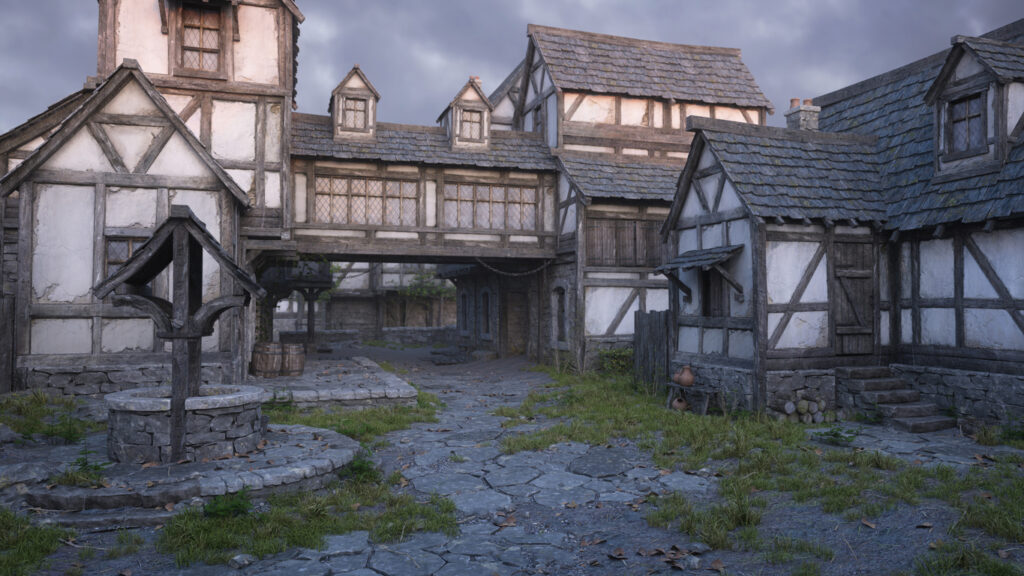
Some parts of Britain still run on rules that first appeared when life was ruled by crowns, carts, and candlelight. They sit tucked inside old laws, local customs and forgotten rights that most people don’t realise still carry legal weight. You see them pop up in odd places: a tiny patch of land with an unexpected owner, or a right of access no one can quite explain. Sometimes it’s even a tradition that keeps going because no one ever stopped it. These leftovers from medieval life aren’t just quirky footnotes; they’re reminders of how much the past still shapes the way the country works today.
1. You can still demand access to your home through an existing right of way.
Some homes in Britain come with ancient pathways that were created centuries ago, and they still give owners the legal right to cross someone else’s land to reach their property. These routes were set out long before modern roads existed. Even today, landowners can’t block these paths without breaking the law.
Because these rights were created so early, the paths often run through gardens, farmyards, or courtyards that formed around them over time. They might feel awkward in the present day, yet they remain fully protected. This rule is why many rural homes still rely on strange-looking footpaths that cut across private land.
2. Common land can still be used for grazing even if you don’t own it.
In medieval Britain, villagers were allowed to graze animals on shared land, and some areas still hold these rights. Certain people connected to old properties can graze cattle, sheep, or ponies on land they don’t own. These rights are listed in old documents and remain legally binding.
This rule matters most in rural places where common land still forms part of the community. Farmers and villagers pass down these rights through property ownership rather than personal status. Even though life has changed completely since medieval times, the grazing tradition continues in pockets of the country.
3. Ancient footpaths must remain open even if they cross private property.
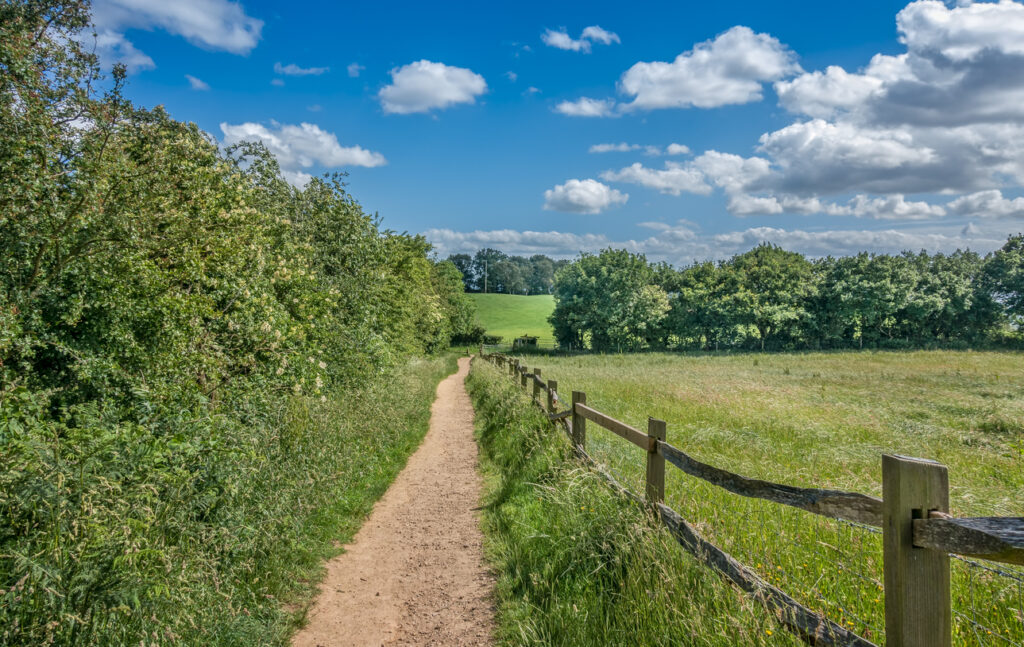
Some public footpaths date back hundreds of years and were established when people walked everywhere. Landowners who buy land with one of these paths can’t remove it, block it or redirect it without official approval. These paths remain open because they’re protected by historical rights.
This rule means walkers can legally pass through fields, farmyards, and even close to private homes. Signs and gates must allow access rather than stop it. These paths show how strongly Britain protects long-standing rights of travel, even when they clash with modern privacy.
4. Some market towns still hold ancient rights to host fairs.
Medieval kings granted certain towns the right to hold annual markets or fairs, and many of those rights still exist. Even if a town hasn’t held the event for decades, the legal permission remains. Councils can revive these events without needing new approval.
These old rights helped towns grow in importance because traders travelled long distances to attend. Today, they’re mostly used for heritage events or celebrations. The rule shows how medieval commercial privileges still shape modern towns in subtle ways.
5. Certain rivers must remain free for public navigation.
Some waterways have old rights that guarantee free travel by boat because they were vital trade routes in medieval Britain. These rules still require landowners to keep river access open. They can’t block or forbid travel on these stretches of water without breaking historical law.
It creates unusual situations today, especially where private estates border rivers that the public can legally use. Even though modern transport no longer relies on these routes, the rights remain to protect traditional access to water travel.
6. Ancient manorial rights can still apply to minerals under your land.

Manorial lords once controlled the land, resources, and people who lived on it. Some of those rights still exist in rare cases, including rights to minerals beneath modern homes. This means a separate party may legally own what lies under the soil, even if you own the surface.
While these rights are rarely used, they can appear during land searches or sales. They remind homeowners that medieval land structures were complex and layered. These old rights continue to influence ownership centuries after the original lords disappeared.
7. Landowners can still be required to maintain ancient boundaries.
Some properties come with responsibilities dating back hundreds of years, such as repairing walls or hedges that once separated medieval fields. These duties are tied to the land rather than the owner. When the property changes hands, the responsibility transfers automatically.
These rules were created to protect farmland from animals and disputes, and even though farming has modernised, the legal duties survive. Landowners today may find themselves maintaining boundaries because of obligations created long before their home even existed.
8. Some villages still have a legal responsibility to keep a village green open.
Village greens were communal spaces for grazing, gatherings and games in medieval Britain. Many remain protected by law, meaning the land can’t be built on or fenced off. This ensures the space stays open for public use in the same way it was centuries ago.
These protections are among the strongest land rules in the country. Developers can’t remove rights to walk, play or gather there. Even if the village has changed completely, the green remains a legally safeguarded part of the community.
9. Certain churches still hold rights over burial land attached to nearby houses.
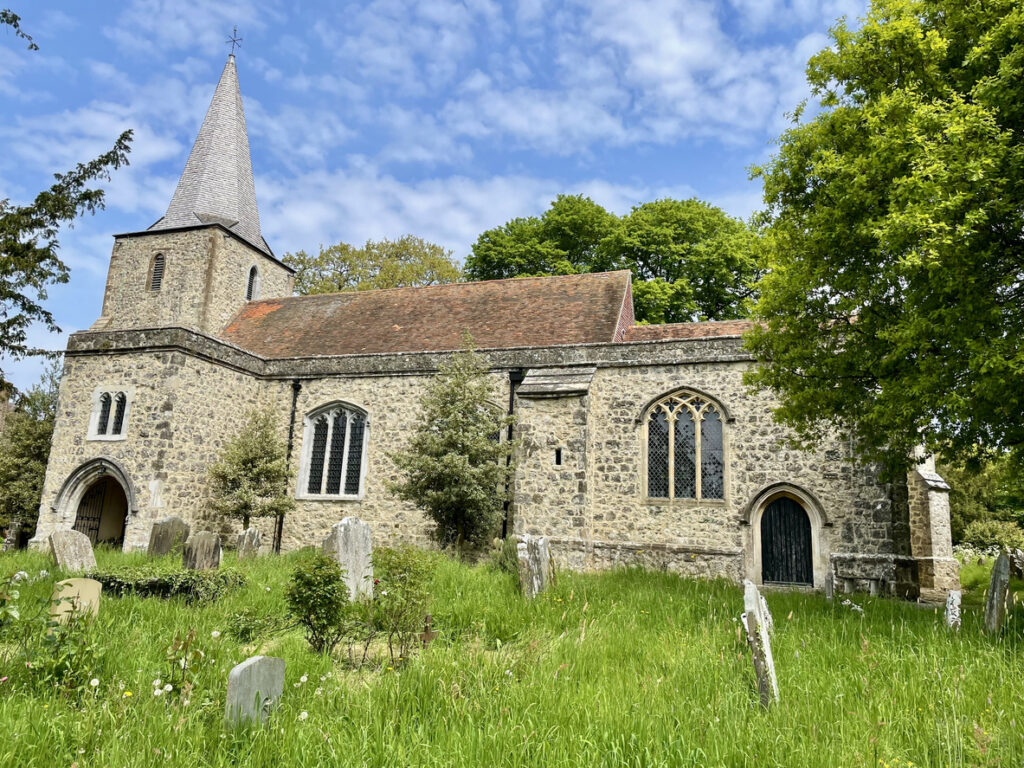
In some areas, medieval laws gave the local church control over burial grounds or plots near houses. These rights sometimes remain in the background of property deeds, even when the land has changed use. It means owners can’t alter the land without church permission.
Admittedly, these rules rarely affect daily life, but they appear during planning discussions or garden alterations. They show how medieval religious authority still touches modern property rights in surprising ways, especially in historic villages.
10. Some homeowners must allow access for sheep to pass through their land.
In a few rural areas, medieval grazing routes for sheep still exist. Farmers have the right to move livestock through private land if the route was established centuries ago. Homeowners can’t legally block the animals or stop farmers using the path.
This is rare today, but it highlights how deeply rooted some rights are. These routes once linked fields, markets and villages, and the law protects them even now. It’s one of the clearest examples of medieval land customs still shaping daily life in modern Britain.