Some of the tiniest creatures in the UK rely on very specific conditions to survive, and without a few carefully designed rules, they’d struggle to hang on at all.
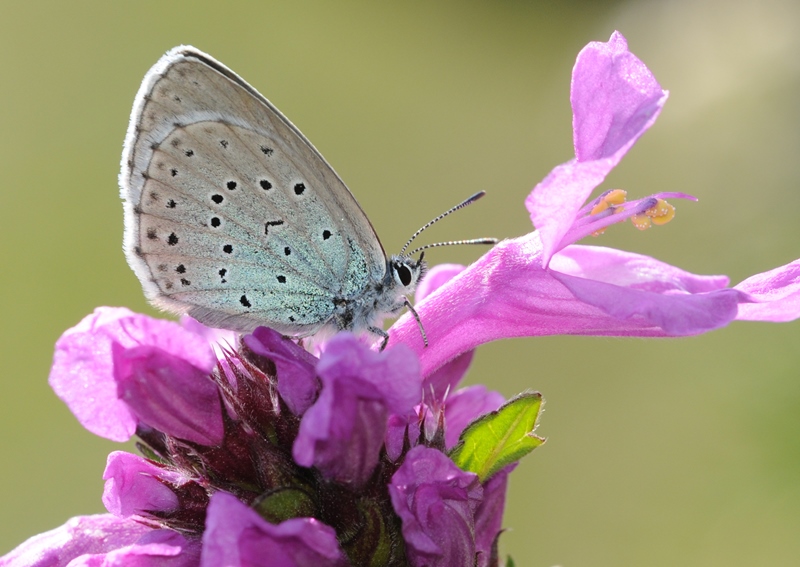
These insects often live in fragile pockets of habitat that can disappear with one wrong move, whether that’s mowing too early, disturbing rotting wood or tidying a patch of land that actually needs to be left alone. Their lives depend on small details most people never think twice about, which is why these rules matter more than they first seem.
Once you understand how delicate their world is, the protections start to make perfect sense. They’re there to stop rare species from being pushed out by human routines that don’t look harmful on the surface. Whether it’s limiting development in certain spots, protecting old trees or controlling how land is managed, these measures keep the landscape usable for insects that have nowhere else to go. They might look like minor guidelines, but for these species, they’re the difference between surviving and disappearing completely.
1. It’s illegal to disturb stag beetles deliberately.
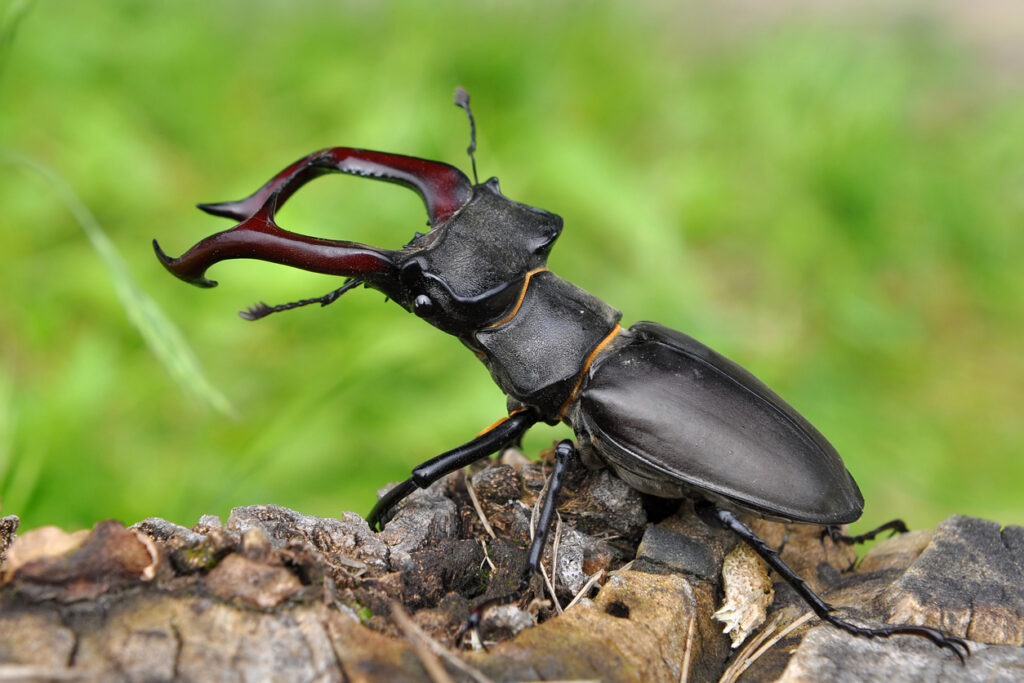
Stag beetles are protected under Schedule 5 of the Wildlife and Countryside Act. You can’t intentionally kill, injure, or sell them. You also can’t damage or obstruct their breeding sites. Breaking this law can result in fines up to £5,000 or six months in prison.
These massive beetles are declining rapidly due to habitat loss. Dead wood where their larvae develop is constantly being cleared away. The protection means you can’t remove dead wood from areas where stag beetles are known to live without considering them.
2. You can’t damage dead wood in certain areas.

Removing dead wood from Sites of Special Scientific Interest or other protected areas can be illegal if it’s habitat for protected beetles. Dead wood hosts larvae of rare species like the violet click beetle and lesser stag beetle. Councils and landowners must consider insect habitat before clearing deadwood. This creates tension because people see dead wood as untidy or dangerous. But for many rare beetles, rotting wood is essential habitat. The law prioritises insect conservation over aesthetics in protected sites.
3. Disturbing rare butterflies on their breeding sites is an offence.
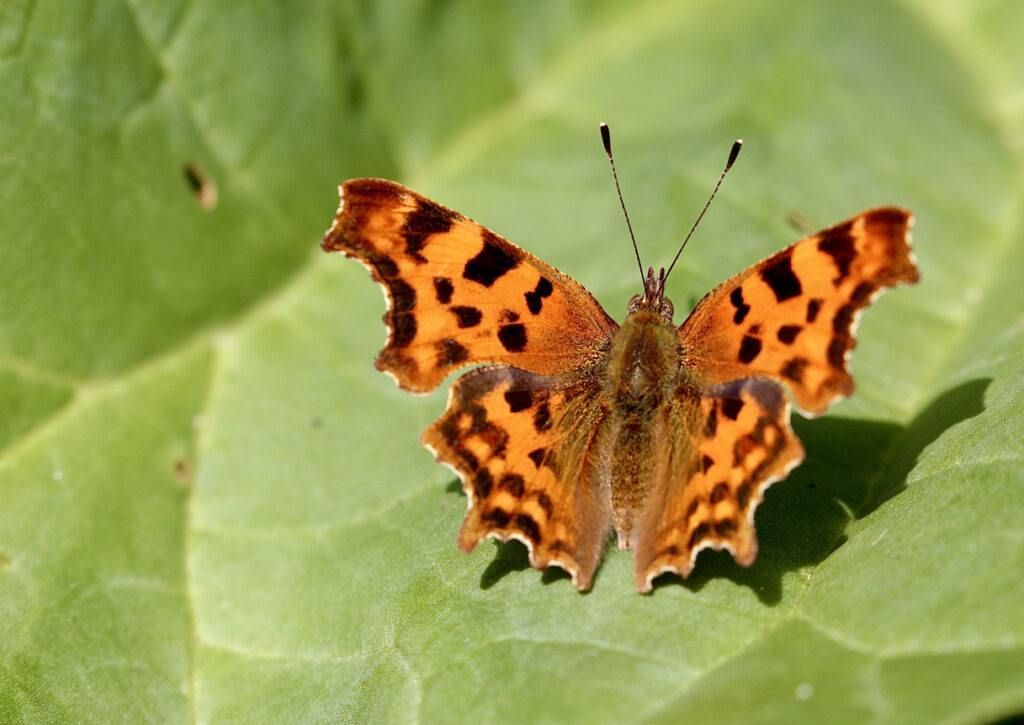
Several UK butterflies have full legal protection, including the large blue, heath fritillary, and high brown fritillary. It’s illegal to intentionally kill, injure, take, or sell them. You also can’t damage or destroy their breeding sites or resting places. These protections mean development projects must survey for protected butterflies first. If they’re present, work may be restricted or banned during breeding season. The butterflies’ needs legally override human activities in their habitats.
4. Moving certain bees is a criminal act.
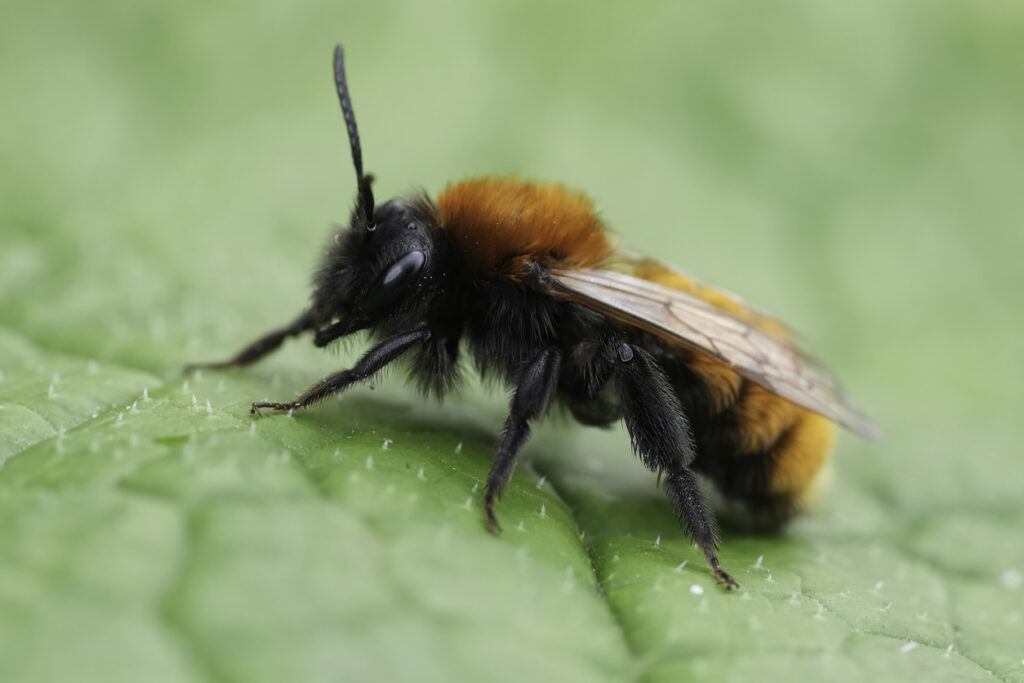
The shrill carder bee and some other rare bumblebee species are fully protected. You can’t intentionally or recklessly kill, injure, or capture them. Disturbing them while they’re nesting or hibernating is also illegal without a licence. This means if you find a protected bee species nesting in an inconvenient place, you can’t just remove them. You need a special licence and usually have to wait until they’ve finished nesting. Their protection is absolute.
5. Sites must be surveyed for rare insects before development.
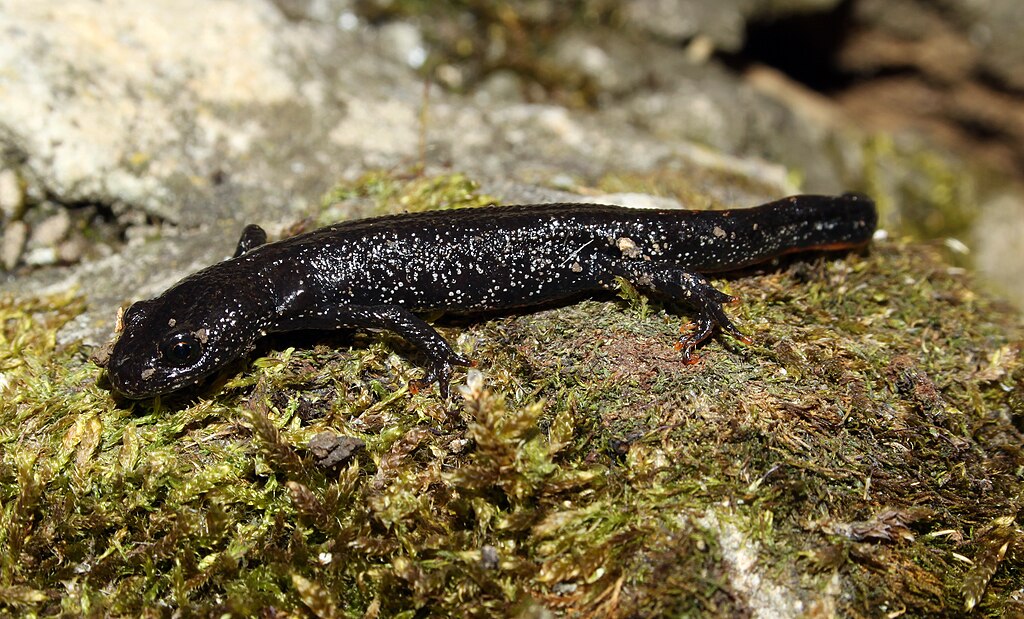
Planning applications for areas that might contain protected insects require ecological surveys. If species like the great crested newt or rare beetles are found, development can be stopped or significantly altered. The surveys are legally required.
Developers sometimes try to avoid surveying at the right time of year because finding protected species causes expensive delays. But proceeding without proper surveys is illegal and can result in prosecution if protected insects are harmed.
6. You can’t use certain pesticides near rare insect sites.

Restrictions exist on pesticide use near habitats of endangered insects. Some chemicals are banned outright in Sites of Special Scientific Interest. Even legal pesticides must be used carefully to avoid drift into protected insect habitats. Farmers and landowners near protected sites face stricter rules about what chemicals they can use and when. The restrictions aim to prevent accidental poisoning of rare insect populations through spray drift or run-off.
7. Collecting rare insects is completely illegal.

You can’t collect, keep, or sell protected insect species without a special licence. This includes dead specimens. Butterfly and beetle collectors who target rare species can face prosecution. Even photographing some species at their breeding sites requires permits.
Historic insect collecting contributed to declines of some species. The laws now protect against both commercial collecting and hobbyist over-collecting. Taking even one individual of a critically endangered species is treated seriously.
8. Specific plants must be maintained for protected insects.
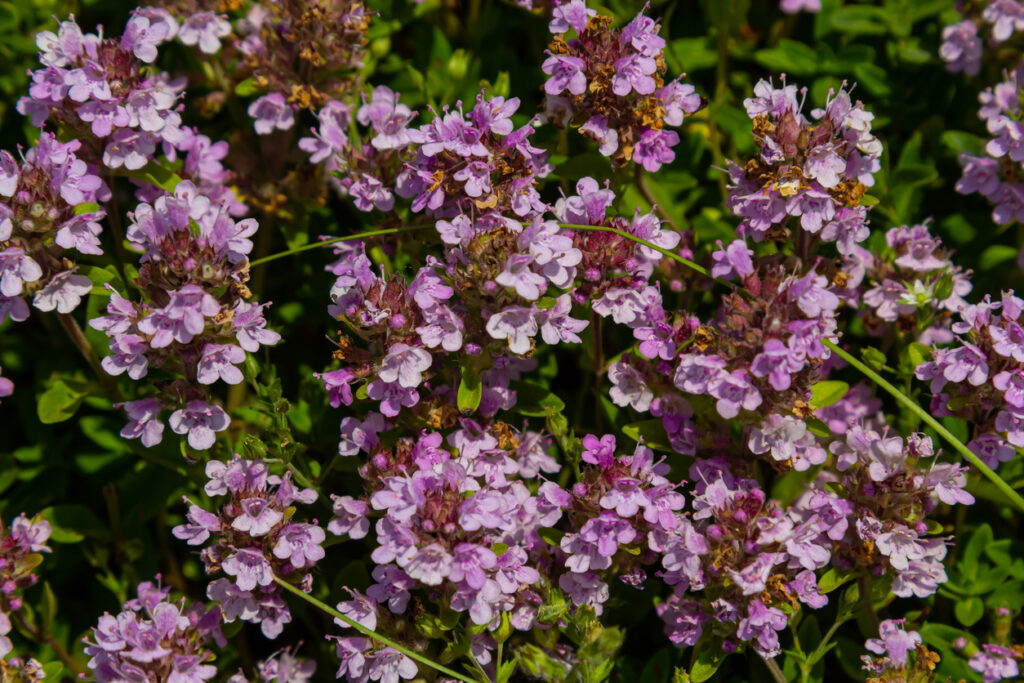
Some rare butterflies depend on single plant species. Where protected butterflies exist, the law effectively protects their food plants too. Destroying wild thyme where large blue butterflies breed or removing violets where fritillaries lay eggs can be illegal. This creates complicated situations where common plants gain protection because rare insects need them. Landowners in areas with protected butterflies must consider the insects’ food plants before clearing vegetation.
9. Light pollution rules protect moths in some areas.
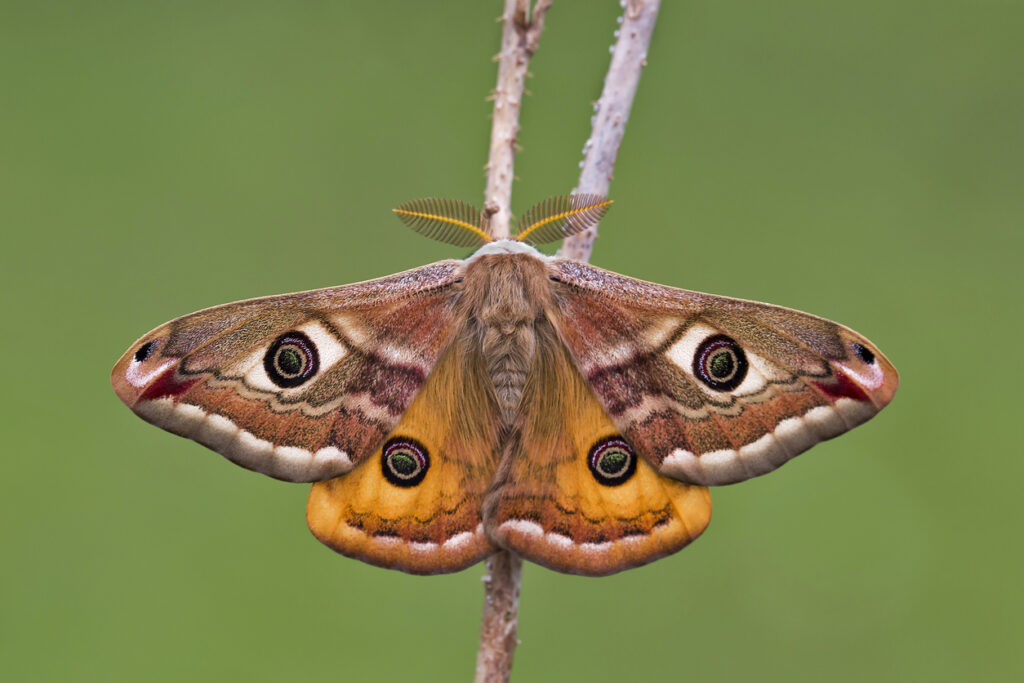
Planning restrictions on outdoor lighting exist partly to protect nocturnal insects, including rare moths. Excessive artificial light disrupts moth behaviour and navigation. In areas with important moth populations, new developments face limits on external lighting.
Street lighting and security lights near nature reserves or Sites of Special Scientific Interest may need to be shielded or turned off during certain hours. The darkness requirements are legally enforceable to protect moth populations.
10. Damaging ancient trees can be illegal because of their insects.
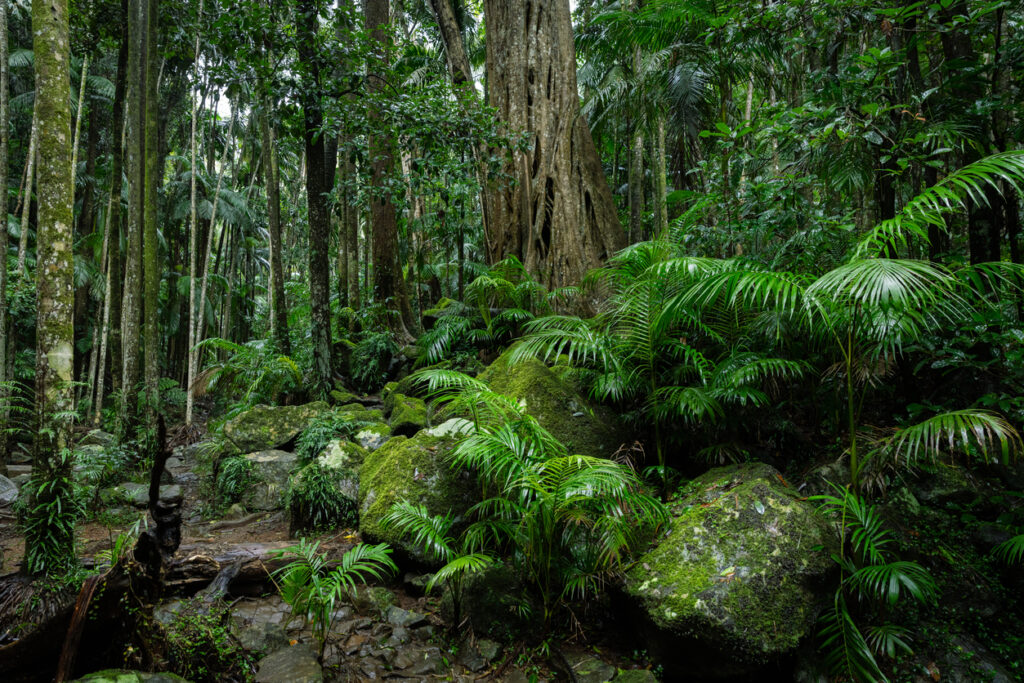
Ancient trees host hundreds of rare beetle species found nowhere else. Tree Preservation Orders and protections for ancient woodland exist partly because these trees are irreplaceable insect habitat. Cutting down ancient trees that host rare beetles is often illegal.
Even dead ancient trees are protected because they support rare wood-boring beetles and other insects. The insects living in and on these trees give the trees legal protection beyond just their age or size. The ecosystem they support matters legally.