In the tangled wetlands of South America, two apex predators quietly rule their muddy domains.

The alligator, a cold-blooded ambush hunter with bone-crushing jaws, meets its rival in the anaconda, a muscular constrictor capable of swallowing animals whole. Both are powerful, stealthy, and ancient, but what would happen if they faced off? These are some of the ways in which an alligator and an anaconda compare, from strength and size to tactics and survival in the swamp. They might help you decide who would come out on top.
They live in the same kind of habitat.
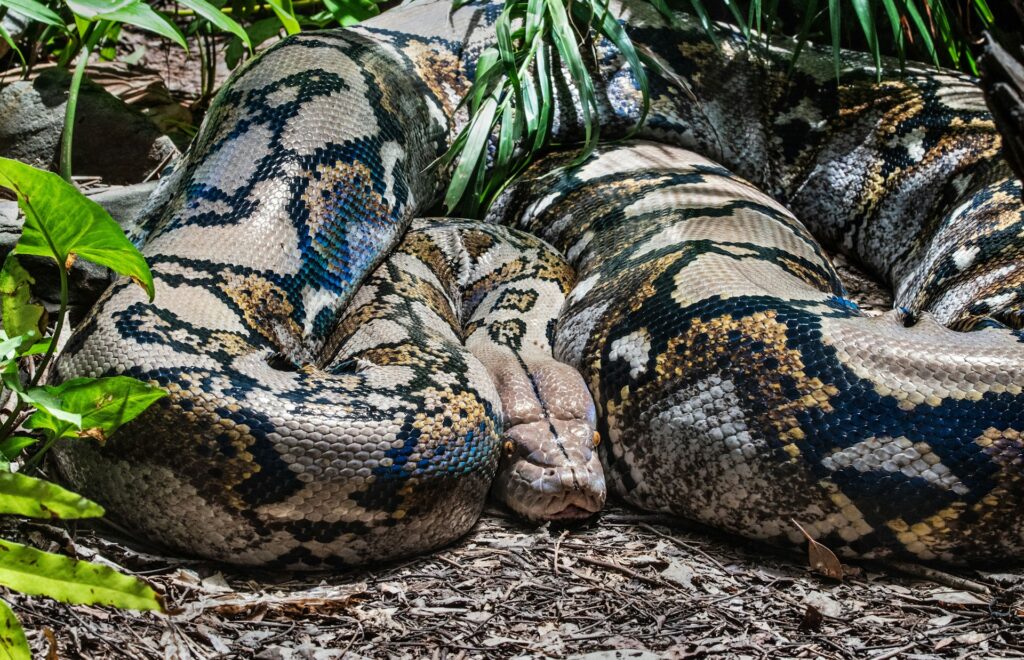
Both creatures thrive in warm, slow-moving water where visibility is poor, and the vegetation is dense. The alligator prefers freshwater swamps and rivers, while the green anaconda sticks to marshes and flooded forests. These environments give both the cover they need to ambush prey.
Because they share similar habitats, it’s not impossible for their paths to cross. In the Amazon Basin, large snakes and caimans (close relatives of alligators) sometimes encounter each other while hunting, setting the stage for dramatic clashes.
Size plays a big role in who wins.
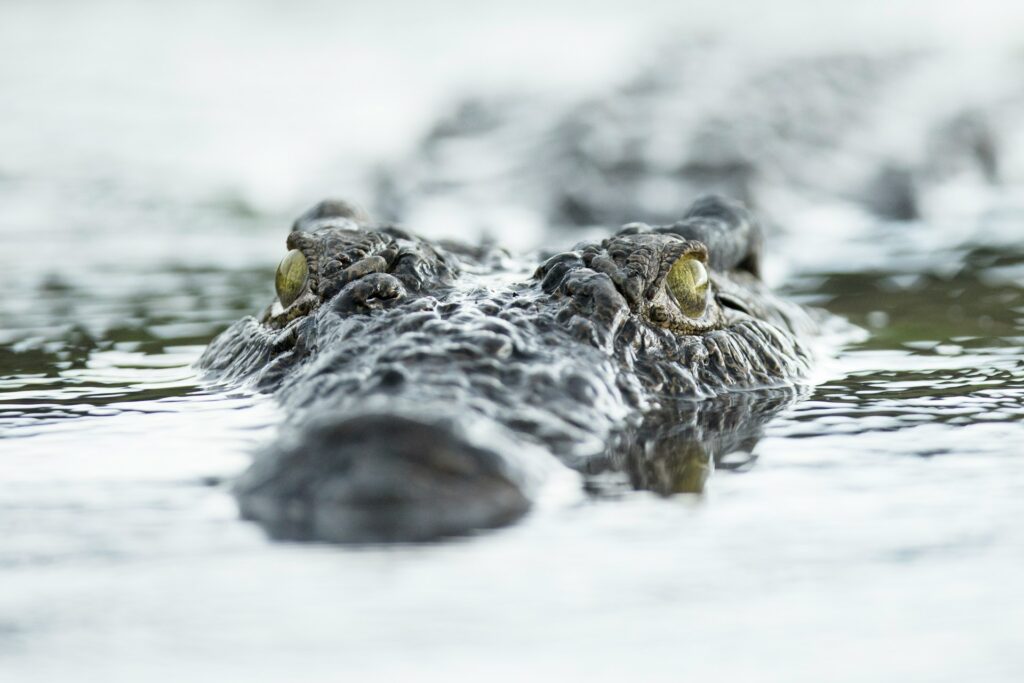
Adult alligators can reach up to 4 metres long and weigh around 450 kilograms, but green anacondas are even longer, sometimes stretching past 6 metres and weighing more than 200 kilograms. The snake’s advantage is flexibility and reach, while the alligator’s is brute force. If the alligator gets the first bite, it can crush bones instantly. But if the anaconda coils around its body before that, it could suffocate the reptile. It often comes down to which one strikes first.
The alligator has the stronger bite.
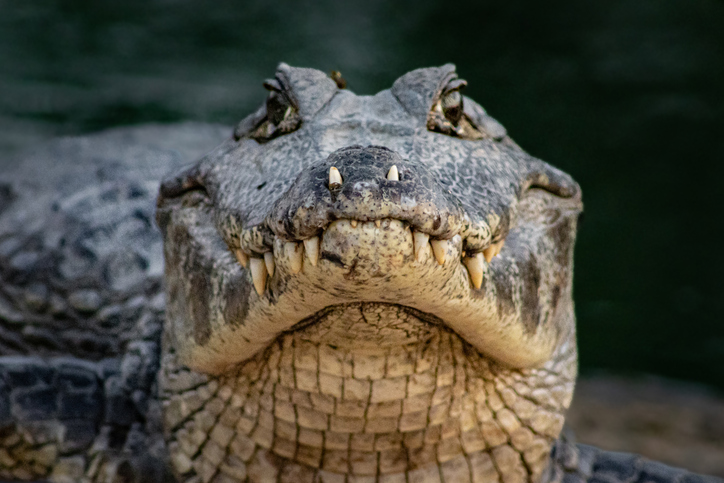
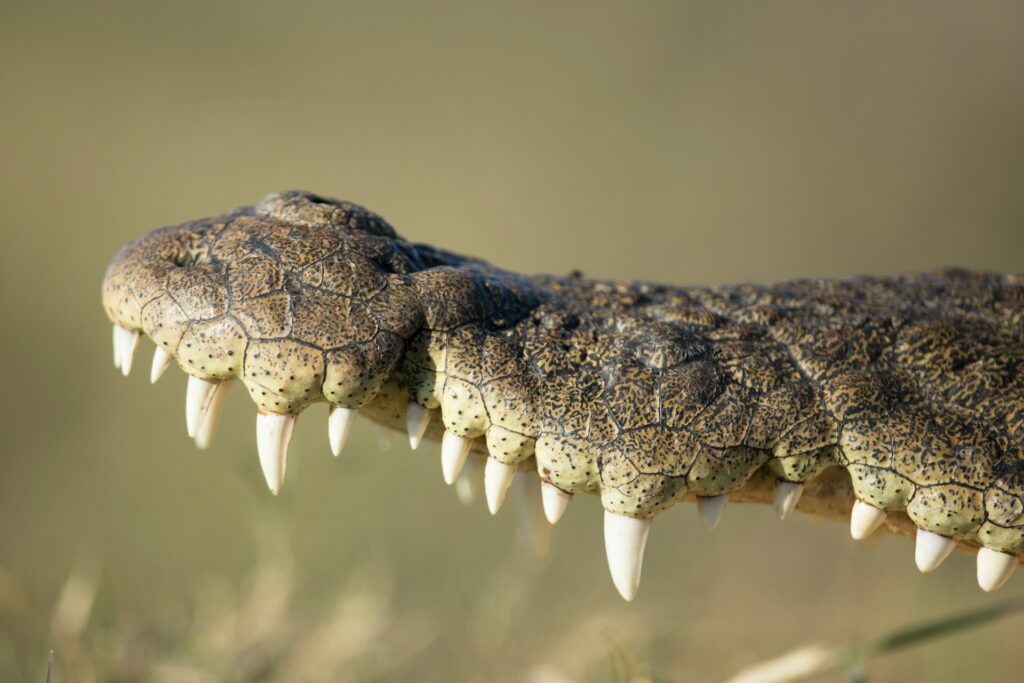
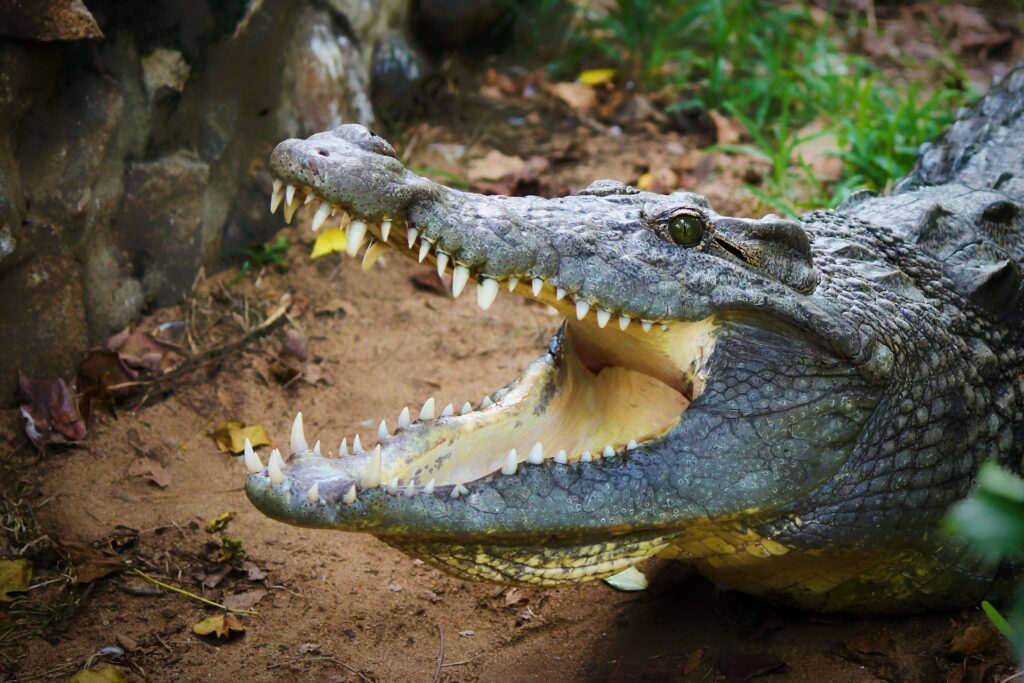
Few animals on Earth have a bite as powerful as an alligator’s. Their jaws can clamp down with a force of over 2,000 kilograms per square inch, easily breaking through turtle shells or large bones. Once they latch on, escape is almost impossible. Anacondas have no venom and rely on muscle strength instead of fangs. Their teeth are designed to grip, not to kill. That makes the alligator’s jaw strength a huge advantage in a face-to-face confrontation.
The anaconda’s strength lies in its coils.
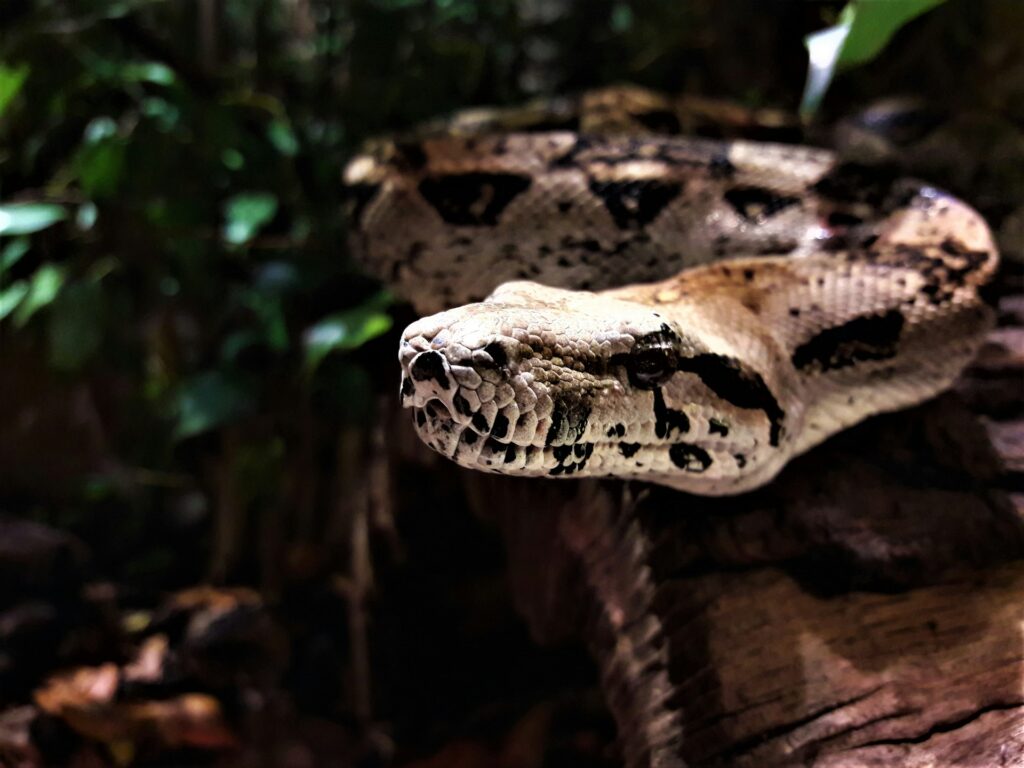
The anaconda’s real weapon is its body. Once it wraps around a victim, it tightens with every breath the prey takes until it can no longer move or breathe. This method is slow but effective, allowing the snake to overpower animals much larger than itself. If it managed to wrap around an alligator’s midsection, the snake could apply hundreds of kilograms of pressure. The challenge would be holding on long enough before the alligator bites or rolls free.
The alligator’s armour offers protection.
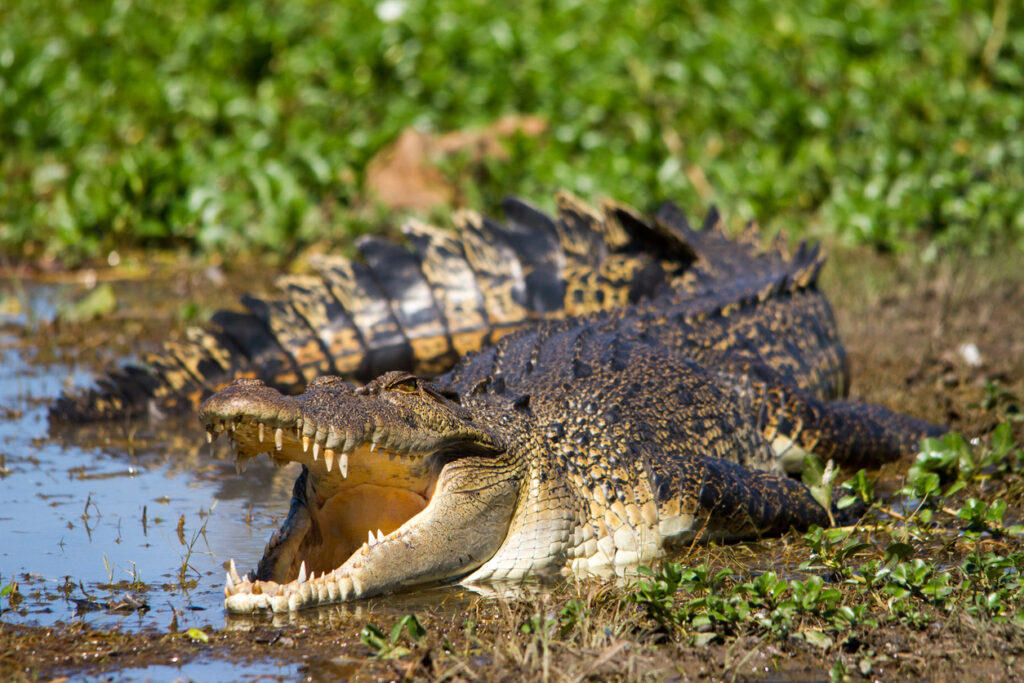
Alligators are covered in thick, scaly armour made of bone plates called osteoderms. These act like natural shields, protecting them from attacks and bites. Even predators with sharp teeth struggle to pierce that hide. The anaconda’s scales, while tough, are designed for flexibility rather than defence. In a physical battle, the alligator’s armour gives it a crucial advantage, especially during direct contact.
The anaconda can attack silently.
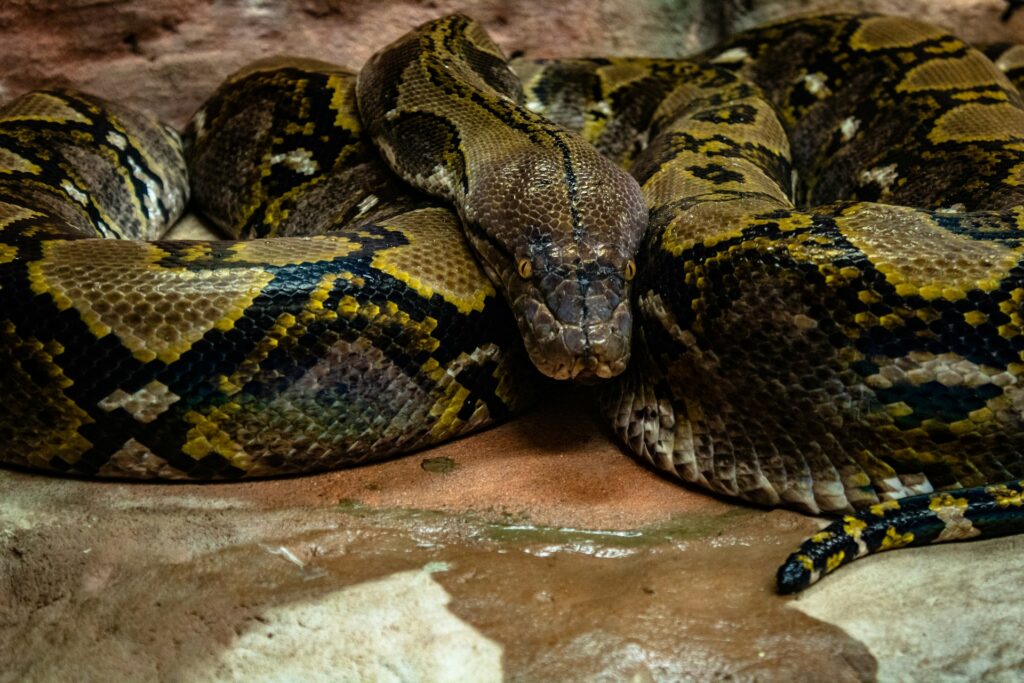
Anacondas are masters of stealth. They spend much of their time submerged, with only their eyes and nostrils above the water. When prey approaches, they strike quickly, wrapping their coils before the victim even realises what happened. Their ability to attack silently makes the anaconda dangerous, particularly in murky water. An alligator could easily become the target if it gets too close without noticing the snake lying in wait.
The alligator uses the death roll.
When alligators catch large prey, they often spin rapidly in the water, twisting flesh and bone apart in what’s known as a death roll. It helps them tear food into smaller pieces or escape an opponent’s grip. If an alligator were trapped in an anaconda’s coils, a sudden death roll could loosen or even break the snake’s hold. That single move could be the difference between life and death in a fight.
Both are ambush predators.
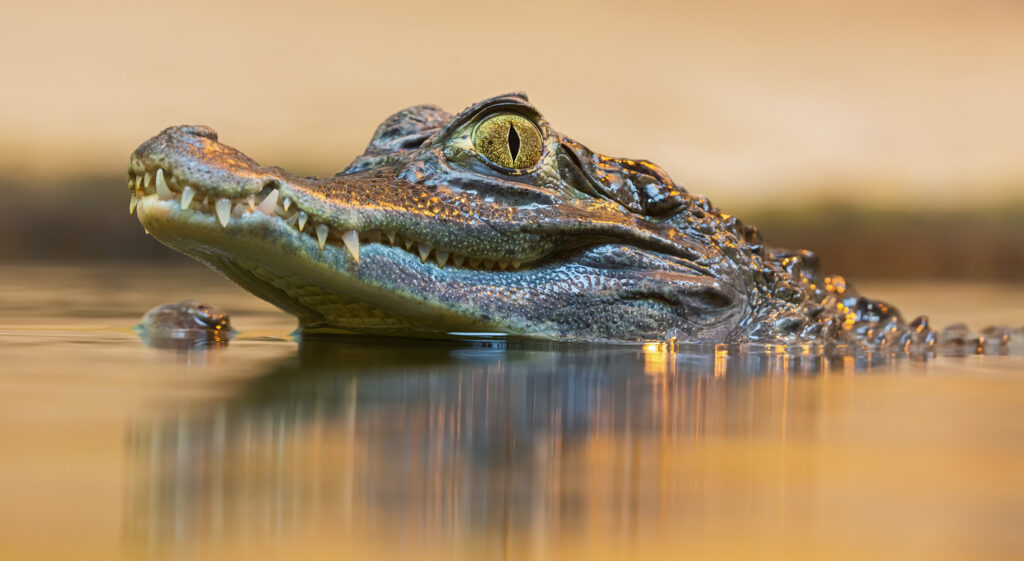
Despite their differences, both animals rely on patience and surprise rather than speed. They stay motionless until prey comes close enough to strike. The alligator lunges with a powerful bite, while the anaconda strikes with lightning speed and wraps its body around the target. In a natural setting, it’s more likely one would ambush the other rather than fight openly. These animals prefer efficiency over unnecessary battles, conserving energy for survival rather than dominance.
The fight would depend on the setting.
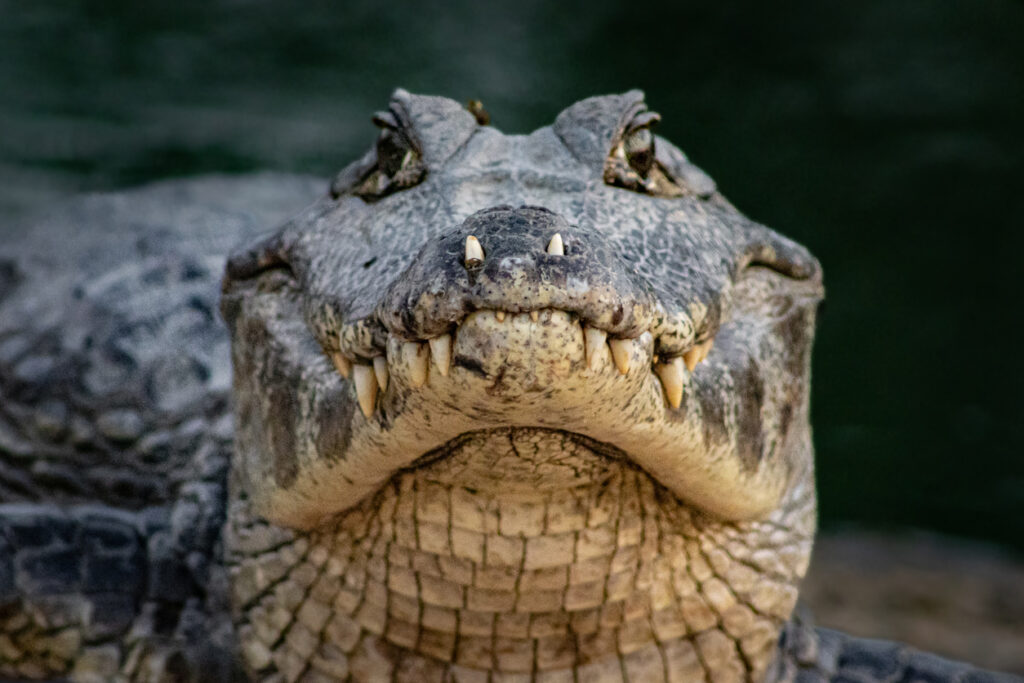
If the battle happened in deep water, the anaconda would have the advantage, using its flexibility and swimming strength to wrap around the alligator. But in shallow water or on land, the alligator would dominate thanks to its jaws and mobility. Each animal is perfectly adapted to its preferred environment, which means the “winner” depends entirely on where the encounter happens.
Anacondas can swallow massive prey.
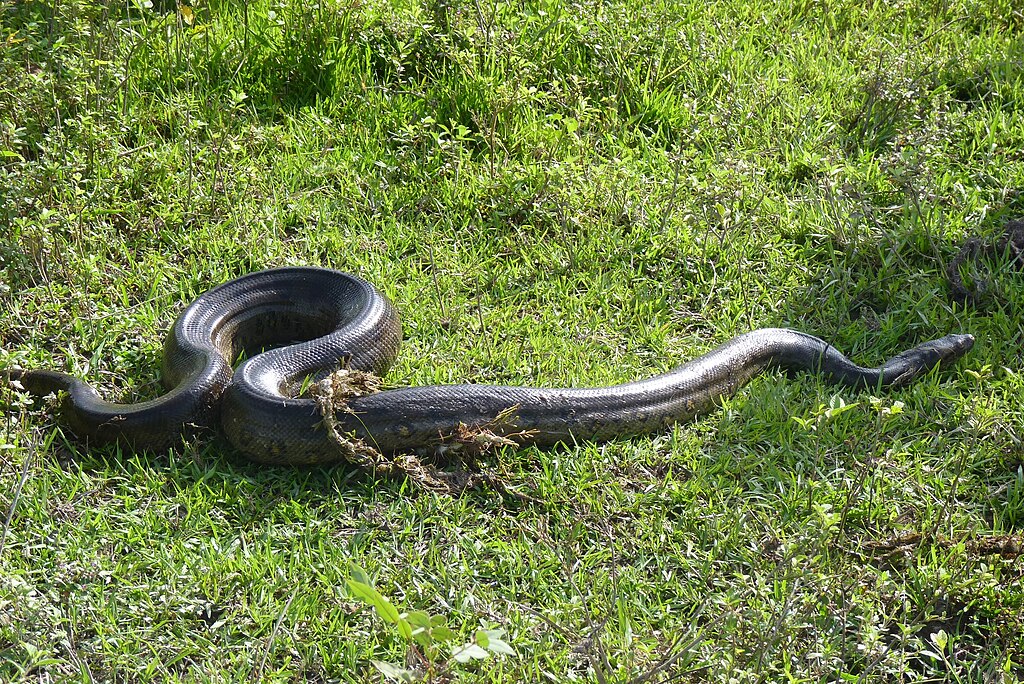
There are verified reports of anacondas consuming animals as large as capybaras and caimans. Their stretchy ligaments and slow digestion allow them to swallow something several times wider than their own head. In theory, an anaconda could eat a small or young alligator if it managed to kill it first. However, swallowing a full-grown adult would be nearly impossible due to its size and shape.
The alligator has better stamina.
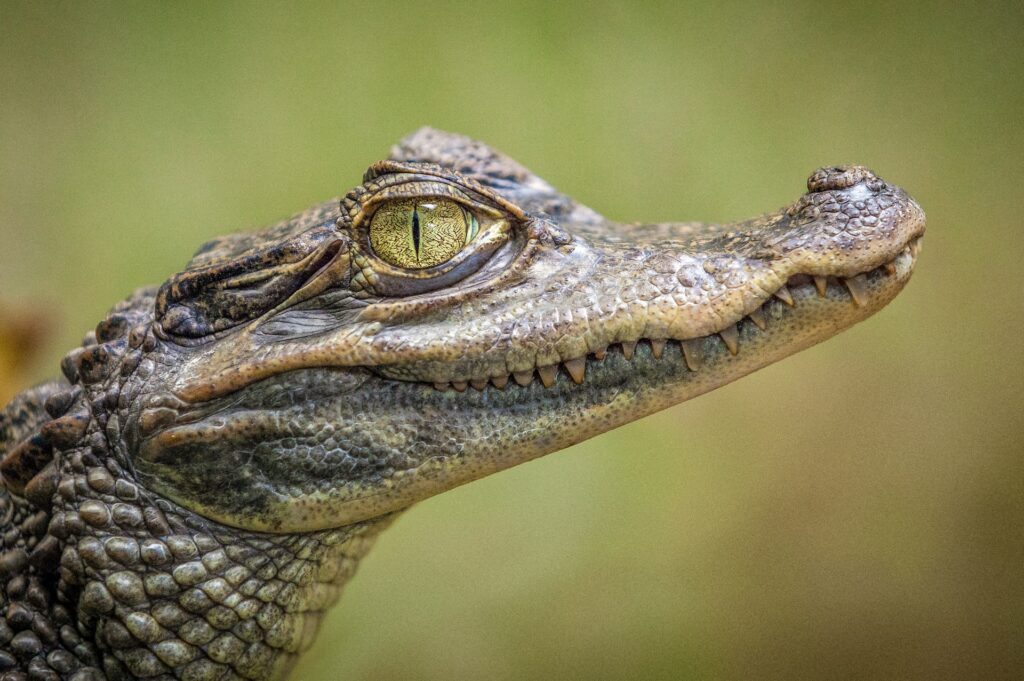
Alligators can move faster and for longer than most people realise. On land, they can sprint short distances, and in water, they can swim efficiently for hours. Their strong lungs and heart give them great endurance during fights. Anacondas tire more quickly after a large struggle. If a battle drags on, the alligator’s stamina could help it win simply by outlasting the snake’s strength.
Both have ancient evolutionary histories.
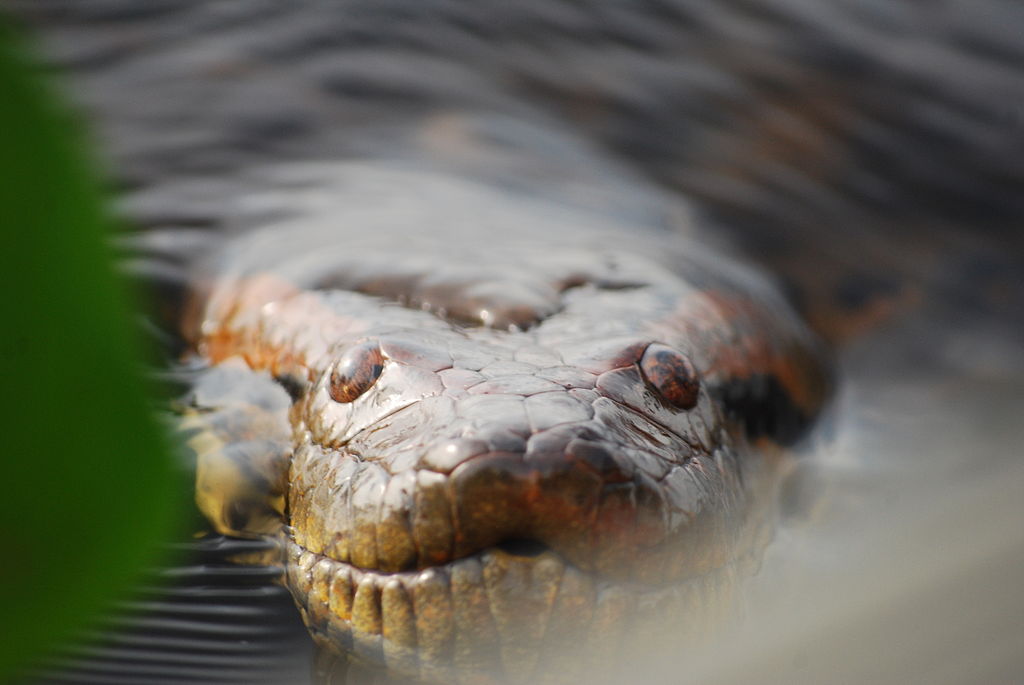
Alligators and anacondas are both living fossils, meaning their body designs have changed very little for millions of years. Their success proves how perfectly adapted they are to their habitats. They have survived every kind of environmental shift imaginable, from ice ages to rising seas. Their longevity in evolutionary terms is part of what makes the idea of their clash so fascinating: two ancient survivors, each representing a different path to power.
Nature rarely lets them meet.
In reality, these two species live on different continents. Alligators are found mostly in North America, while green anacondas live in South America. Only their close cousins, caimans, overlap with anacondas in the wild. That means an alligator-versus-anaconda showdown is unlikely to happen outside of theory. But imagining how their strengths and strategies might collide gives us insight into how nature designs predators to survive, not just fight.