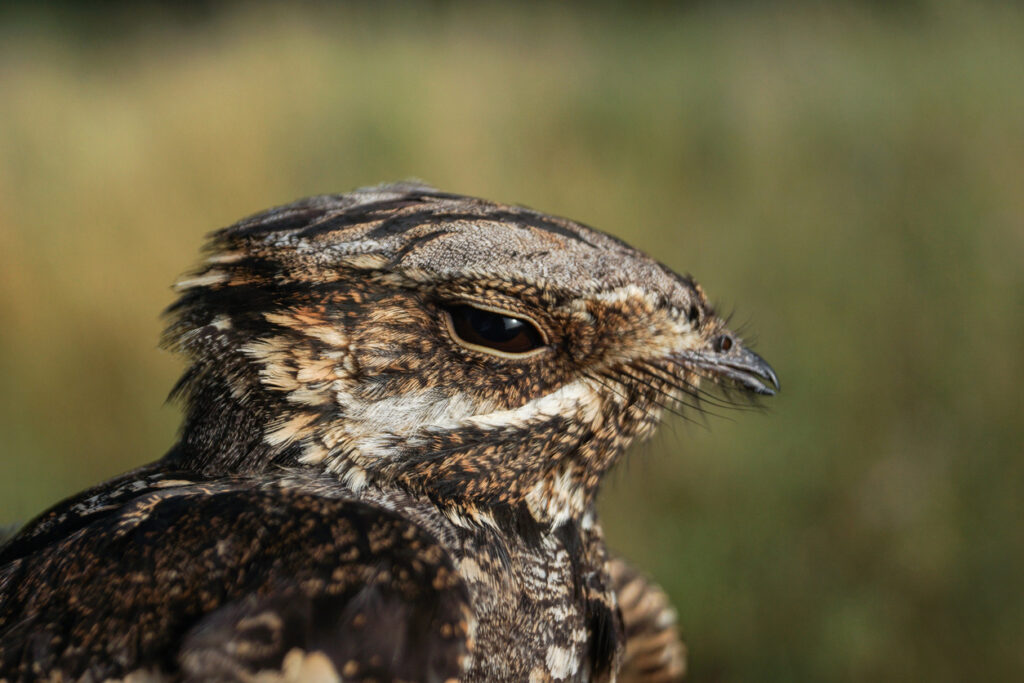
The nightjar has one of the strangest voices in British wildlife, and people have been trying to explain it for thousands of years. Its soft, haunting call carries across heathland at dusk, and the sound feels so otherworldly that ancient stories naturally grew around it. Learning what creates that eerie song helps you understand why past cultures thought these birds were connected to mystery, magic, and the edge of the natural world.
Their call sounds like a spinning wheel in the dark.
Most people expect a bird to sing or chirp, yet the nightjar produces a long, vibrating trill that rises and falls like a turning wheel. This unsettling sound doesn’t match what your ears expect, which makes it feel strangely out of place. Many people describe it as ghostlike because it continues for minutes without breaking, creating a steady hum that feels almost mechanical.
Listening closely helps you separate the rise and fall of the sound, which makes it easier to understand. Once you tune into the rhythm, you start noticing how the bird changes pitch depending on where it’s perched. This helps the sound carry over long distances and gives you a clearer sense of why people once thought something supernatural was calling across the countryside.
They only sing at dusk, adding to the eerie atmosphere.
The nightjar’s timing makes the sound more intense. Dusk already feels strange because the light fades and shapes become harder to see, so a long, unfamiliar call naturally feels more dramatic. When you hear it in the middle of quiet heathland, it’s easy to imagine why old stories connected the sound to spirits or wandering souls.
The pattern is easy enough to understand if you pay attention, though. The nightjar often waits for the last moments of light, so its voice carries without competition from other birds. This regular timing makes it easier to find them and helps the sound feel less mysterious once you understand their habits.
Their strange voice inspired myths about spirits.
Early listeners didn’t know which animal made the sound, so they tried to explain it through folklore. The drawn-out trill felt too smooth and too steady to come from a normal bird, which led people to imagine ghosts or night spirits hiding in the trees.
Learning more about the nightjar can replace fear with fascination. Once you know where they perch and when they call, the sound becomes more grounded. Understanding the bird behind the noise takes away the mystery while still letting you enjoy the atmosphere that made those stories so powerful.
Ancient Greeks believed nightjars stole milk.

When people saw nightjars flying low near goats and livestock, they didn’t understand insect feeding, so they assumed the birds were drinking milk from the animals. This led to the myth that nightjars were “goat suckers,” a name that stuck for centuries.
Knowing the truth helps the behaviour make sense. Nightjars hunt for insects that gather around livestock at dusk, so they were never after the animals themselves. Once you understand this, the old myth feels more like a misunderstanding than a threat, and the bird becomes easier to appreciate.
Medieval Europeans linked their song to warnings.
Hearing their long, trembling voice during lonely walks or nights outside was unsettling for many people. People believed the call warned of bad luck or danger because it seemed to appear from nowhere in otherwise quiet landscapes. With very few birds calling at night, the sound felt like a sign rather than a normal habit.
Recognising the nightjar’s patterns unveils the logic behind the myth. Their call simply marks the time when they begin hunting, not a message of danger. When you know this, the eerie moment shifts into a natural part of evening life rather than a warning from the unknown.
Their silent flight added to their mysterious reputation.
Nightjars fly without making a sound. Their feathers have soft edges that let them glide quietly, so people often heard their song without seeing any movement. This made the sound feel like it came from the air itself. Watching them in low light reveals more about how they move. They glide with gentle beats, drifting through the air like moths. Seeing their flight turns a mysterious voice into a complete picture of a skilled, quiet hunter.
They clap their wings loudly when threatened.

Nightjars break their silence with sudden wing-clapping sounds. These sharp noises can be surprising during a calm night and make people think something is lurking in the dark. Without knowing the bird’s habits, the sudden noise can feel unsettling.
Learning why they do this helps settle the mystery. The clapping is a warning signal meant to distract predators or protect their nest. Once you know that, you can tell the difference between their calm song and their defensive displays.
They lay eggs directly on the ground, deepening their folklore links.
The problem is that nesting on bare earth makes nightjar nests nearly invisible. People would find chicks or eggs with no clear sign of where they came from, which made the birds feel more mysterious and connected to unseen forces.
Understanding their nesting style helps the behaviour make sense. Their eggs blend into the ground perfectly, and the adults rely on camouflage rather than complex nests. Knowing this turns a strange habit into a clever survival strategy.
Their wide mouths looked unsettling to early observers.
Nightjars open their mouths far wider than most birds when catching insects. Early travellers thought the huge gape looked odd or unnatural, which fuelled myths about throat spirits or supernatural feeding.
Seeing the mouth in action really makes the design clearer. Nightjars scoop insects from the air like nets, so the wide gape is a practical tool, not something frightening. Once you see it that way, the strange feature becomes one of their most impressive skills.
Their call changes pitch without breaking.
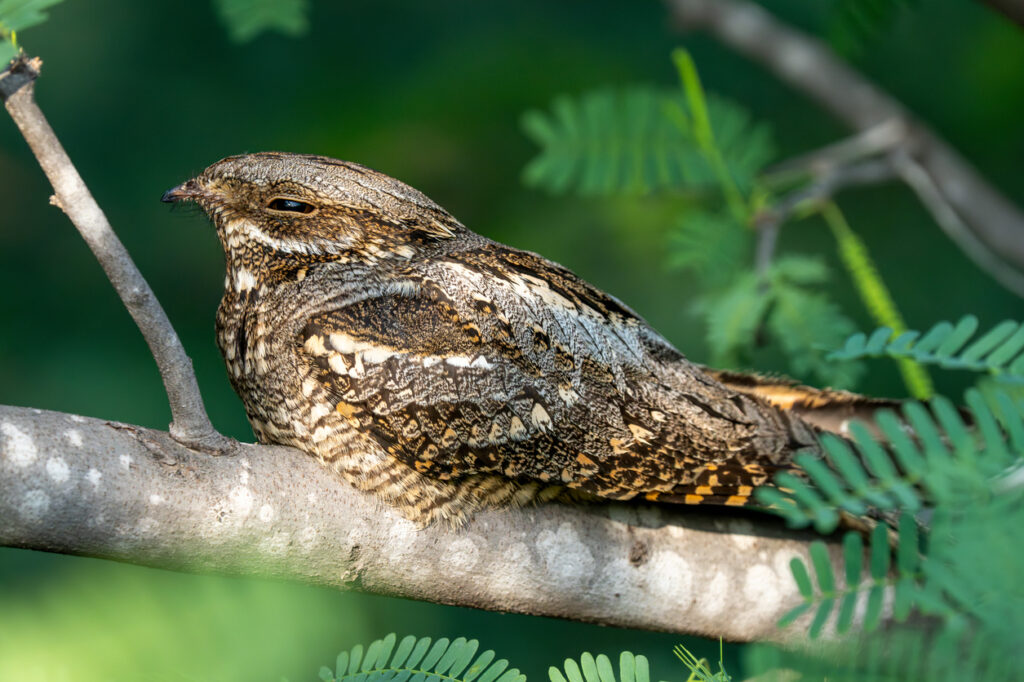
The nightjar’s song rises and falls smoothly like a slow siren. This unusual pattern can make the call feel alive in a way most bird calls don’t. It can even sound like it’s drifting across the land rather than coming from one point.
Listening to recordings helps you hear how the pitch changes with the bird’s body position. When they turn their head or shift on a branch, the sound changes direction. Knowing this helps the call feel more natural and less like something supernatural moving through the air.
Nightjars were once seen as protectors of the night.
For a long time, people didn’t understand insect populations or pest control, so they guessed at the bird’s purpose. In some cultures, nightjars were seen as guardians keeping away harmful spirits simply because they were active when others slept. Learning how they catch insects helps modern listeners appreciate the truth. Nightjars help reduce pests and keep ecosystems balanced. Once you know this, the idea of them guarding the night feels less mystical but still meaningful.
Their stillness made them seem supernatural.
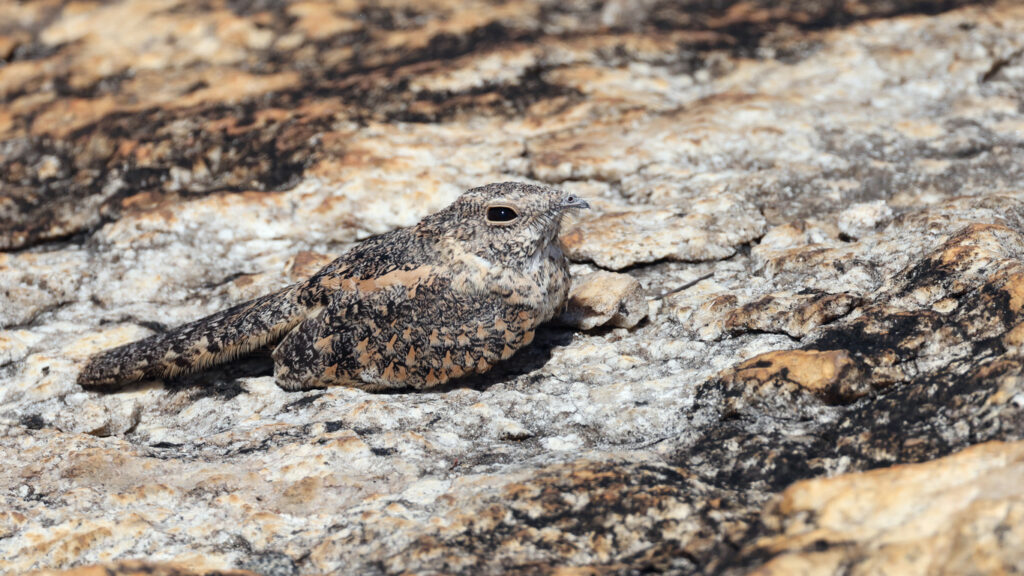
When you see a nightjar resting during the day, it’s freaky. They freeze completely, blending into branches or ground. Early travellers believed they were enchanted creatures because nothing about their posture looked like a typical bird. Knowing their camouflaging skill helps you see the intention behind it. Their stillness is a survival strategy that keeps them hidden from predators. Understanding this makes the bird feel clever rather than magical.
Their call inspired poetry and superstition across Britain.
The nightjar’s voice carries far in open landscapes, which made rural communities think the bird was calling across worlds. Poets wrote about its eerie rise and fall, shaping its reputation as a symbol of the unknown. Reading those old poems today helps you connect their words to real behaviour. When you link their descriptions to the bird’s voice, the nightjar becomes a bridge between old stories and modern understanding rather than an unexplained presence.
Even today, people describe their call as “otherworldly.”
Their sound still seems unusual because nothing else in British wildlife sounds the same. Hearing one for the first time can catch you off guard, especially in dark, open places where every noise feels heavier. Once you recognise the pattern and understand the reasons behind the sound, the nightjar becomes less eerie and more extraordinary, showing exactly why it inspired so many myths in the first place.