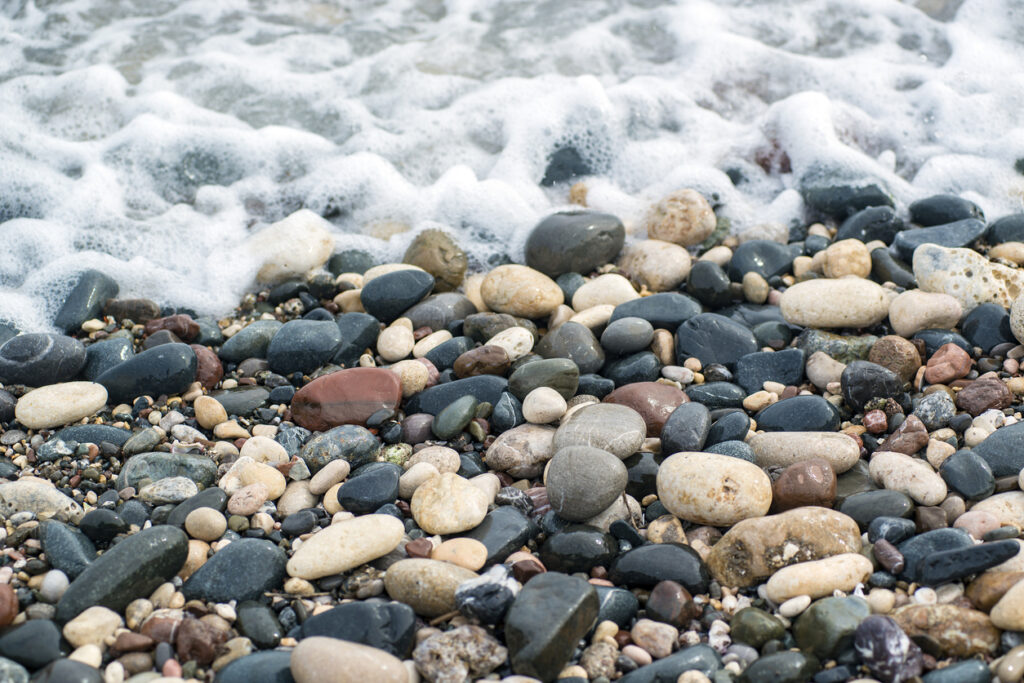
If you’ve been to beaches around Britain, you’ve probably noticed some have lovely soft sand, while others are just covered in pebbles and rocks. It’s not random luck or just how things ended up; there’s actually proper science behind why different beaches look entirely different, and it all comes down to geology and what the sea’s been doing for thousands of years.
It depends on what rocks are nearby.
The type of beach you get basically comes from whatever rocks are in that area getting smashed up over time. If the cliffs and seabed nearby are made of soft rocks like chalk or sandstone, they’ll break down into sand pretty easily. However, if you’ve got hard rocks like granite or flint in the area, they don’t break down as easily, and you end up with pebbles and stones instead. The beach is literally just made from whatever the local geology is serving up.
Waves and currents move sand away from some places.
Even if an area produces sand, strong waves and currents can just sweep it all away before it settles. Some beaches are in spots where the water movement is so strong that only heavy pebbles can stay put, while all the sand gets carried off somewhere else. This is why you’ll sometimes find a sandy beach right next to a pebbly one. The currents and wave patterns are different in each spot, so one beach manages to hold onto its sand while the other one loses it all.
The Ice Age dumped different stuff in different places.
During the last Ice Age, massive glaciers scraped across the UK, picking up rocks and dumping them in random places. When the ice melted, it left behind whatever it had been carrying, which is why some beaches are covered in stones that don’t even match the local rock type.
The glaciers were like giant conveyor belts, moving rocks from Scotland and dumping them in East Anglia or wherever they happened to melt. That’s why you’ll find random boulders and pebbles on beaches that seem to have come from nowhere.
Some beaches are naturally sheltered from big waves.
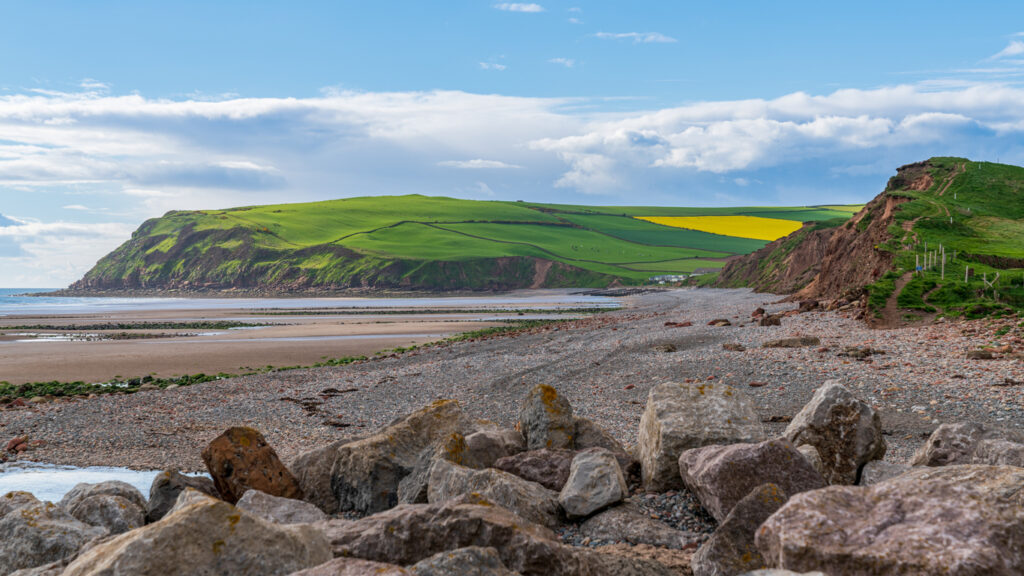
Sandy beaches tend to form in bays and sheltered spots where the waves aren’t as aggressive. The calmer water lets fine sand settle and stay put instead of being constantly churned up and washed away by massive waves. Rocky beaches are often on exposed coastlines where the sea’s properly battering the shore constantly. The waves are too powerful for sand to settle, so only the heavy stuff like pebbles and rocks can handle staying there without getting swept off.
Rivers dump sand at their mouths.
Loads of sandy beaches form where rivers meet the sea because rivers carry tons of sand and sediment down from inland. When the river water slows down as it hits the sea, all that sand drops out and builds up. This is why estuary beaches are often sandy even when the rest of the coastline is rocky. The river’s been doing the work of grinding up rocks inland and delivering ready-made sand straight to the coast.
Longshore drift moves material along the coast.
The way waves hit the beach at an angle means they’re constantly pushing sand and pebbles along the coastline in one direction. This process, called longshore drift, can strip sand from one beach and dump it on another further down the coast. Some beaches lose all their sand to longshore drift and end up rocky, while others are constantly receiving sand from somewhere else. It’s like a conveyor belt running along the coast, constantly rearranging where the sand ends up.
Chalk cliffs create different beaches than granite cliffs.
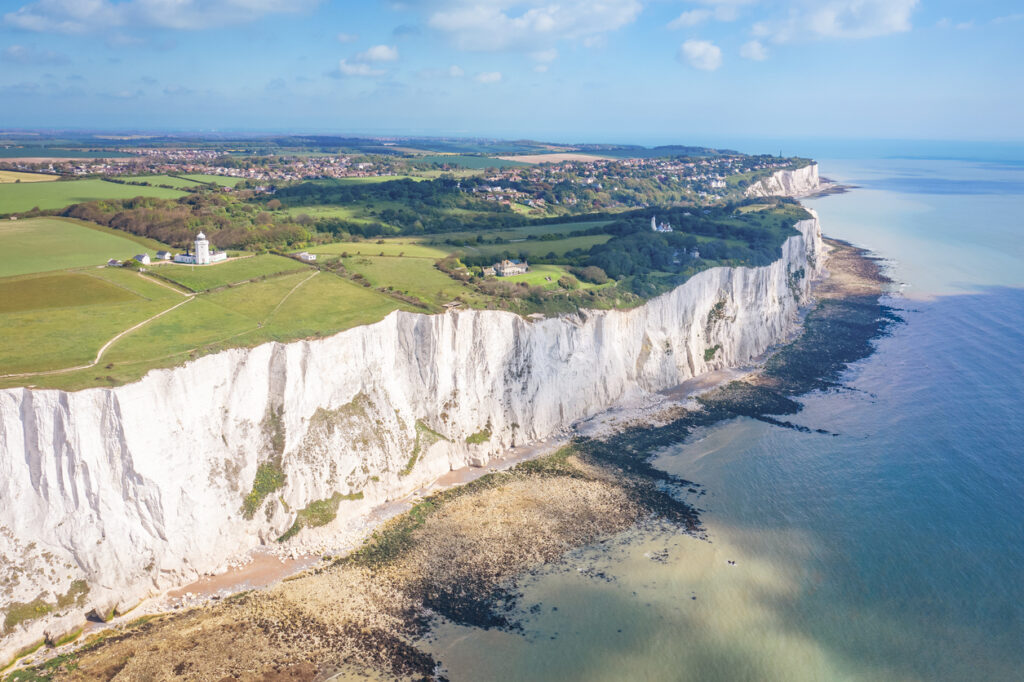
The white chalk cliffs you see in places like Dover break down into really fine particles that mostly just dissolve into the sea or wash away. They don’t create much sand at all, which is why chalk cliff beaches are often pebbly rather than sandy. Granite and harder rocks take absolutely ages to break down, so they sit around as pebbles for thousands of years before they eventually become sand. By that time, the sea’s usually moved them somewhere else entirely.
Human interference has changed loads of beaches.
Sea defences like groynes and sea walls have massively changed how sand moves along the coast. These structures trap sand on one side and starve beaches further along, which has turned some naturally sandy beaches into pebbly ones over the years. Dredging and harbour development also mess with natural sand movement. When we build stuff in the sea or change the coastline, we’re interrupting processes that have been working for thousands of years, and beaches change as a result.
The angle and depth of the seabed matters.
Beaches with a gentle slope into the sea tend to be sandier because the gradual depth lets waves slow down and deposit fine sand. Steep beaches usually end up pebbly because the waves are more powerful right at the shore. The shape of the seabed also affects how waves break. If the bottom’s really uneven and rocky, it creates turbulent water that keeps everything churned up, making it hard for sand to settle properly.
Tidal range affects what kind of beach you get.
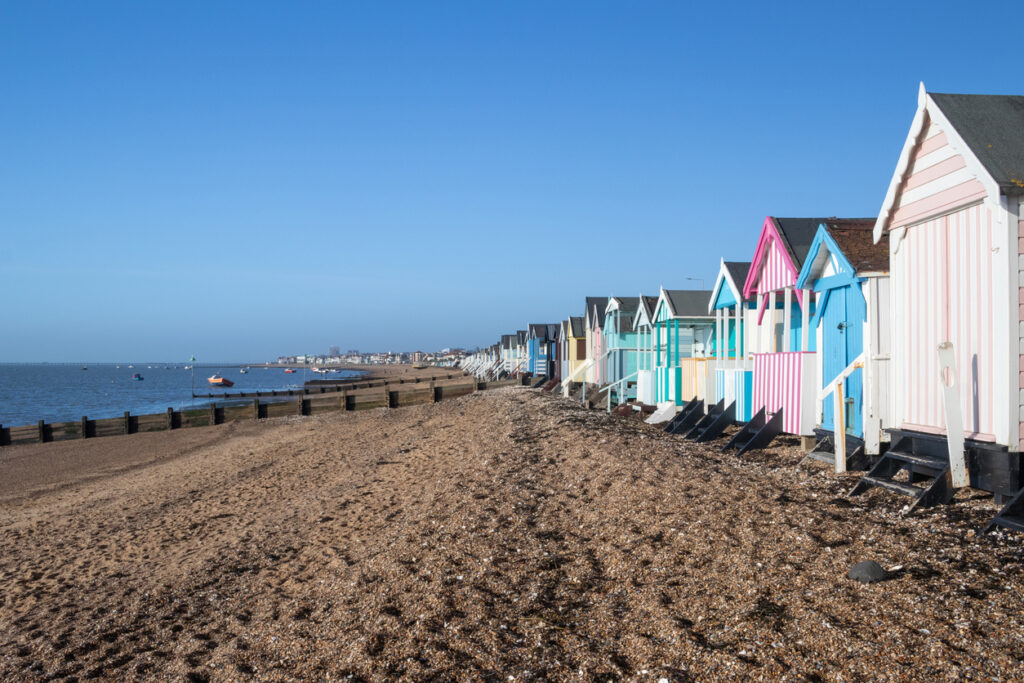
Britain has some of the biggest tidal ranges in the world, and this affects beaches differently in different places. Areas with massive tides tend to have wider, sandier beaches because the sand gets exposed and dried out regularly. Places with smaller tidal ranges often have narrower beaches that stay wetter, which can affect what settles there. The constant movement of huge volumes of water in high-tide areas also sorts materials differently, separating sand from pebbles more effectively.
Storm events completely reshape beaches.
One massive storm can strip a sandy beach down to pebbles or dump tons of sand on a previously rocky beach. Winter storms are particularly brutal and can completely change what a beach looks like, sometimes taking years to recover. Some beaches actually change seasonally. They might be sandy in summer when the gentle waves deposit sand, then turn pebbly in winter when storms rip all the sand away and leave just the heavy stones behind.
Different beaches are at different stages of development.
Some rocky beaches are basically young beaches that haven’t had enough time for all those pebbles to break down into sand yet. Give them another few thousand years of waves battering them, and they might eventually become sandy.
Other beaches are actively losing their sand because of changing sea levels or coastal erosion patterns, so they’re going backwards from sandy to pebbly. Beaches aren’t fixed things, they’re constantly evolving and changing based on what’s happening around them. What you see today might look completely different in a hundred years.