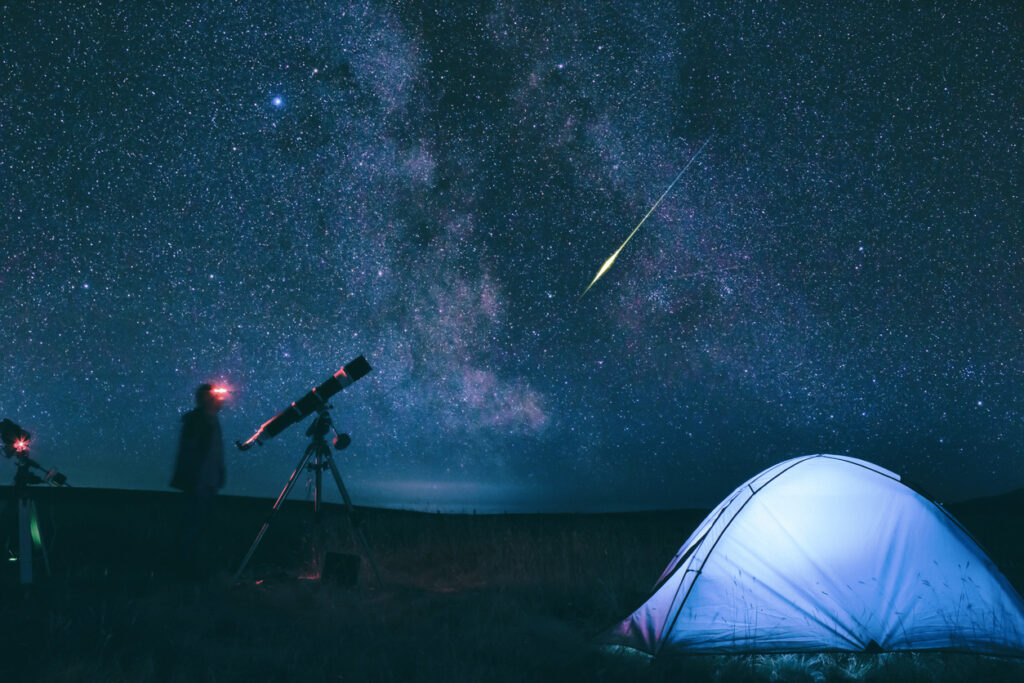
Every December, astronomy websites dutifully mention the Ursid meteor shower in their monthly sky guides, and then basically nobody watches it or cares. It peaks right around the winter solstice near Christmas, it’s active when people are on holiday and theoretically have time to stargaze, and yet it remains one of the most ignored meteor showers of the year. The Ursids are the astronomical equivalent of that person at a party who nobody notices because more interesting people are talking louder nearby, except in this case the Geminids happened two weeks earlier and stole all the attention.
Ask random people if they’ve heard of the Perseids or the Geminids and loads will say yes, but mention the Ursids, and you’ll get blank stares from anyone who isn’t properly into astronomy. It’s not entirely unfair that nobody bothers with them because they’re genuinely one of the weaker annual meteor showers, but the complete lack of attention they get is still a bit sad. These meteors have been happening every December for thousands of years, radiating from near the Little Dipper, and they might as well not exist for all the cultural impact they’ve made.
The timing is pretty terrible.
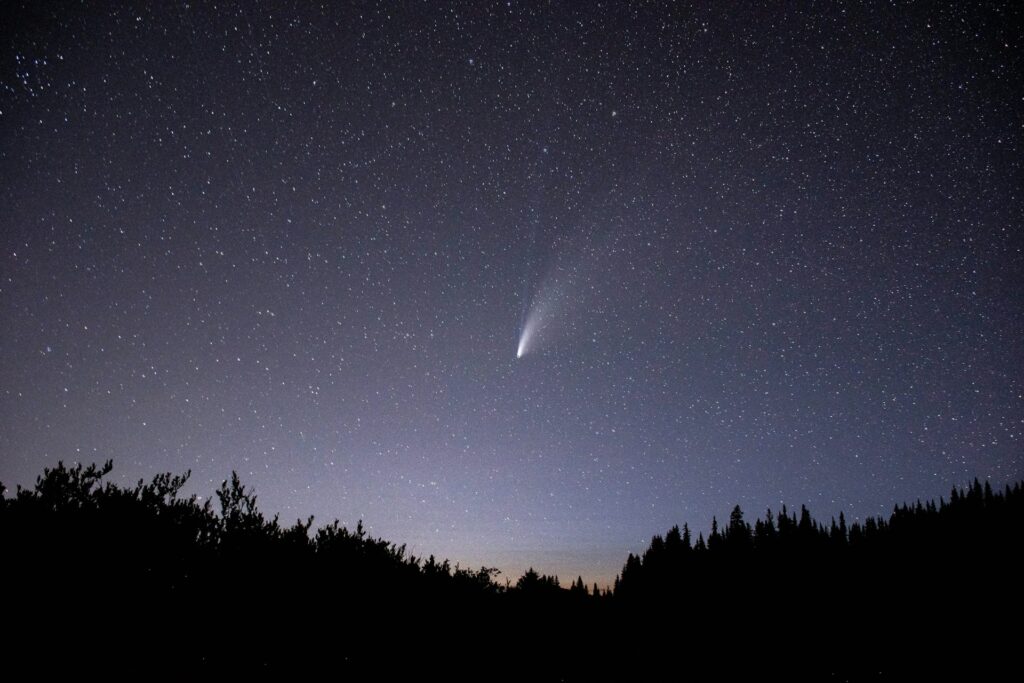
The main reason nobody watches the Ursids is they peak around December 21-22, right when people are dealing with Christmas chaos. You’re wrapping presents, travelling to see family, attending work parties, shopping for last-minute stuff, and generally having zero mental space to think about staying up to watch a mediocre meteor shower. Even people who love astronomy are often too knackered from holiday stress to bother going outside in the freezing cold to maybe see a few shooting stars.
The winter solstice timing also means it’s the longest night of the year, which sounds good for meteor watching until you remember it’s also absolutely freezing in the Northern Hemisphere. December nights are brutal for stargazing because you’re dealing with arctic temperatures, potential snow or ice, and the kind of cold that seeps into your bones within minutes. Even dedicated meteor watchers think twice about lying outside for hours when it’s this cold, and casual observers definitely aren’t bothered.
Christmas itself often involves cloudy, miserable weather across much of Europe and North America, which thoroughly ruins visibility even if you wanted to watch. The holiday period is statistically rubbish for clear skies in many places, so the Ursids are fighting terrible weather on top of terrible timing. You can’t watch meteors through clouds, and December is peak cloud season in loads of places where people might otherwise give it a go.
The Geminids overshadow them completely.
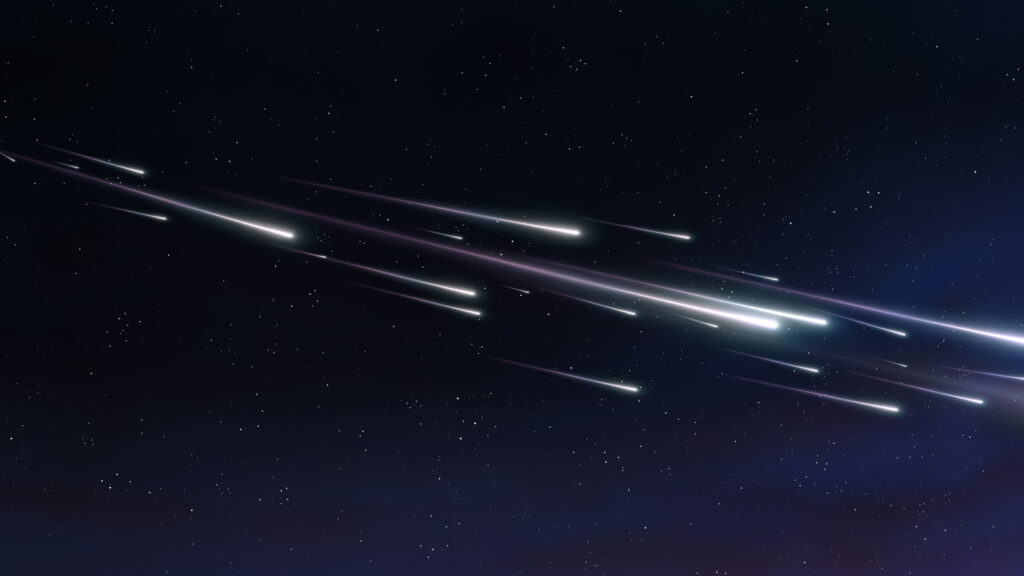
The Geminids peak about a week before the Ursids, putting on a brilliant show with up to 120 meteors per hour under ideal conditions. They’re bright, reliable, and genuinely spectacular, which means anyone interested in meteor watching has already had their December meteor fix before the Ursids even start. It’s like being a support act for a massive band, you’re performing to people who’ve already seen the main event and are heading home.
Astronomy communicators and websites spend loads of energy promoting the Geminids because they’re actually worth the hype, which means the Ursids get mentioned as an afterthought if they’re mentioned at all. The messaging becomes “make sure you catch the Geminids, they’re brilliant!” followed by a halfhearted, “Oh, and the Ursids happen later in the month, too, I suppose.” Nobody’s got enthusiasm left for promoting a second, much weaker meteor shower when they’ve just spent two weeks telling everyone to watch the first one.
For casual stargazers who might watch one meteor shower a year, the choice between the Geminids and the Ursids is obvious. Why would you bother with a shower that produces maybe 10 meteors per hour when you could have watched one with 120 meteors per hour the previous week? The Ursids lose that comparison so badly that they basically don’t exist in public consciousness.
They’re just not that impressive.
Being brutally honest, the Ursids are a bit rubbish compared to other annual meteor showers. Ten meteors per hour at peak means you might see one every six minutes if you’re lucky and have perfect conditions, which is not exactly riveting entertainment. You’ll spend more time freezing in the dark waiting for something to happen than actually seeing meteors, which is a hard sell even to people who enjoy astronomy.
The meteors themselves aren’t particularly bright or colourful either. They’re average speed, average brightness, and generally unremarkable compared to the slow, bright Geminids or the fast, persistent Perseids. There’s nothing about Ursid meteors that makes them memorable when you do see one, no distinctive colour or behaviour that sets them apart. They’re just standard shooting stars that happen in small numbers during the worst possible time of year.
Occasionally, the Ursids have an outburst year when rates jump up significantly, sometimes reaching 25–30 meteors per hour or even higher. But these outbursts are unpredictable and rare, happening maybe once or twice a decade, so you can’t plan around them. Most years you get the standard low rates, which means even if you make the effort to watch, you’re probably seeing the disappointing version rather than anything special.
The radiant point is awkwardly positioned.
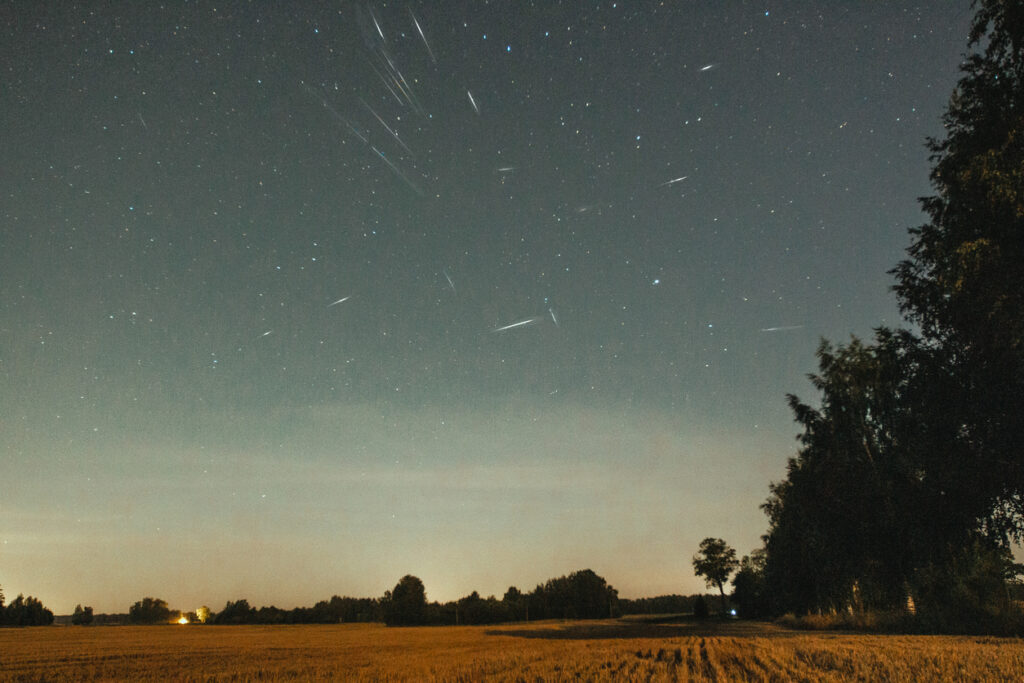
The Ursids radiate from near Kochab, one of the stars in Ursa Minor, the Little Dipper. For observers in the Northern Hemisphere, this radiant is circumpolar, meaning it never sets and is visible all night, which sounds convenient. But in late December the radiant is actually not ideally placed during the evening hours when most people would want to watch, it’s better positioned in the early morning hours when even fewer people can be bothered.
For Southern Hemisphere observers, the situation is even worse because Ursa Minor is either very low on the horizon or not visible at all, depending on latitude. This means the Ursids are essentially a Northern Hemisphere-only event, cutting out half the world’s potential observers before you even start. Other major meteor showers like the Perseids and Geminids are visible from both hemispheres, giving them much broader appeal and audience.
The name itself doesn’t help either because loads of people don’t know the constellation Ursa Minor or can’t find it in the sky. Everyone knows where to look for the Perseids once you explain “near Perseus in the northeast” but telling someone to look near the Little Dipper gets you blank stares from anyone who can only find the Big Dipper. The obscure radiant location combined with the technical-sounding name makes the whole thing seem intimidating and not worth the effort.
Weather is statistically awful.
December is one of the worst months for astronomical observing across much of the Northern Hemisphere because winter weather systems bring persistent cloud cover, storms, and precipitation. The Ursids peak right when many areas are experiencing their cloudiest, most miserable weather of the year, making actually seeing them a matter of luck as much as planning.
Even if you get lucky with clear skies, you’re dealing with cold humid air that creates haze and reduces visibility. Winter nights often have moisture in the atmosphere that scatters light and makes the sky less dark than it should be, reducing the number of faint meteors you can see. You need properly crisp cold clear air for good meteor watching, and December often delivers damp murky conditions instead.
The short gap between sunset and when people go to bed during the holidays also works against the Ursids. It gets dark early in December, but people are often indoors with family or at parties during those evening hours, not thinking about going outside to stargaze. By the time things quiet down, and you might consider watching meteors, it’s late, you’re tired, and the idea of going out in the freezing cold for a mediocre meteor shower sounds terrible.
There’s no cultural hook or marketing angle.
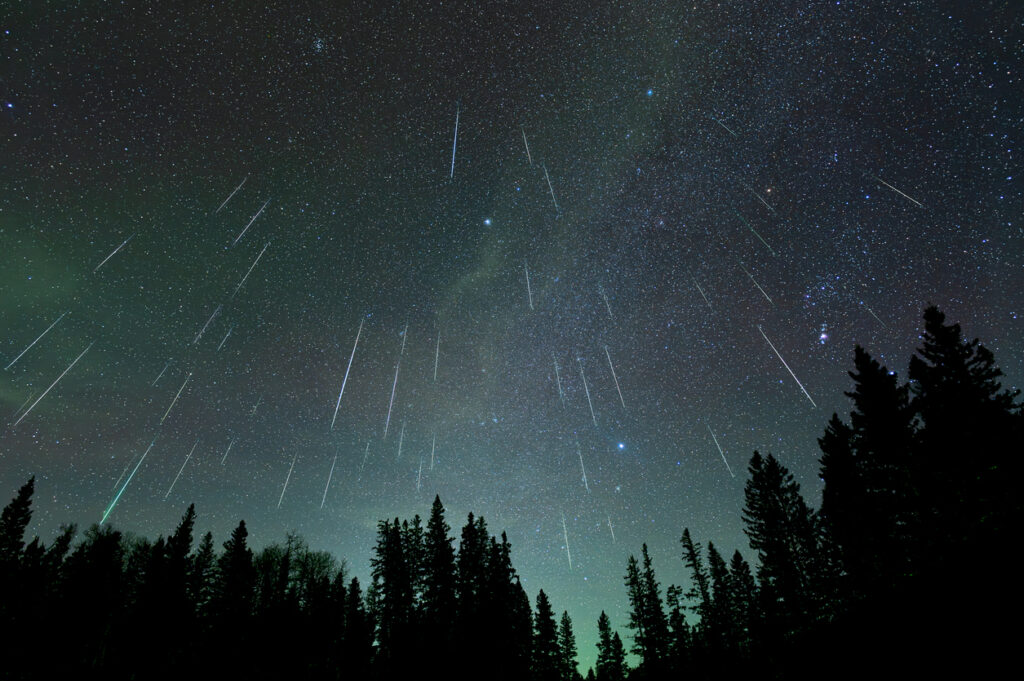
The Perseids benefit from happening in August when people are on summer holidays, the weather’s nice, and staying up late doesn’t require arctic survival gear. The Geminids have built a reputation as the best shower of the year and peak early enough in December that they’re not completely overshadowed by Christmas. The Ursids have no such hook, they’re just there, happening quietly while everyone’s busy with other things.
There’s no tradition around watching them, no cultural significance, no catchy marketing angle to get people interested. “Come watch a mediocre meteor shower in freezing weather right before Christmas when you’re already stressed and busy” is not a compelling pitch. Astronomy organisations have basically given up trying to promote them because the effort required to get people interested far outweighs the payoff of the actual viewing experience.
The lack of cultural presence means they never build momentum or recognition. The Perseids are part of summer stargazing tradition, but the Ursids have no such foothold in public consciousness. They’re just a technical astronomical event that happens on the calendar without any connection to how people actually live their lives in late December.
The parent comet is barely known.
The Ursids come from comet 8P/Tuttle, which most people have never heard of because it’s faint and only returns every 13.6 years. The most recent return was in 2021, and it was barely visible even in telescopes, nothing like the spectacle of bright comets that make headlines. Having an obscure parent comet means there’s no story to tell about where these meteors come from, no compelling narrative to hook people’s interest.
Compare this to the Perseids, which come from comet Swift-Tuttle, or the Orionids from Halley’s Comet. Those comets have name recognition and history, they’re part of astronomical folklore. Tuttle is just a catalogue number to most people, a boring technical designation for a comet nobody’s excited about. Without that connection to something famous or interesting, the Ursids lack a compelling origin story.
The comet’s long orbital period also means you can’t tie meteor shower viewing to recent comet appearances. With annual showers from more frequent comets, you can say, “Remember when we saw that comet a few years ago? This is the debris from it!” But Tuttle last appeared over three years ago and won’t be back until 2035, so there’s no recent memory or upcoming anticipation to build interest around.
Social media doesn’t care about them.
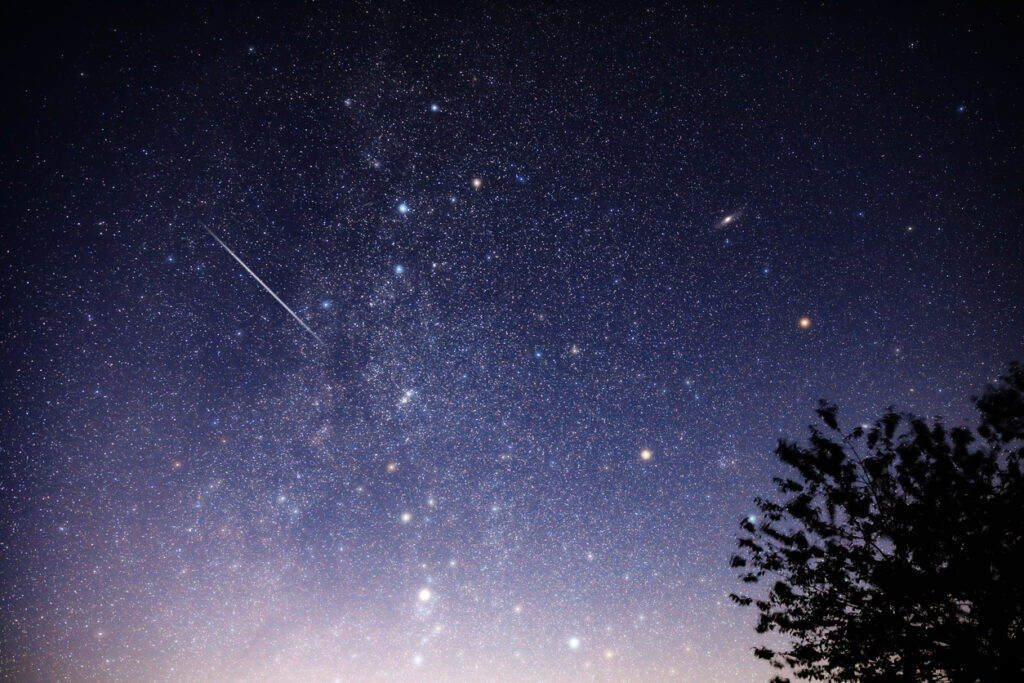
In the age of Instagram astronomy and viral astrophotography, the Ursids don’t generate content that people want to share. Ten meteors per hour means you’re unlikely to get spectacular photos or videos, and the cold weather makes long photography sessions miserable. The visual payoff isn’t there, so social media largely ignores them in favour of more photogenic astronomical events.
Astronomy influencers and photographers focus their limited December energy on the Geminids because that’s where the impressive content comes from. By the time the Ursids roll around, everyone’s moved on to holiday content or year-in-review posts. There’s no algorithmic incentive to post about a meteor shower that won’t generate engagement because it’s not visually impressive and most followers won’t go out to see it anyway.
The lack of social media buzz creates a feedback loop where fewer people know about the Ursids, so fewer people watch them, so there’s less content created, so even fewer people know about them. In contrast, the Perseids and Geminids get massive social media coverage that builds awareness and excitement, creating the opposite feedback loop of increasing visibility and participation.
They’re victims of shower fatigue.
By late December, anyone paying attention to meteor showers has already been through the Orionids in October, the Leonids in November, and the Geminids in early December. That’s three meteor showers in three months, and for casual observers that’s probably more than enough. The Ursids asking for attention right after the Geminids is like someone suggesting a fourth consecutive night out when everyone’s already exhausted.
Astronomy enthusiasts experience this fatigue too because observing meteor showers properly requires commitment, planning, and often significant discomfort. Even people who love watching meteors might skip the Ursids simply because they’re tired of making the effort, especially when the reward is so much smaller than previous showers. There’s only so many cold nights most people are willing to endure for astronomy.
The end-of-year timing also means people are mentally wrapping up the year and thinking ahead to January rather than engaging with December events. The Ursids fall into this weird liminal space where the year feels done and starting something new feels pointless. They’re the astronomical equivalent of that awkward week between Christmas and New Year when nobody knows what day it is or what they should be doing.
The Ursids will keep happening every December whether anyone watches them or not, quietly doing their thing while the world ignores them. They’re not a bad meteor shower exactly, they’re just cursed with terrible timing, weak rates, awful weather, and the misfortune of following the much better Geminids. For the handful of dedicated observers who do watch them each year, they’re a pleasant if modest show, but for everyone else they might as well not exist. Sometimes astronomical events just draw the short straw, and the Ursids drew basically all the short straws at once.