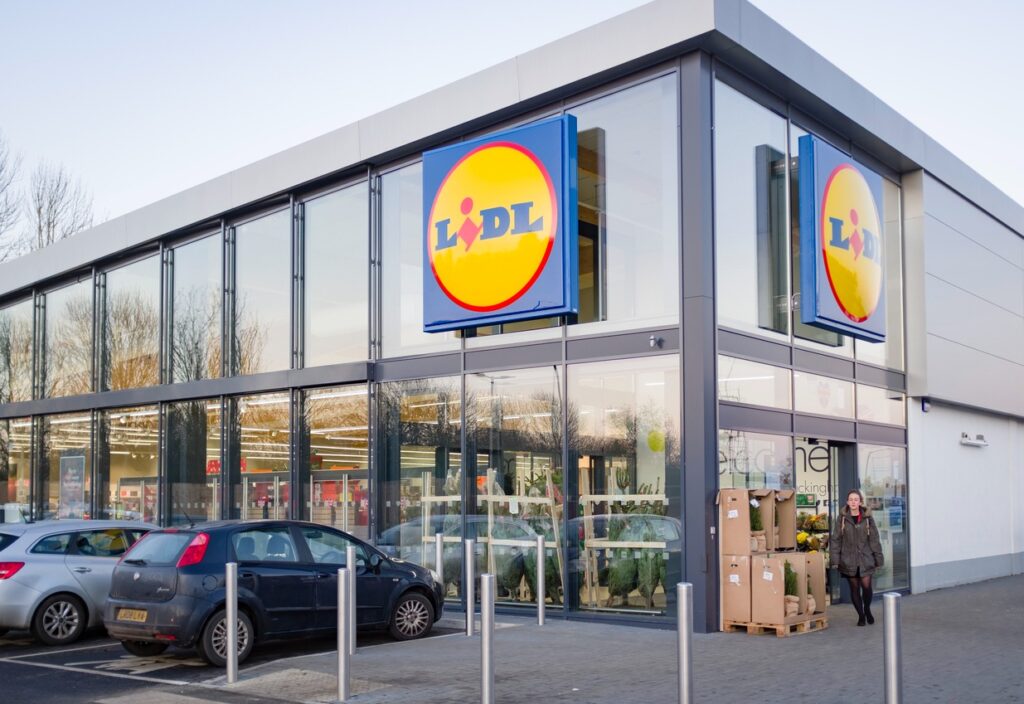
Lidl GB has just blown past its own goal for plant-based food sales, achieving nearly 694% growth in its own-brand meat-free and non-dairy milk lines, far above the 400 percent target it set for 2025. The growth was reported by Plant Based News, and it reflects Lidl’s push to make “healthy and sustainable choices” more affordable and widely available. This isn’t just about one section of the store doing well; it’s part of a broader sustainability agenda that includes the aim for 25 percent of all protein sold in Lidl stores to be plant-based by 2030, in line with what’s known as the Planetary Health Diet.
Lidl has also introduced more than 20 new own-label plant-based products under its Vemondo Plant! range, which it says are selling better than the more meat-style alternative proteins. The “veggie”-style options (think veggie burgers, simple plant mixes) are outperforming the meat replacements, suggesting many shoppers want something recognisably plant-based, not just mimicry.
Why this is great for the environment
Switching towards plant-based foods can make a big difference. Animal agriculture is a major driver of greenhouse gas emissions, land use, water consumption and biodiversity loss. The more people buy plants instead of meat and dairy, the less pressure there is on land to rear livestock, and the lower the emissions tied to food production. When a big retailer like Lidl pulls millions of customers in the same direction, the impact multiplies, not just in fewer animals being farmed, but in less deforestation, reduced methane emissions, and lower use of feed crops that require heavy fertilisers.
Plus, making plant-based products affordable and normalised reduces the barrier for people who want to eat more sustainably but are put off by cost or lack of availability. Lidl’s Vemondo Plant! range being expanded, with simpler options that aren’t trying to replicate meat exactly, helps bridge that gap. It means options for people eating flexitarian diets, or simply cutting down meat for climate or health reasons, are more likely to stick.
The consumer and policy ripple effects
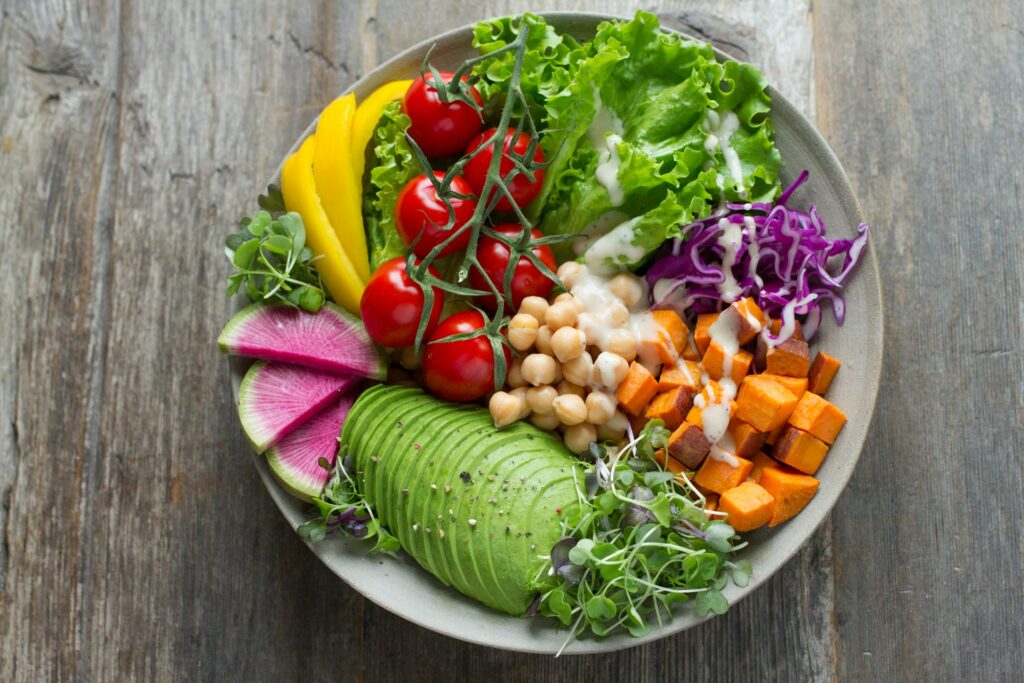
Lidl’s performance could push wider change. When a major supermarket proves plant-based products are commercially viable, it makes good business sense for competitors to follow or risk being left behind. That competition could translate into more variety, better prices, and more investment in sustainable supply chains. It also sets a precedent for retailers to tie in sustainability goals with their protein sourcing, labelling, and procurement.
On the policy front, this kind of change can help with national targets to reduce food-related emissions. The UK government’s climate goals include reducing emissions from agriculture, improving land use, and cutting carbon. If consumers buy more plant-based protein, and retailers stock more of it because they see profit, that helps those targets. Lidl’s own ambition to hit 25 percent plant protein by 2030 meshes well with the idea of net-zero diets, which require significant changes in how we farm, sell and eat food.
There are challenges though: not every plant-based option is created equal. Highly processed alternatives may carry environmental costs of their own (transport, packaging, energy, etc.), and their health profiles vary. Transparency about origin, production methods and ingredient sourcing becomes important if plant-based is to mean “better” both for the planet and for people. But Lidl’s shift to putting simple products, affordable ones, into mainstream aisles leans toward the kind of scaling that gives real impact.
Why this is a win, and what to watch out for
For customers, this is good news: more choices, more value, more reason to try alternatives. For the planet, it’s better land use, less carbon, reduced pressure on natural habitats. Lidl’s milestone suggests that plant-based isn’t just a niche for a few committed shoppers anymore. It’s becoming part of what a mainstream supermarket expects to sell.
That said, some caveats: it’ll matter whether Lidl maintains quality, keeps the prices reasonable, and prevents greenwashing. If a product is labelled plant-based but has high sugar, high oil or poor nutritional balance, it might undercut the environmental and health advantages. There’s also the scale of switching needed to make diet changes truly meaningful at national emissions levels. Finally, access is a factor. It’s not just about urban supermarkets; rural areas, food deserts, and low-income communities need affordable plant-based as much as anyone.
Overall, though, Lidl’s overachievement is a sign that the retailer world can change its sails. It shows that setting ambitious targets and investing to meet them can pay off, not just in sales, but in environmental cred, in consumer loyalty, and in pushing the food sector toward cleaner, plant-forward diets. If more retailers do the same, that could change what ends up on dinner plates across the UK, and what ends up emitted into the atmosphere in the process.