
Space isn’t just the final frontier for exploration anymore, it’s becoming the next big resource grab. While most of us think of space as empty void, it’s actually full of valuable materials that could be worth trillions. Asteroids packed with precious metals, the Moon covered in rare elements, and planets with resources we’re running out of on Earth. Countries and private companies are already positioning themselves to claim these riches, and the question of who owns what in space is getting increasingly complicated. Here’s what’s actually valuable out there and who’s racing to get their hands on it.
Platinum group metals in asteroids are worth trillions.
Some asteroids contain massive concentrations of platinum, palladium, rhodium, and other precious metals used in electronics, catalysts, and industrial processes. A single metallic asteroid could contain more platinum than has ever been mined on Earth. The estimated value runs into trillions of dollars.
These metals are rare on Earth because they sank to the core when our planet was forming. Asteroids never went through that process, so the metals are accessible on or near the surface. Companies like Planetary Resources and Deep Space Industries were founded specifically to mine asteroids, though both have since shut down or pivoted after funding challenges.
Water ice is more valuable than gold in space.
Finding water in space sounds boring compared to platinum, but it’s actually one of the most valuable resources out there. Water can be split into hydrogen and oxygen for rocket fuel, used for drinking and growing food, and provides radiation shielding. It’s essential for any long-term space presence.
The Moon’s permanently shadowed craters contain significant water ice. Mars has water ice at the poles and possibly underground. Asteroids also contain water. Whoever controls water sources in space controls refuelling stations, which makes deep space travel economically viable. That’s why lunar water is a major focus.
Helium-3 on the Moon could power fusion reactors.
The Moon’s surface is covered in helium-3, a rare isotope that barely exists on Earth but could be ideal fuel for future fusion reactors. If we ever get fusion power working properly, helium-3 would be incredibly valuable because it produces less radiation than other fusion fuels.
China has explicitly mentioned helium-3 mining as a goal of their lunar programme. Russia and India have also expressed interest. The problem is fusion reactors don’t exist yet as practical energy sources, so this is speculative value. But if fusion becomes viable, lunar helium-3 becomes worth the effort of mining.
Rare earth elements are everywhere in space.
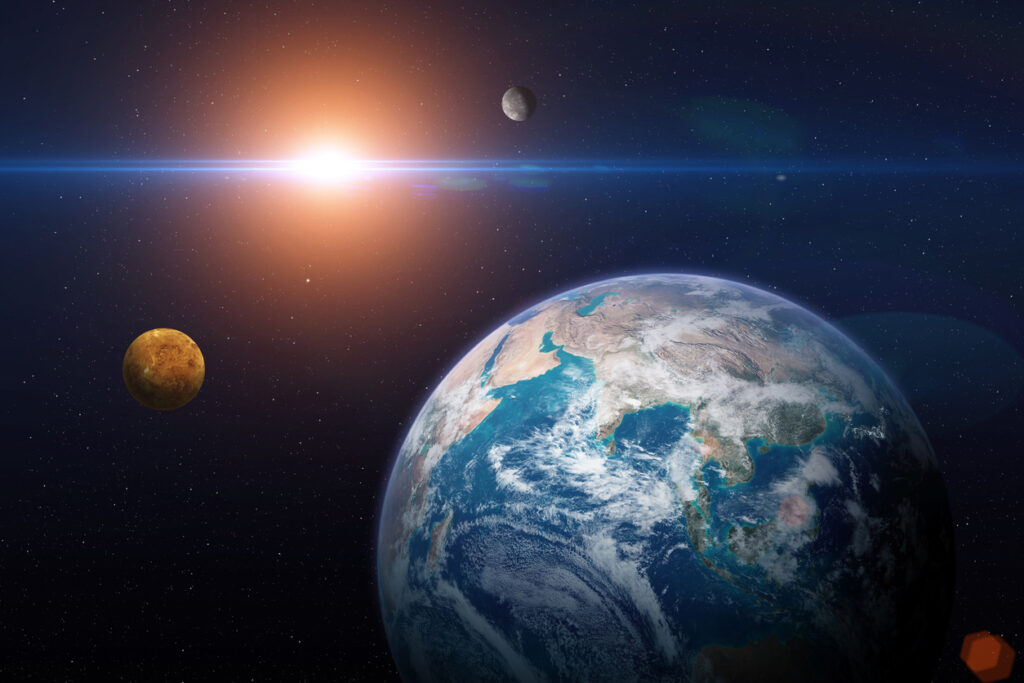
Rare earth elements crucial for modern electronics, batteries, and renewable energy tech are difficult and environmentally damaging to mine on Earth. China currently dominates the global supply. Space offers alternative sources without the environmental destruction.
The Moon and asteroids contain these elements in mineable quantities. Getting them back to Earth is the challenge, but for use in space-based manufacturing or on lunar bases, they’d be locally available. This matters for building infrastructure in space without hauling everything from Earth.
The US passed laws allowing space mining.
In 2015, the US passed the Commercial Space Launch Competitiveness Act, which says American companies can own and sell resources they extract from space. This was controversial because the Outer Space Treaty of 1967 says no nation can claim sovereignty over celestial bodies.
The US argues there’s a difference between claiming territory and extracting resources. It’s like fishing in international waters, you can’t own the ocean, but you can keep the fish. Other countries disagree with this interpretation. Luxembourg passed similar legislation and is positioning itself as a space mining hub.
China is aggressively pursuing Moon missions.
China has been landing on the Moon, returning samples, and plans to build a permanent research station at the lunar south pole, where the water ice is. They’re not being subtle about resource intentions. Their space programme is explicitly tied to economic and strategic goals.
The Chang’e missions have been testing drilling and extraction technologies. China’s talking about Moon mining timelines in the 2030s. They’re partnering with Russia on lunar base plans. While they claim it’s for research, the south pole location and stated goals make resource extraction obvious.
Private companies are involved now.
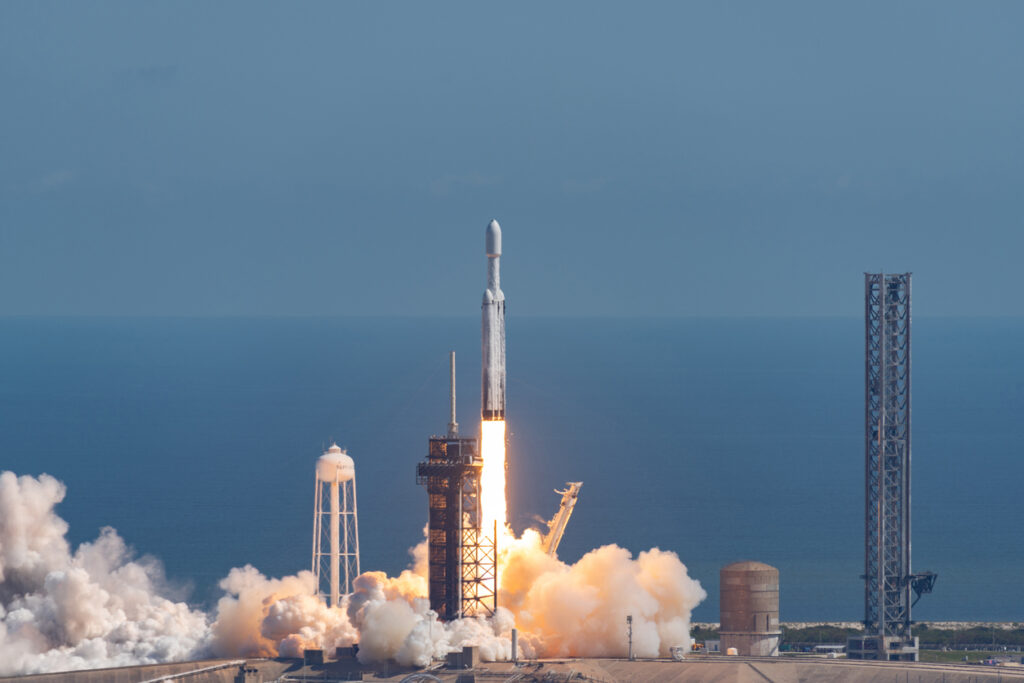
SpaceX, Blue Origin, and others aren’t just transport companies, they’re positioning for resource access. SpaceX’s Starship is designed to carry massive payloads, useful for mining operations. Jeff Bezos has talked about moving heavy industry to space to preserve Earth.
These companies work with governments, but also have their own agendas. Elon Musk wants Mars resources for his colony plans. Mining companies have licensed technology and partnered with space firms. The line between national space programmes and private enterprise is increasingly blurred.
There’s no real space law for mining disputes.
The Outer Space Treaty says space is the “province of all mankind” and nations can’t claim territory. But it doesn’t specifically address resource extraction. The Artemis Accords, led by the US, try to establish mining frameworks, but not everyone’s signed on.
Russia and China haven’t joined the Artemis Accords. They’re pursuing their own agreements. There’s no enforcement mechanism for space law anyway. If multiple countries or companies claim the same asteroid or lunar site, there’s no court or authority to resolve it. This could get messy.
The Moon’s south pole is prime real estate.
The lunar south pole has permanently shadowed craters with water ice, plus nearby peaks that get near-constant sunlight for solar power. It’s the most valuable location on the Moon. Everyone wants to be there first, which is why there’s a lunar rush happening.
NASA’s Artemis programme targets the south pole. China and Russia’s planned base is at the south pole. India’s Chandrayaan missions focused there. Multiple countries landing in the same small region raises questions about who gets which sites and how close is too close. There are no property boundaries in space.
Mars has resources, but it’s much harder to access.
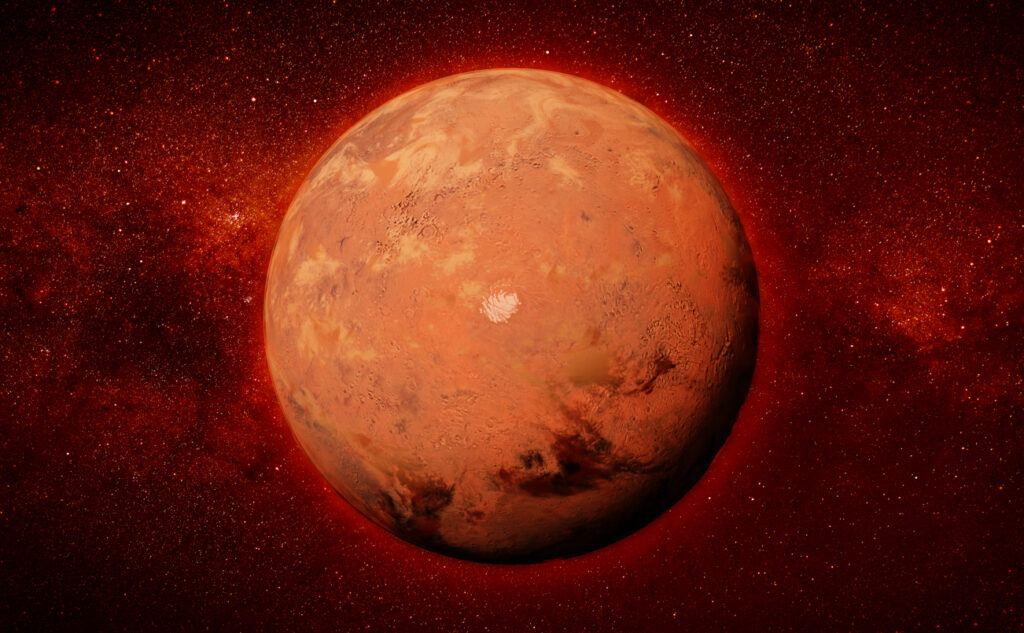
Mars has water, minerals, and potentially useful resources for colonisation. But it’s much further away and harder to reach than the Moon or near-Earth asteroids. The economics don’t work yet for hauling Martian resources back to Earth.
Mars resources are mainly valuable for supporting human presence on Mars itself. Water for fuel and life support, minerals for construction and manufacturing. SpaceX’s focus on Mars is about self-sufficiency for colonies, not shipping resources home. The Moon and asteroids make more economic sense for Earth-directed mining.
Space junk is becoming a resource security issue.
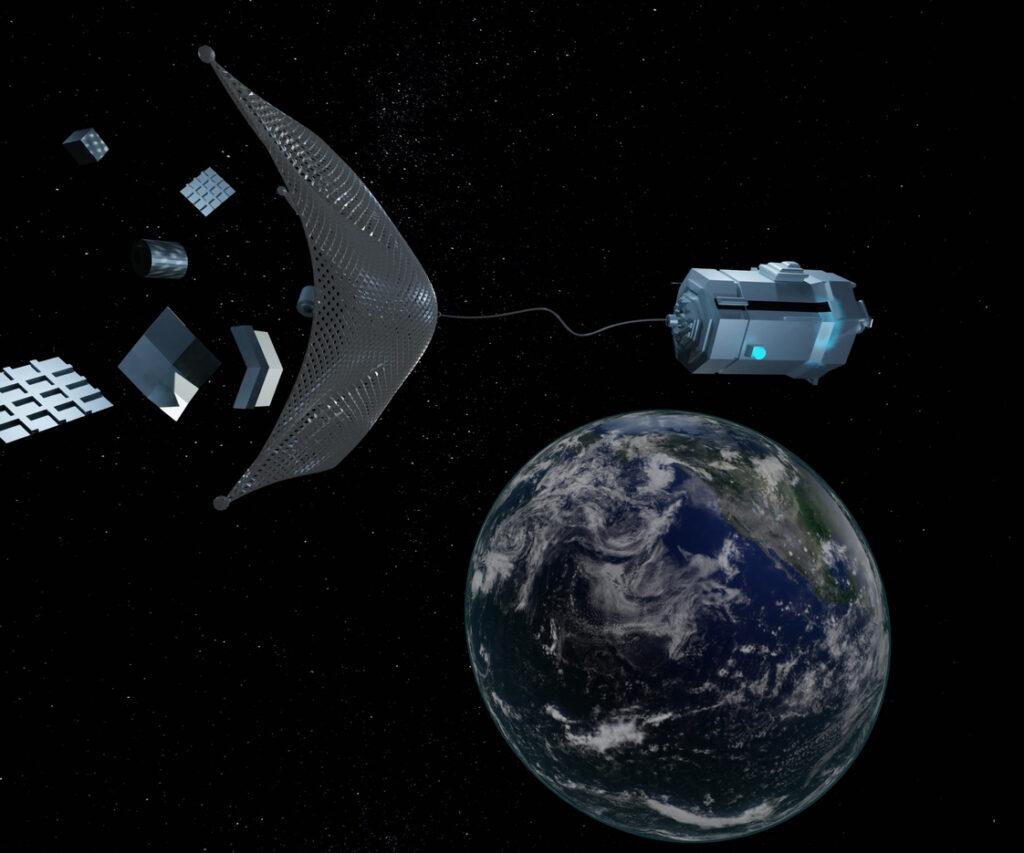
There’s so much debris in Earth orbit that it threatens satellites and future launches. Whoever develops the technology to clean up space junk and recycle it gains both a service industry and a source of refined metals already in orbit.
Several companies and space agencies are working on debris removal, but one nation’s clean-up satellite could be another nation’s threat to their space assets. A satellite that can grab debris can also grab functioning satellites. Space traffic management and debris are increasingly security issues tied to resource control.
The economics are questionable for now.
Hauling a tonne of anything from space back to Earth costs more than the stuff’s worth at current prices and technology. The business case for space mining depends on massively reducing launch and return costs, or using materials in space rather than bringing them home.
This is why serious plans focus on water and materials for use in space to support further exploration and industry. Bringing platinum home might never make economic sense, but extracting water on the Moon to fuel Mars missions could. The value isn’t in Earth markets, it’s in enabling space infrastructure.
Whoever controls space resources controls space access.
The real fight isn’t about bringing resources back to Earth for profit. It’s about who controls the fuel, water, and materials needed for space operations. Control the lunar water sources, and you control who can economically travel beyond Earth orbit. Control asteroid resources and you control deep space industry.
This is why governments are involved, despite the questionable economics. Space resource control is strategic, not just commercial. China, the US, Russia, and others understand that space dominance in the coming decades depends on resource access. The country that can refuel in space, manufacture in space, and sustain permanent presence off-Earth gains massive advantages in all space activities. The resources themselves might not be immediately profitable, but the strategic position they provide absolutely is.