For creatures that vanished millions of years ago, dinosaurs left behind far more clues than people think.
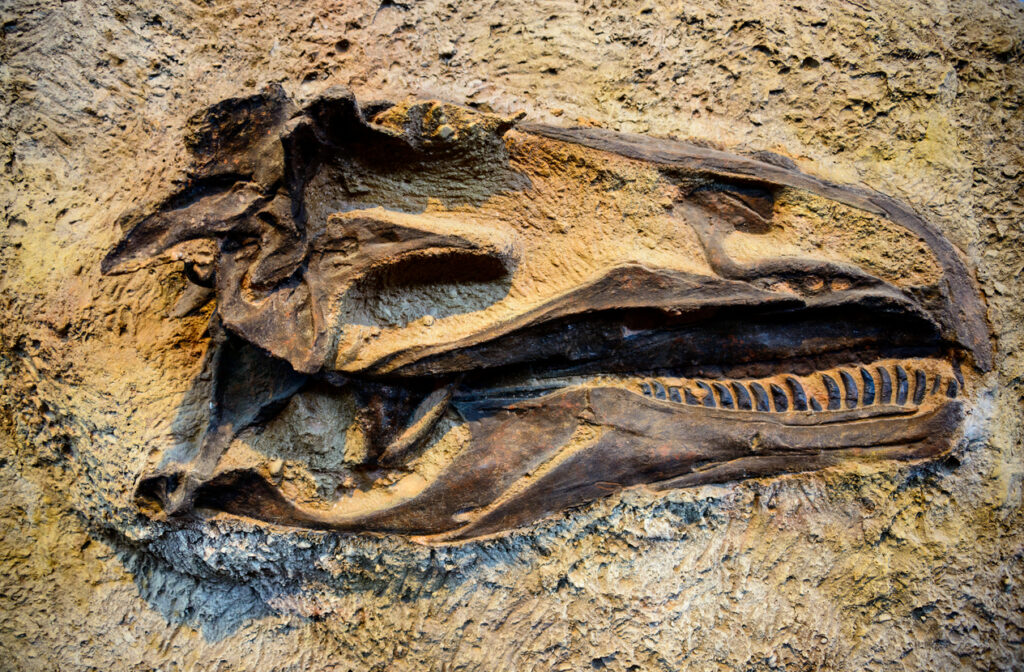
Fossils don’t just show bones; they capture scratches, footprints, stomach contents, bite marks and even traces of movement that give scientists a window into how these animals actually lived. When you look closely, the rock starts to tell stories about hunting, parenting, social lives and daily routines.
We may never see a dinosaur in the flesh, but we can piece together a surprising amount from the evidence they left behind. It’s a mix of careful science and a bit of detective work, and the results are far more detailed than many expect. Here are the behaviours researchers can reasonably infer from the fossils that survived long after the animals themselves disappeared.
1. Some dinosaurs lived and hunted in packs.

Scientists have found fossil sites where multiple predatory dinosaurs died together in the same spot. At one location in Utah, dozens of Utahraptor fossils were discovered all mixed together. The dinosaurs ranged from juveniles to adults. They appear to have been trapped and died as a group, suggesting they were hunting or living together when disaster struck.
Finding multiple predators together is significant because many modern predators are solitary. The fact these dinosaurs died together suggests they cooperated in life. Pack hunting would have let smaller dinosaurs take down much larger prey. This completely changes how we think about dinosaur intelligence and social behaviour. They weren’t just mindless killing machines but sophisticated animals with social structures.
2. They built nests and cared for their young.
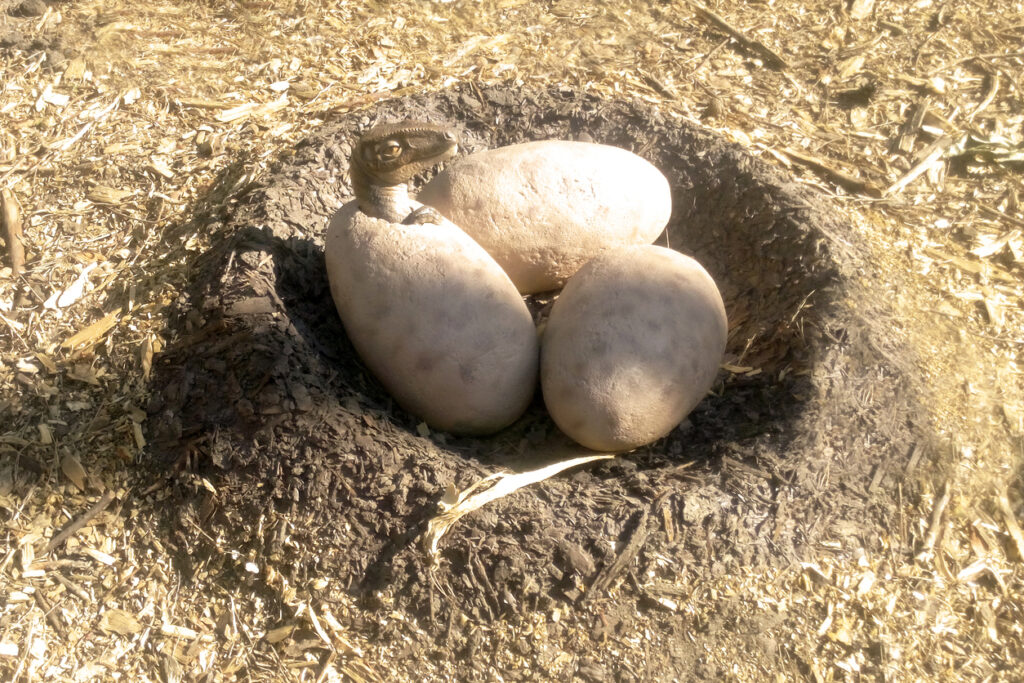
Fossilised nests have been found with eggs arranged in circular patterns, exactly like modern birds do. Some nests contain baby dinosaur skeletons that died while still in the nest. The babies were too underdeveloped to have left on their own, which means parents must have been feeding them. We’ve even found adult fossils positioned near nests as if protecting them.
This proves dinosaurs didn’t just lay eggs and abandon them like most reptiles do. They stayed with their young and looked after them. Some species probably brought food back to the nest for weeks or months. This parental care behaviour is more like modern birds than modern lizards. It suggests dinosaurs were warm-blooded and had complex family structures.
3. Many species had elaborate courtship displays.
Palaeontologists discovered fossilised scrape marks in ancient lake beds in Colorado. The marks are arranged in patterns, suggesting they were made deliberately. They look exactly like the display areas modern birds create to attract mates. The scrapes are found in groups and show repeated use over time, indicating dinosaurs returned to the same mating grounds annually.
Males likely performed displays to impress females, just like birds of paradise or peacocks do today. The effort required to create these scrapes shows that dinosaurs put significant energy into reproduction. This wasn’t random behaviour but ritualised courtship. It suggests they had good eyesight to see displays and complex brains to judge potential mates.
4. Some dinosaurs migrated long distances.
Scientists found the same dinosaur species in fossil beds thousands of kilometres apart, with evidence they all died at the same time of year. Young and old individuals were found in different locations, suggesting the herds split up seasonally. Bone analysis shows they travelled between different climatic zones regularly based on the minerals absorbed during growth.
Migration would have been essential for herbivores following seasonal food sources. Moving such long distances required navigation skills and memory. They needed to know where to go and when. This behaviour shows dinosaurs could learn and remember complex information. Herds probably travelled the same routes for generations, passing knowledge down through social learning.
5. They used vocal communication
Some dinosaurs had hollow crests on their heads with chambers inside. Scientists have made 3D models of these structures and worked out what sounds they would produce if air passed through them. Parasaurolophus had a crest that could make deep, resonant calls that would travel for kilometres. Different species had differently shaped crests producing different sounds.
These weren’t just decorative features but communication devices. Adults could call to each other across vast distances to warn of danger or find mates. Young dinosaurs likely made different sounds than adults, like how baby elephants sound different from adults. Having species-specific calls means they could identify their own kind. This suggests complex social behaviour and possibly even regional dialects.
6. Many dinosaurs used camouflage.
A few incredibly well-preserved fossils show actual skin pigmentation patterns. One Psittacosaurus fossil from China preserved melanin pigments in the skin. Analysis revealed it had a dark back and light belly, exactly the pattern modern animals use for camouflage. The colouring would make it harder to spot whether predators looked from above or below.
This proves dinosaurs weren’t all grey or brown, but had sophisticated colouring for survival. Predators might have had disruptive patterns to break up their outline when stalking prey. Herbivores needed camouflage to hide from predators. The presence of these patterns shows dinosaurs had colour vision and used visual cues. Evolution doesn’t create camouflage unless the animals hunting you can see it.
7. Some species showed off with colourful displays.
Fossils of feathered dinosaurs occasionally preserve evidence of colour in the feathers. Microraptor had iridescent black feathers that would have shimmered blue and green in sunlight, like modern crows. Sinosauropteryx had ginger and white striped tail feathers. These colours weren’t for camouflage, they were too bright and obvious for that.
Bright colours in nature usually serve two purposes, warning predators or attracting mates. Since these dinosaurs weren’t poisonous, the colours were almost certainly for display. Males probably had brighter colouring than females and showed off during breeding season. This proves dinosaurs weren’t all dull coloured but could be as vibrant as modern tropical birds. Visual displays were important parts of their behaviour.
8. They had territorial battles.
Several fossils show healed bite marks and broken bones from other dinosaurs of the same species. These weren’t predator attacks but fights between individuals of the same type. Some skulls have matching injuries, suggesting head-butting contests. The injuries healed, meaning the animals survived these battles and kept living afterward.
Fighting within species usually means competition for territory or mates. Males likely battled for control of areas or breeding rights. The fact they didn’t fight to the death but survived with injuries suggests these were ritualised contests, not attempts to kill. Modern animals like deer follow similar patterns. This indicates dinosaurs had social hierarchies and understood when a competitor had submitted.
9. Some dinosaurs were surprisingly intelligent.
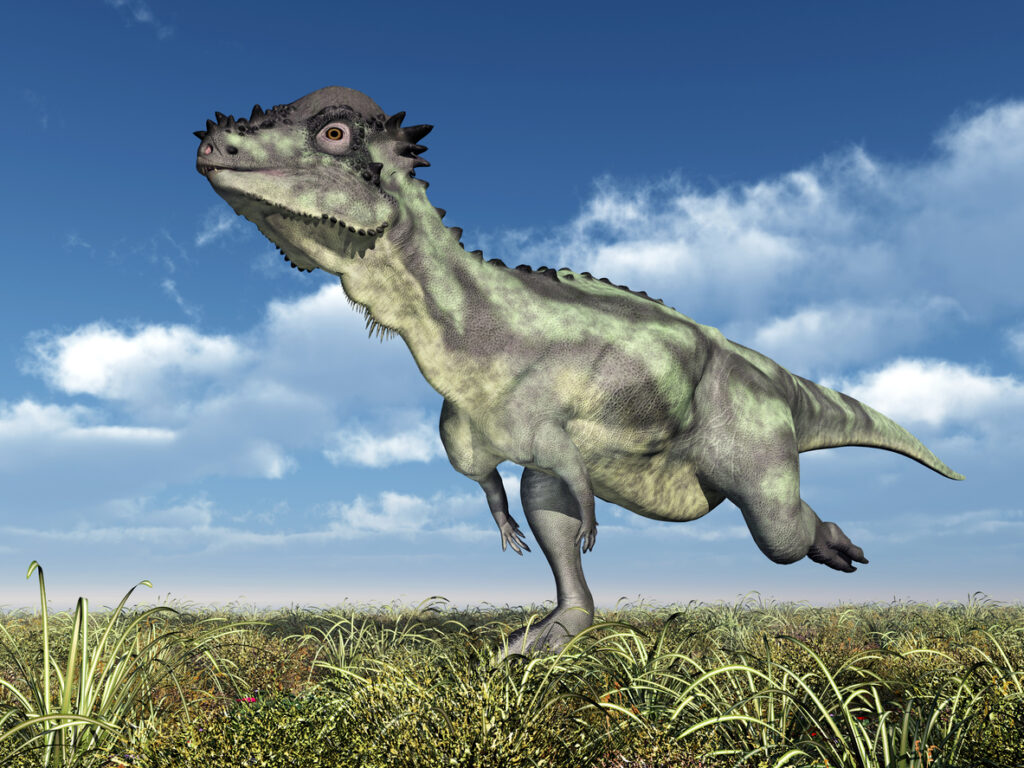
Scientists can estimate brain size from fossil skulls by measuring the space inside. Troodon had one of the largest brain-to-body ratios of any dinosaur. Its brain structure suggests it had good problem-solving abilities and spatial awareness. The size of its eyes and the brain areas processing vision were large, indicating it had excellent vision and could process visual information quickly.
Large brains require lots of energy so they only evolve if there’s an advantage. Troodon probably needed intelligence for hunting, avoiding predators, and social interaction. It might have been able to learn from experience and remember information. This suggests some dinosaurs were much smarter than we typically assume. They weren’t just instinct-driven, but capable of learning and adapting behaviour.
10. Many species engaged in group defence.
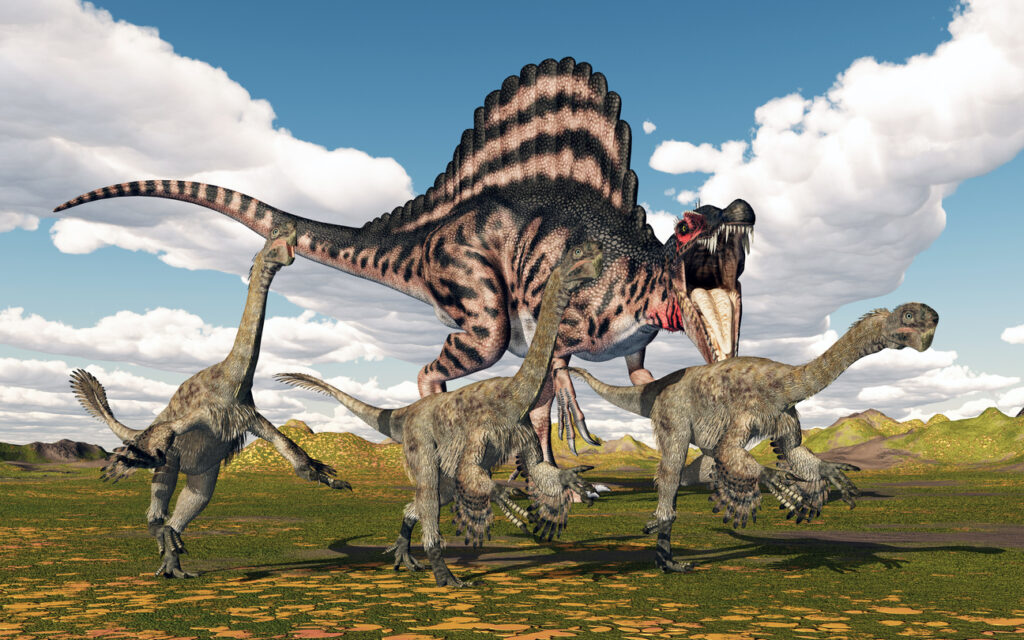
Bonebeds containing hundreds of individuals of the same herbivore species suggest they lived in massive herds for protection. Fossilised trackways show adults positioned around the outside of groups, with juveniles in the centre. One site in Canada shows ceratopsians died together while apparently trying to cross a river as a group.
Herding behaviour means protection from predators. Living in groups lets some animals watch for danger while others feed. The positioning of young in the centre shows deliberate protective behaviour. Adults sacrificed safer positions to shield their young. This wasn’t random but organised group defence strategy. These dinosaurs understood strength in numbers and worked together for survival.