Most people know you can compost fruit scraps, tea bags and grass cuttings, but the list doesn’t stop there.
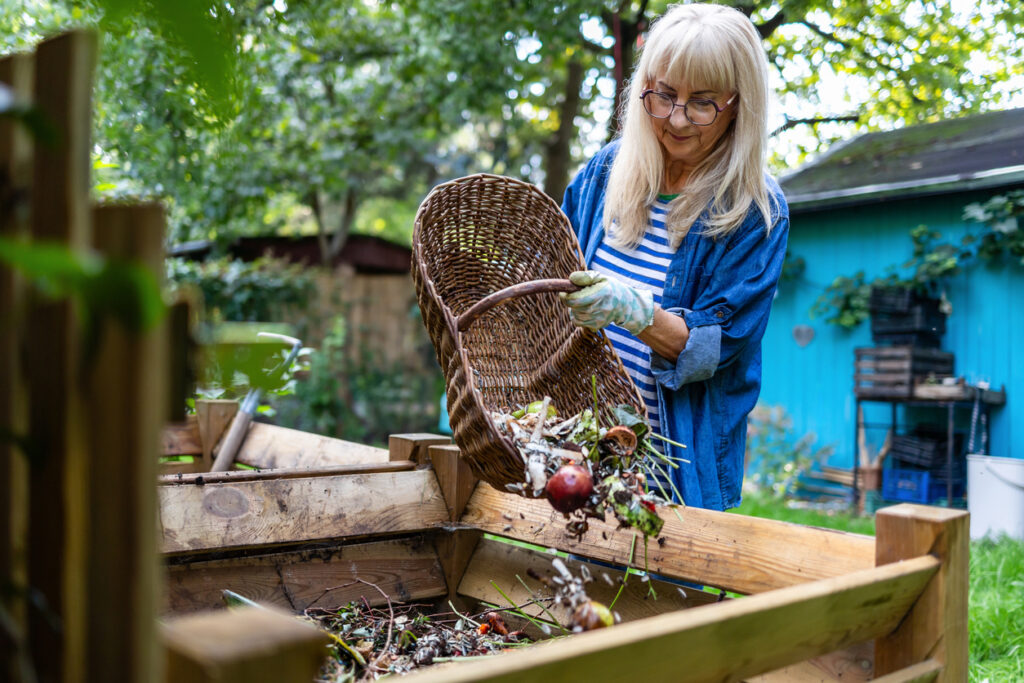
Once you dig a little deeper, you realise your home is full of things that break down beautifully in a compost bin. Some of them feel so unlikely that people throw them out without a second thought, missing an easy chance to cut waste and feed their soil at the same time.
Composting gets far more interesting when you learn what else qualifies. It saves money, reduces rubbish and gives your garden richer soil with very little effort. Here are the unexpected items that belong in your compost heap more than your bin.
1. Hair from hairbrushes or haircuts
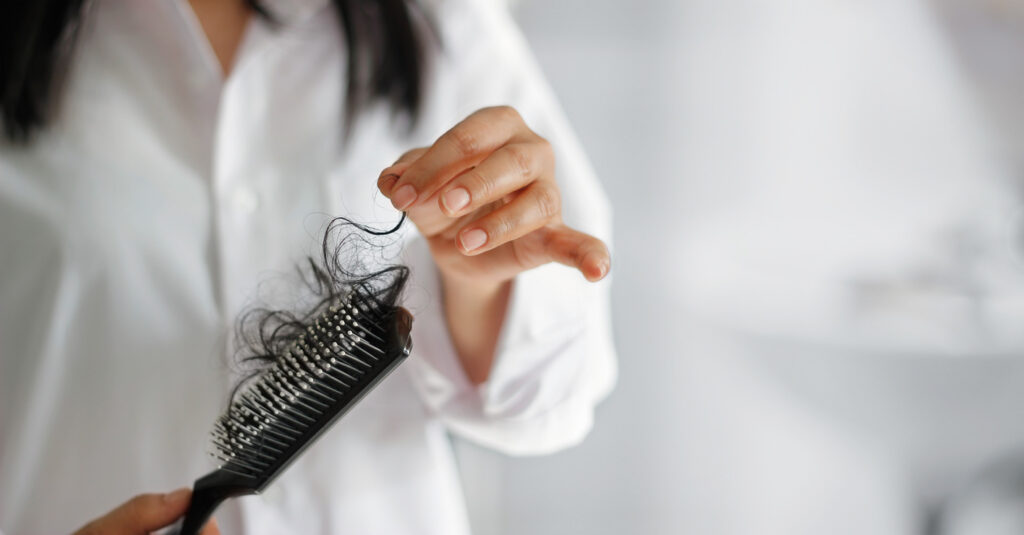
Human hair is packed with nitrogen, a nutrient that plants love. Instead of throwing it away after cleaning your brush or trimming your hair, add it to your compost heap. It breaks down slowly but helps balance carbon-heavy materials like dry leaves. Just avoid hair coated with dyes or styling products, as those chemicals aren’t compost-friendly.
2. Nail clippings
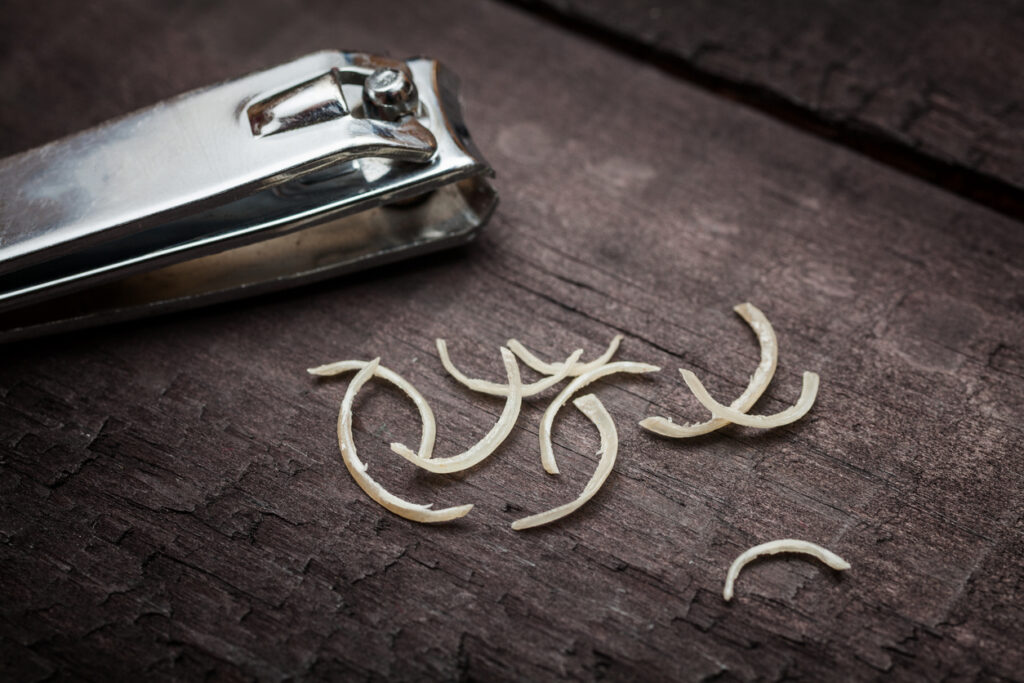
Though it sounds odd, fingernail and toenail clippings are made of keratin, which will eventually break down like other natural materials. They don’t add much volume, but are still safe to compost. They’ll decompose faster if buried in the middle of your pile, where heat and microbes are strongest. Skip them only if you’ve used nail polish, as that can contaminate the mix.
3. Paper towels and napkins
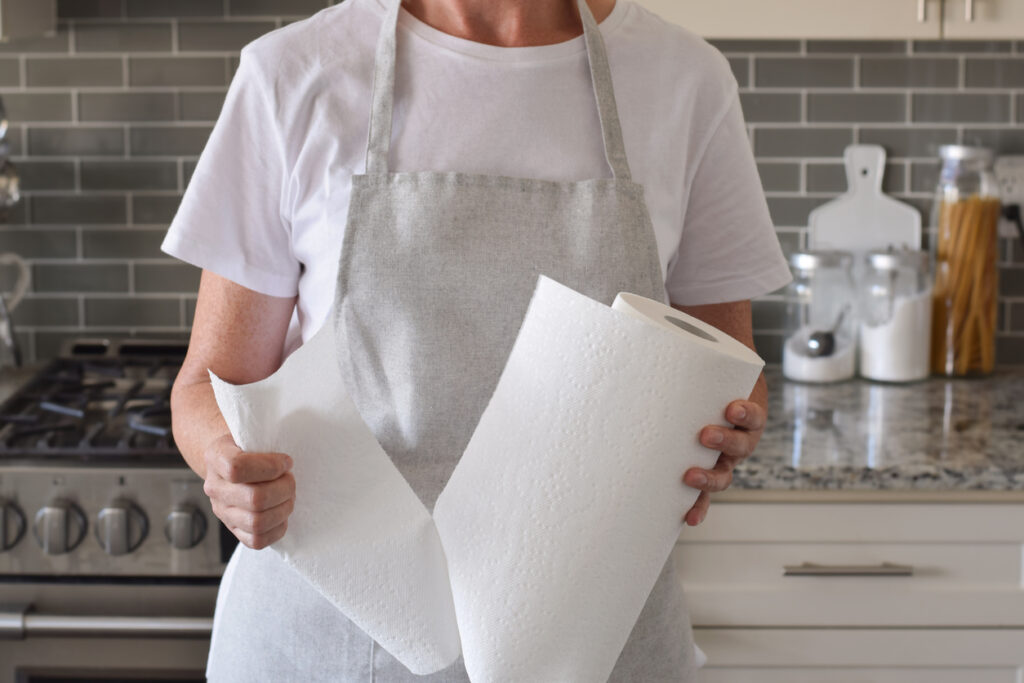
Used paper towels and napkins that aren’t soaked in chemicals or grease can go straight into compost. They’re a good source of carbon, helping to balance out wetter materials like vegetable scraps. If you’ve wiped up food spills or water, toss them in. Just avoid those used for cleaning with bleach, antibacterial sprays, or strong chemicals.
4. Cotton clothing and fabric scraps
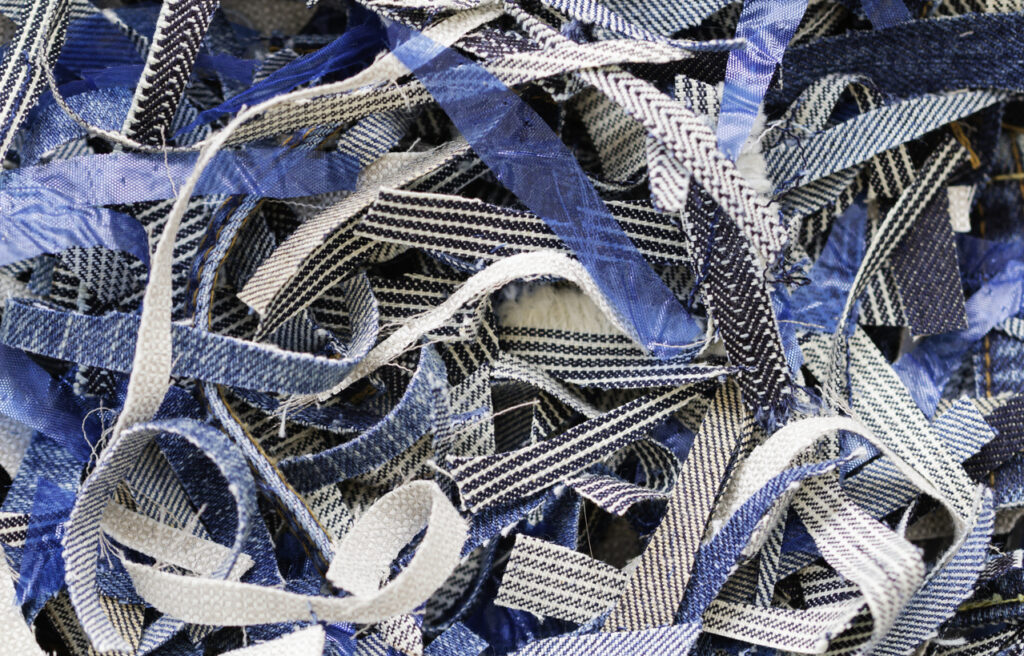
Old T-shirts, socks, and sheets made from 100% cotton or linen will decompose just like plant matter. Cut them into small pieces so they break down faster. Synthetic fabrics like polyester won’t compost, so always check the label first. If it’s fully natural, it belongs in the heap rather than the bin.
5. Cardboard egg boxes and loo rolls
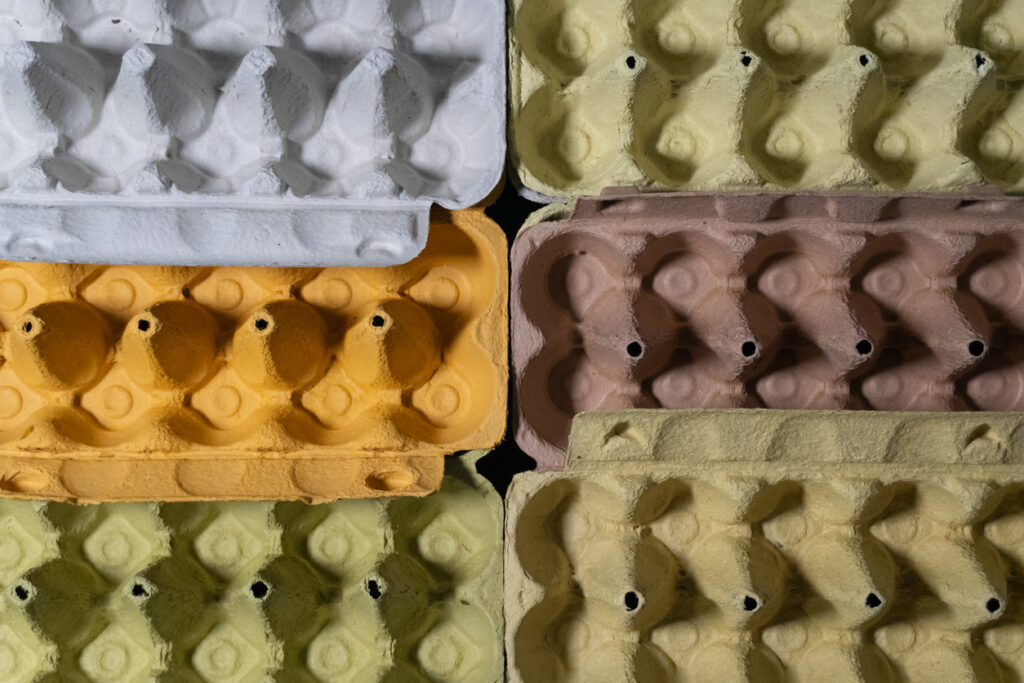
Toilet roll tubes, egg boxes, and other untreated cardboard items are perfect for composting. They add structure and help air move through the pile, which speeds up decomposition. Tear them into small pieces before adding them. If they’ve had contact with food, that’s fine — it all breaks down together.
6. Vacuum cleaner contents
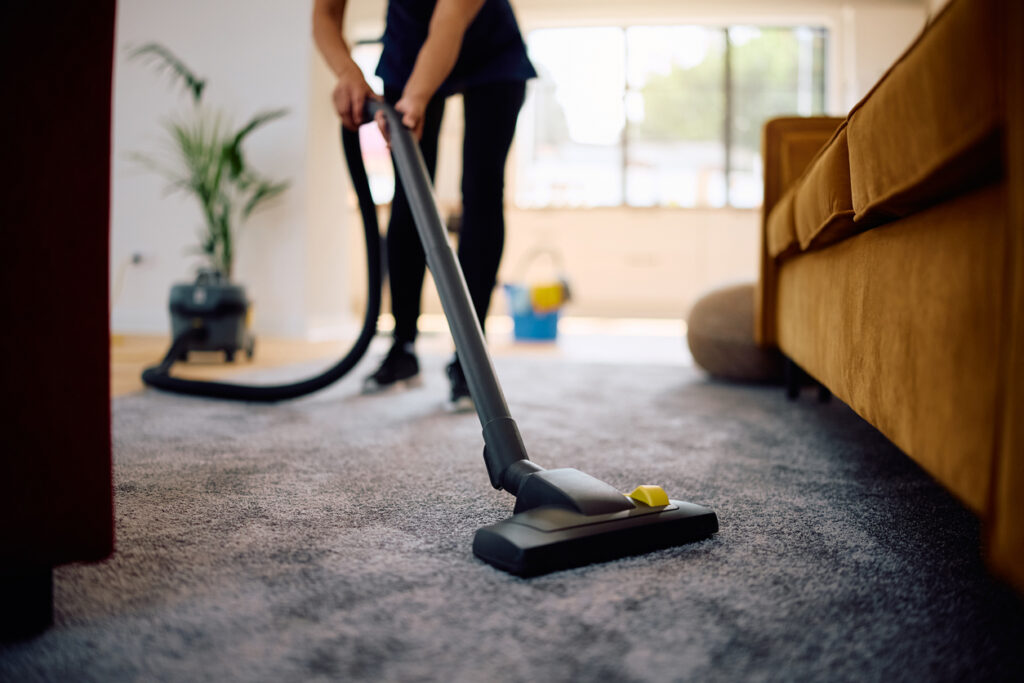
Most of what’s inside a vacuum bag is dust, hair, and tiny fibres — all organic materials. You can compost it as long as your home doesn’t have too many synthetic carpets. Empty the dust straight into the compost heap instead of putting the bag itself in, since most vacuum bags are made of plastic and won’t break down.
7. Fireplace ash (in moderation)
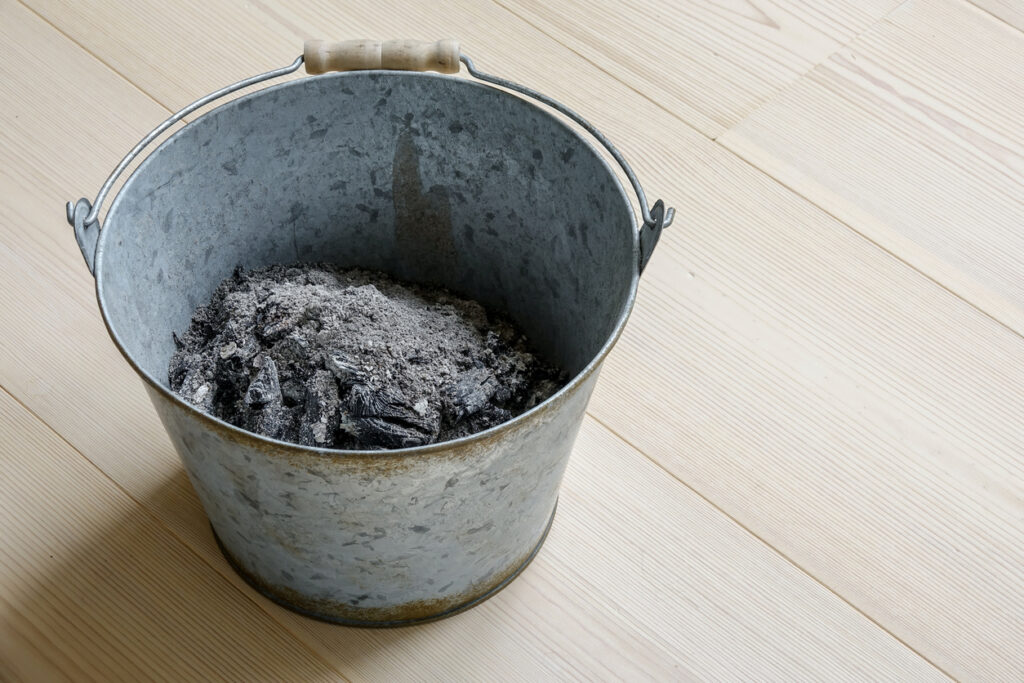
Ash from untreated wood can be great for compost because it adds potassium and lime. However, it should only be used in small amounts to keep the mix from becoming too alkaline. Let the ash cool completely before adding it. Avoid coal or barbecue ash, which often contains chemicals that can harm soil life.
8. Tea bags and coffee filters
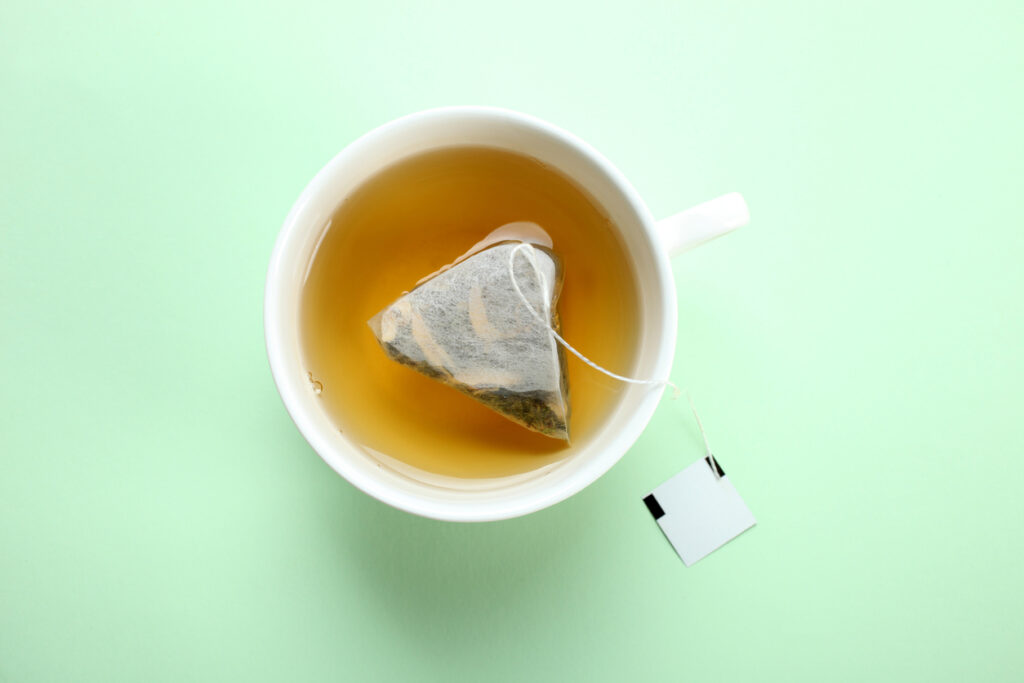
Tea leaves and coffee grounds are already compost staples, but many people forget the bags and filters. Most paper filters and some modern tea bags will decompose without a problem. Check that your tea bags don’t contain plastic mesh. If they do, cut them open and compost just the leaves instead.
9. Natural corks from wine bottles
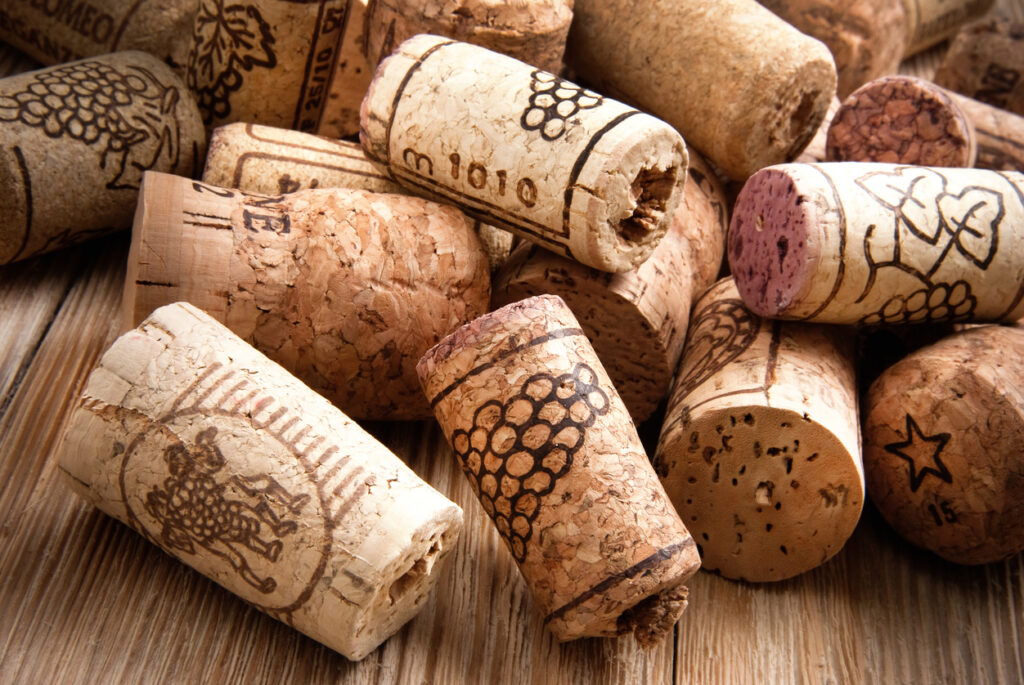
Real cork is made from tree bark, so it’s completely compostable. Synthetic corks, on the other hand, are made from plastic and should be avoided. Crush or chop corks into smaller bits before adding them to your heap. They take a while to break down but help with aeration in the meantime.
10. Dryer lint from natural fabrics
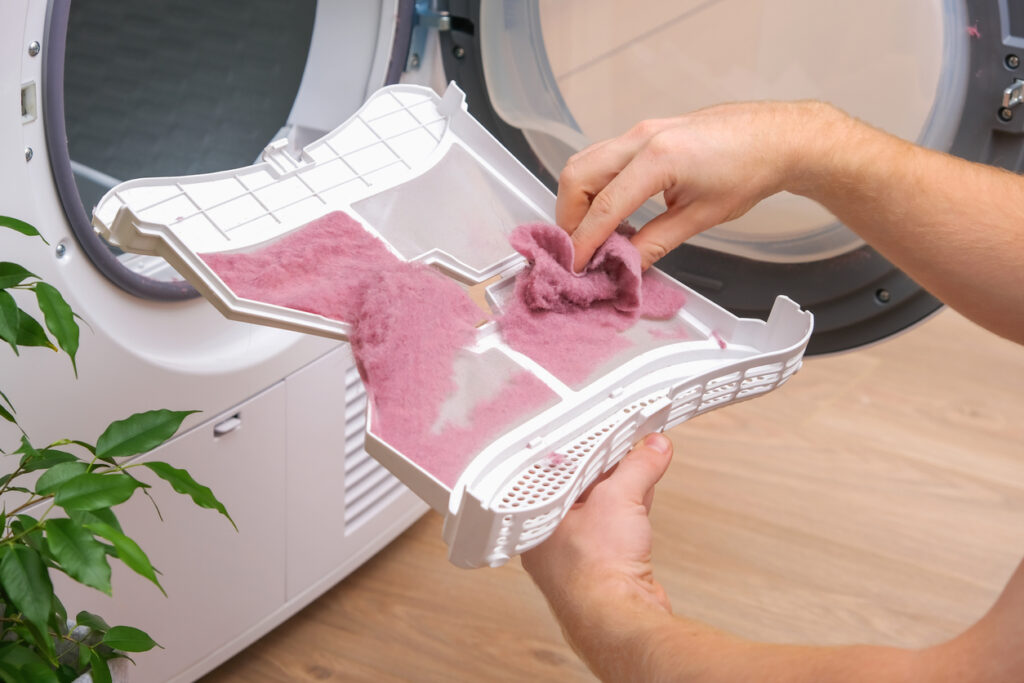
If your clothes are made from cotton, wool, or linen, the lint that collects in your dryer can safely go into compost. It’s mostly tiny fibres that decompose easily. Just make sure you don’t mix in lint from synthetic fabrics, which contain microplastics that can harm your soil and plants.
11. Stale bread and cereal
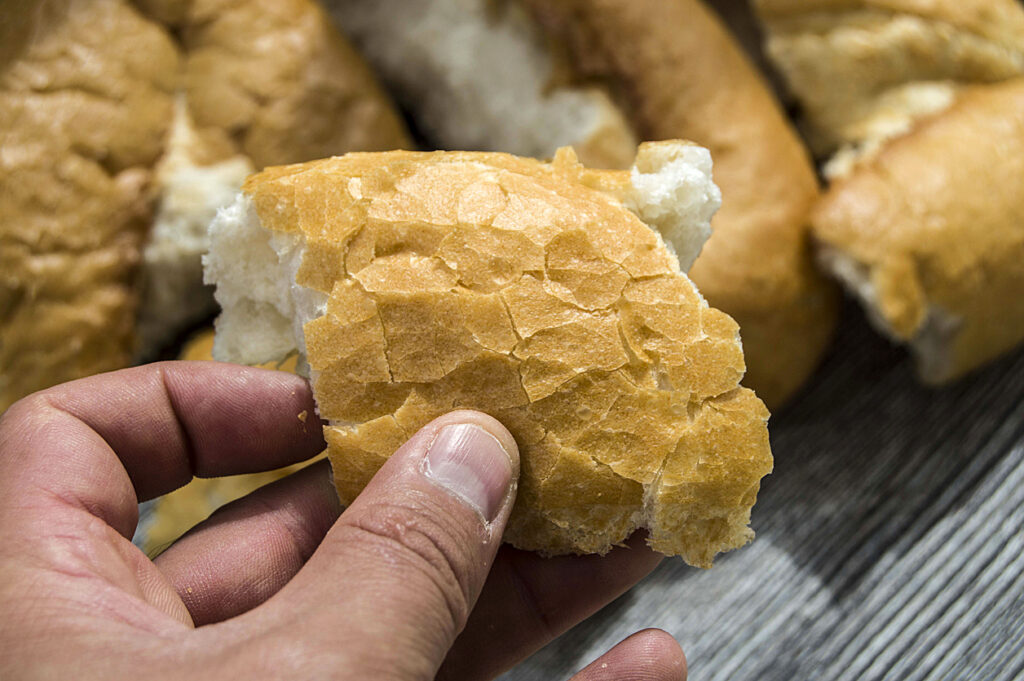
While you shouldn’t compost large amounts of cooked food, dry items like stale bread, crackers, and cereal are fine. They add carbon and help balance wetter materials like fruit scraps. Break them into smaller chunks and bury them deeper in the compost pile to avoid attracting pests or mould on the surface.
12. Old herbs and spices
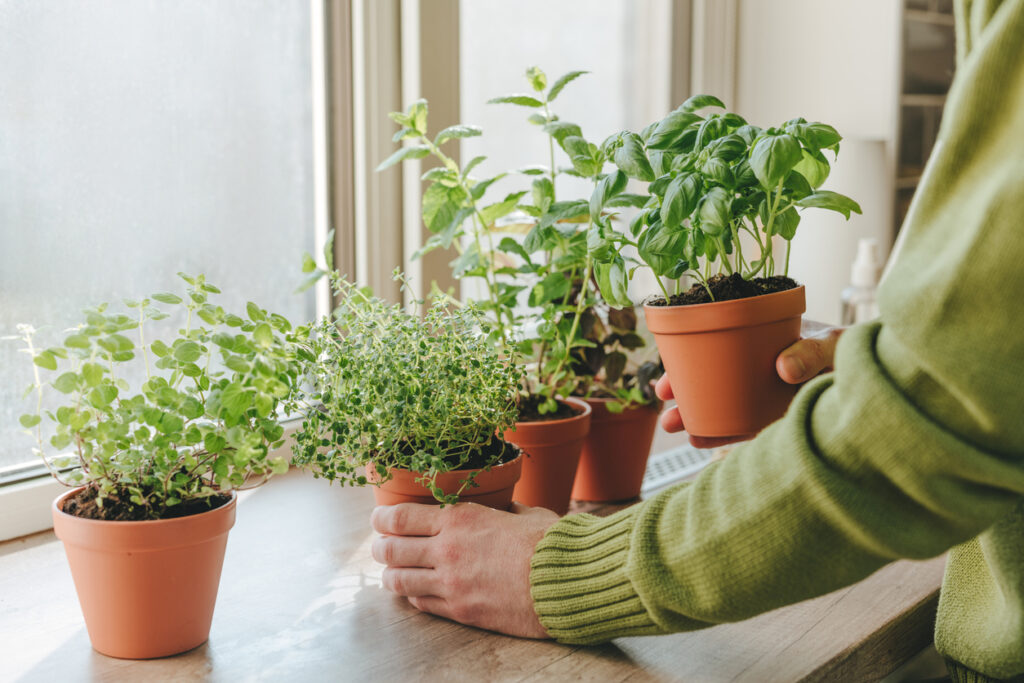
Spices eventually lose their flavour, but they still break down just like any other plant material. Composting them stops them from ending up in landfill. Herbs and spices also help keep compost smelling fresh, especially if you’re adding stronger-smelling food waste like onion or cabbage.
13. Shredded paper and receipts
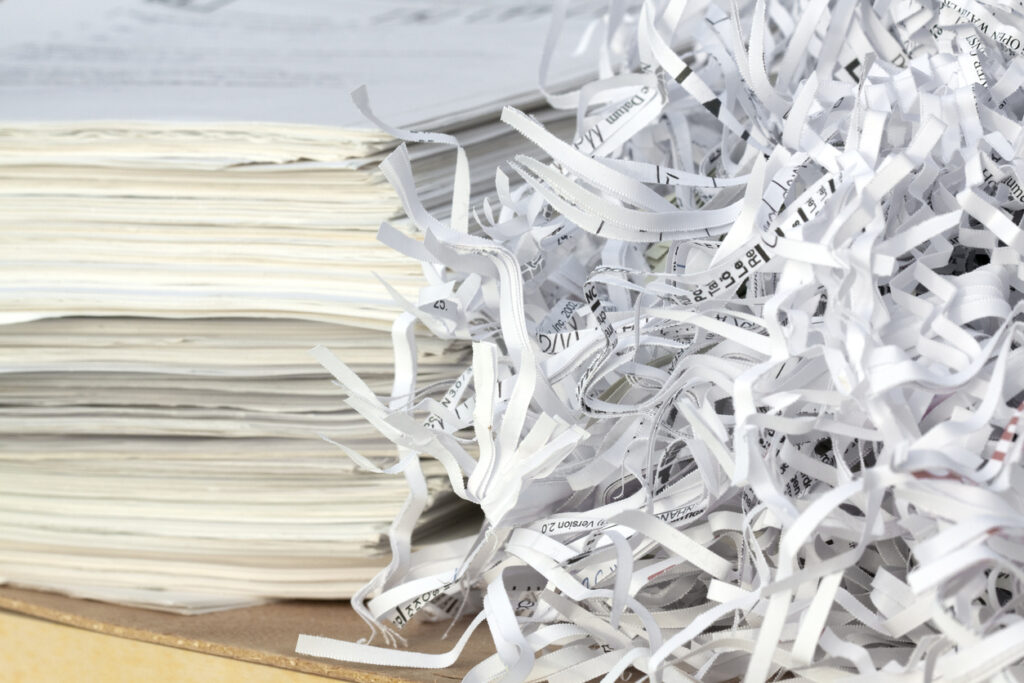
Plain paper breaks down well, but modern receipts printed on glossy thermal paper shouldn’t be included. Stick to plain or shredded paper from home or office use. Paper adds valuable carbon to balance out moisture-heavy materials, helping your compost stay healthy and aerated.
14. Pet fur and feathers
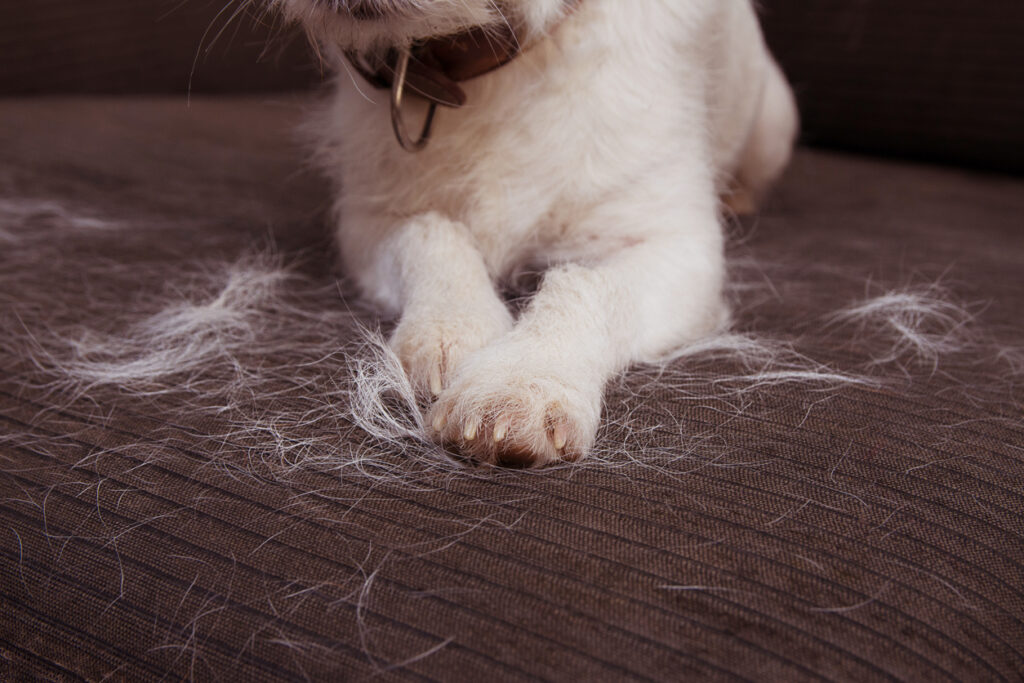
If you groom your pets or have birds, their fur and feathers make great additions to compost. They’re rich in nitrogen and help maintain a balanced mix. Make sure they’re clean and free from flea treatments or sprays before adding them. Over time, they’ll break down just like other organic materials, enriching your compost naturally.